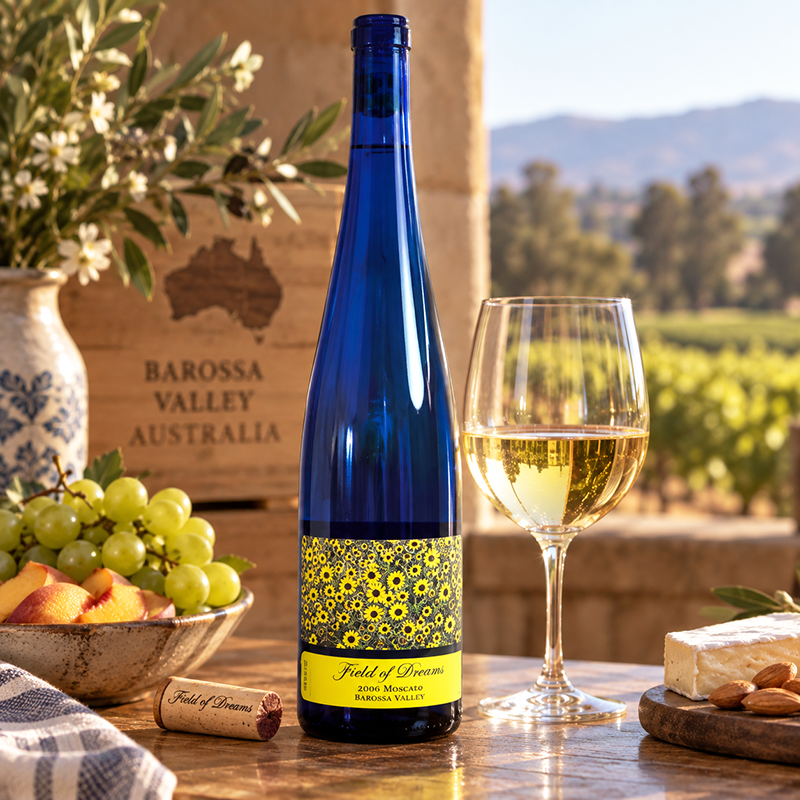
Field of Dreams Moscato

Reviews of wines and spirits for the curious drinker.
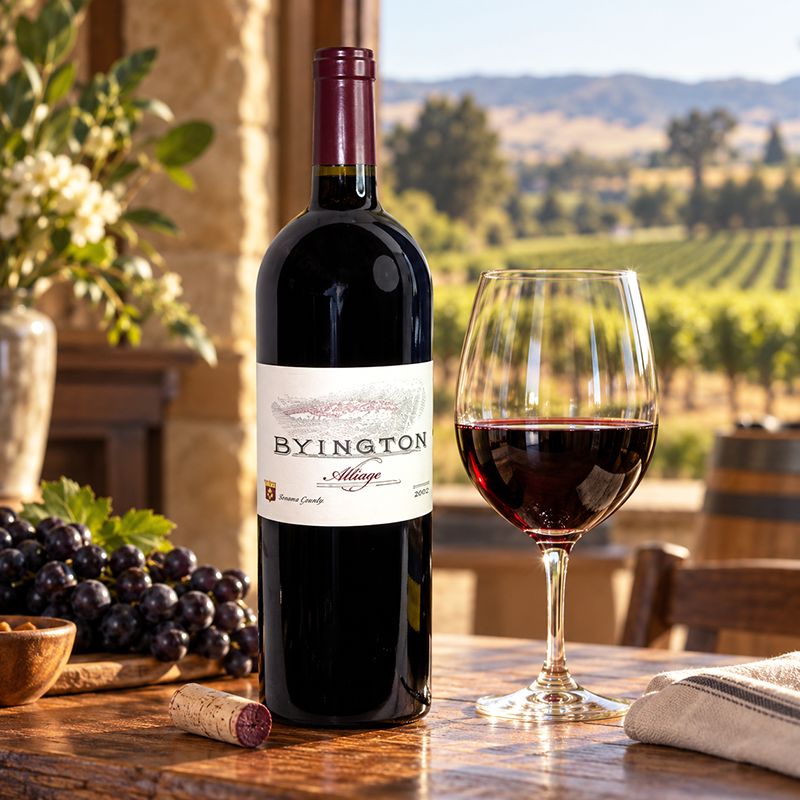
This Sonoma Cabernet Sauvignon comes from an Iowa farm boy who amassed enough wealth as a northern California industrialist that he was able to realize his dream of becoming a winery owner.
Along with the primary grape, it features 11% Cabernet Franc and 9% Syrah, both of which enhance its structure. There is also a very slight sweetness reminiscent of cassis and raisins, as well as a hint of licorice. The lingering and pronounced tannins will appeal to some, while others will want to hold this wine in the cellar for three or four years to allow the tannins to soften. The inky density and good legs suggest such patience will be rewarded. Let this wine breathe for 30 minutes or so before pouring. Then, serve with mildly seasoned pork or chicken.
Back to blog posts: winervana.com/blog/

Stag’s Leap Wine Cellars is one of the genuinely consequential wineries in American wine history. It is not simply a famous Napa Cabernet producer: its 1973 Cabernet Sauvignon was the wine that finished first in the red-wine portion of the 1976 Judgment of Paris, an event that fundamentally changed international perceptions of California wine. The winning bottle is now part of the Smithsonian’s National Museum of American History collection.
In the history of wine in California, one event stands out as a defining moment: the Paris Tasting of 1976. This blind tasting, organized by British wine expert Steven Spurrier, pitted California wines against the finest offerings from France’s Bordeaux and Burgundy regions. The outcome sent shockwaves through the wine industry and forever altered the perception of California wine on the global stage.
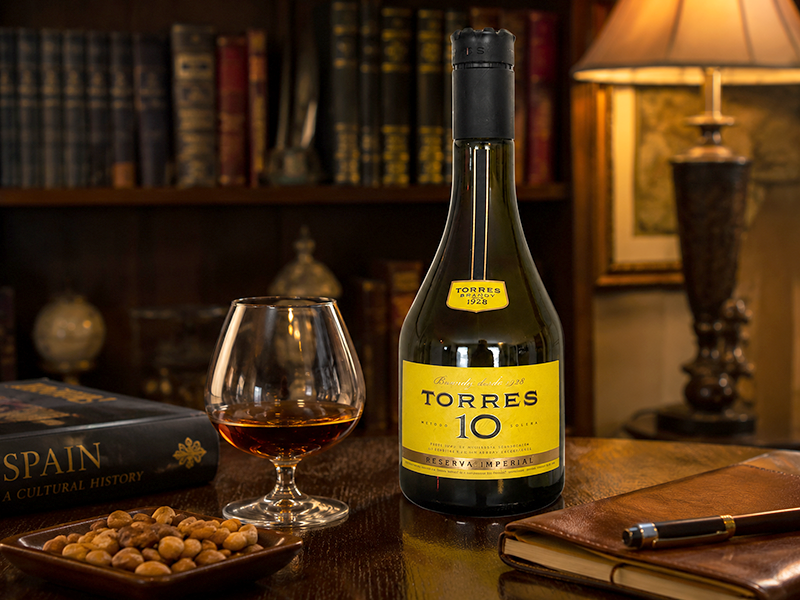
Torres Brandy is the spirits arm of Familia Torres, the large, still-family-controlled Catalan wine company founded in 1870. The spirits division is now formally presented as Juan Torres Master Distillers, and brandy production dates to 1928.
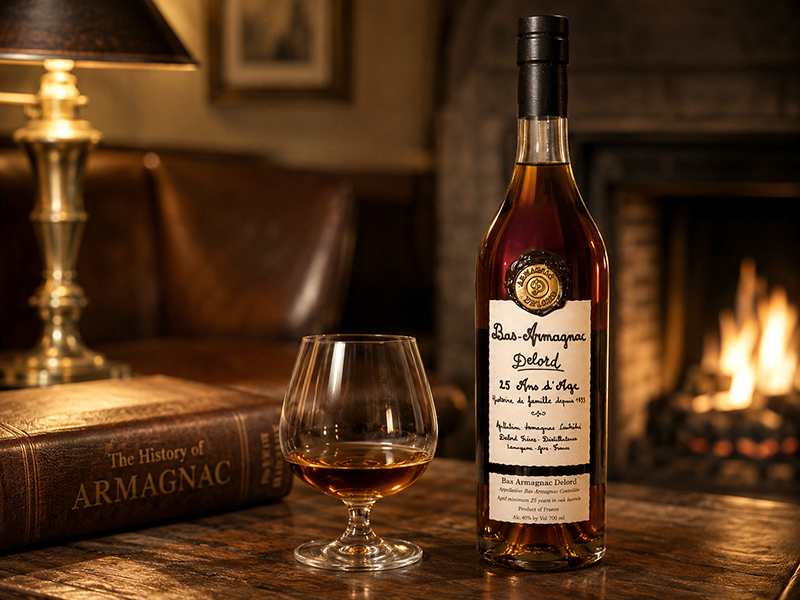
Delord grows grapes, makes wine, distills, ages, blends, and bottles Armagnac in the tiny village of Lannepax, in the Bas-Armagnac appellation. And unlike some producers whose “family tradition” has become mostly marketing hype, the Delord family remains directly involved. The current operation represents the fourth generation. Continue reading “Delord Armagnac”
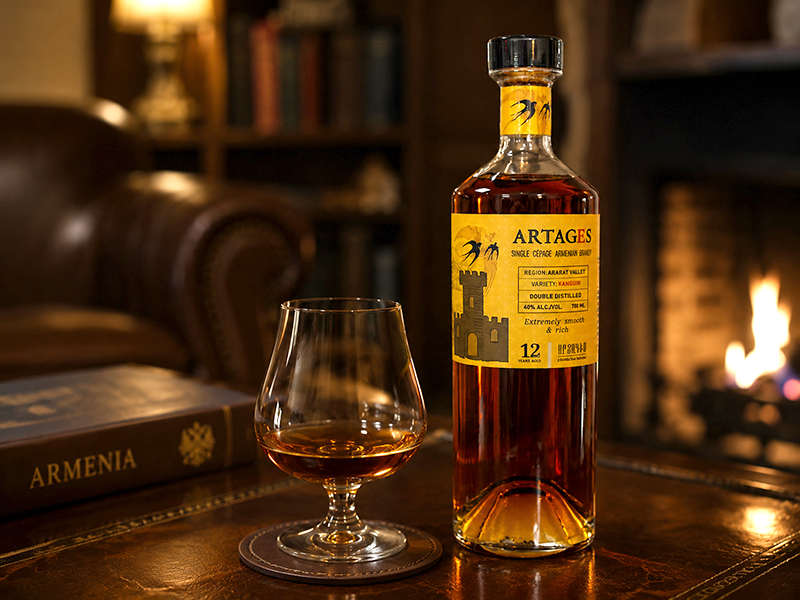
Artages is made by the Yerevan Brandy Company [YBC], that did more than any other to define what Armenian brandy means, first within the Russian Empire, then the Soviet Union, and now internationally. It has roughly 140 years of institutional ancestry, exceptionally deep stocks, control over grape procurement and distillation, indigenous grape varieties, a distinctive oak regime, its own cooperage, and a highly developed blending culture.
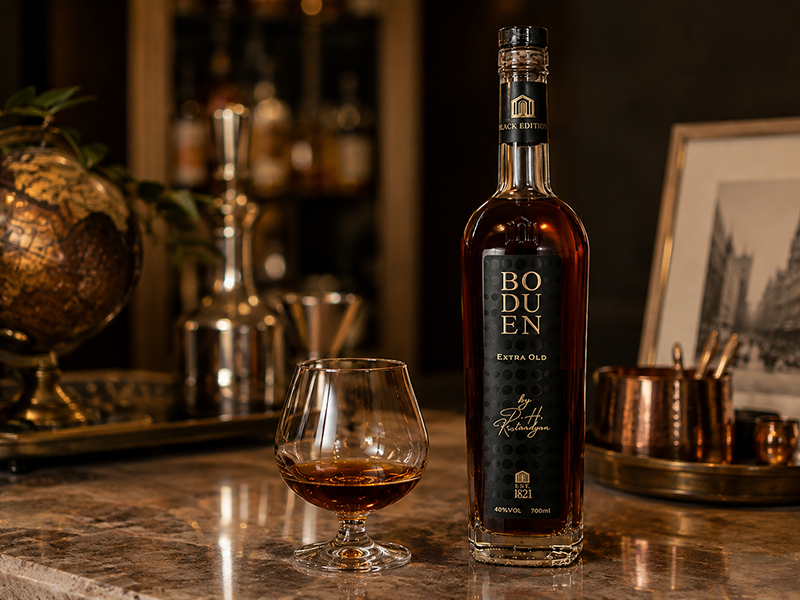
This brandy is a product of the Armenian wine-and-brandy factory Shaumyan-Vin, in the Ararat Valley. The distillery was established in 1927 and reconstituted in 2002.
Shahumyan-Vin uses five grape varieties for its brandies: Kangun, Rkatsiteli, Azateni, Megrabuyr, and Mskhali. These are grown in the Ararat Valley, and harvesting begins around mid-October. The grapes are hand-picked, sorted/inspected, gently pressed, and fermented in 50 to 200 hectoliter vessels. Continue reading “Boduen Brandy”
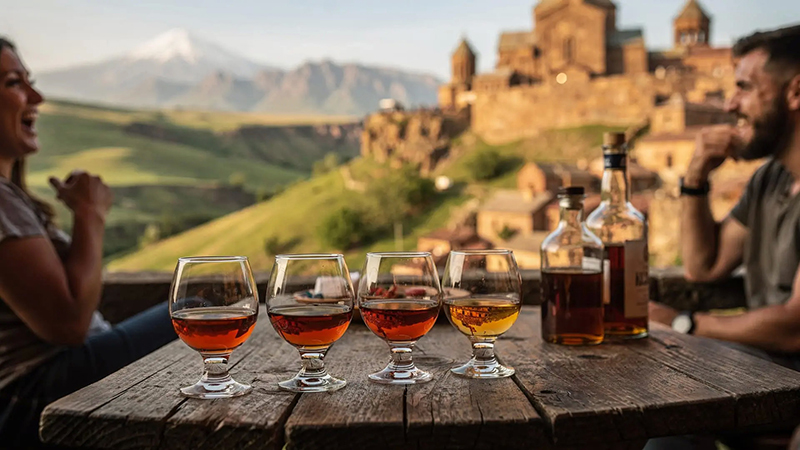
Armenia has one of the most interesting brandy traditions outside of France. What makes it unusual is that Armenian brandy was deliberately modeled on Cognac from the beginning—Charentais pot stills, double distillation, long oak aging and blending—but developed a distinctly Armenian character through indigenous grapes, climate, and Caucasian oak.
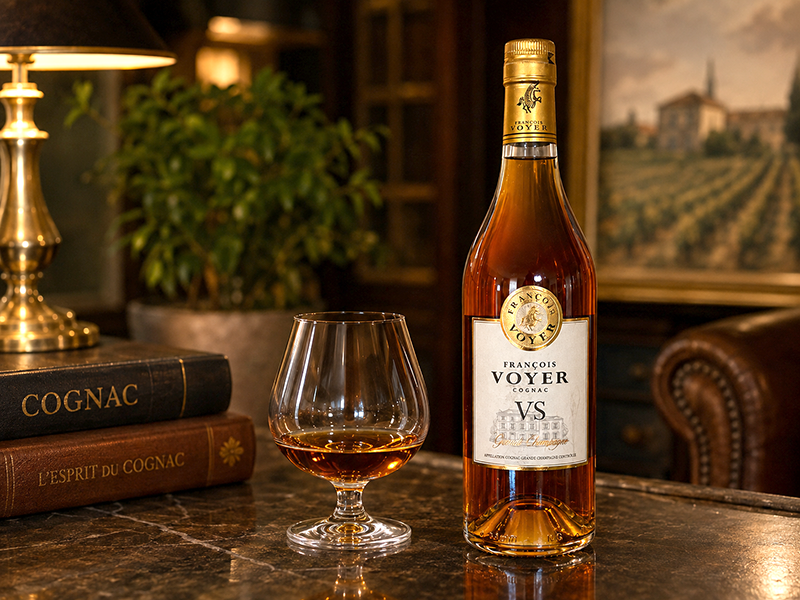
Cellar master Pierre Vaudon took over the Voyer Cognac house from the founding family after working on its blends for many years, and now owns it with his wife Anne-Marie.
François Voyer is in Verrières, right in Grande Champagne, the premier cru of Cognac. The family’s viticultural roots there go back roughly 200 years, while actual distillation by the Chauchet-Voyer family is generally dated to the 1870s. Paul André was among the relatively unusual growers of the late 19th century who distilled his own wine rather than simply selling it to a négociant. So, Voyer was able to amass stocks of its own mature eaux-de-vie rather than functioning primarily as a brand buying young spirits and assembling them.

Irv Bliss’ early years as a farmer were occupied with growing pears, prunes, walnuts, and a large family garden just outside of Healdsburg, in Sonoma County, California. Although successful, for years Bliss nursed the vision of planting a vineyard in Mendocino, which he believed to be one of the best places around to grow grapes. In 1943, he purchased a plot of land in southern Mendocino County, and immediately planted the vineyard of his dreams. In the early days, in addition to growing grapes on the property, Bliss farmed figs and raised sheep and cattle. At some point in the 1970s, all 100 acres of the land was converted to grape production, mostly Cabernet Sauvignon and Zinfandel.
In 1910, the Brutocao (pronounced brew’ tuh coe) family emigrated from Treviso, Italy (a small town near Venice), at first settling in Canada. Son Leonard Brutocao was born in 1935 in Fort Erie, Canada, and, after the family moved to the U.S., was raised in Covina, California. He met Irv Bliss’ daughter Martha while attending the University of California, Berkeley. After Leonard and Martha married, the families joined forces, and continued to farm grapes which they sold to well-known Sonoma and Napa wineries. Irv and Leonard worked together for over 35 years until Irv’s retirement in 1969, at which point the new ownership was split between Lenonard and Lenonard’s brother Albert.
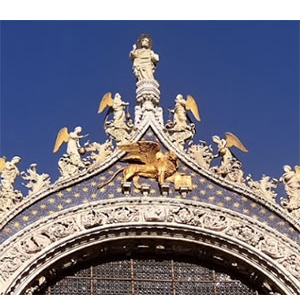
For several years, most of the family’s grapes were sold to local area wineries, including Beringer and Mondavi. Leonard and Albert were interested in more than just farming however, and saw the potential for producing a handcrafted Mendocino wine. Acting on this vision, the Brutocao family released their first wine with the 1980 vintage. Shortly thereafter, they chose as their symbol of family tradition and quality a version of the Lion of St. Mark, the lion on top of St. Mark’s Cathedral in Venice, Italy, (But they flipped the way it faces, for whatever reason.)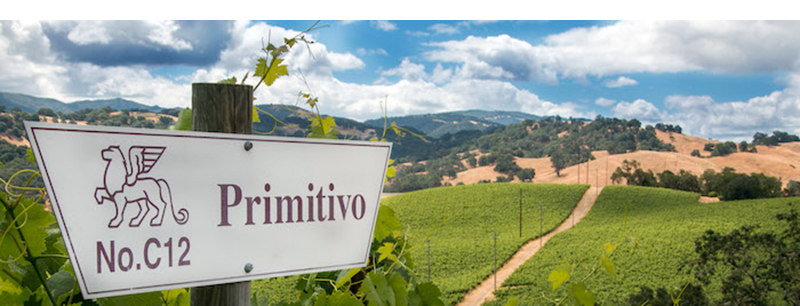
x
In 1991, the original winery was built, and the first estate vintage was produced. Around the same time, Leonard’s three sons, David, Len Jr., and Steve, joined the family business.
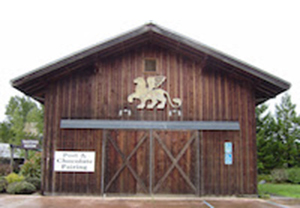
Brutocao outgrew the first winery by 2003, when a new facility was built, and it was expanded in 2009. The original building has now become an onsite wine storage warehouse. The more visitor-friendly tasting room is about a mile and a half due west, in Hopland, California.
x
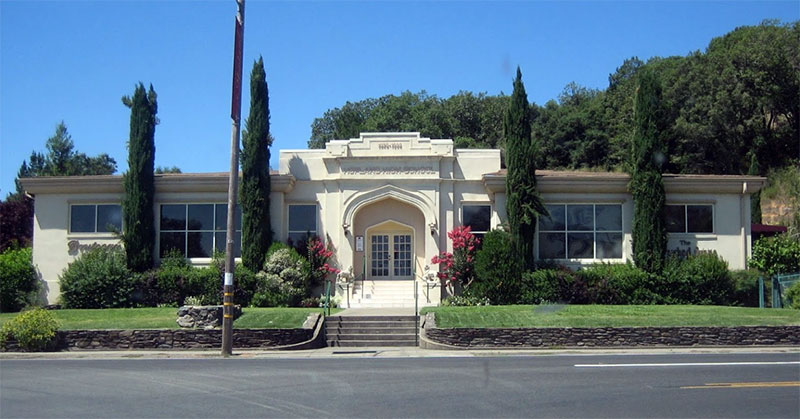
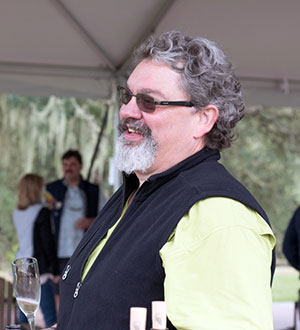
Hoss Milone became the winemaker for Brutocao in 2009 after spending 18 years toiling for Ferrari-Carano. Hoss is a fourth-generation winemaker who grew up in his family’s vineyards, and watched his grandfather and father produce their own Mendocino wines. Milone is also a trained cooper, aka barrel maker. At some point it was discovered that Milone’s grandfather tilled the land for Irv Bliss in the original vineyard. Quite a coincidence.
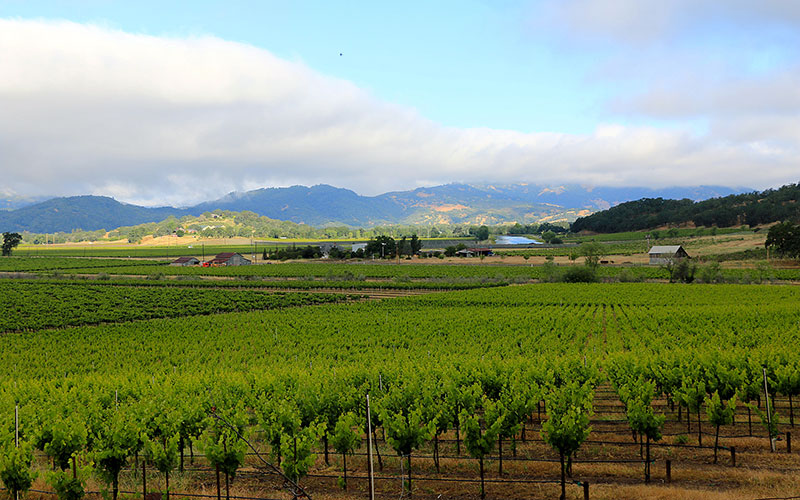 The Bliss Vineyard, also known as the Home Ranch, is the original property purchased in 1943 by Irv Bliss. The vineyard is 400 acres, with 177 acres planted to Chardonnay, Cabernet Sauvignon, Sauvignon Blanc, Zinfandel, Merlot, Sangiovese, Barbera, and Dolcetto.
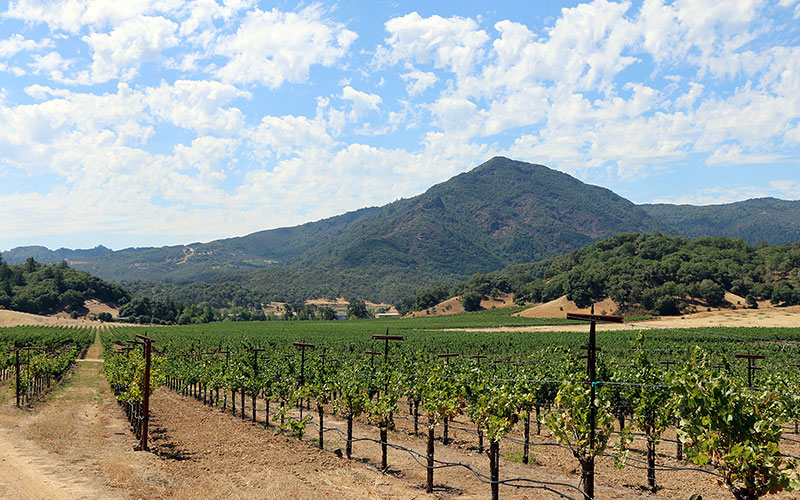 The Feliz Vineyard was purchased in 1994. It is 583 acres in size, with 114 acres planted to Chardonnay, Sauvignon Blanc, Syrah, Cabernet Sauvignon, Sangiovese, Dolcetto, Barbera, Zinfandel, and Pinot Noir.
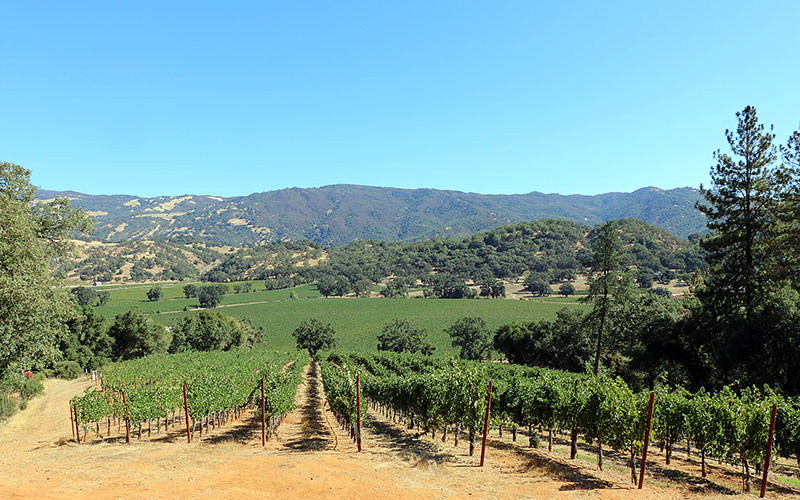 The 251-acre Contento Vineyard was purchased in 1997, but not planted until 1999. 90 acres are now under vine, growing Cabernet Sauvignon and Primitivo*. Contento is the site of an old cattle ranch, where purebred Brangus cattle were raised. Some of the ranch was used for research and development of new tractor equipment, resulting in very well-worked soils.
A quadriga is a chariot pulled by four horses, harnessed side by side, and is an ancient Italian symbol of triumph. This selection, on offer since the early 2000s, is a proprietary blend of 43% Primitivo*, 31% Sangiovese, 19% Barbera, 6% Dolcetto, and a 1% topping of Syrah, which is reminiscent of traditional Italian field blends. “Field blending” is the custom of planting different grape varieties together in the same vineyard, harvesting them all together, co-fermenting, and making a wine from the mixture. However, Milone was careful to point out that Brutocao’s varietals are kept separate in their vineyards, and he makes individual wines from each of the grape types before he begins the blending process. This offers him much greater control over the flavor profile of the wine than the traditional field blend approach would. The fruit was sourced from the Bliss, Feliz, and Contento vineyards. After fermentation, it was aged for 18 months in 90% French oak and 10% American oak, of which 25% was new.
This wine is a totally transparent medium purple, but is more boisterous than its color suggests. The nose features aromas of red berries and cinnamon stick. These continue on the palate, with additional flavors of blueberries and caramel, complemented by a rich, smooth mouthfeel. Decant for an hour or two before serving. The ABV is 14.5%, and 500 cases were made.
*There is ongoing debate about whether or not Primitivo and Zinfandel are the same grape. However, it is agreed that at the least they both share a Croatian forebear. Primitivo is mostly planted in Italy, while Zinfandel is almost exclusively American. Winemaker Hoss Milone insists that Brutocao’s Primitivo can be sourced back to mother vines in Italy. He also believes Primitivo prefers French oak aging, while Zinfandel is more suited to American oak.
Back to blog posts: winervana.com/blog/
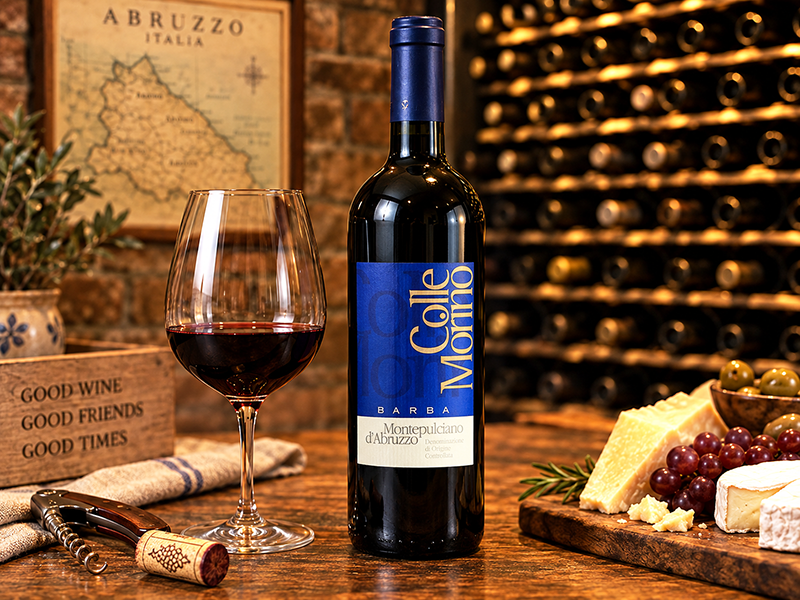
The Fratelli [Brothers] Barba winery, completed in 1991, is in Scerne di Pineto, at the foot of the Colle Morino hills. This relatively young winery prides itself on using the latest technology and equipment, especially after a major renovation in 2005.
This Montepulciano is nicely rustic. It was fermented for about ten days in conical oak vats, and then aged in the winery’s air-conditioned cellars.
The fruit is there (primarily stone fruits like cherry and plum), but in the old world, slightly under ripe, style. Structure comes from a robust punch of tannins, particularly evident after an hour and a half or so of breathing. The initial taste is surprisingly “hot,” even with a respectable alcohol level of 13%.
During summer, fire up that grill and pair this Montepulciano with black peppered ancho beef filets, barbequed porterhouse steaks, beer-simmered bratwurst with grilled onions and ‘kraut, or lamb chops with fresh thyme and grilled lemons.
http://www.fratellibarba.it/en/the-barba-vineyards-and-winery/
Top of page: https://winervana.com/blog/
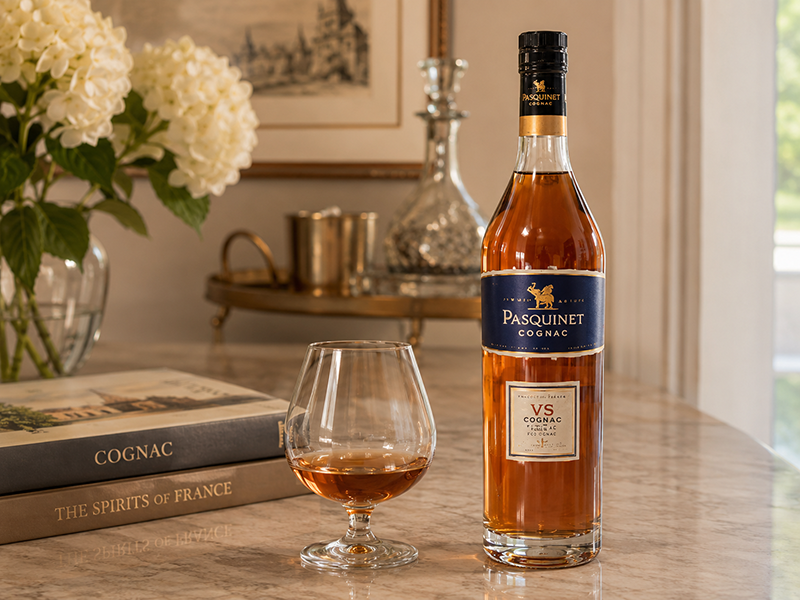
Pasquinet is a family-rooted Grande Champagne producer/distiller based at Domaine du Foucaudat in Juillac-le-Coq, with estate vineyards, its own distilling tradition, old stocks, and a history stretching back well before the Pasquinet brand itself was created. The primary terroir is Grande Champagne, Cognac’s premier cru, with an estate size of about 22 hectares (54 acres). Continue reading “Pasquinet VS Cognac”
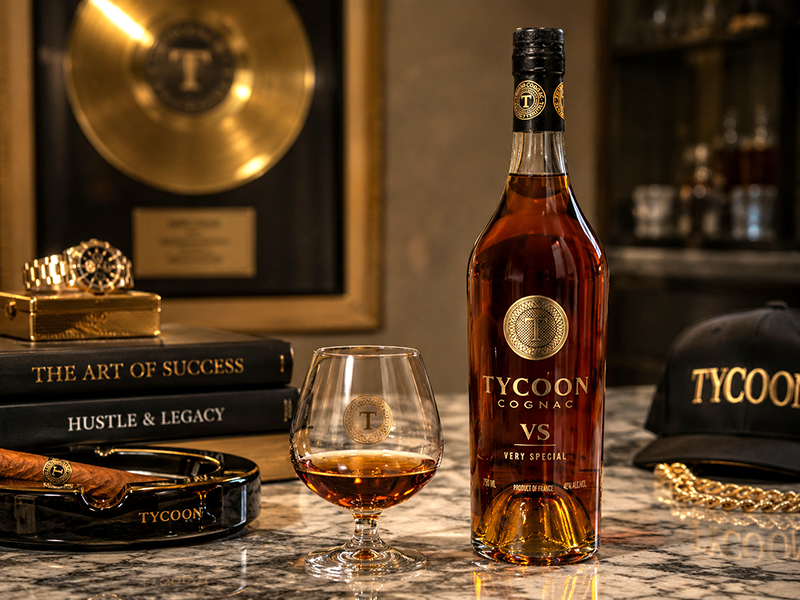
Celebrity-backed brandy and Cognac is a notable and growing trend, heavily propelled by hip-hop culture and high-profile music and sports partnerships. High-visibility labels like Jay-Z’s D’USSÉ and 50 Cent’s Branson Cognac have proven that celebrity ownership can turn niche or traditional French spirits into major market contenders.
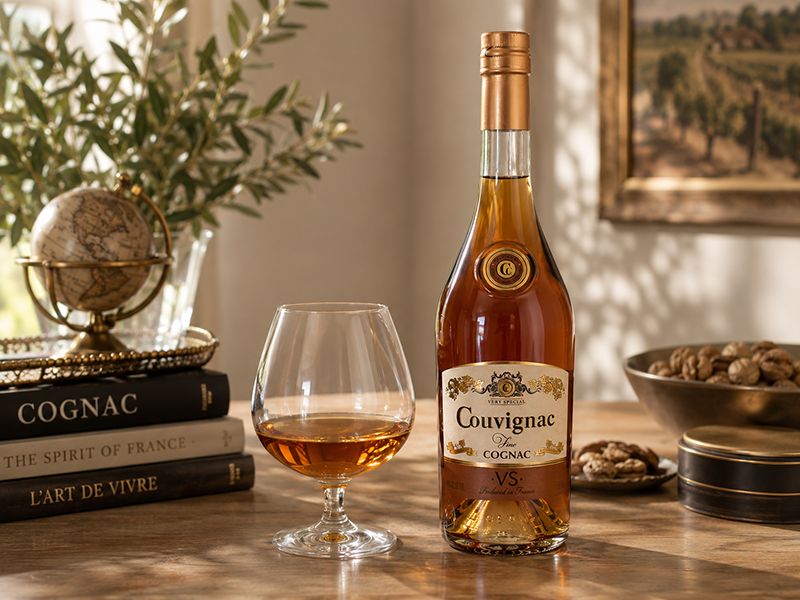
Couvignac is produced by Distillerie de Chevanceaux/SVE (Société des Vins et Eaux-de-Vie), a long-established family distillery in Saint-Palais-de-Négrignac, south of Cognac. It is a substantial, multigenerational, family-owned Cognac distiller, grower, blender, cellar operator, and spirits producer whose roots lie in supplying and producing eaux-de-vie rather than building an internationally famous Cognac house name. The Cognac distillery at the present site was founded in 1896 by Louis Gautriaud, formerly a bouilleur de cru—essentially a grower-distiller. His son Ernest took over after 1926, followed by grandson Robert after 1956. The company’s own modern family history traces the family’s involvement in growing, distilling, aging, and blending Cognac back further, to 1830. Julien Nau and his sister Marie represent the latest generation of the family. Continue reading “Couvignac VS Cognac”