
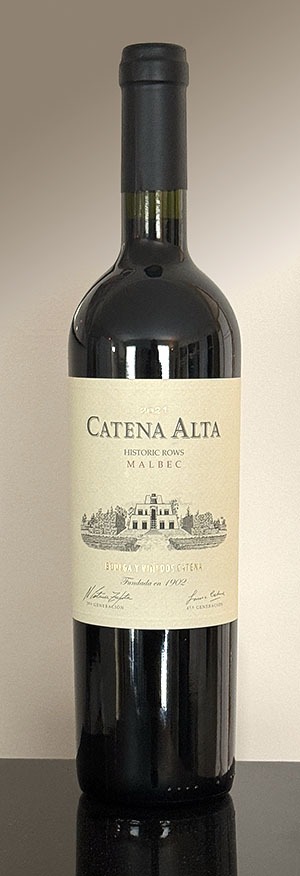
Catena Alta Malbec
When collectors speak of Argentine Malbec at its most refined, and age-worthy, one name inevitably rises to the surface: Catena Alta. The brand represents a philosophy—one rooted in history, sharpened by science, and expressed through some of the highest and most carefully studied vineyard rows in Mendoza.
Catena Alta is not a separate winery, but rather the top-tier label within Bodega Catena Zapata, the estate that redefined Argentina’s place in the fine-wine world.
The Catena story began in 1902, when Italian immigrant Nicola Catena planted Malbec vines in Mendoza. At the time, Argentina’s wine culture was local and utilitarian—focused on volume rather than terroir or longevity. Malbec thrived in Mendoza’s sun-drenched climate, but its deeper potential remained unrealized.
For much of the 20th century, Catena vineyards followed the prevailing Argentine model: generous yields, warm low-altitude sites, and wines meant for immediate consumption. Quality was respectable, but ambition was limited.
A revolution begins: Nicolás Catena Zapata and altitude
Everything changed in the 1980s, under the leadership of Nicolás Catena Zapata, Nicola’s grandson. After traveling extensively through Napa Valley and Bordeaux, Nicolás reached a radical conclusion: Argentina possessed world-class terroir—but it was planting in the wrong places.
At a time when most growers favored lower, warmer vineyards, Nicolás began planting higher and colder, believing altitude—not latitude—was Mendoza’s true advantage. High elevation meant intense sunlight, cool nights, thicker skins, brighter acidity, and wines capable of structure and longevity.
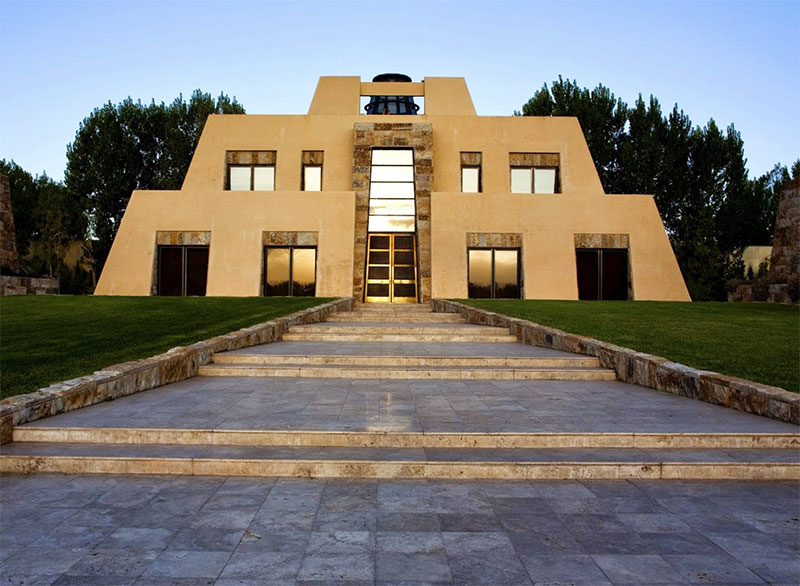
The creation of Catena Alta
Introduced in the mid-1990s, Catena Alta was conceived as the estate’s most rigorous expression—built exclusively from estate vineyards and only from the best-performing historic rows within those vineyards. The name “Alta,” meaning high, reflects both altitude and aspiration.
Unlike broader Catena labels, Catena Alta was never about scale. It was about selection. Vineyard blocks were mapped, studied, and harvested separately. Only rows that demonstrated consistent excellence year after year were chosen for the blend.
The “Historic Rows” philosophy
What truly distinguishes Catena Alta is the concept of Historic Rows. Over decades, Catena agronomists observed that certain vineyard rows—sometimes just meters apart from others—produced fruit of exceptional balance, concentration, and aromatic complexity.
Rather than blending entire vineyards, Catena Alta draws from these proven rows, vinified separately and assembled only after extensive tasting. The approach mirrors Burgundy’s climat philosophy, applied to Malbec long before single-parcel thinking became fashionable in Argentina.
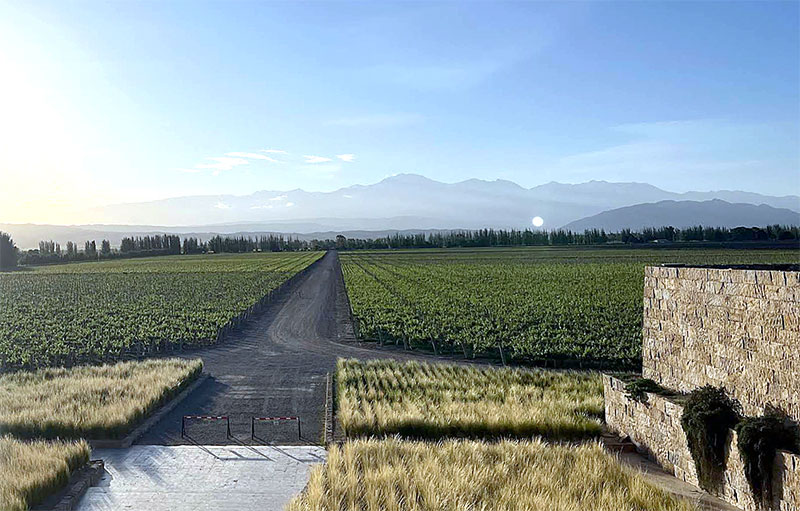
The crown-jewel vineyards
Catena Alta is an assemblage drawn from the family’s most iconic sites:
Adrianna Vineyard (Tupungato, Uco Valley)
At nearly 4,920 feet [1,500 meters], with limestone-rich soils and extreme diurnal shifts, Adrianna provides tension, minerality, and floral lift. It is often called the Grand Cru of South America.
Nicasia Vineyard (Altamira)
Rocky alluvial soils contribute structure, dark fruit, and savory depth.
Angélica Vineyard (Luján de Cuyo)
The family’s historic home vineyard, offering heritage Malbec selections and supple fruit.
La Pirámide Vineyard (Agrelo)
Adds power, mid-palate weight, and classic black-fruit expression.
No single site dominates every vintage; Catena Alta is about balance through diversity.
Science meets tradition: Laura Catena and research-driven winegrowing
Laura Catena, Nicolás’s daughter is a Harvard- and Stanford-trained physician. She brought scientific rigor to the vineyard, founding the Catena Institute of Wine.
Under her leadership, Catena pioneered research into high-altitude viticulture, soil microbiology, clonal selection, and climate adaptation. This data directly informs Catena Alta’s vineyard choices and blending decisions.
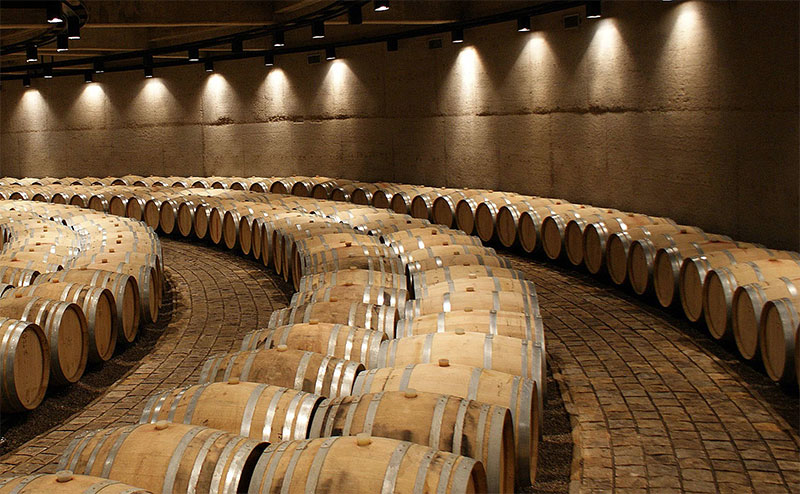
Winemaking philosophy
In the cellar, Catena Alta favors restraint and precision. Lots are fermented separately using native yeasts, with extended macerations to build texture. Aging takes place in French oak—structured and integrated, never dominant.
Global impact and legacy
Since the early 2000s, Catena Alta has played a pivotal role in reshaping the global perception of Argentine wine. Regularly scoring in the mid-90s from leading critics, it demonstrated that Malbec could rival the world’s great reds—not by imitation, but by embracing its own terroir.
Catena Alta Historic Rows Malbec 2021
This 100% Malbec was fermented in small formats, including French oak barrels plus stainless tanks. It saw 18 months of aging in 225 liter French oak barriques, with about 70% new oak, plus about 24 months of bottle aging before release. The wine was unfined and unfiltered.
It is a dark but transparent purple in the glass. The nose delivers aromas of dark fruit, especially plum, and a suggestion of honey and florals. The palate features blackberry and blueberry. The acid and tannins are forward, but in excellent balance. There is a bit of mineral on the medium finish. Give it 30 to 60 minutes in a decanter, and serve around 60–65°F. ABV is 13.5%.
Try this wine with grilled/roasted beef or lamb, chimichurri, mushrooms, duck breast, or hard aged cheeses.
To learn about Catena’s more affordable wines, click here.
Back to blog posts: winervana.com/blog/