
Alvear Solera 1927 Pedro Ximénez
Alvear is the oldest bodega in Montilla-Moriles (Córdoba, Andalucía) and among Spain’s oldest wineries.

Reviews of wines and spirits for the curious drinker.
Alvear Solera 1927 Pedro Ximénez
Alvear is the oldest bodega in Montilla-Moriles (Córdoba, Andalucía) and among Spain’s oldest wineries.

Austin Hope Cabernet Franc 2022
Chuck Hope and his wife Marlyn came to Paso Robles in California’s Central Coast in 1978 to farm, and eventually to start what would become Hope Family Wines. This early arrival put them on the forefront of the Central Coast becoming a world-class viticultural region. Initially, the Hopes planted apples and grapes in this then sparsely-populated area. Seeing the property’s potential for grape growing, Hope eventually replanted the apple orchards with grapes.

Stags’ Leap Cabernet Sauvignon 2019
Let’s be clear up front: this is a post about the Stags’ Leap winery in Napa, California, not the Stag’s Leap Winery in Napa, California. Whaaaat?

Wollersheim Winery is located on a scenic hillside overlooking the Wisconsin River, across from Prairie du Sac, Wisconsin, about 30 miles northwest of Madison. In addition to the winery, the property now includes a distillery and a bistro.
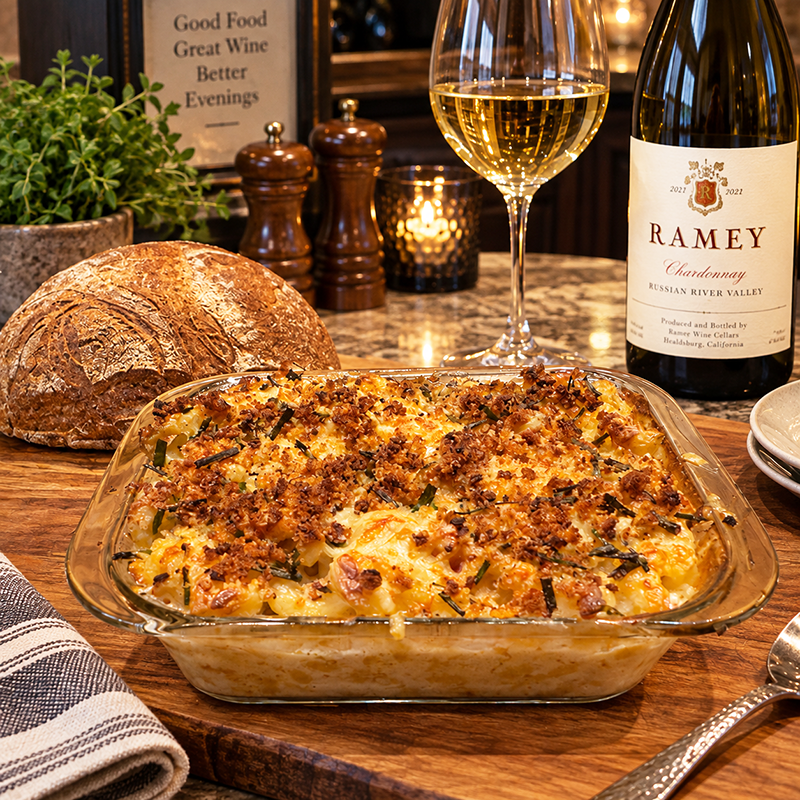 A Mac and Cheese for Adults
In addition to being a wine blogger, I am also an amateur chef with advanced skills. All of my friends have fond nostalgic memories of mac and cheese which they enjoyed while growing up. However, I had never had mac and cheese, but finally wanted to try it. I decided that the Blue Box wouldn’t do, so I came up with a recipe that captures their enthusiasm, but that would appeal to adult tastes.

Walson Holland is a small winery nestled in the Ojai Valley of Southern California. It was founded in 2018 by seasoned winemaker Benjamin (“Benny”) Holland, and Jonas Svensson, an Ojai-based vineyard owner.
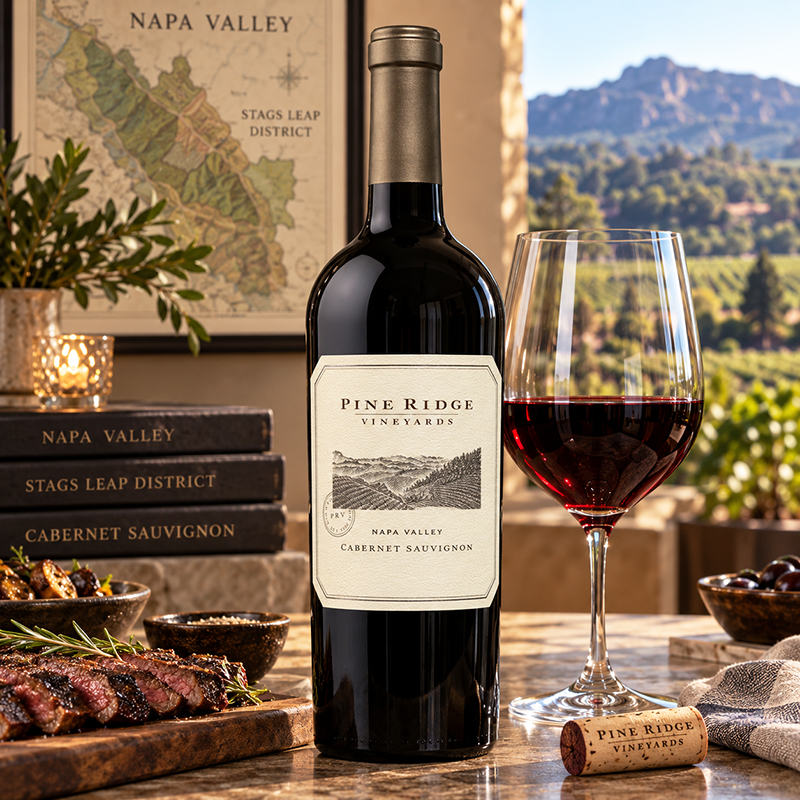
In 1978 Gary and Nancy Andrus founded Pine Ridge Vineyards on roughly 50 acres in Napa’s famous Stags Leap District, planting Cabernet Sauvignon on steep, terraced hillsides set among pine‑lined ridges. Tom Cottrell became the first winemaker.

Disclaimer: I’ve been a member of the Clos Pegase wine club for years, so this post is hardly impartial.
Clos Pegase was founded by Jan Shrem in 1983 on a 50-acre vineyard near Calistoga in Napa Valley. He was born in Colombia in 1930 to Jewish-Lebanese parents, and spent his childhood in Jerusalem and his early adolescence back in Colombia. After he arrived in the United States at age 16, he attended the University of Utah and UCLA. While in college, he sold encyclopedias.
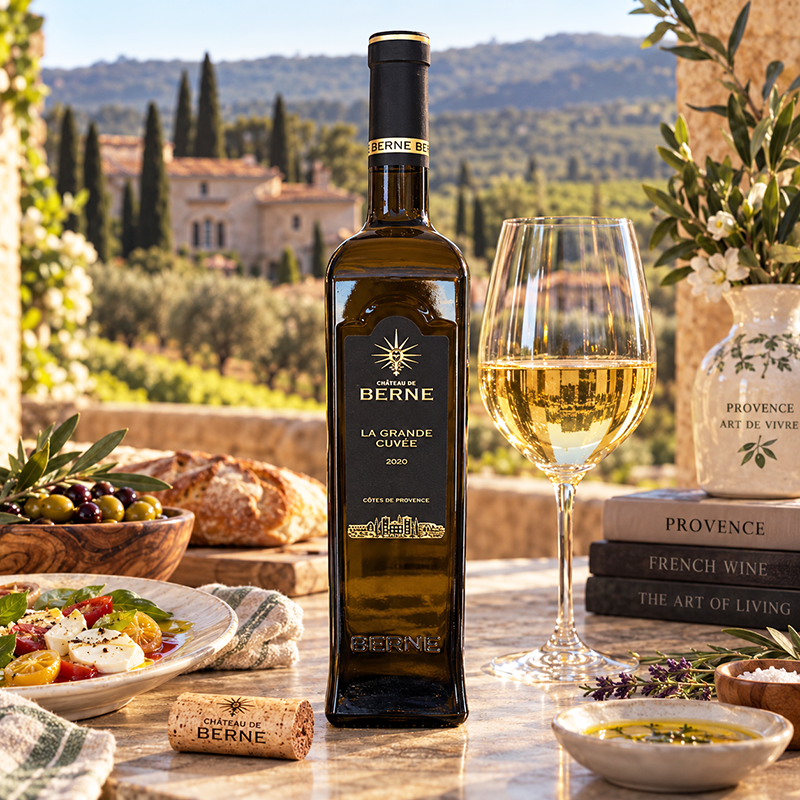
Chateau de Berne La Grande Cuvee Blanc 2020
Château de Berne, nestled in the heart of Provence near Flayosc, boasts a rich history that spans over two millennia, evolving from a Roman-era vineyard into a modern luxury estate renowned for its wines and hospitality.
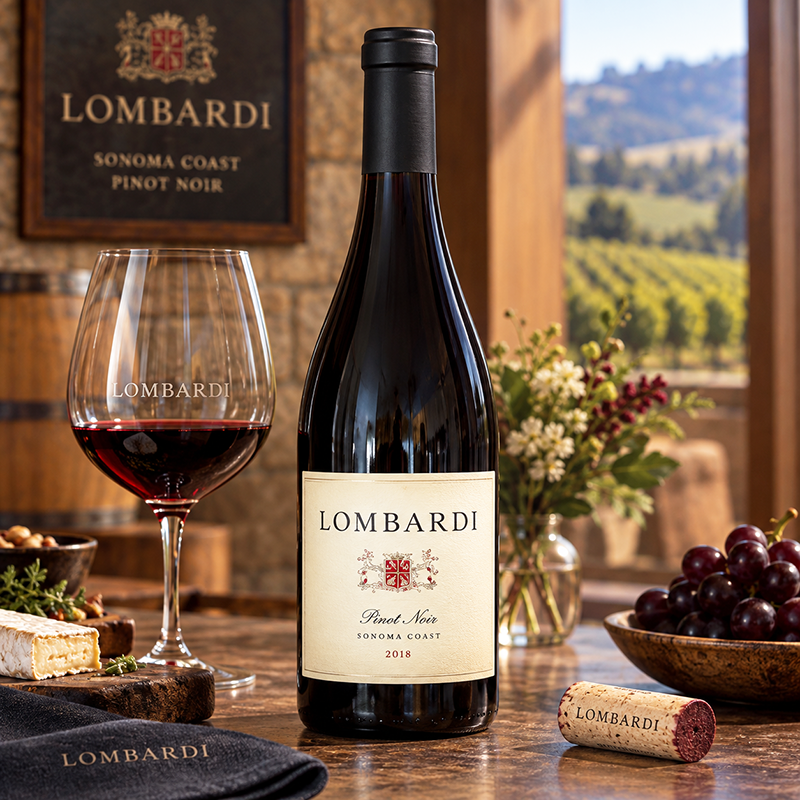
Tony Lombardi was born into a family of small business owners, and grew up in Sonoma County. His first job in the wine business came in 1998 when he joined the hospitality team at Clos Du Bois Winery, located in Geyserville, California.
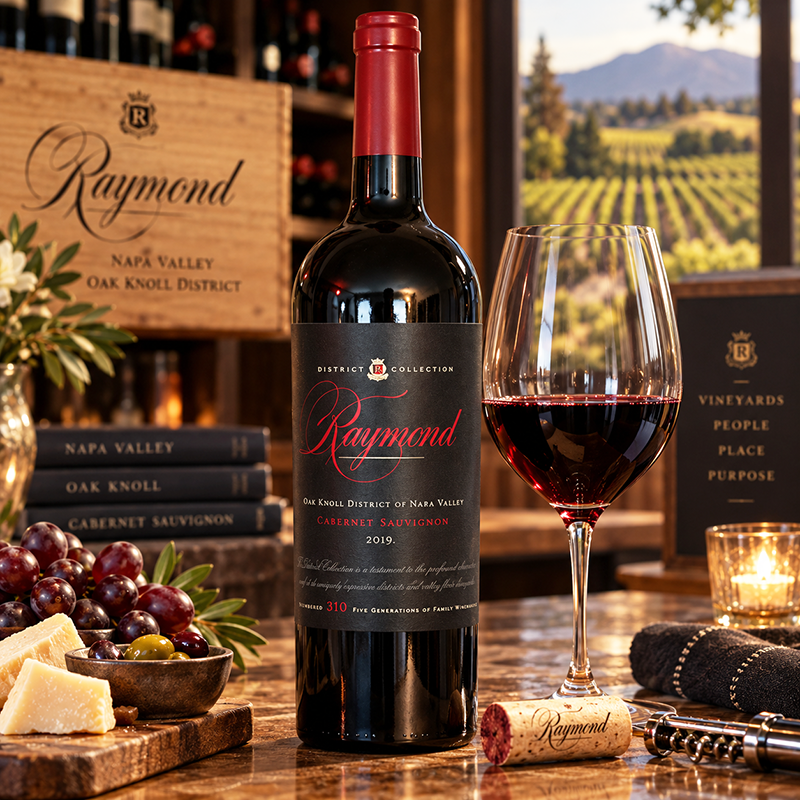
The Raymond name has been associated with Napa valley since the year Prohibition ended. The Raymond family arrived in Napa Valley in 1933. Roy Raymond married into the Beringer family in 1936. He worked as winemaker for Beringer from 1933 to 1970. The following year, he and his two sons Walter and Roy Jr set out on their own with a 90-acre estate property in Rutherford. They released their first commercial wine under the Raymond Vineyards label in 1974. The estate now comprises 300 acres in Rutherford, St. Helena, and Jameson Canyon. All are are certified organic and Biodynamic. The winery is also operated on 100% solar power.
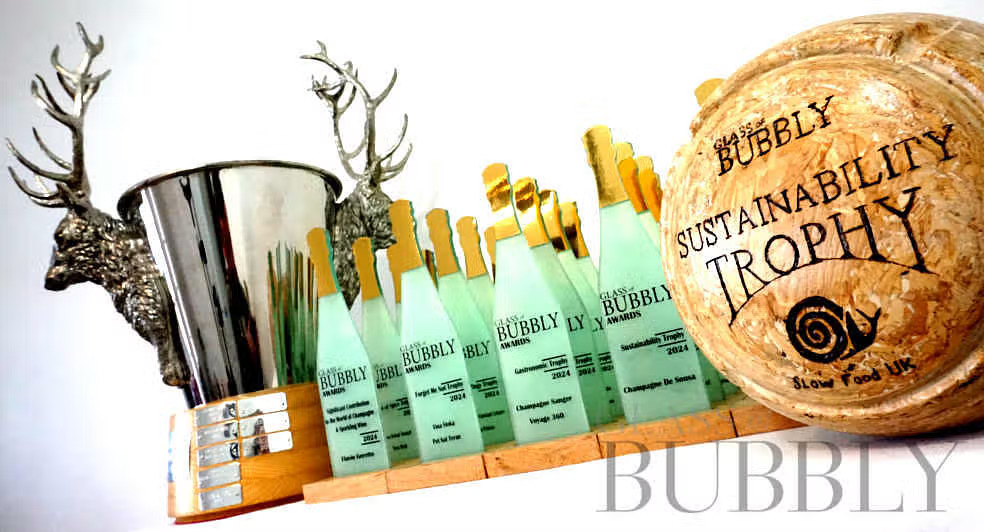 The Search For The World’s Finest Glass of Bubbly – The Glass of Bubbly Awards 2025
In just a few months time, international wine judges will gather together in London with one common goal, to discover The World’s Finest Glass of Bubbly for 2025.
Entries will be sent in from all over the world, both new and old, traditional, charmat and unique, canned and bottled, with and without alcohol, any bubbly could win. On top of Gold, Silver & Bronze medals, there are 21 Trophies to be awarded, including the much-loved, consumer-friendly Category Trophies; the ever more important Sustainability Trophy in Partnership with Slow Food UK; and of course, the best of them all, The World’s Finest Glass of Bubbly Trophy, in partnership with Carynx.
This year, there is an incredible vast array of 2025 Award Partners who we’ve enlisted to help search for the World’s Finest Glass of Bubbly for 2025, including a Sommelier School, Wine Shops, PR Agencies, International Wine Journalists and more.
If you’d like to enter any of your sparkling wines into the Glass of Bubbly Awards this year, click here on the Awards Page and fill out the entry form. Entries are open from now until the 31 August 2025.
Back to blog posts: https://winervana.com/blog/
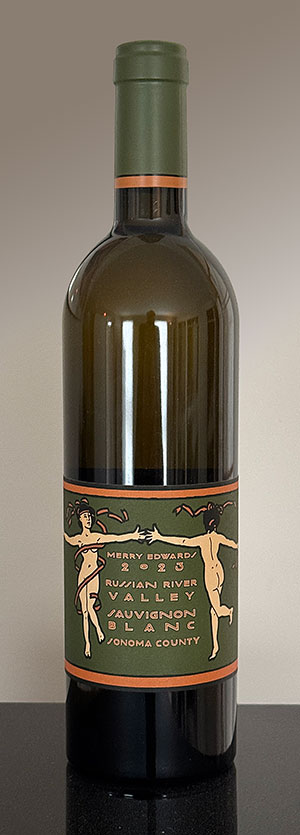
Merry Edwards Sauvignon Blanc 2023
Merry Edwards Winery, founded in 1997, is a well-known producer in California’s Russian River Valley. The winery was established by Merry Edwards, one of California’s first female winemakers. She began her winemaking career in 1970 with her amateur label, Merry Vintners, while pursuing a degree in physiology at UC Berkeley. She later earned a master’s degree in food science with an emphasis in enology from UC Davis. During her time there, she conducted groundbreaking research on lead contamination in wine, leading to the industry’s move away from lead-based capsules.

Beau Vigne Signature Series Cabernet Sauvignon 2019
Beau Vigne, pronounced “bo-veenya” and meaning “beautiful vineyard” in French, is a boutique winery located in Napa Valley, California. Founded in 1999 by Napa native Ed Snider and his wife Trish, with its first vintage release in 2002, the winery has established a reputation for producing exceptional wines, particularly Cabernet Sauvignon.

Eric and Amy Gale are the owners and sole full-time employees of Anchored Roots, Door County, Wisconsin’s newest winery, founded in 2020.
The couple make an ideal front-of-house/back-of-house duo. Amy grew up in Milwaukee, with hospitality at the forefront of her career path. Her initial focus was event planning, from non-profit fundraisers and catering, to corporate events and weddings. This was followed by experience in tasting room management at Airfield Estates in Prosser, Washington.