
Heavy Wine Bottles
In my posts, I’ve been calling out bottles that weigh more than the wine they contain, which I’ve named Bloated Bottle Syndrome. The web site of nearly every winery will usually include a mention of the operation’s dedication to “sustainability” and “stewardship.” Unfortunately, this often seems only to extend to the property itself. Many “premium” wines come in heavier bottles to allegedly denote higher quality.
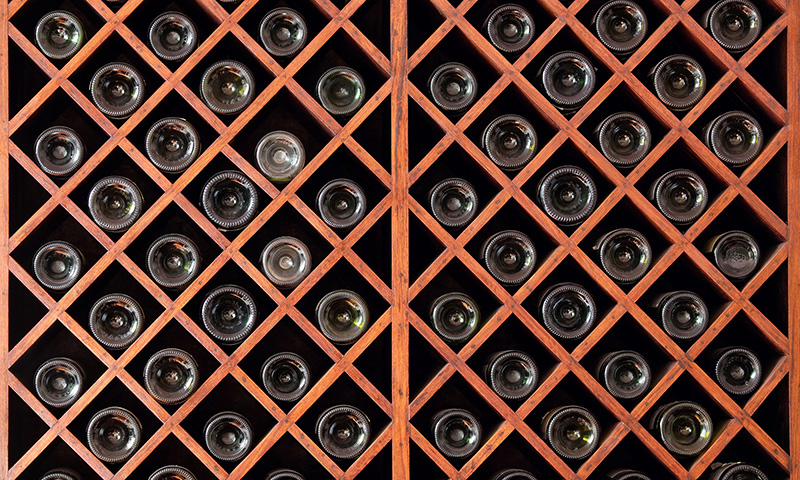
Inexcusably, a recent Beau Vigne I reviewed weighed in at 1194 grams! The average of past BBS “winners” is 857 grams, excluding the previous record holder at 1007 grams. (As an example of a more typical bottle, Estancia Cabernet’s comes in at 494 grams.) That’s a lot of extra weight to be shipping around the country (or the world.) For that Beau Vigne, that’s an extra 12 lbs per case, even assuming a 750-gram bottle. Even sparkling wine bottles are less than the weight of this one, and those are made to withstand high internal pressure. Unfortunately, this sort of “bottle-weight marketing” is becoming more common, especially at higher price points. But there are other ways to denote quality without weight: unusual label designs, foils, wax dipping, etc.
Plastic bottles have a lower environmental impact than glass, 20% to 40% less, in fact. And, bag-in-box packages are even less than plastic bottles. (Unfortunately, current bag technology will only keep unopened wine fresh for about a year, so they are only suitable for wines to be consumed upon release from the winery; that’s about 90% of all wine sold though.)
The carbon footprint of global winemaking and global wine consumption is nothing to scoff at, amounting to hundreds of thousands of tons per year. The latter, which requires cases of wine be shipped around the world, imprints a deep carbon footprint. Because wine is so region-specific, and only so many regions can create drinkable bottles, ground and air transportation is responsible for nearly all of the wine industry’s greenhouse gas emissions. According to the Sustainable Wine Roundtable, a group of wineries, retailers, and other companies connected to the wine industry, one-third to one-half of that total is due to the glass bottles themselves.