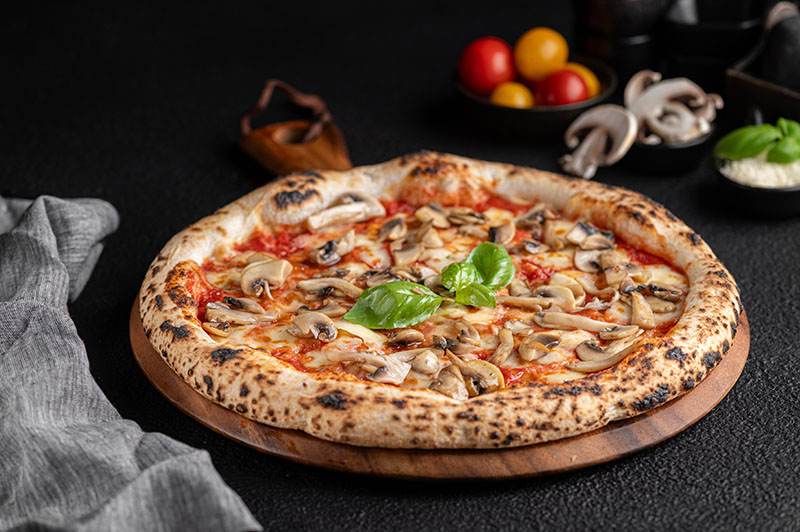
Pepperoni, Sausage, and Mushroom Pizza

Pepperoni, Sausage, and Mushroom Pizza

Pepperoni, Sausage, and Mushroom Pizza

The DOUGH

Start dough at 4pm for dinner between 8pm and 9pm
1 cup warm water
2 tsp instant-rise yeast
3-1/4 C bread flour
1 tsp salt
1/4 cup olive oil (EV not necessary)
2 to 3 tbs dried oregano or Italian herb
mix (optional)
Combine ingredients and knead by hand for 10 minutes or machine
for 5 minutes. Coat dough ball in a thin film of olive oil, cover in plastic wrap and let rise in warm place.

The SAUCE

28 oz. can tomato puree
1 tbs dried parsley or 3/4 cup of fresh
1 tbs dried basil or 3/4 cup of fresh
1 tsp dried oregano
1 tsp dried thyme
1 tsp dried marjoram (optional)
1/4 – 1/2 tsp ground black pepper
1/4 cup olive oil
10 cloves minced fresh garlic, lightly sauteed in the olive oil above
1/4 cup red wine vinegar
1-/1/2 tsp salt
Simmer all ingredients on low in a large pot for 30 minutes.

THE PIZZA

About an hour before service, turn the oven up as high as it will go.
Twenty to thirty minutes before service, roll dough out to 16” circle. [Or divide dough if you want to make two smaller pizzas.] Place on pizza screen if available, being careful not to press the dough into the mesh.

Half of large white onion, minced
As many garlic cloves as you like, minced
8 oz. fresh mushrooms, sliced
12 oz. Italian sausage, hot or mild
4 – 6 oz. pepperoni, casing removed, sliced thin
1 bell pepper, green (more authentic) or red (more flavorful), diced
1 can sliced pitted black olives, or 3/4 cup brined black olives, like kalamata, if you want to kick it up a notch.
1/2 to 1 lb grated mozzarella or, even better, fontina

Add 2 tbs olive oil to large skillet. Over medium heat, saute onion, garlic, and pepper until softened, about 5 minutes. Transfer to a bowl, leaving as much oil in pan as possible. Add sausage and saute until browned, breaking up into coarse chunks.

Brush dough with olive oil. Cover evenly about 1″ from the edge with all ingredients except mushrooms and cheese. Ladle on enough sauce to generously cover. Distribute mushrooms on top of sauce, and finish with cheese.

Bake in oven until crust nicely browns, about 10 minutes.

Serves 4 to 6.

New PizzaThe dough for this recipe was derived from James McNair’s excellent New Pizza.  Don’t be discouraged by the one-star reviews on Amazon, they are bogus, imho.  One dweeb complained that McNair didn’t cover such arcane techniques as cold fermentation.  Geez.  If you want a cold ferment, use room temperature water and let the dough rise in the refrigerator for 24 hours.  But, you’re not going to have pizza tonight, and you won’t taste the subtleties a cold ferment brings to dough under all those toppings anyway.

Back to blog posts: winervana.com/blog/
 

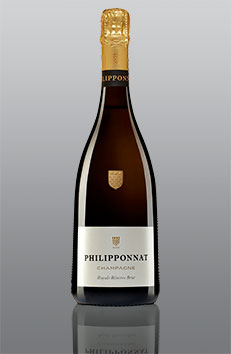
Philipponnat Brut Royal Reserve Champagne

NV Philipponnat Brut Royal Reserve Champagne
Click here for tasting notes.

Philipponnat Champagne

Philipponnat is one of Champagne’s most historically significant houses—famous among collectors, sommeliers, and serious Champagne lovers.

Philipponnat stands among the oldest winegrowing families in Champagne, with documented roots in 1522. The family originally served as suppliers to the royal courts and maintained vineyards throughout the Marne Valley.

The modern house was formally established in the early 20th century and rose to international prominence after 1935, when the family acquired one of Champagne’s greatest terroirs: Clos des Goisses, a steep, sun-drenched hillside in Mareuil-sur-Aÿ that would become the estate’s calling card.

Today, the house is owned by the Lanson-BCC group, but remains family-influenced, with Charles Philipponnat (a direct descendant) serving as Director—largely credited with elevating quality, transparency, and terroir focus.

Terroir and Viticulture

Philipponnat sources grapes primarily from ;Mareuil-sur-Aÿ (their home commune; premier cru); Aÿ, Avenay-Val-d’Or; Mutigny (Pinot Noir strongholds); and select Côte des Blancs parcels for Chardonnay. About 20–25% of production comes from estate-owned vineyards, unusually high for a mid-size Champagne house.

Signature Style

Philipponnat is known for their Pinot Noir–dominant blends. These wines feature richness and viscosity, and are often barrel-fermented. They use first-press juice only. No taille goes into their Champagnes.

Philipponnat Brut Royal Reserve  Champagne NV

This is Philipponnat’s flagship NV cuvée, composed of 65 to 70% Pinot Noir blended with Chardonnay and a bit of Pinot Meunier.

It is made in the traditional method: a second fermentation occurs in the bottle after the addition of the “liqueur de tirage” (natural fermenting agents and a small quantity of cane sugar). Wines from previous years are incorporated (up to 20%) to maintain the house style.

This wine features plenty of effervescence, so there is a caldron of those tiny bubbles in the glass. It features an appealing light honey color. It is quite dry, which allows the pleasant yeastiness to come through, with flavors of brioche and gentle toast. There are also hints of apple and citrus peel. The nicely balanced acidity lends structure, but leaves a hint of bitterness on the finish.

Although incorrectly used as a generic term for all sparkling wines, Champagne comes only from the Champagne region of France. Too often reserved for special occasions, sparklers deserve to be sampled more often. They make excellent aperitifs, and pair well with a wide range of foods; fish obviously (try them with sushi), spicy Thai dishes, and fruits and desserts, to name a few.

philipponnat.com/pages-en/wines

Back to blog posts: /winervana.com/blog/


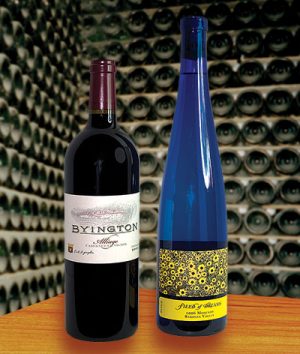
Byington Alliage Cabernet and Field of Dreams Moscato

Byington Alliage Cabernet and Field of Dreams MoscatoByington Winery

In this post, I’m reviewing two distinctly different wines: Byington Alliage Cabernet and Field of Dreams Moscato

Byington Alliage Cabernet Sauvignon 2002

This Sonoma Cabernet Sauvignon comes from an Iowa farm boy who amassed enough wealth as a northern California industrialist that he was able to realize his dream of becoming a winery owner.

Along with the primary grape, it features 11% Cabernet Franc and 9% Syrah, both of which enhance its structure. There is also a very slight sweetness reminiscent of cassis and raisins, as well as a hint of licorice. The lingering and pronounced tannins will appeal to some, while others will want to hold this wine in the cellar for three or four years to allow the tannins to soften. The inky density and good legs suggest such patience will be rewarded. Let this wine breathe for 30 minutes or so before pouring. Then, serve with mildly seasoned pork or chicken.

byington.wine/products/2014-byington-cabernet-sauvignon-alliage

Byington Field of Dreams Moscato 2006

Although made in the Italian Asti style, this Moscato actually comes from Australia’s Barossa Valley. It is one of the few varietals that, when turned to wine, tastes as fresh as the grape from which it is made.

Yes, it is sweet, but not cloying. And although there are tiny bubbles in the glass, there is no fizz. If you like Coke or Pepsi with dinner, you could pair it with the entree, but I’d save it for dessert, especially fresh fruit or delicate cookies.

With an alcohol content of only 8%, it would even be welcome at weekend brunch with waffles or pancakes, instead of the more traditional champagne.

Back to blog posts: winervana.com/blog/