
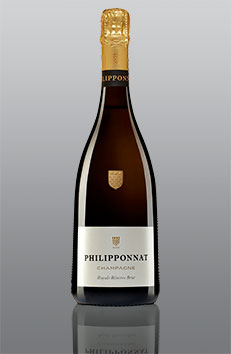
Philipponnat Champagne
Philipponnat is one of Champagne’s most historically significant houses—famous among collectors, sommeliers, and serious Champagne lovers.
Philipponnat stands among the oldest winegrowing families in Champagne, with documented roots in 1522. The family originally served as suppliers to the royal courts and maintained vineyards throughout the Marne Valley.
The modern house was formally established in the early 20th century and rose to international prominence after 1935, when the family acquired one of Champagne’s greatest terroirs: Clos des Goisses, a steep, sun-drenched hillside in Mareuil-sur-Aÿ that would become the estate’s calling card.
Today, the house is owned by the Lanson-BCC group, but remains family-influenced, with Charles Philipponnat (a direct descendant) serving as Director—largely credited with elevating quality, transparency, and terroir focus.
Terroir and Viticulture
Philipponnat sources grapes primarily from ;Mareuil-sur-Aÿ (their home commune; premier cru); Aÿ, Avenay-Val-d’Or; Mutigny (Pinot Noir strongholds); and select Côte des Blancs parcels for Chardonnay. About 20–25% of production comes from estate-owned vineyards, unusually high for a mid-size Champagne house.
Signature Style
Philipponnat is known for their Pinot Noir–dominant blends. These wines feature richness and viscosity, and are often barrel-fermented. They use first-press juice only. No taille goes into their Champagnes.
Philipponnat Brut Royal Reserve Champagne NV
This is Philipponnat’s flagship NV cuvée, composed of 65 to 70% Pinot Noir blended with Chardonnay and a bit of Pinot Meunier.
It is made in the traditional method: a second fermentation occurs in the bottle after the addition of the “liqueur de tirage” (natural fermenting agents and a small quantity of cane sugar). Wines from previous years are incorporated (up to 20%) to maintain the house style.
This wine features plenty of effervescence, so there is a caldron of those tiny bubbles in the glass. It features an appealing light honey color. It is quite dry, which allows the pleasant yeastiness to come through, with flavors of brioche and gentle toast. There are also hints of apple and citrus peel. The nicely balanced acidity lends structure, but leaves a hint of bitterness on the finish.
Although incorrectly used as a generic term for all sparkling wines, Champagne comes only from the Champagne region of France. Too often reserved for special occasions, sparklers deserve to be sampled more often. They make excellent aperitifs, and pair well with a wide range of foods; fish obviously (try them with sushi), spicy Thai dishes, and fruits and desserts, to name a few.
philipponnat.com/pages-en/wines
Back to blog posts: /winervana.com/blog/
Never thought of pairing Champagne with Thai, interesting thought. What’s the distinction between Champaign and sparkling wine?
True Champagne only comes from the Champagne region of France. Every other wine with bubbles (cava, prosecco, spumante, etc.) is a sparkling wine.