
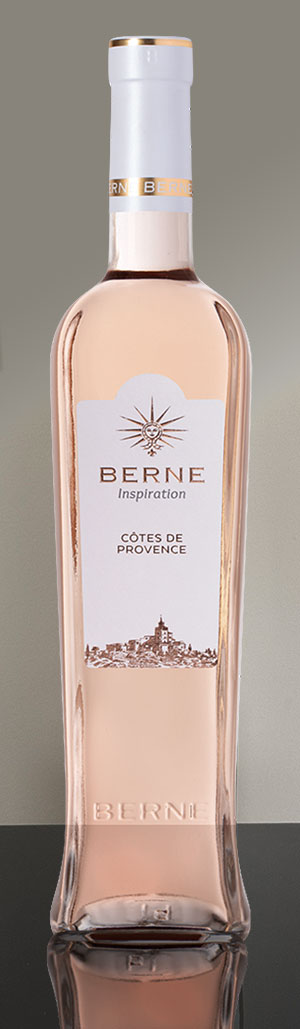
Berne Inspiration
Château de Berne, nestled in the heart of Provence near Flayosc, boasts a rich history that spans over two millennia, evolving from a Roman-era vineyard into a modern luxury estate renowned for its wines and hospitality.
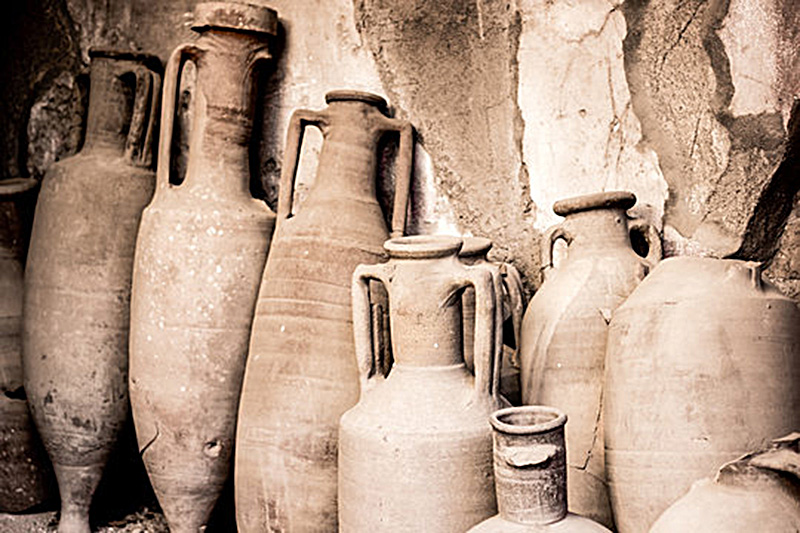
The estate’s viticultural roots trace back to Roman times. Situated along the Via Aurelia—a Roman road connecting Italy to Spain—Château de Berne was strategically positioned for wine trade. Archaeological discoveries, including an ancient oven used for crafting amphorae, tall earthenware jars with two handles and a narrow neck for storing wine, attest to the estate’s early involvement in winemaking and commerce.
In the 12th century, Count Raymond V of Toulouse gave the estate to Bernard of Clairvaux, the founder of the Cistercian Order. The Cistercians, known for their agricultural prowess, managed the estate until 1307, when it was confiscated by King Philip IV of France. Subsequently, the property came under the ownership of the noble Marquis de Villeneuve family, who maintained it for nearly five centuries.
The 19th century marked a renaissance for Château de Berne under Marius Estellon, a former frigate captain in the imperial army. Estellon expanded the estate, introduced new vineyards, and modernized viticultural practices. A patron of the arts, he also hosted grand events and produced on-site earthenware enhancing the estate’s cultural prominence.
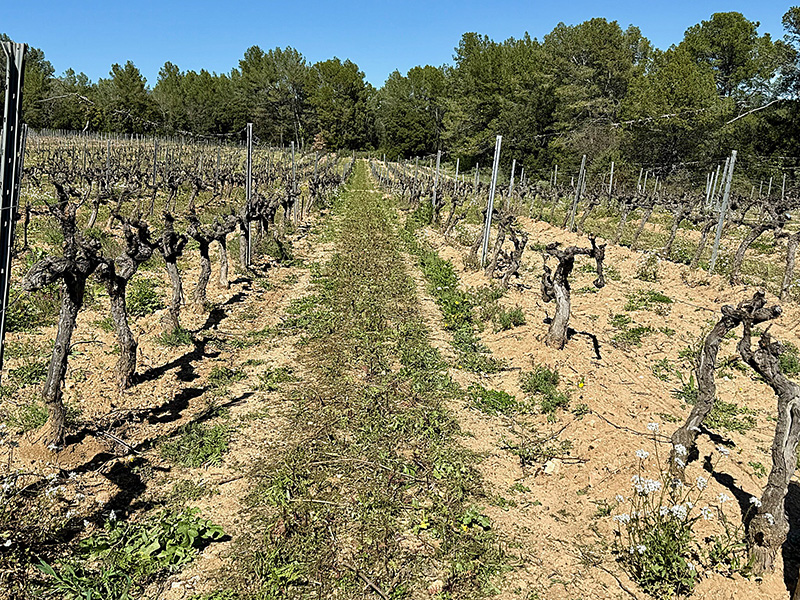
Throughout the 20th century, the estate changed hands multiple times, including Dr German from 1949 to 1960, then Mrs Smeets (CEO of the Jean Mineur advertising company) until 1985. The vineyard was then somewhat neglected until 1995, when an anonymous Englishman acquired Château de Berne, revitalizing the vineyards by replanting 79 acres [32 hectares] and modernizing the winemaking facilities. He also introduced a gravity-fed cellar system to enhance wine quality.
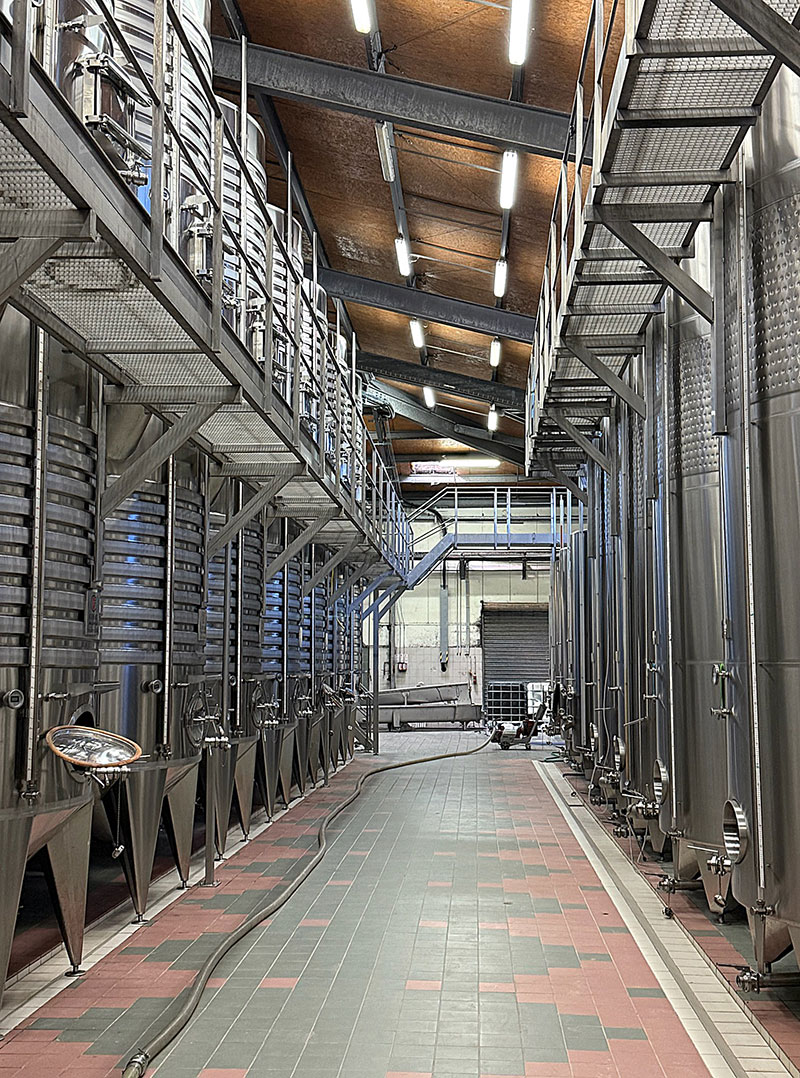
In 2007, another (also anonymous) British entrepreneur purchased the estate, further elevating its status. Under his guidance, Château de Berne introduced the first square-shaped wine bottles, a distinctive feature that is a patent-protected trade dress, and is an homage to the two 18th-century square towers at the entrance to the property. The estate now spans 1,483 acres [600 hectares], with 358 acres [145 hectares] dedicated to vineyards, and produces approximately 1 million bottles annually, focusing on rosé, red, and white wines. The estate cultivates a diverse array of grape varieties, including Grenache, Syrah, Cinsault, and Viognier, among others. The wines are celebrated for their balance, complexity, and reflection of the unique Provençal terroir.
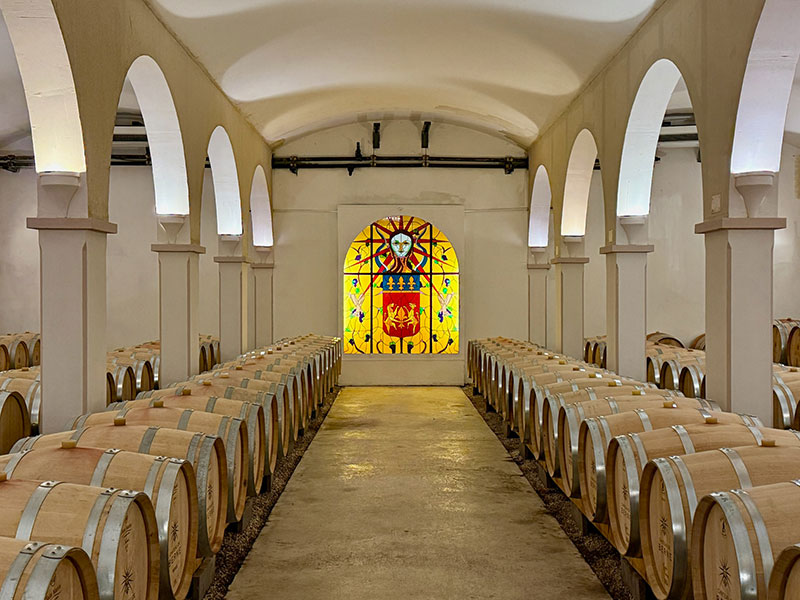
Château de Berne has also embraced sustainable practices, achieving organic certification for its vineyards in February 2021, and holding a Level 3 High Environmental Value (HVE) certification.
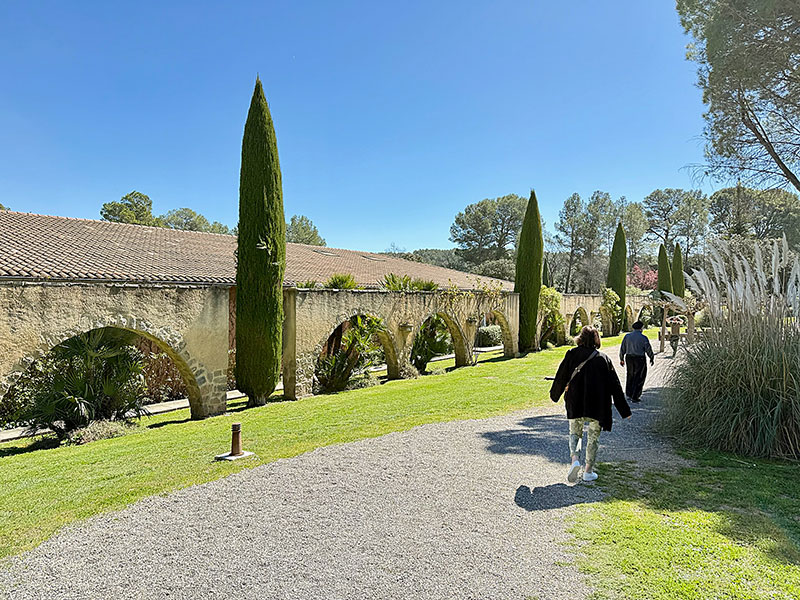
Today, Château de Berne is not only a renowned winery but also a luxurious retreat. The estate features a five-star Relais & Châteaux hotel with 27 rooms, a spa offering Cinq Mondes treatments, and two restaurants, including the Michelin-starred Le Jardin de Berne, which also holds a green star for sustainability.
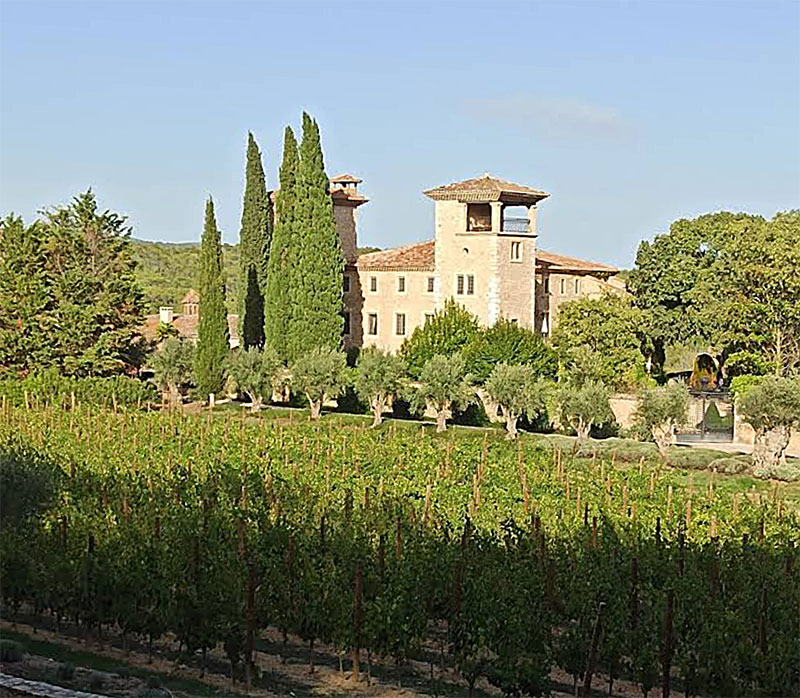
Guests can partake in wine tastings, explore hiking and biking trails across the expansive estate, and immerse themselves in the Provençal lifestyle amidst vineyards, olive groves, and scenic landscapes.
Chateau de Berne Inspiration 2024
Back to blog posts: winervana.com/blog/