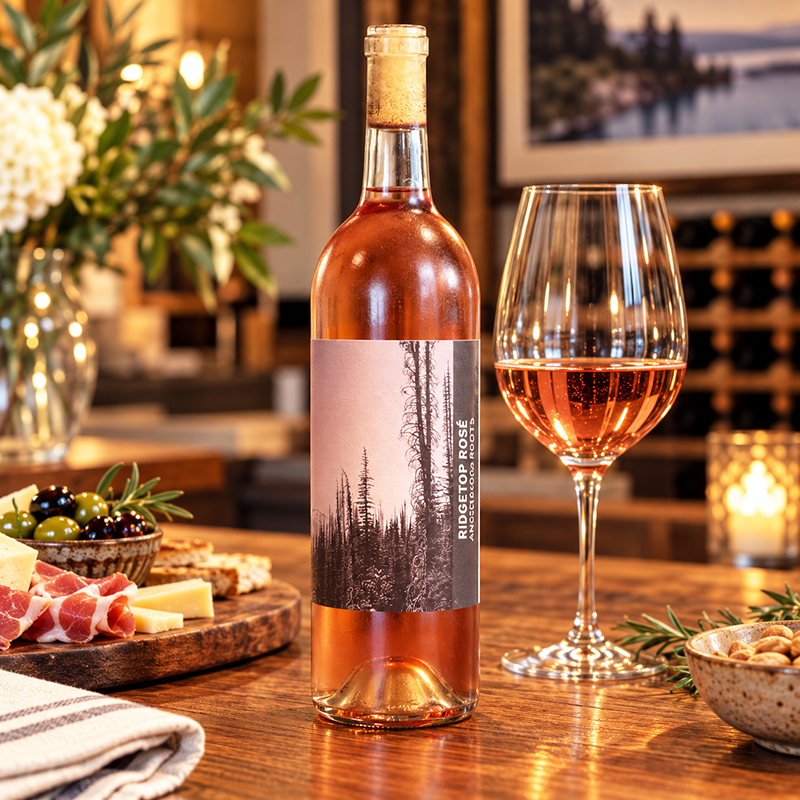
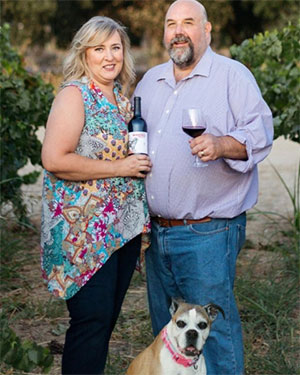
Eric and Amy Gale are the owners and sole full-time employees of Anchored Roots, in Door County, founded in 2020.
The couple make an ideal front-of-house/back-of-house duo. Amy grew up in Milwaukee, with hospitality at the forefront of her career path. Her initial focus was event planning, from non-profit fundraisers and catering, to corporate events and weddings. This was followed by experience in tasting room management at Airfield Estates in Prosser, Washington.
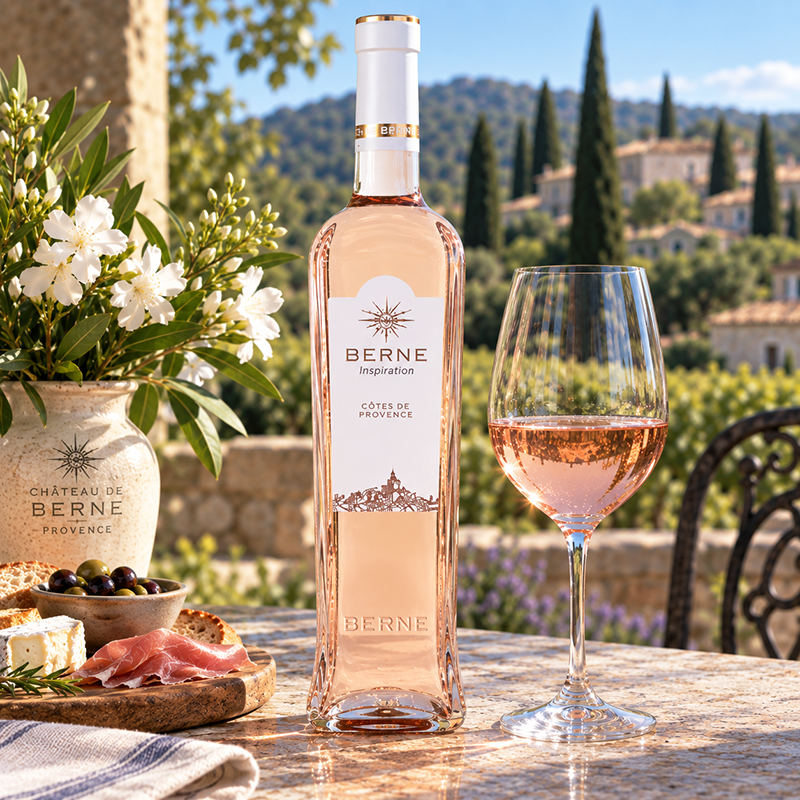
Château de Berne, nestled in the heart of Provence near Flayosc, boasts a rich history that spans over two millennia, evolving from a Roman-era vineyard into a modern luxury estate renowned for its wines and hospitality.
Sanford Winery Sta. Rita Hills Rosé of Pinot Noir 2018. Click here for tasting notes. I have posts on all of these wines. Just search for Sanford.
Sanford Winery Sta. Rita Hills Rosé of Pinot Noir 2018
Sanford, the first winery in Santa Barbara wine country, was established when the Sanford & Benedict vineyard was planted in 1971. Botanist Michael Benedict and his friend Richard Sanford were committed to finding a cool-climate location with just enough heat accumulation to ripen, but not over ripen, wine grapes. A place where they could plant and grow grapes and craft wines, where they hoped the quality might equal the best of Europe.
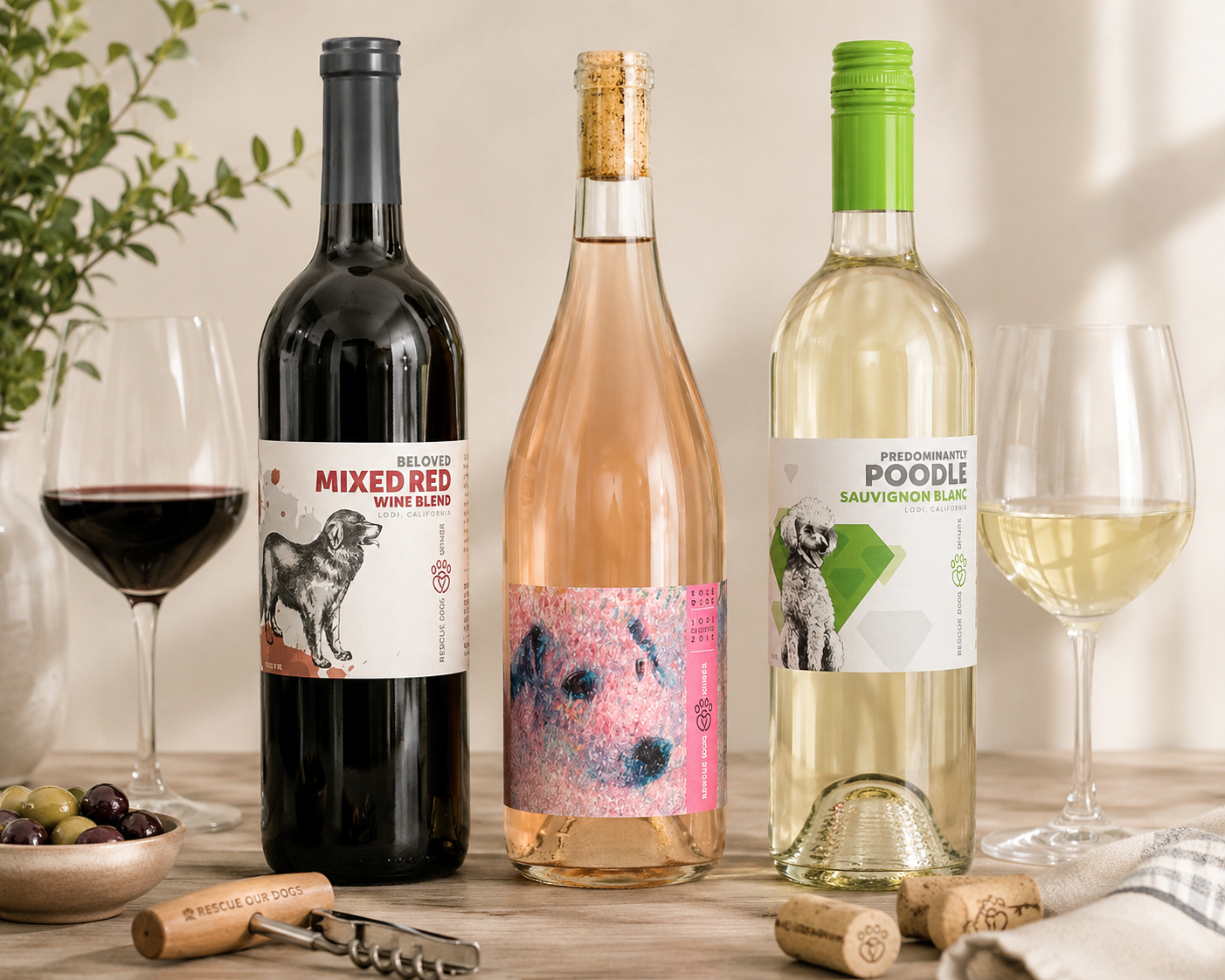
Founded in 2017 by Blair and Laura Lott, Rescue Dog Wines has an unusual and commendable mission: a generous 50% of their profits go to rescue dog organizations across the country. The Lotts explained that they started planning a new life in wine country around 2015. “We knew that we wanted to embrace sustainable growing practices and create a new, more rewarding lifestyle for ourselves. In addition, we knew that we wanted enough land to grow wine grapes and foster dogs. In addition, we knew that we wanted to create high quality, premium wines. During this period of exploration throughout many of California’s wine regions it dawned on us that we could combine our two passions and Rescue Dog Wines was born,” they reminisced. Continue reading “Rescue Dog Rosé”
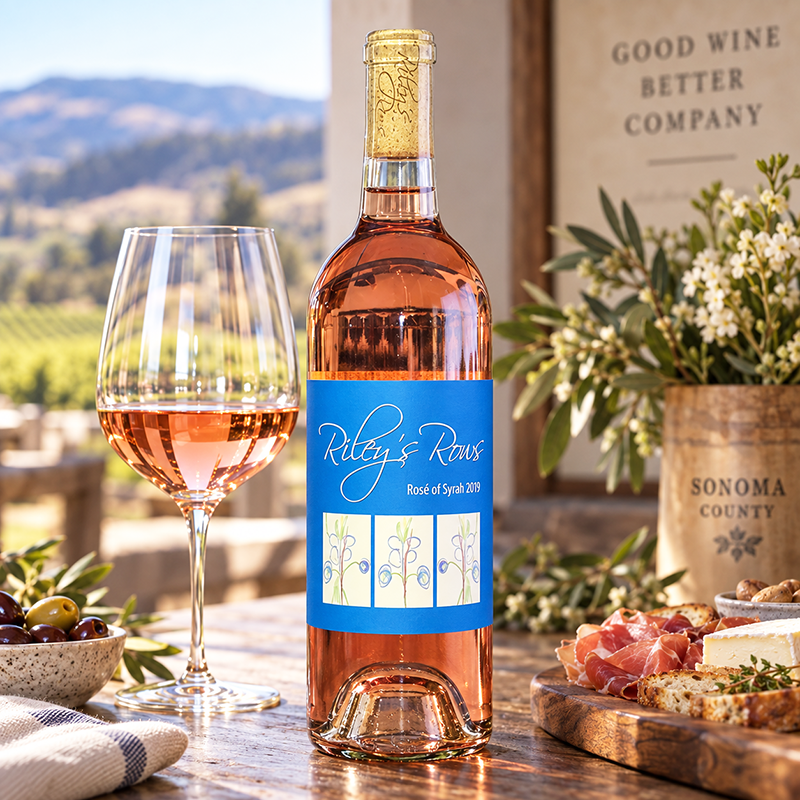
There’s an old witticism in the wine business that goes, “If you want to make a million dollars by producing wine, the first thing you need to do is spend a million dollars.” For a young and ambitious vintner to be able to skip that first step would be quite a blessing. Such is the case with Riley Flanagan. She is the eldest daughter of Eric Flanagan, a boutique winemaker and grape supplier in Sonoma, California. Through his Flanagan Wines operation, her father shares the tasting room, winemaking facility, and some of the fruit for his daughter’s own wine label. Continue reading “Riley’s Rows Rosé”
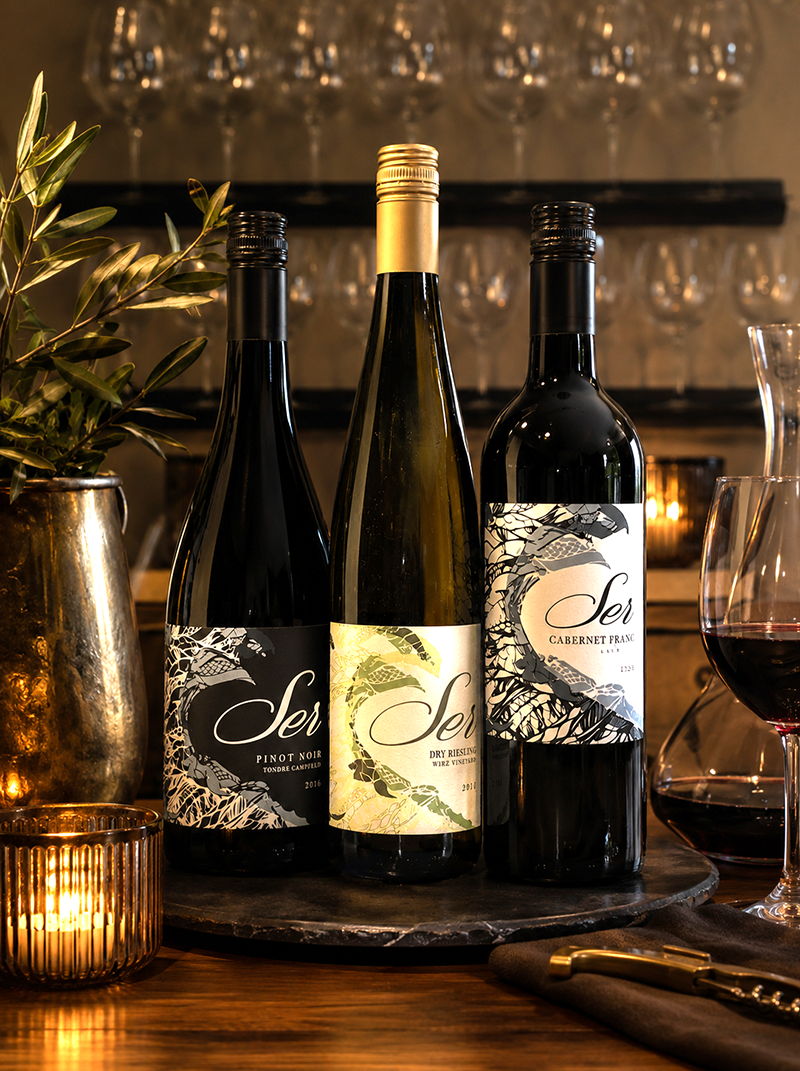
Ser Rosé of Grenache Loma Del Rio Vineyard 2020. Click here for tasting notes. I have posts on all of these wines. Just search for Ser.
Ser Rosé of Grenache Loma Del Rio Vineyard 2020
In the tradition-bound world of wine, winemaking has, predictably, been dominated by men. For example, there are about 4,800 wineries in California, but only 10 percent have female lead winemakers. (When it comes to winery ownership, the number does jump up to about 19 percent, according to Woman Owned Wineries, a nationwide directory of female wine entrepreneurs.)
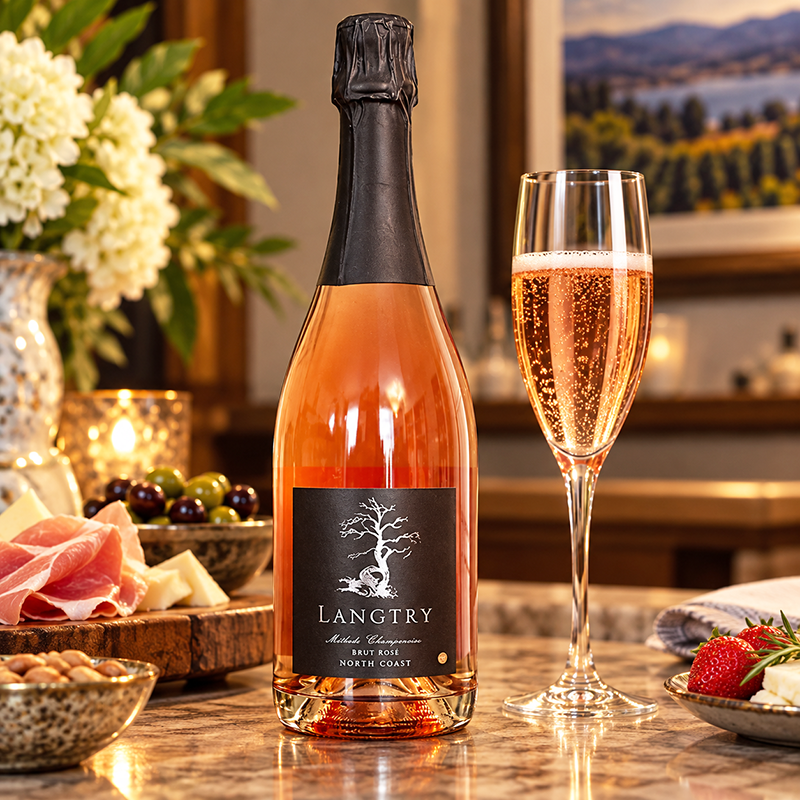
The Guenoc Valley in California is east of San Francisco, and just south of the far eastern edge of the East Bay. Situated in Lake County, grapes were planted there in 1854, and as soon as 1884 it hosted 600 acres under vine. Its fertile fields attracted a number of individuals who dabbled in wine to a greater or lesser extent, including the legendary actress Lillie Langtry.
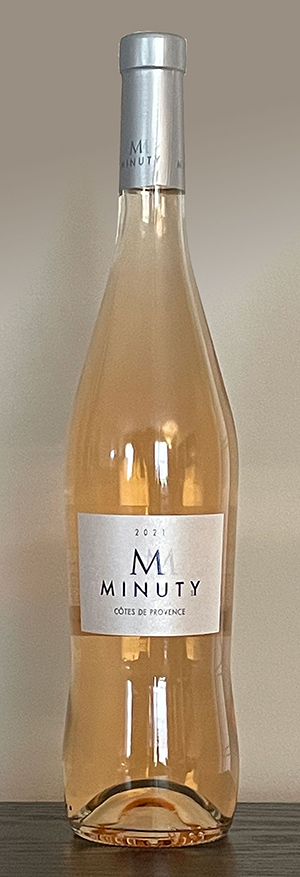
Provence in the south of France is the nation’s oldest wine-producing region, dating back more than 2,600 years. It is synonymous with rosé (90% of the region’s production), and one of the leading producers is Chateau Minuty.
Minuty began in the mid-1800s. The estate was originally built during the reign of Napoleon III, as was the small chapel that gave its name to the Cuvée de l’Oratoire, which was the house’s emblematic bottling for a long time.
Things really got going in 1936 when the 170 hectares [420 acres] property was acquired by Gabriel Farnet, whose family has owned and operated it ever since.
Farnet already owned Domaine de Châteauneuf in Vidauban, so he came with winemaking experience. (That physical château still exists, but the vines are long gone.) He began renovations by replanting the entire estate. The effort paid off; in 1955, Minuty was one of the 23 properties to be distinguished as a classified growth (Cru Classé) of the Côtes de Provence (or 14, or 18, or 19; accounts vary, oddly).
By 1960, the winery was being run by Monique Farnet, Gabriel’s daughter, and her husband Etienne Matton. They reintroduced the traditional Provençal grape varieties of Tibouren, Rolle, and Grenache, and began limiting yields while seeking a high quality of wine making.
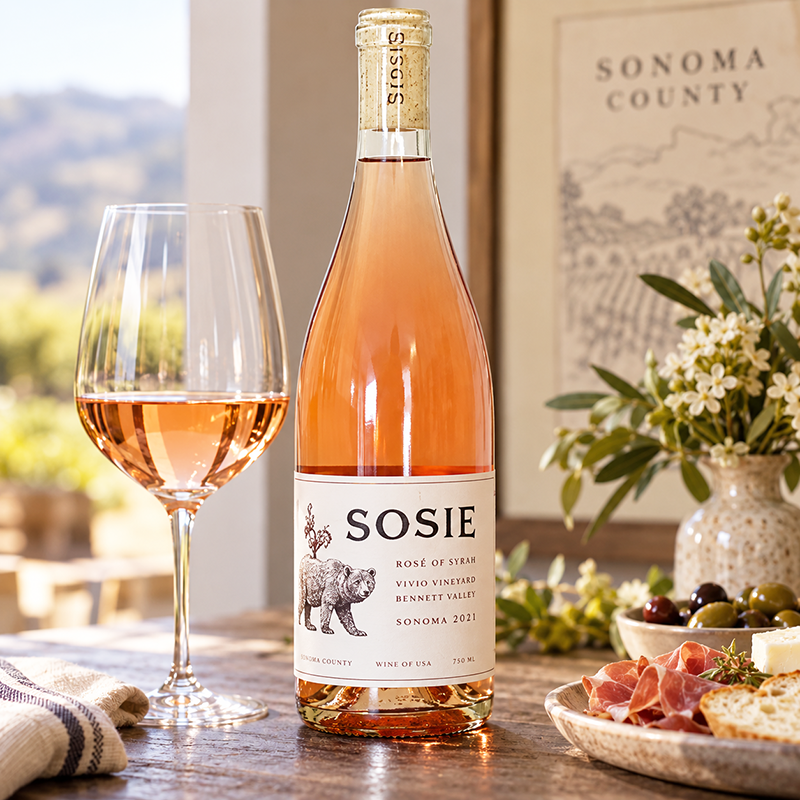
Sosie Rosé of Syrah Vivio Vineyard Bennett Valley Sonoma 2021
They say imitation is the sincerest form of flattery, and it’s a maxim Sosie Wines lives by. “Sosie” [so-zee] is French for twin or doppelganger, and as it says right on the bottle, “We are inspired by the wines of France. So we employ an Old World approach to wine growing that favors restraint over ripeness, finesse over flamboyance. Our aim is to craft wines that show a kinship with France’s benchmark regions. Wines that are their sosie.”
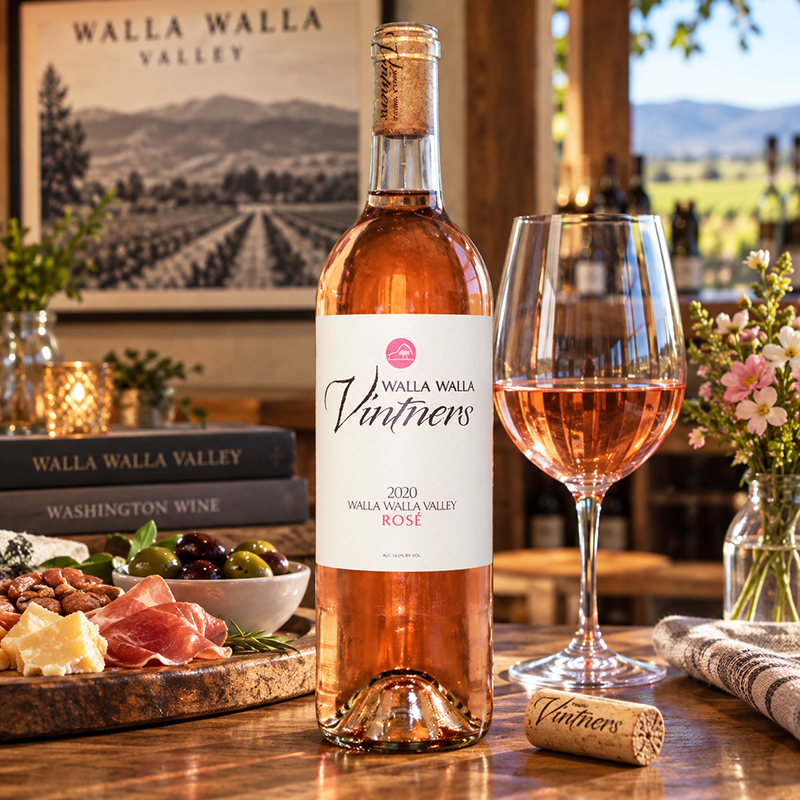
Walla Walla Vintners was founded in 1995 in the shadow of the Blue Mountains by pioneering winemakers Gordy Venneri and Myles Anderson, and was just the AVA‘s eighth winery. Even though there are now more than 140 wineries in Walla Walla Valley, in 2016, Walla Walla Vintners was named “Pacific Northwest Winery of the Year” by Wine Press Northwest.
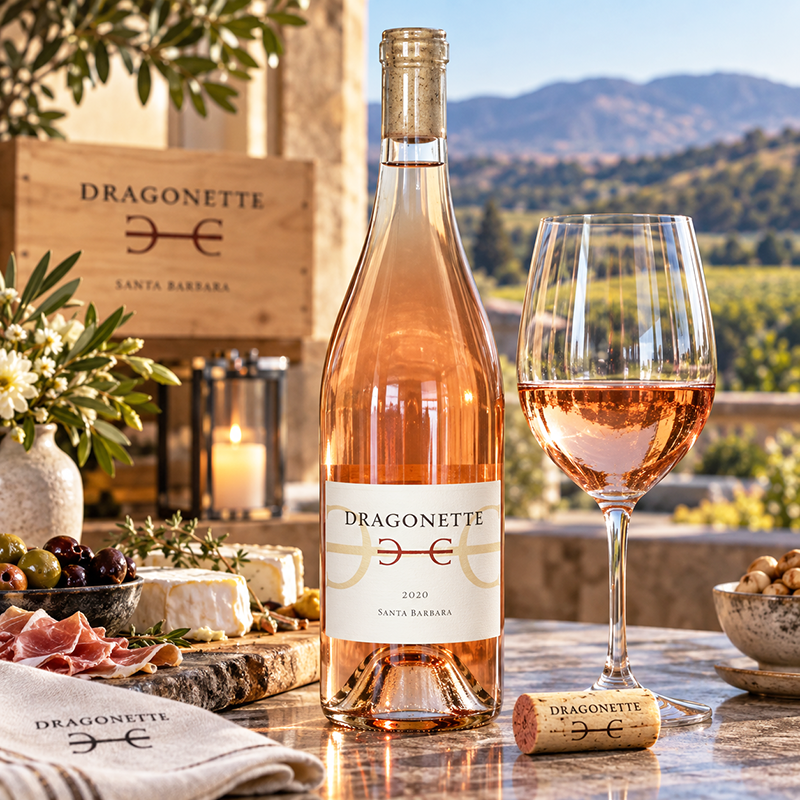
The brothers Dragonette (John, the elder, and Steve, the younger) and close friend Brandon Sparks-Gillis, after having met and worked together at Wally’s, a renowned wine shop in Los Angeles, founded Dragonette Cellars in 2005. They did so in the climatic and soil diversity of the wild, windy, and remote northern Santa Barbara County.
Founded in 2017 by Blair and Laura Lott, Rescue Dog Wines has an unusual and commendable mission: a generous 50% of their profits go to rescue dog organizations across the country. The Lotts explained that they started planning a new life in wine country around 2015. “We knew that we wanted to embrace sustainable growing practices and create a new, more rewarding lifestyle for ourselves. In addition, we knew that we wanted enough land to grow wine grapes and foster dogs. In addition, we knew that we wanted to create high quality, premium wines. During this period of exploration throughout many of California’s wine regions it dawned on us that we could combine our two passions and Rescue Dog Wines was born,” they reminisced. Continue reading “Rescue Dog Wines”
To say that the Taub family is an international wine and spirits powerhouse is, frankly, quite an understatement. It all started on December 6th, 1933, when Martin Taub and his brothers started making brandy in Jersey City. After World War II, Taub started a distributorship in New York because long-time clients Ernest and Julio Gallo needed a partner on the East Coast.
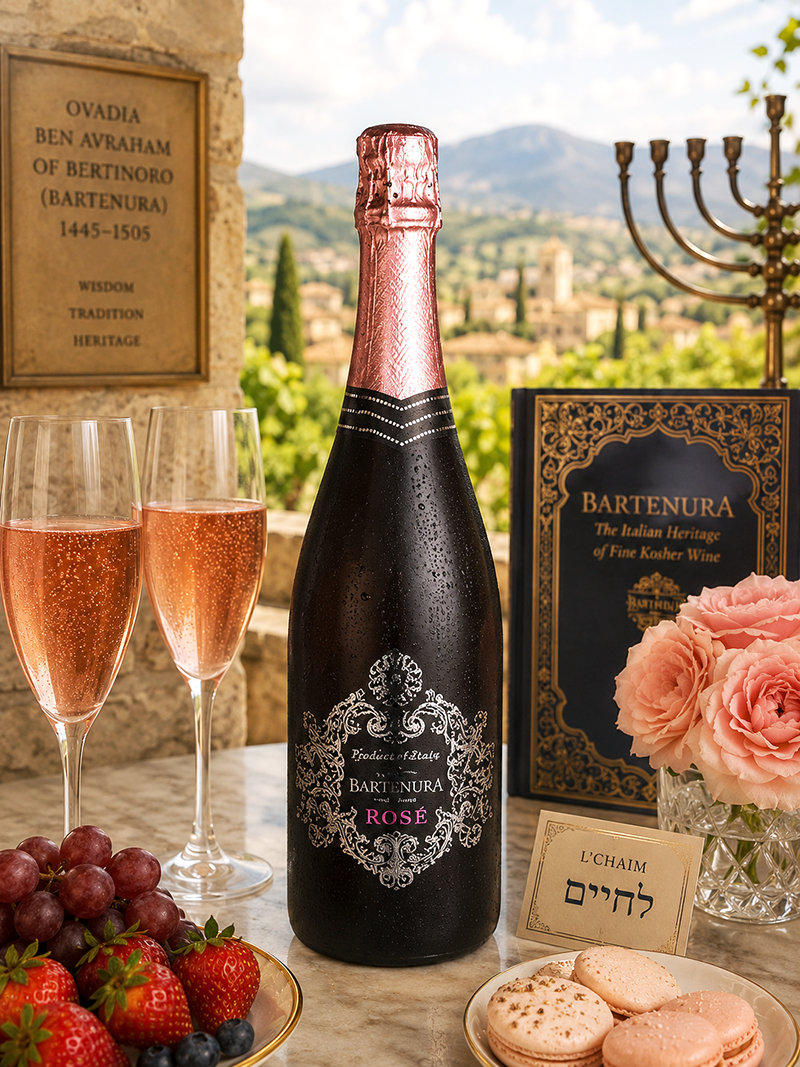
The name “Bartenura” comes from a 15th-century Italian rabbi, Ovadia ben Avraham of Bertinoro (known as “Bartenura”). Bartenura is considered the largest-selling kosher Italian wine brand, and one of the most successful line of kosher wines imported globally.
In 1895, Samuele Sebastiani left his native Tuscany for America. Eventually arriving in Sonoma, California, he worked hauling paving stones for a local quarry that were used to build the streets of San Francisco. Perhaps looking for less demanding work, in 1904 he purchased winemaking equipment and made his first 500 gallons of wine. Just five years later, he had enough financial success to purchase the Sonoma Mission vineyard (planted in 1825 for sacramental wines), the site the Sebastiani winery occupies to this day.