
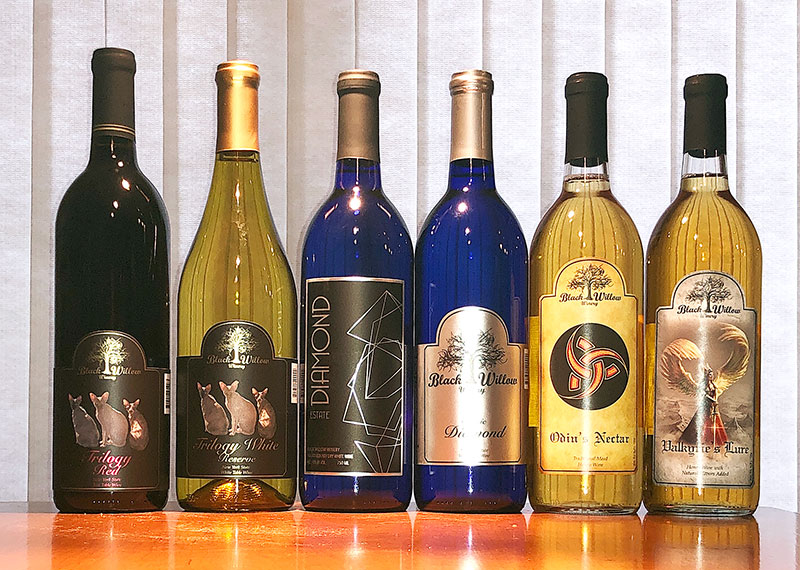
Black Willow Estate Diamond
Just about everyone knows about the world-famous Niagara Falls, of course, but the area is home to some increasingly serious winemakers as well, on both the Canadian and U.S. sides of the border.
New York State’s commercial wine industry began when its first bonded winery, Pleasant Valley Wine Company, was founded in Hammondsport in 1860, and the state now ranks third in grape production by volume after California and Washington. But 83% of New York’s grape output is Vitis labrusca varieties, mostly Concord, that find their way into grape juice, jams, jellies, and wines such as, ahem, Manischewitz. The rest is split almost equally between Vitis vinifera (the broad vine species that produces 99% of the world’s wines) and select French hybrids.
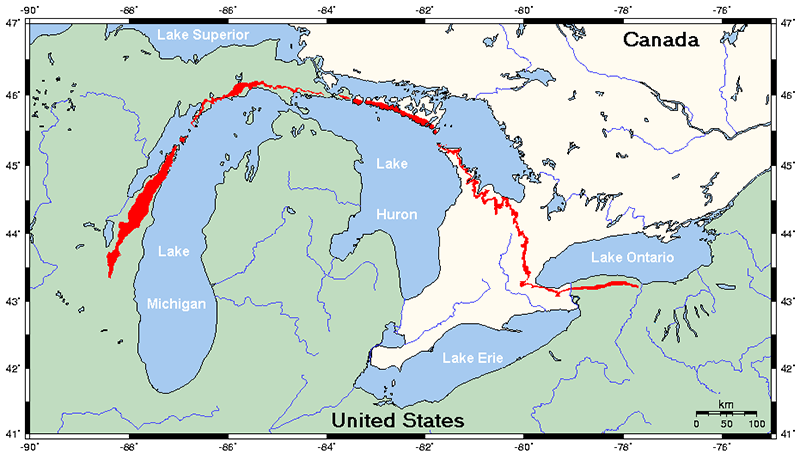
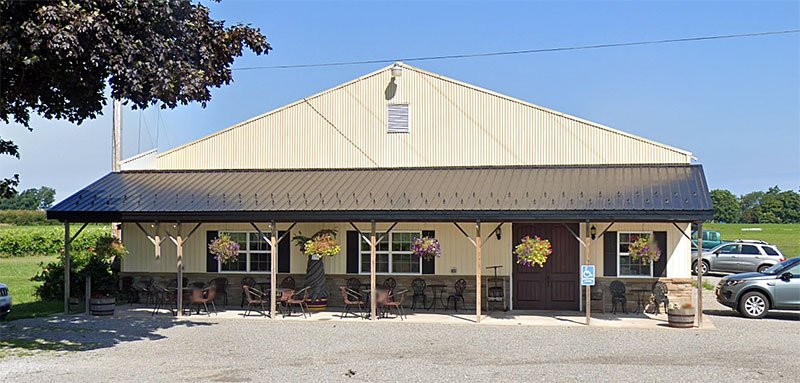
Black Willow Winery is located on the south shore of Lake Ontario in Burt, New York, a part of the Niagara Wine Trail and in the Niagara Escarpment AVA. Because of its northern location, at first glance this region hardly seems suited to quality winemaking. However, the climate is moderated by lake effect* from Lake Ontario. Also, the Niagara Escarpment, an approximately 600-foot-high ridge that runs from east to west through the Great Lakes, retards winds coming off the lake. This makes for good air circulation and helps protect the local vineyards from frost and disease. (The escarpment is most famous as the cliff over which the Niagara River plunges at Niagara Falls.)
The Black Willow property is comprised of 43 acres, with soil and drainage well-suited to growing grapes. It was founded by Michael D. Chamberlain and winemaker Cynthia West-Chamberlain in 2010. West-Chaimberlain received her Enology Degree from VESTA, the Viticulture Enology Science and Technology Alliance. It is a National Science Foundation funded partnership between the Missouri State University system, two-year schools throughout the Midwest, state agriculture agencies, vineyards, and wineries, with a 21st century vision for education in grape growing and winemaking.
x
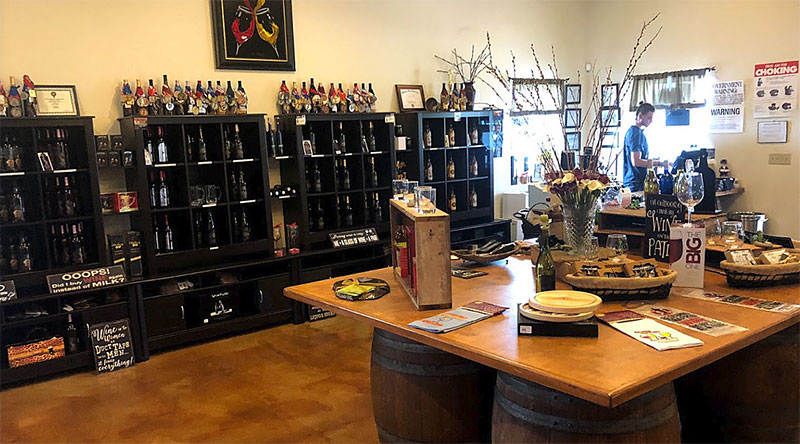
Black Willow’s estate vineyard is planted with Diamond grapes, which are a cross between Concord and Iona, both native American varieties, developed in the 1880s in New York. The winery currently sources other grapes from vineyards across Niagara, Erie, and Seneca. At this time, Black Willow produces 17 different wines, including two meads.
Black Willow Estate Diamond NV
The winery characterizes this white wine as “unique,” and indeed it is. Very pale straw-colored in the glass, it is made from 100% Diamond grapes. This wine starts with scents of Granny Smith apples, nectarines, and papayas. These continue on the palate with the addition of canned pineapple, backed up with a zing of lemon. It qualifies as dry, but I’d say it’s right on the edge of that; the acidity saves it from being pushed over. 11% ABV, and 500 cases were made.
*As the spring growing season begins, the lake’s cooling effect retards the vines from budding until the spring frost season is over. The lake stores daytime heat as the growing season continues. The effect of the warming water lessens the variation between day and night temperatures, which can lengthen the growing season by as much as four weeks. As summer draws to an end, the stored warmth of the lake water delays frost that might damage the vines or fruit in the early fall. In winter, the lake also causes heavy, moist snowfall, which blankets the vineyards, insulating and protecting the vines from the frigid air.
Back to blog posts: winervana.com/blog/