In 1978 Gary and Nancy Andrus founded Pine Ridge Vineyards on roughly 50 acres in Napa’s famous Stags Leap District, planting Cabernet Sauvignon on steep, terraced hillsides set among pine‑lined ridges. Tom Cottrell became the first winemaker.
Inspired by the wines of Bordeaux, the Andrus’ aimed to craft powerful yet elegant red wines—thus beginning Pine Ridge’s signature style.
Over time, the estate expanded to around 160 acres across five premier AVAs: Stags Leap District, Howell Mountain, Oakville, Rutherford, and Carneros.
They diversified their portfolio beyond Cabernet, including Merlot, Petite Verdot, Chardonnay, and a distinctive Rhône‑style Chenin Blanc + Viognier blend.
In 1993 Andrus expanded into Oregon, founding Archery Summit.
Today, the winery is owned by Crimson Wine Group, which purchased it in 2000. Nine years later, Gary Andrus passed away.
Josh Widaman
Josh Widaman is currently the estate winemaker. Widaman has produced 90+ ratings on over 90% of all wines made in his career, including Wine Spectator’s #1 Wine of the Year in 2016 with Lewis Cellars.
“My path to winemaking started with a wine that left a lasting impression [a 1997 Pahlmeyer Merlot] that I use as inspiration in every wine I create,” Widaman emphasizes.
Disclaimer: I’ve been a member of the Clos Pegase wine club for years, so this post is hardly impartial.
Clos Pegase Blanc de Noir
Clos Pegase was founded by Jan Shrem in 1983 on a 50-acre vineyard near Calistoga in Napa Valley. He was born in Colombia in 1930 to Jewish-Lebanese parents, and spent his childhood in Jerusalem and his early adolescence back in Colombia. After he arrived in the United States at age 16, he attended the University of Utah and UCLA. While in college, he sold encyclopedias.
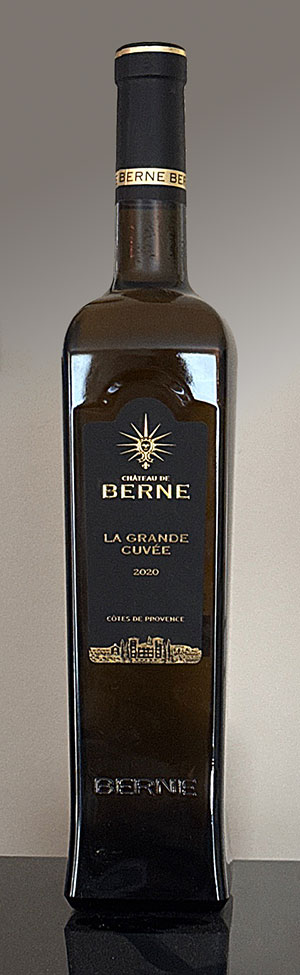
Château de Berne, nestled in the heart of Provence near Flayosc, boasts a rich history that spans over two millennia, evolving from a Roman-era vineyard into a modern luxury estate renowned for its wines and hospitality.
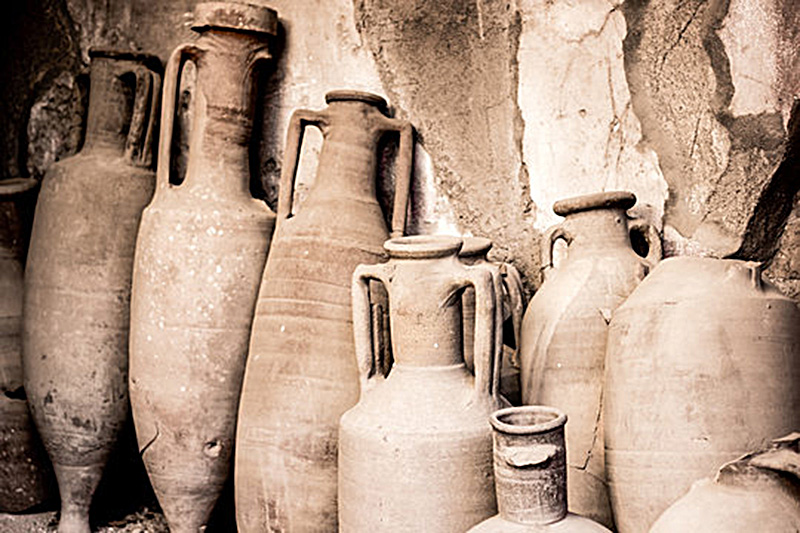
The estate’s viticultural roots trace back to Roman times. Situated along the Via Aurelia—a Roman road connecting Italy to Spain—Château de Berne was strategically positioned for wine trade. Archaeological discoveries, including an ancient oven used for crafting amphorae, tall earthenware jars with two handles and a narrow neck for storing wine, attest to the estate’s early involvement in winemaking and commerce.
Amphorae. Photo: Anthromedia.com
In the 12th century, Count Raymond V of Toulouse gave the estate to Bernard of Clairvaux, the founder of the Cistercian Order. The Cistercians, known for their agricultural prowess, managed the estate until 1307, when it was confiscated by King Philip IV of France. Subsequently, the property came under the ownership of the noble Marquis de Villeneuve family, who maintained it for nearly five centuries.
The 19th century marked a renaissance for Château de Berne under Marius Estellon, a former frigate captain in the imperial army. Estellon expanded the estate, introduced new vineyards, and modernized viticultural practices. A patron of the arts, he also hosted grand events and produced on-site earthenware enhancing the estate’s cultural prominence. Continue reading “Chateau de Berne La Grande Cuvee Blanc 2020”
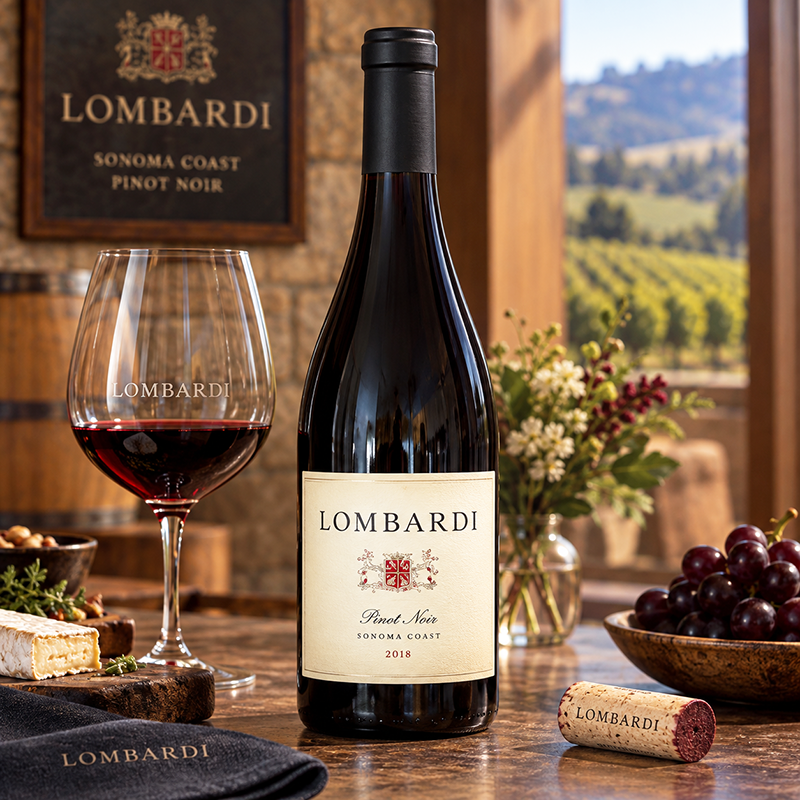
Tony Lombardi was born into a family of small business owners, and grew up in Sonoma County. His first job in the wine business came in 1998 when he joined the hospitality team at Clos Du Bois Winery, located in Geyserville, California.
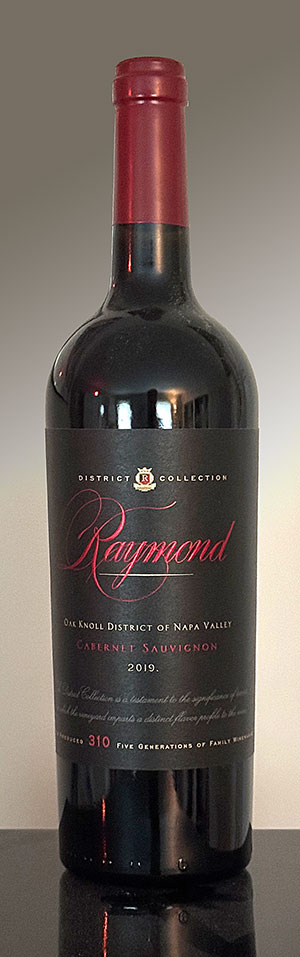
Raymond Oak Knoll District Cabernet Sauvignon 2019
The Raymond name has been associated with Napa valley since the year Prohibition ended. The Raymond family arrived in Napa Valley in 1933. Roy Raymond married into the Beringer family in 1936. He worked as winemaker for Beringer from 1933 to 1970. The following year, he and his two sons Walter and Roy Jr set out on their own with a 90-acre estate property in Rutherford. They released their first commercial wine under the Raymond Vineyards label in 1974. The estate now comprises 300 acres in Rutherford, St. Helena, and Jameson Canyon. All are are certified organic and biodynamic. The winery is also operated on 100% solar power.
The Search For The World’s Finest Glass of Bubbly – The Glass of Bubbly Awards 2025
In just a few months time, international wine judges will gather together in London with one common goal, to discover The World’s Finest Glass of Bubbly for 2025.
Entries will be sent in from all over the world, both new and old, traditional, charmat and unique, canned and bottled, with and without alcohol, any bubbly could win. On top of Gold, Silver & Bronze medals, there are 21 Trophies to be awarded, including the much-loved, consumer-friendly Category Trophies; the ever more important Sustainability Trophy in Partnership with Slow Food UK; and of course, the best of them all, The World’s Finest Glass of Bubbly Trophy, in partnership with Carynx.
This year, there is an incredible vast array of 2025 Award Partners who we’ve enlisted to help search for the World’s Finest Glass of Bubbly for 2025, including a Sommelier School, Wine Shops, PR Agencies, International Wine Journalists and more.
Champagne Collectors
Clerissa – Wine Consultancy + PR Agency
Sommelier School
Museum Wines
Branding 4 Wine
Grape Experiences
The World’s First True Vinosopher
Winervana
EcoSIP
The Online Wine Tasting Club
Champagneplz.com
Harrington Blue & Partners/Harrington Verve
Wine Desinfluencer
Gleam Connections
Wharf Distillery
Wine Lovers Italy
The Northern Wine Guy
WineHo
Between the Wines
Kikico
Anne-Wies.NL
Badagoni
Drinks Journey
If you’d like to enter any of your sparkling wines into the Glass of Bubbly Awards this year, click here on the Awards Page and fill out the entry form. Entries are open from now until the 31 August 2025.
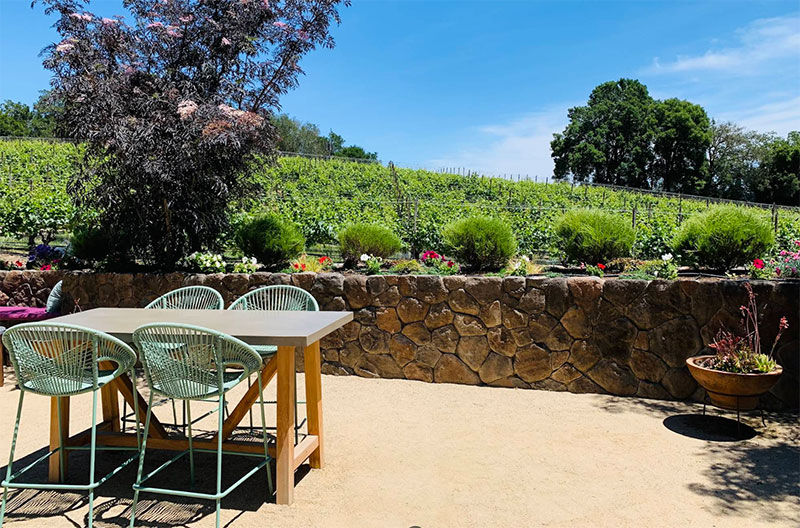
Merry Edwards Winery, founded in 1997, is a well-known producer in California’s Russian River Valley. The winery was established by Merry Edwards, one of California’s first female winemakers. She began her winemaking career in 1970 with her amateur label, Merry Vintners, while pursuing a degree in physiology at UC Berkeley. She later earned a master’s degree in food science with an emphasis in enology from UC Davis. During her time there, she conducted groundbreaking research on lead contamination in wine, leading to the industry’s move away from lead-based capsules.
In 1974, Edwards became the winemaker at Mount Eden Vineyards. There, she curated Pinot Noir cuttings that were later propagated as UCD clone 37, also known as the “Merry Edwards selection,” which became widely planted in California.
By 1977, she was the founding winemaker at Matanzas Creek Winery in Sonoma County, where she further honed her expertise in Pinot Noir and Chardonnay. Her commitment to clonal research and site-specific viticulture helped elevate the reputation of Russian River Valley wines.
Photo: Lisa K.
The founding of the Merry Edwards label
She launched her own label in 1997, alongside her husband, Ken Coopersmith. The flagship Meredith Estate Vineyard was planted in 1998, followed by Klopp Ranch in 1999, the Coopersmith Vineyard in 2001. Georganne Vineyard in 2006, Richaven Vineyard in 2012, and finally Warren’s Hill Vineyard in 2015. The winery’s first release was a 2,250-case bottling of Russian River Valley Pinot Noir, marking its first single-vineyard offering.
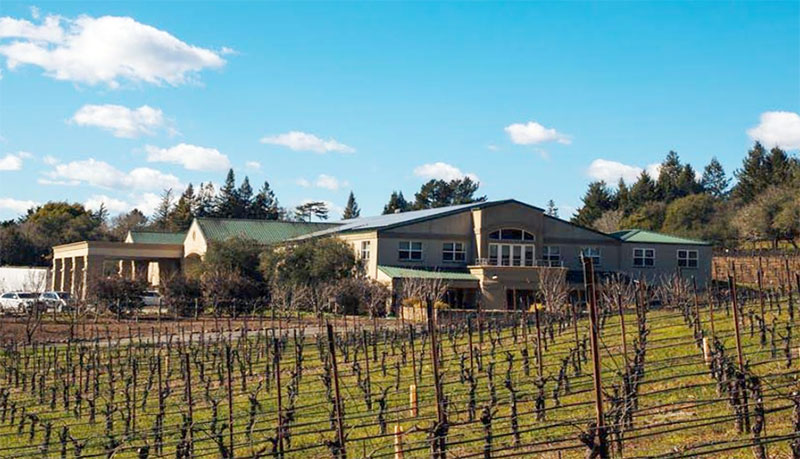
In 2006-2007, a state-of-the-art winery and tasting room were constructed on the Coopersmith property, solidifying the winery’s presence in Sebastopol, California. In 2018, Edwards appointed Heidi von der Mehden as her successor, marking the first time another winemaker held that position at the winery. Von der Mehden, a Sonoma County native with a background in chemistry and winemaking, had worked closely with Edwards since 2015.
Sale of the winery to Roederer
The following year, in 2019, Merry Edwards Winery, including the brand, inventory, winery, tasting room, and 79 acres of vineyards, was acquired by Louis Roederer Champagne House (one of my favorites). This French producer is known for its commitment to quality. Roederer also has a large California operation named Roederer Estate. Edwards remained involved during the transition, ensuring the winery’s values and standards were upheld.
Under von der Mehden’s leadership following Edward’s retirement in 2020, the winery has embraced sustainable practices, including organic farming at the Meredith Estate Vineyard. Innovations such as the introduction of a sparkling wine, the 2017 Merry Edwards Cuvee Eclipse, showcase the winery’s dedication to excellence and adaptation in the face of climate challenges.
Today, Merry Edwards Winery is a Certified California Sustainable Winery, producing a range of wines including Pinot Noir, Chardonnay, Sauvignon Blanc, and Late Harvest Sauvignon Blanc, with a focus on single-vineyard expressions from the Russian River Valley and Sonoma Coast.
Merry Edwards’ legacy
Merry Edwards’ contributions to the wine industry have been widely recognized. She was inducted into the Vintners Hall of Fame in 2013, joining a select group of women honored for their impact on winemaking. Her advocacy for women in the industry and her commitment to quality have left an indelible mark on American viticulture.
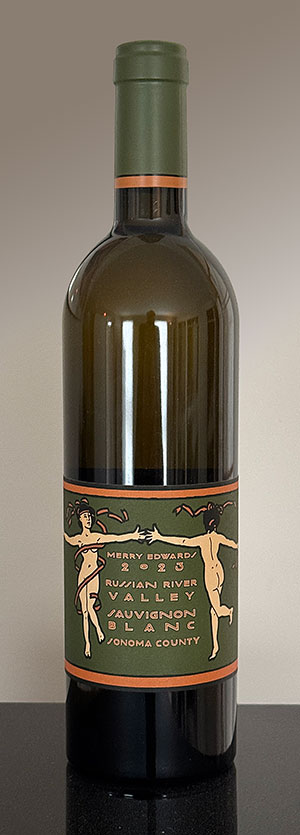
Merry Edwards Sauvignon Blanc 2023
First introduced in 2001, this wine presents as a very pale yellow in the glass. The nose features delicate citrus notes, with subtle hints of lemon curd and lime zest. On the palate, it is an intense classic Sauvignon Blanc, dominated by ruby red grapefruit, along with honeysuckle, ripe melon, and just a little bit of grassiness. These are followed by a burst of crisp, refreshing acidity. The ABV is 14%.
Beau Vigne Signature Series Cabernet Sauvignon 2019
Beau Vigne, pronounced “bo-veenya” and meaning “beautiful vineyard” in French, is a boutique winery located in Napa Valley, California. Founded in 1999 by Napa native Ed Snider and his wife Trish, with its first vintage release in 2002, the winery has established a reputation for producing exceptional wines, particularly Cabernet Sauvignon.
Eric and Amy Gale are the owners and sole full-time employees of Anchored Roots, Door County, Wisconsin’s newest winery, founded in 2020.
The couple make an ideal front-of-house/back-of-house duo. Amy grew up in Milwaukee, with hospitality at the forefront of her career path. Her initial focus was event planning, from non-profit fundraisers and catering, to corporate events and weddings. This was followed by experience in tasting room management at Airfield Estates in Prosser, Washington.
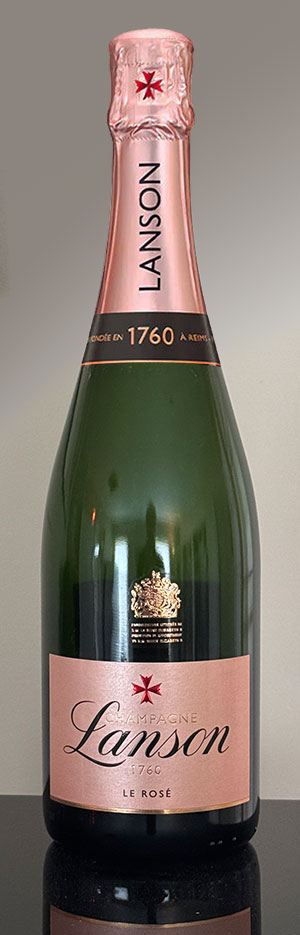
Lanson Le Rosé is a signature rosé Champagne from Maison Lanson, one of the oldest Champagne houses in France. Lanson’s tradition of crafting high-quality rosé Champagne dates back over a century, making it one of the pioneers in this category.
Lanson was founded in 1760 in Reims, France, by François Delamotte, making it the sixth oldest Champagne house, initially operating under the name Maison Delamotte.
In 1798, Nicolas-Louis Delamotte, son of François, took over and partnered with Jean-Baptiste Lanson, a friend of the family.
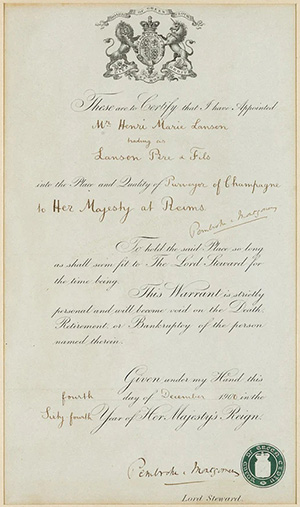
In 1837, the company was renamed Lanson, Père et Fils to honor Jean-Baptiste Lanson’s contribution. That same year, Maison Lanson adopted the Maltese Cross as its emblem, in tribute to the son of the house’s founder, a member of the Hospitaller Order of Malta.
The Royal Warrant
The first Lanson Rosé was created in 1833. On December 4, 1900, Maison Lanson received the Royal Warrant from Queen Victoria, the prestigious patent awarded by the British monarch to suppliers to the Royal Court of England. Lanson was one of the first Champagne houses to be awarded this distinction, and continues to hold it today. The house maintains a strong focus on traditional methods, avoiding malolactic fermentation, which preserves the Champagne’s fresh and crisp style.
Lanson was also the first Champagne house to introduce the concept of “brut” Champagne, a drier style of sparkling wine.
The brand survived World Wars I and II, despite challenges such as vineyard destruction and economic downturns.
In 1972, Lanson introduced its prestigious “Noble Cuvée”, a high-end vintage Champagne. Throughout the 1980s and 1990s, Lanson continued its global expansion, particularly in the United States and Asia. In 1990, Lanson was acquired by the Groupe Marne et Champagne. In 1996, the brand was sold to Boizel Chanoine Champagne Group (BCC), now known as Lanson-BCC Group, which revitalized the house while maintaining its heritage. Continue reading “Lanson Le Rosé NV Champagne”
Nestled along the Via Emilia, a historic trade route that winds through the heart of Emilia-Romagna, the Medici family’s journey into winemaking began in 1890. Remigio Medici, a successful tavern owner, was determined to make the most of the family’s vineyards, which stretched from the Via Emilia to the foothills of the Enza valley. What started as a small winery soon became a thriving family business.
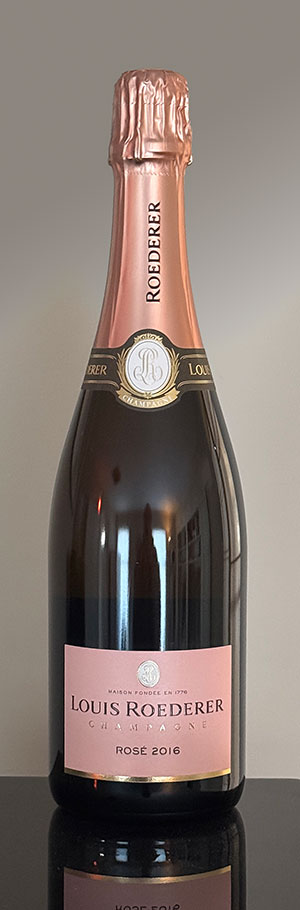
Louis Roederer [Road-ur-ur], a distinguished champagne producer situated in Reims, France, traces its origins back to 1776, when it began as Dubois Père & Fils. While its early days were marked by still wine production, the focus soon evolved to embrace the art of crafting fine champagnes. The business underwent a transformation under the stewardship of Louis Roederer in 1833 when he not only inherited but also renamed the company for himself. He boldly ventured into international markets, focusing particularly on Russia. This endeavor gained him immense recognition, including from Tsar Nicolas II, who appointed Louis Roederer as the official wine provider to the Imperial Court of Russia.
Created in 1876, the wine made for Nicolas’ grandfather, Alexander II, was the first Cuvée de Prestige (Prestige Cuvée) of Champagne and is called Cristal, referring to the unusual clear glass of the bottle. The Tsar had pointed out to his sommelier that the design of a standard champagne bottle made the beautiful color and effervescence of champagne invisible to the eye. He therefore instructed Roederer that his personal cuvée be served in bottles made of transparent crystal glass with a flat bottom (allegedly to foil the insertion of explosives in the indentation by would-be assassins) to remedy this defect. Thus was Cristal born, and the first notion of a premium cuvée. For more than a century, the appearance of the patented Cristal bottle has remained unchanged. After the fall of the Russian monarchy in 1917, Roederer decided to continue producing Cristal and to market it internationally, and it remains one of the world’s most sought-after champagnes in the world.
Chuck Hope and his wife Marlyn came to Paso Robles in California’s Central Coast in 1978 to farm, and eventually to start what would become Hope Family Wines. This early arrival put them on the forefront of the Central Coast becoming a world-class viticultural region. Initially, the Hopes planted apples and grapes in this then sparsely-populated area. Seeing the property’s potential for grape growing, Hope eventually replanted the apple orchards with grapes.
Texas isn’t the first place that comes to mind when most people think about wine, especially “serious” high-quality wine. And yet, Texas is fifth in the nation in both wine production and consumption. The history of grape growing in the state goes back at least to the 1660s, when Franciscan monks planted Mission grapes adjacent to their missions.* Today, Texas is home to a number of American Viticultural Areas, or AVAs; the two most prominent are the Texas High Plains AVA around Lubbock in northwestern Texas, and the Texas Hill Country AVA in central Texas west of Austin.
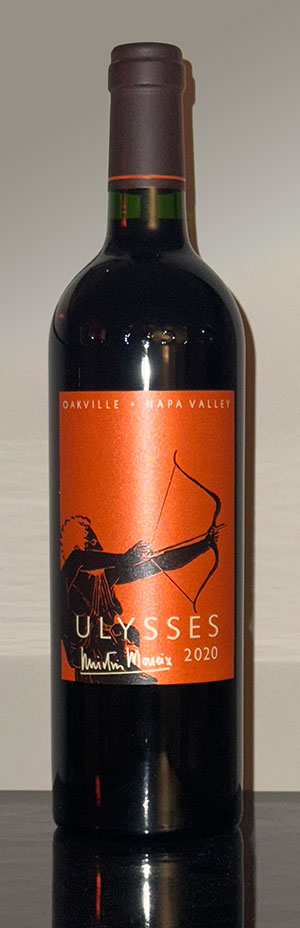
Charles Hopper first planted what is now known as the Missouri Hopper Vineyard (named for his daughter rather than the state) in 1873 in what is now Oakville, California. The parcel for this vineyard was purchased from George Yount. Now owned by the Beckstoffer family, a part of the original Missouri Hopper vineyard is used to produce Ulysses, a wine from Christian Moueix, a French wine maker famous for Petrus in France and Dominus in the U.S., as well as several other top wines from the region today.
Christian Moueix is one of the few winemakers to produce classic wines in both the old and new worlds, and he is also one of the most well-known. The son of Jean-Pierre Moueix, a Bordeaux wine merchant, he was born in Libourne, France in 1946. After completing his agricultural engineering studies in Paris and graduate studies in viticulture and enology at the University of California at Davis in 1968-69, he joined his father’s company in 1970 to manage the family vineyards, and in 1991 became its president. He oversaw the legendary Chateau Petrus for 38 years, ending with the 2008 vintage. Continue reading “Ulysses”


 The Search For The World’s Finest Glass of Bubbly – The Glass of Bubbly Awards 2025