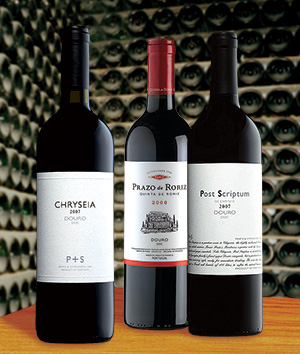
Prazo de Roriz Douro DOC 2008

Portugese Red Table Wine

Prazo de Roriz

In the 1970s, Portugese rosés such as Lancers and Mateus were the height of sophistication to many young wine drinkers: “It’s imported, and comes in a fun bottle!” With age comes wisdom, and these wines were eventually abandoned for the justifiably famous fortified wines of Portugal, Port and Madeira, produced by many ancient and famous houses.

Much less well-known is Portugal’s status as a producer of both red and white table wine, ranking in the world’s top ten in production.  With a population of just 10 million, but top five in per capita consumption, much of that wine is sipped by the thirsty Portuguese.

Continue reading “Prazo de Roriz Douro DOC 2008”

Post Scriptum de Chryseia Douro DOC 2007

Portugese Red Table Wine

Post Scriptum

In the 1970s, Portugese rosés such as Lancers and Mateus were the height of sophistication to many young wine drinkers: “It’s imported, and comes in a fun bottle!” With age comes wisdom, and these wines were eventually abandoned for the justifiably famous fortified wines of Portugal, Port and Madeira, produced by many ancient and famous houses.

Much less well-known is Portugal’s status as a producer of both red and white table wine, ranking in the world’s top ten in production.  With a population of just 10 million, but top five in per capita consumption, much of that wine is sipped by the thirsty Portuguese.
Continue reading “Post Scriptum de Chryseia Douro DOC 2007”

Chryseia Douro DOC 2007

Chryseia Douro DOC 2007

Chryseia Douro

In the 1970s, Portugese rosés such as Lancers and Mateus were the height of sophistication to many young wine drinkers: “It’s imported, and comes in a fun bottle!” With age comes wisdom, and these wines were eventually abandoned for the justifiably famous fortified wines of Portugal, Port and Madeira, produced by many ancient and famous houses.

Much less well-known is Portugal’s status as a producer of both red and white table wine, ranking in the world’s top ten in production.  With a population of just 10 million, but top five in per capita consumption, much of that wine is sipped by the thirsty Portuguese.

Continue reading “Chryseia Douro DOC 2007”

Pizza Giambotta

This pizza features Italian sausage , sweet peppers, and onions.

Giambotta Pizza

THE DOUGH

Start dough at 4p for dinner between 7p and 8p
1 cup warm water (90 to 110 degrees F.)
2 tsp instant-rise yeast
3-1/4 cup bread flour
1 tsp salt
1/4 cup olive oil (extra virgin not necessary)
Combine ingredients and knead by hand for 10 minutes or machine
for two to five minutes. Coat dough ball in a thin film of olive oil or cooking spray, cover in plastic wrap, and let rise in warm place until doubled in size.

Continue reading “Pizza Giambotta”

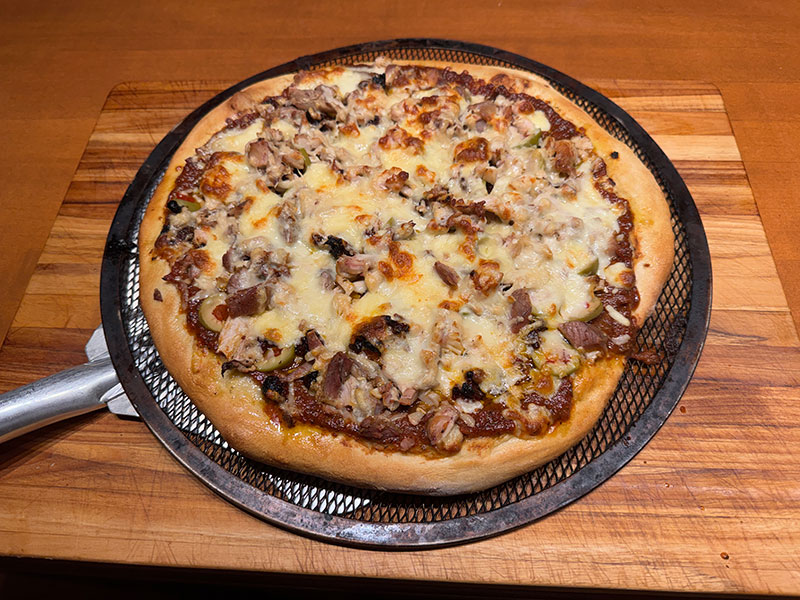
Turkey, Green Olive, and Sun-dried Tomato Pizza

Turkey, Green Olive, and Sun-dried Tomato Pizza
This pizza features leftover Turkey, Green Olives, and Sun-dried Tomatoes

Turkey, Olive, and Tomato Pizza

I had plenty of turkey left over from Thanksgiving and a big jar of green olives from Costco, so I came up with a recipe to use them.

THE DOUGH

Start dough at 4p for dinner between 7p and 8p
1 cup warm water (90 to 110 degrees F.) [280 grams]
2 tsp instant-rise yeast
3-1/4 cup bread flour [415 grams]
1 tsp salt
6 Tbls olive oil (extra virgin not necessary)
Combine ingredients and knead by hand for 10 minutes or machine
for two to five minutes. Coat dough ball in a thin film of olive oil or cooking spray, cover in plastic wrap, and let rise in warm place until doubled in size, about two hours. Continue reading “Turkey, Green Olive, and Sun-dried Tomato Pizza”

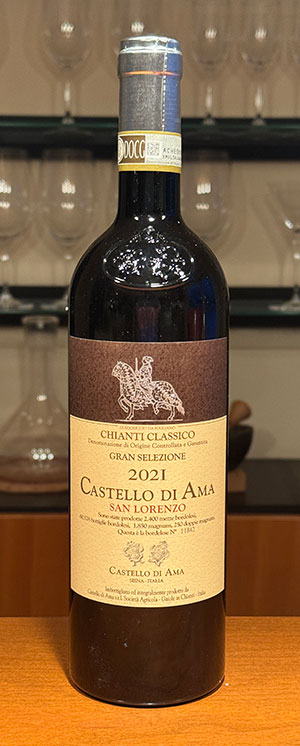
Castello di Ama Chianti Classico

Castello di Ama Chianti Classico. Click here for tasting notes.

Castello di Ama San Lorenzo Chianti Classico Gran Selezione 2021

Castello di Ama is located in the small historic village of Ama, in the municipality of Gaiole in Chianti, between Florence and Siena in Tuscany.

The settlement of Ama dates back to Etruscan times, and is first mentioned in medieval documents.  Over the centuries it evolved from a fortified “casale” to a proper castle.

By the 1970s the estate had fallen into disuse. In 1976 four Roman families (Sebasti, Tradico, Carini and Cavanna) bought the property to revive and restore the vineyards and winery.

In 1982, a young agronomist named Marco Pallanti became the enologist/winemaker, marking a turning point. His vision, plus that of  current CEO Lorenza Sebasti (daughter of one of the founding families) shaped Castello di Ama’s modern identity

Over the decades, the estate expanded: from the original  approximately 136 acres [55 hectares]. Today there are about 185 acres [75 hectares] of vineyards, plus olive groves and estate buildings. Continue reading “Castello di Ama Chianti Classico”

Sanford Chardonnay

Sanford Winery Sta. Rita Hills Chardonnay 2017.
Sanford Winery Sta. Rita Hills Chardonnay 2017. Click here for tasting notes.

Sanford Sta. Rita Hills Chardonnay 2017

Sanford, the first winery in Santa Barbara wine country, was established when the Sanford & Benedict vineyard was planted in 1971. Botanist Michael Benedict and his friend Richard Sanford were committed to finding a cool-climate location with just enough heat accumulation to ripen, but not over ripen, wine grapes. A place where they could plant and grow grapes and craft wines, where they hoped the quality might equal the best of Europe.

Continue reading “Sanford Chardonnay”

Sanford Rosé

Sanford Winery Sta. Rita Hills Rosé of Pinot Noir 2018.
Sanford Winery Sta. Rita Hills Rosé of Pinot Noir 2018. Click here for tasting notes.

Sanford Winery Sta. Rita Hills Rosé of Pinot Noir 2018

Sanford, the first winery in Santa Barbara wine country, was established when the Sanford & Benedict vineyard was planted in 1971. Botanist Michael Benedict and his friend Richard Sanford were committed to finding a cool-climate location with just enough heat accumulation to ripen, but not over ripen, wine grapes. A place where they could plant and grow grapes and craft wines, where they hoped the quality might equal the best of Europe.

Continue reading “Sanford Rosé”

Sanford Pinot Noir

Sanford Winery Sta. Rita Hills Pinot Noir 2017.
Sanford Winery Sta. Rita Hills Pinot Noir 2017. Click here for tasting notes.

Sanford Winery Sta. Rita Hills Pinot Noir 2017

Sanford, the first winery in Santa Barbara wine country, was established when the Sanford & Benedict vineyard was planted in 1971. Botanist Michael Benedict and his friend Richard Sanford were committed to finding a cool-climate location with just enough heat accumulation to ripen, but not over ripen, wine grapes. A place where they could plant and grow grapes and craft wines, where they hoped the quality might equal the best of Europe.

Continue reading “Sanford Pinot Noir”

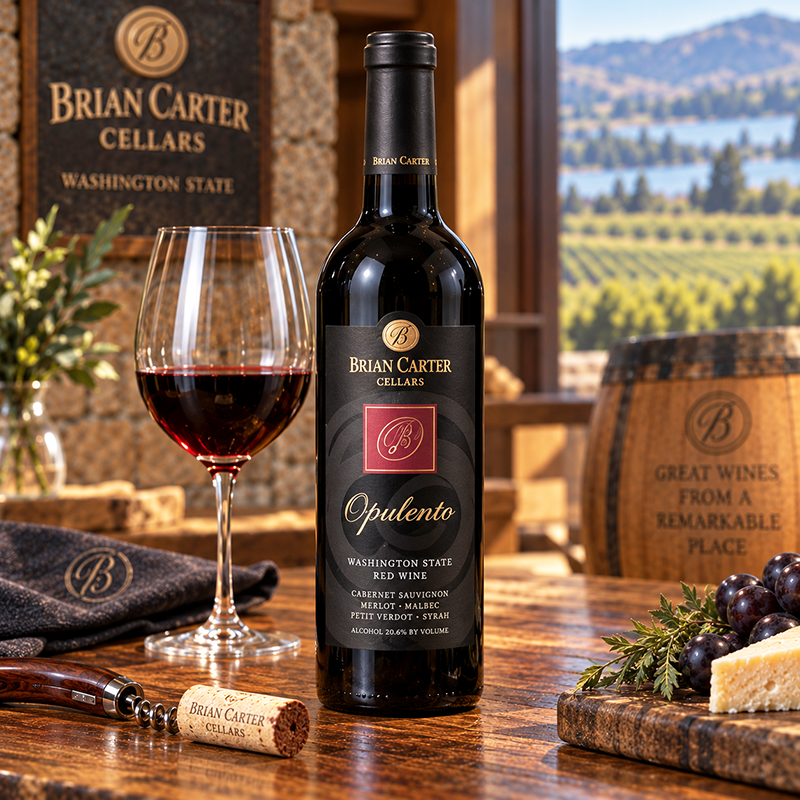
Brian Carter Opulento

Brian Carter Cellars Opulento 2014
Brian Carter Cellars Opulento 2014. Click here for tasting notes.

Brian Carter Cellars Opulento 2014

“I came into the field of wine [at a young age], not because my parents were wine drinkers, but because I was given a microscope when I was 12 years old. I heard about these things called yeast, and I wanted to see what they looked like under a microscope. I was told if you want to look at yeast you have to start a fermentation. So I picked some blackberries, fermented the wine, took a sample, and brought out my microscope — and there they were — the little yeast. I’ve been having those yeast work for me ever since.”  — Brian Carter

Continue reading “Brian Carter Opulento”

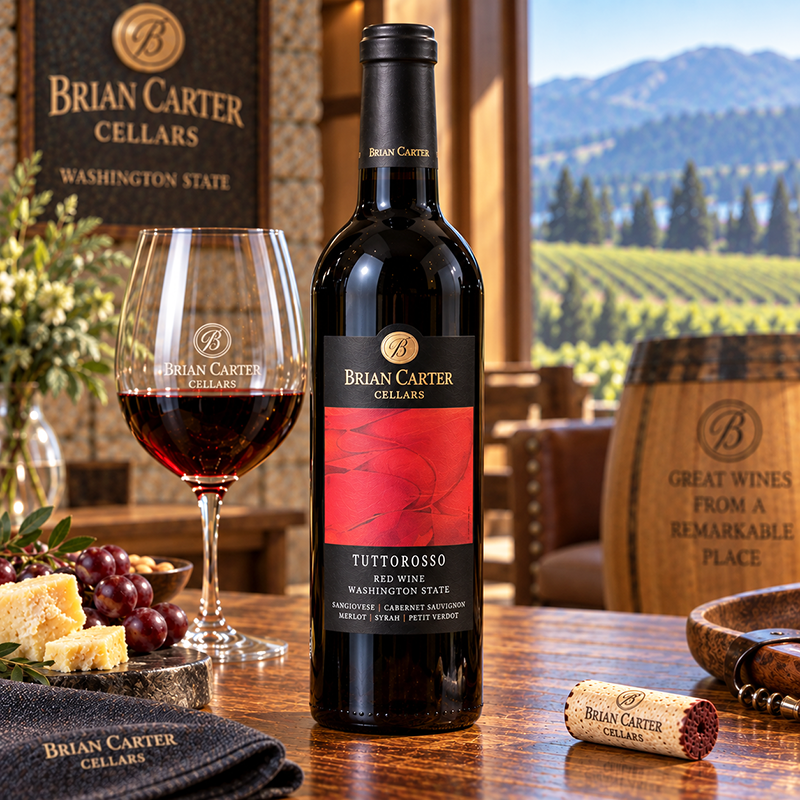
Brian Carter Tuttorosso

Brian Carter Cellars Tuttorosso 2016.
Brian Carter Cellars Tuttorosso 2016. Click here for tasting notes.

Brian Carter Cellars Tuttorosso 2016

“I came into the field of wine [at a young age], not because my parents were wine drinkers, but because I was given a microscope when I was 12 years old. I heard about these things called yeast, and I wanted to see what they looked like under a microscope. I was told if you want to look at yeast you have to start a fermentation. So I picked some blackberries, fermented the wine, took a sample, and brought out my microscope — and there they were — the little yeast. I’ve been having those yeast work for me ever since.”  — Brian Carter

Continue reading “Brian Carter Tuttorosso”

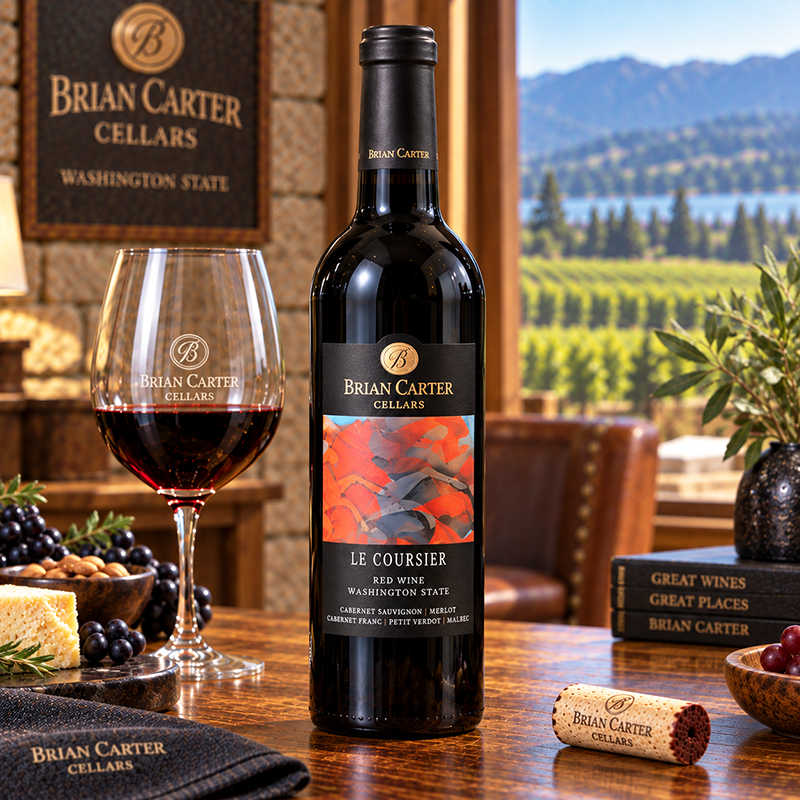
Brian Carter Le Coursier

Brian Carter Cellars Le Coursier 2014.
Brian Carter Cellars Le Coursier 2014. Click here for tasting notes.

Brian Carter Le Coursier

“I came into the field of wine [at a young age], not because my parents were wine drinkers, but because I was given a microscope when I was 12 years old. I heard about these things called yeast, and I wanted to see what they looked like under a microscope. I was told if you want to look at yeast you have to start a fermentation. So I picked some blackberries, fermented the wine, took a sample, and brought out my microscope — and there they were — the little yeast. I’ve been having those yeast work for me ever since.”  — Brian Carter

Continue reading “Brian Carter Le Coursier”

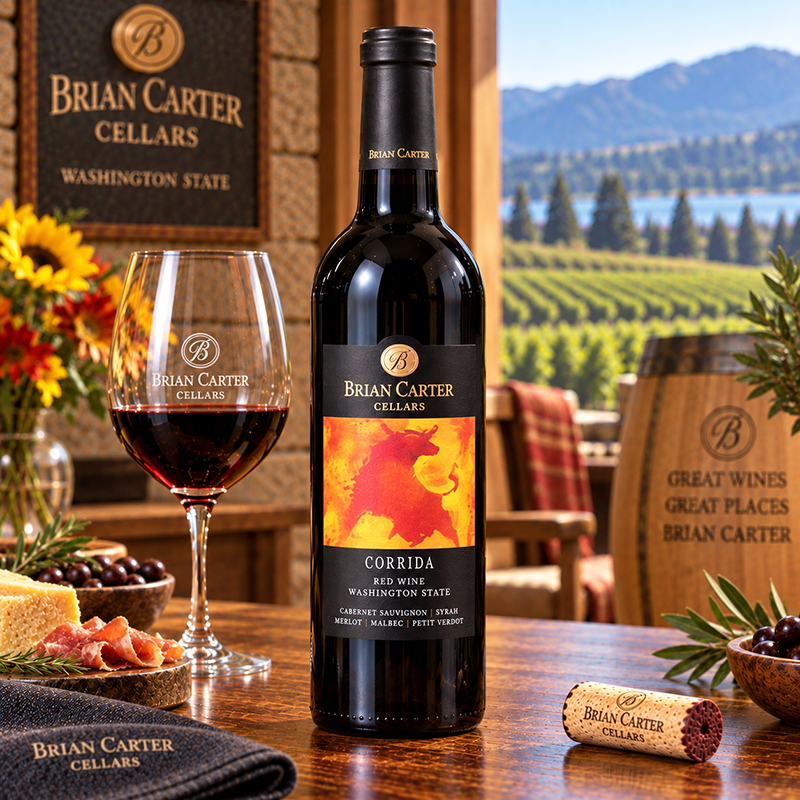
Brian Carter Corrida

Brian Carter Cellars Corrida 2016.
Brian Carter Cellars Corrida 2016. Click here for tasting notes.

Brian Carter Cellars Corrida 2016

“I came into the field of wine [at a young age], not because my parents were wine drinkers, but because I was given a microscope when I was 12 years old. I heard about these things called yeast, and I wanted to see what they looked like under a microscope. I was told if you want to look at yeast you have to start a fermentation. So I picked some blackberries, fermented the wine, took a sample, and brought out my microscope — and there they were — the little yeast. I’ve been having those yeast work for me ever since.”  — Brian Carter

Continue reading “Brian Carter Corrida”

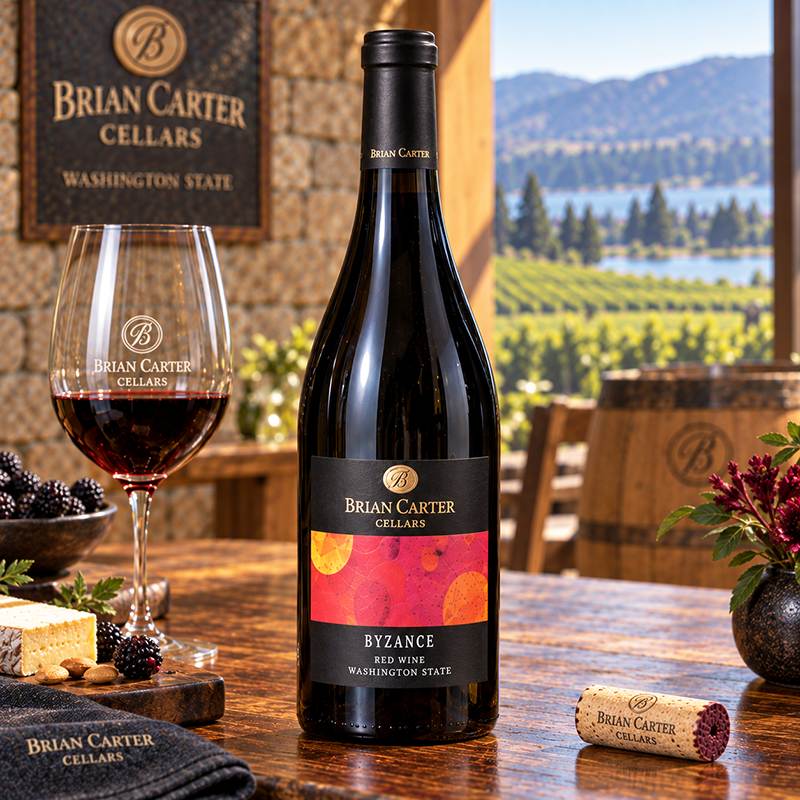
Brian Carter Byzance

Brian Carter Cellars Byzance 2014.
Brian Carter Cellars Byzance 2014. Click here for tasting notes.

Brian Carter Cellars Byzance 2014

“I came into the field of wine [at a young age], not because my parents were wine drinkers, but because I was given a microscope when I was 12 years old. I heard about these things called yeast, and I wanted to see what they looked like under a microscope. I was told if you want to look at yeast you have to start a fermentation. So I picked some blackberries, fermented the wine, took a sample, and brought out my microscope — and there they were — the little yeast. I’ve been having those yeast work for me ever since.”  — Brian Carter

Continue reading “Brian Carter Byzance”

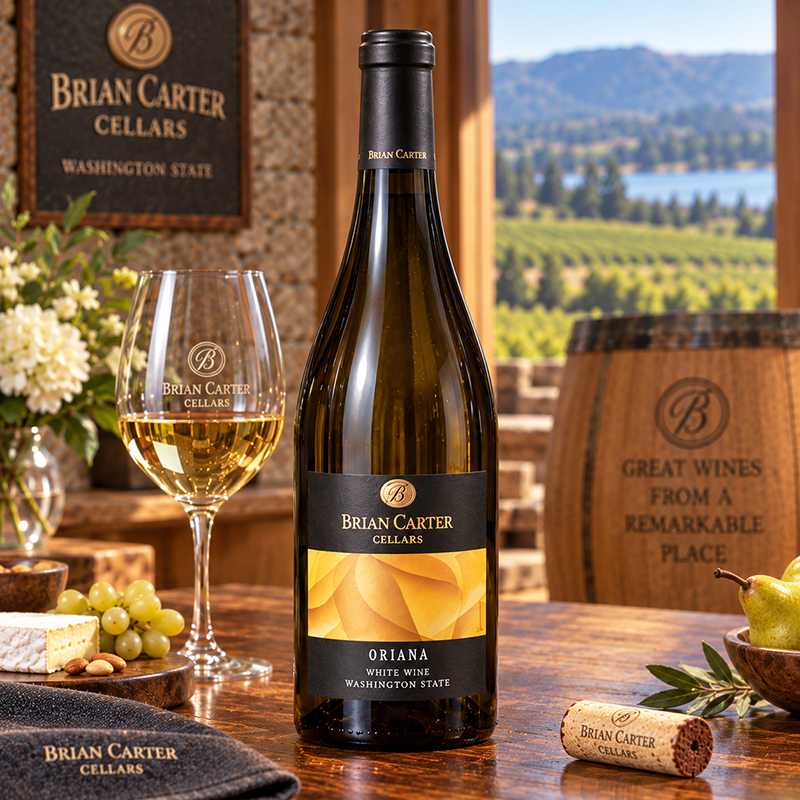
Brian Carter Oriana

Brian Carter Cellars Oriana 2018.
Brian Carter Cellars Oriana 2018. Click here for tasting notes.

Brian Carter Cellars Oriana 2018

“I came into the field of wine [at a young age], not because my parents were wine drinkers, but because I was given a microscope when I was 12 years old. I heard about these things called yeast, and I wanted to see what they looked like under a microscope. I was told if you want to look at yeast you have to start a fermentation. So I picked some blackberries, fermented the wine, took a sample, and brought out my microscope — and there they were — the little yeast. I’ve been having those yeast work for me ever since.”  — Brian Carter

Continue reading “Brian Carter Oriana”