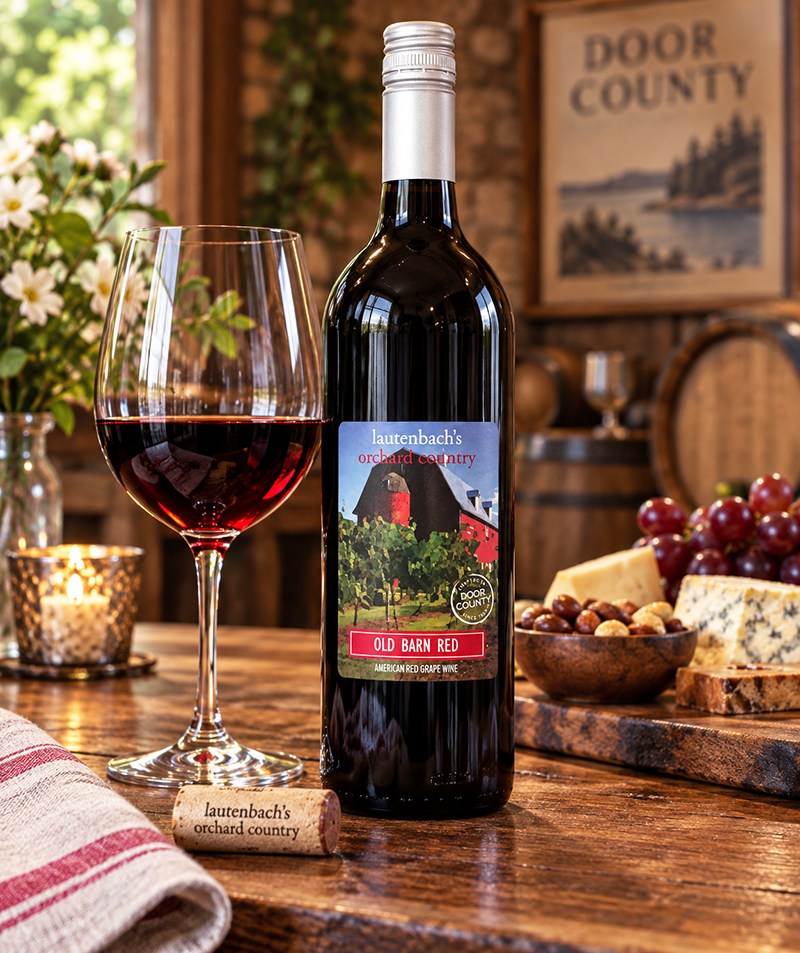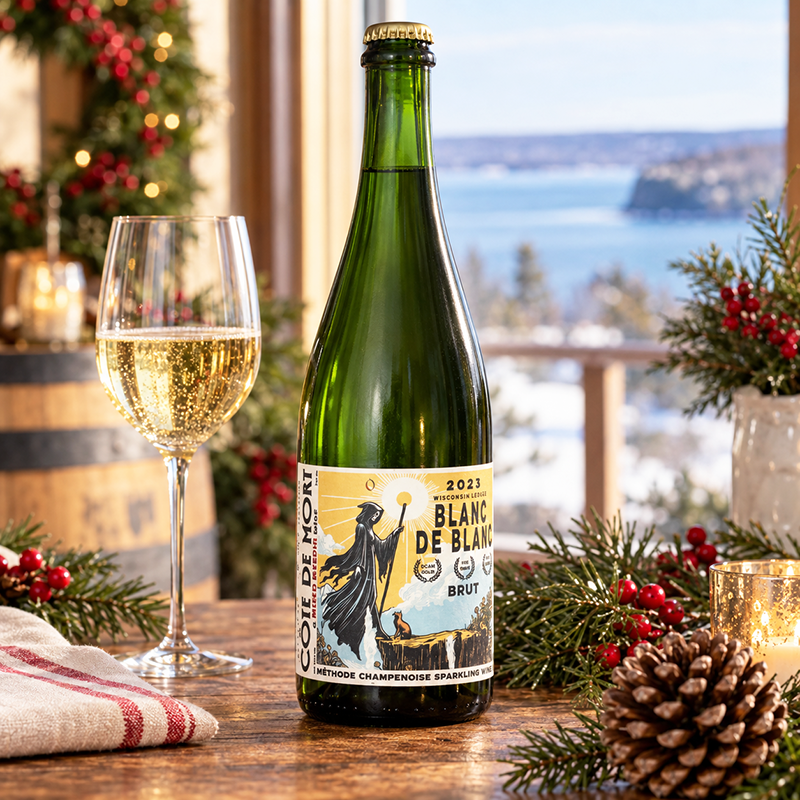
Mixed Meadia’s whole premise is Door County and Wisconsin-grown ingredients, cold-climate grapes, native fermentation, and minimal-intervention winemaking. It produces wine, mead, and cider inside the Hatch Distilling Co. facility.
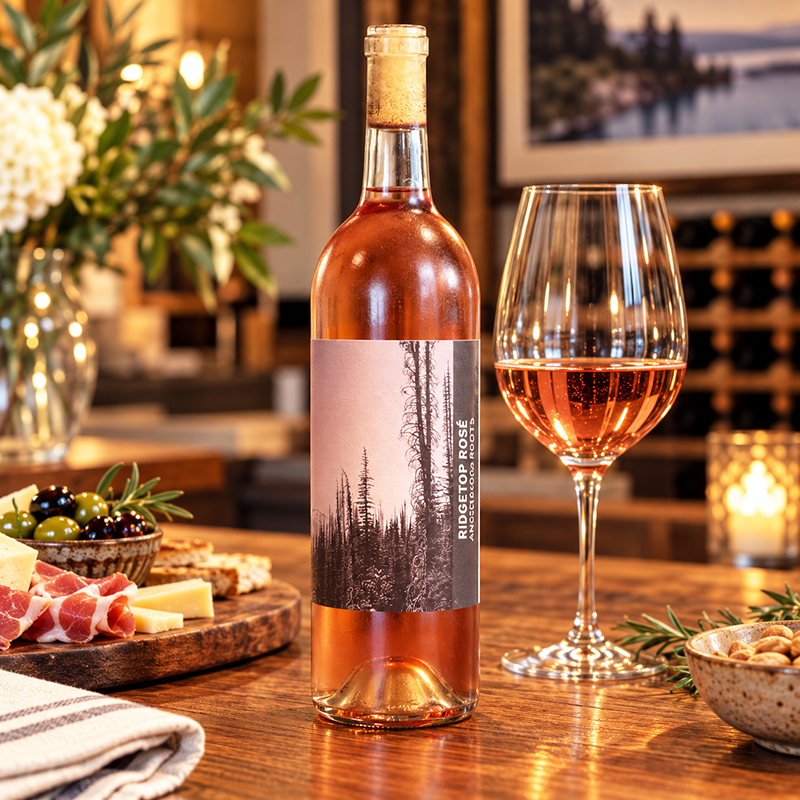
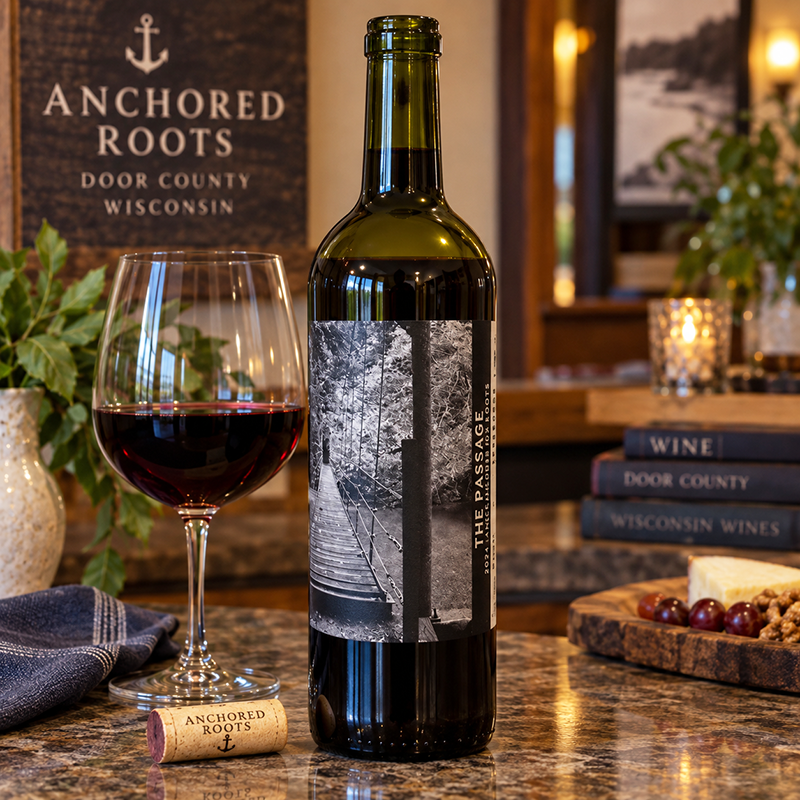
Eric and Amy Gale are the owners and sole full-time employees of Anchored Roots, Door County, Wisconsin’s newest winery, founded in 2020.
The couple make an ideal front-of-house/back-of-house duo. Amy grew up in Milwaukee, with hospitality at the forefront of her career path. Her initial focus was event planning, from non-profit fundraisers and catering, to corporate events and weddings. This was followed by experience in tasting room management at Airfield Estates in Prosser, Washington.
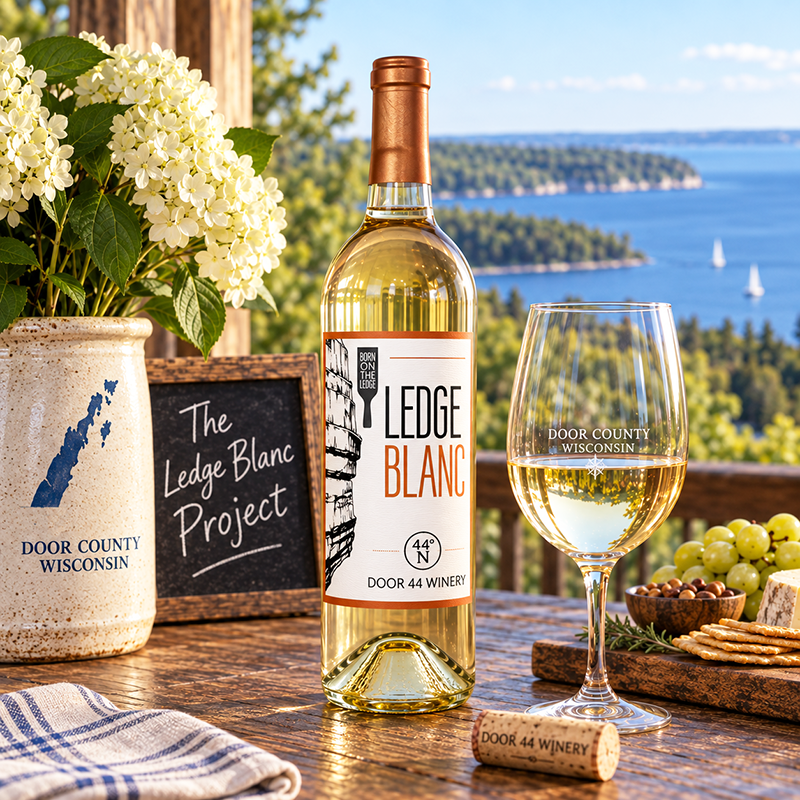
The Ledge Blanc Project is much more ambitious than simply three Door County wineries deciding to put the same name on a white wine. It is an attempt to create a signature appellation wine for the entire Wisconsin Ledge AVA—something consumers can eventually associate with northeastern Wisconsin in the way certain wine styles become identified with particular European or American regions.
Harbor Ridge Winery in Egg Harbor, Wisconsin, was established in 2010, making it a relatively recent addition to Door County’s wine scene. Its original releases were Knockin’ Heads Red and Mademoiselle, and the winery has subsequently built a portfolio of more than 20 wines ranging from dry barrel-aged reds to Riesling, rosé, cherry wine and sweeter blends. The sweeter selections are largely aimed at the tourist trade.
Although made in the Italian Asti style, this Moscato actually comes from Australia’s Barossa Valley. It is one of the few varietals that, when turned to wine, tastes as fresh as the grape from which it is made.
It is sweet, but not cloying. And although there are tiny bubbles in the glass, there is no fizz. If you like Coke or Pepsi with dinner, you could pair it with the entrée, but I’d save it for dessert, especially with fresh fruit or delicate cookies.
With an alcohol content of only 8%, it would even be welcome at weekend brunch with waffles or pancakes, instead of the more traditional champagne.
Back to blog posts: winervana.com/blog/
This Sonoma Cabernet Sauvignon comes from an Iowa farm boy who amassed enough wealth as a northern California industrialist that he was able to realize his dream of becoming a winery owner.
Stag’s Leap Wine Cellars is one of the genuinely consequential wineries in American wine history. It is not simply a famous Napa Cabernet producer: its 1973 Cabernet Sauvignon was the wine that finished first in the red-wine portion of the 1976 Judgment of Paris, an event that fundamentally changed international perceptions of California wine. The winning bottle is now part of the Smithsonian’s National Museum of American History collection.
In the history of wine in California, one event stands out as a defining moment: the Paris Tasting of 1976. This blind tasting, organized by British wine expert Steven Spurrier, pitted California wines against the finest offerings from France’s Bordeaux and Burgundy regions. The outcome sent shockwaves through the wine industry and forever altered the perception of California wine on the global stage.
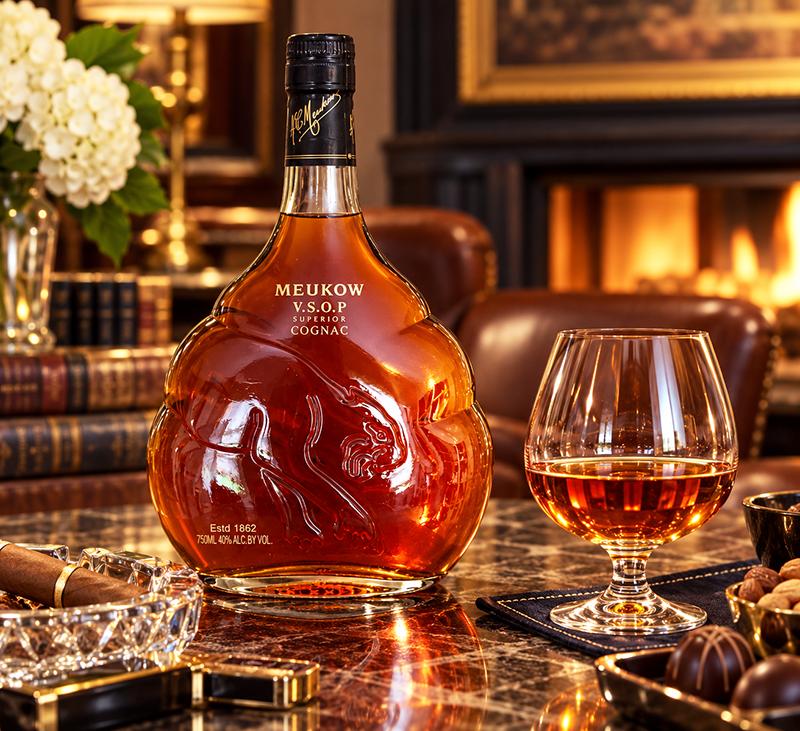
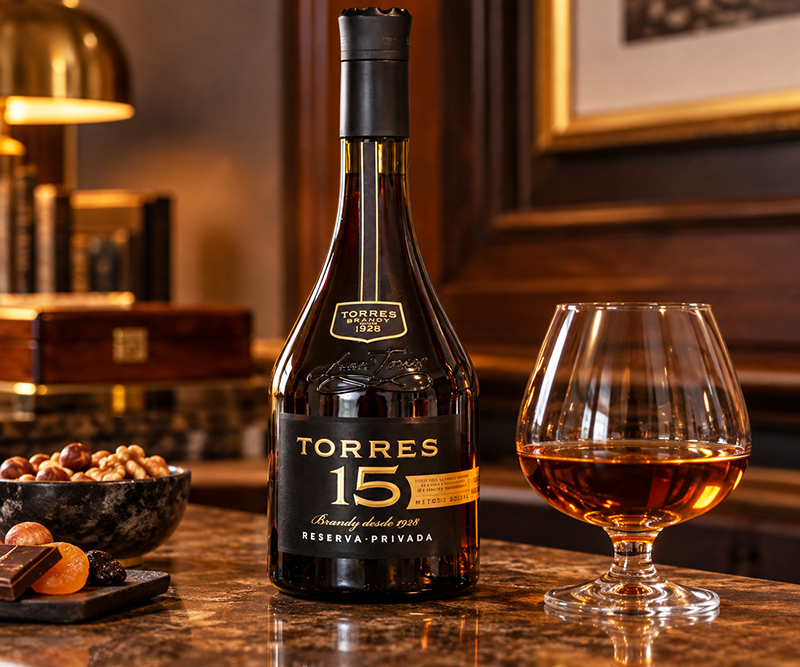
Torres Brandy is the spirits arm of Familia Torres, the large, still-family-controlled Catalan wine company founded in 1870. The spirits division is now formally presented as Juan Torres Master Distillers, and brandy production dates to 1928.
Delord grows grapes, makes wine, distills, ages, blends, and bottles Armagnac in the tiny village of Lannepax, in the Bas-Armagnac appellation. And unlike some producers whose “family tradition” has become mostly marketing hype, the Delord family remains directly involved. The current operation represents the fourth generation. Continue reading “Delord Armagnac”
Artages is made by the Yerevan Brandy Company [YBC], that did more than any other to define what Armenian brandy means, first within the Russian Empire, then the Soviet Union, and now internationally. It has roughly 140 years of institutional ancestry, exceptionally deep stocks, control over grape procurement and distillation, indigenous grape varieties, a distinctive oak regime, its own cooperage, and a highly developed blending culture.
This brandy is a product of the Armenian wine-and-brandy factory Shaumyan-Vin, in the Ararat Valley. The distillery was established in 1927 and reconstituted in 2002.
Shahumyan-Vin uses five grape varieties for its brandies: Kangun, Rkatsiteli, Azateni, Megrabuyr, and Mskhali. These are grown in the Ararat Valley, and harvesting begins around mid-October. The grapes are hand-picked, sorted/inspected, gently pressed, and fermented in 50 to 200 hectoliter vessels. Continue reading “Boduen Brandy”
Armenia has one of the most interesting brandy traditions outside of France. What makes it unusual is that Armenian brandy was deliberately modeled on Cognac from the beginning—Charentais pot stills, double distillation, long oak aging and blending—but developed a distinctly Armenian character through indigenous grapes, climate, and Caucasian oak.
Cellar master Pierre Vaudon took over the Voyer Cognac house from the founding family after working on its blends for many years, and now owns it with his wife Anne-Marie.
François Voyer is in Verrières, right in Grande Champagne, the premier cru of Cognac. The family’s viticultural roots there go back roughly 200 years, while actual distillation by the Chauchet-Voyer family is generally dated to the 1870s. Paul André was among the relatively unusual growers of the late 19th century who distilled his own wine rather than simply selling it to a négociant. So, Voyer was able to amass stocks of its own mature eaux-de-vie rather than functioning primarily as a brand buying young spirits and assembling them.
Irv Bliss’ early years as a farmer were occupied with growing pears, prunes, walnuts, and a large family garden just outside of Healdsburg, in Sonoma County, California. Although successful, for years Bliss nursed the vision of planting a vineyard in Mendocino, which he believed to be one of the best places around to grow grapes. In 1943, he purchased a plot of land in southern Mendocino County, and immediately planted the vineyard of his dreams. In the early days, in addition to growing grapes on the property, Bliss farmed figs and raised sheep and cattle. At some point in the 1970s, all 100 acres of the land was converted to grape production, mostly Cabernet Sauvignon and Zinfandel.