
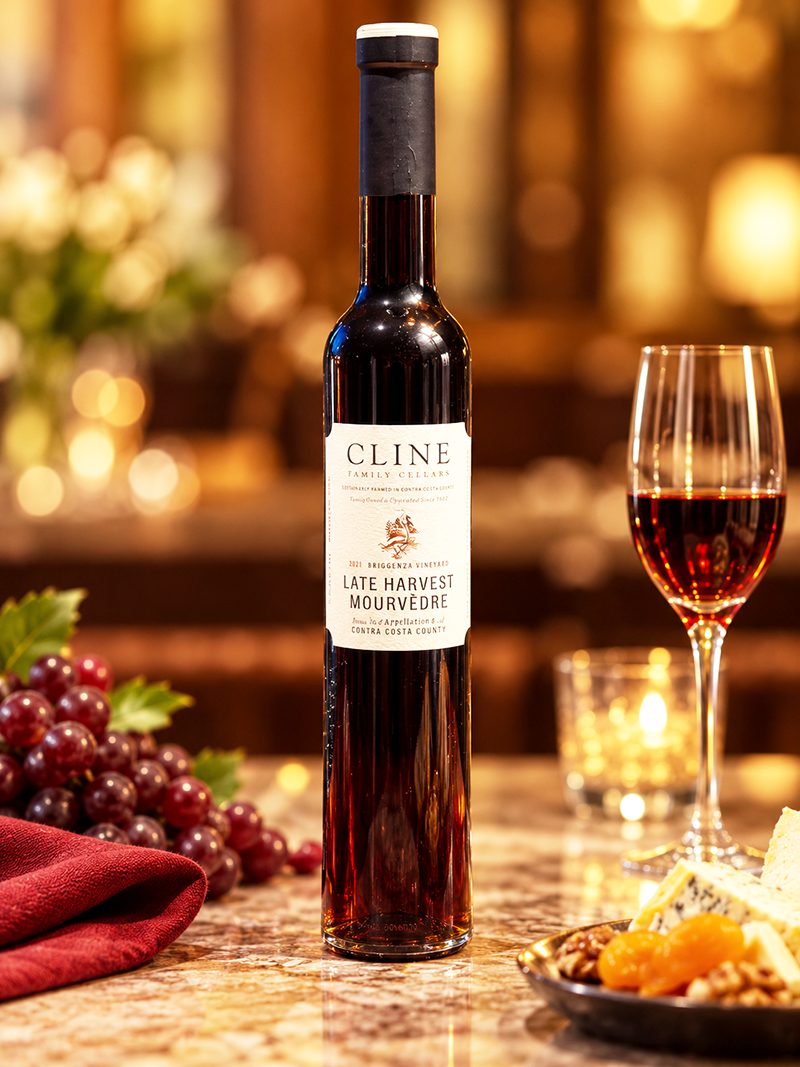
Cline Late Harvest Mourvèdre
As you enter Sonoma county from the south on California 121, one of the first wineries you encounter is Cline Cellars, and there could hardly be a better introduction to the Carneros AVA.
Even as a young teenager, Fred Cline learned to make wine from his grandfather, Valeriano Jacuzzi (yes, he of the hydrotherapy tub, as well as many other innovations).
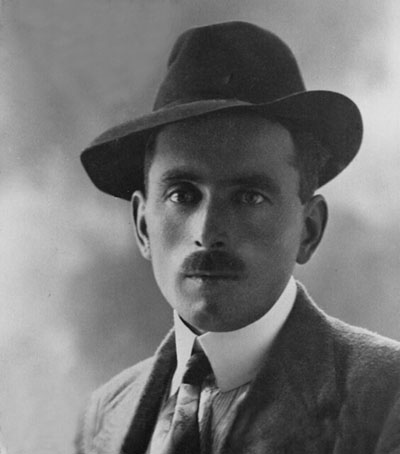
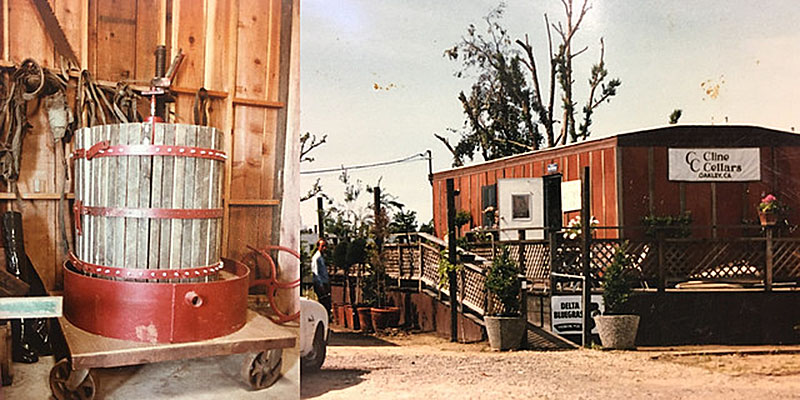
With a $9000 inheritance from Valeriano, in 1982 Cline founded the eponymous Cline Cellars in Oakley, California.
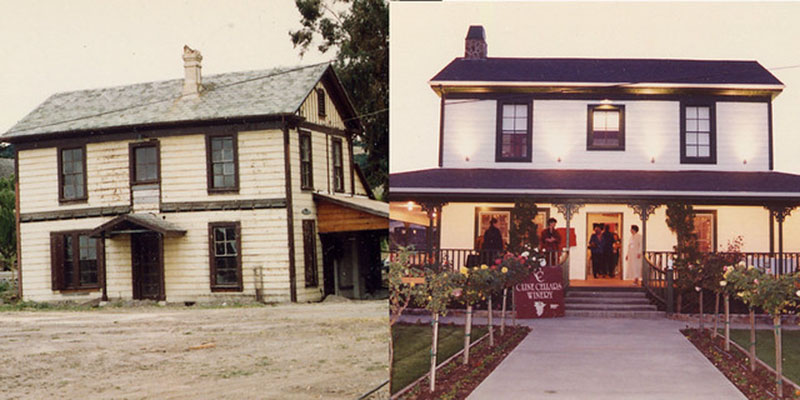
The winery was relocated to its current location in 1989. The property is the original site of the Mission San Francisco de Solano, the 21st and final of the historic California missions. Although the mission was moved in 1823, the Cline tasting room is located in a rustic 1850s farmhouse that is original to the property, surrounded by spring-fed ponds and thousands of rose bushes. The vineyards also reflect this history, with vines ranging from 80 to 120 years old.
Cline is one of the first of the pioneering Rhone Rangers, a group dedicated to wines from the grapes of the Côtes du Rhône in France (ironic for a boy with an Italian grandfather, no?)
Cline also has been a pioneer in sustainable farming. It is the second-largest completely solar-powered winery in California.
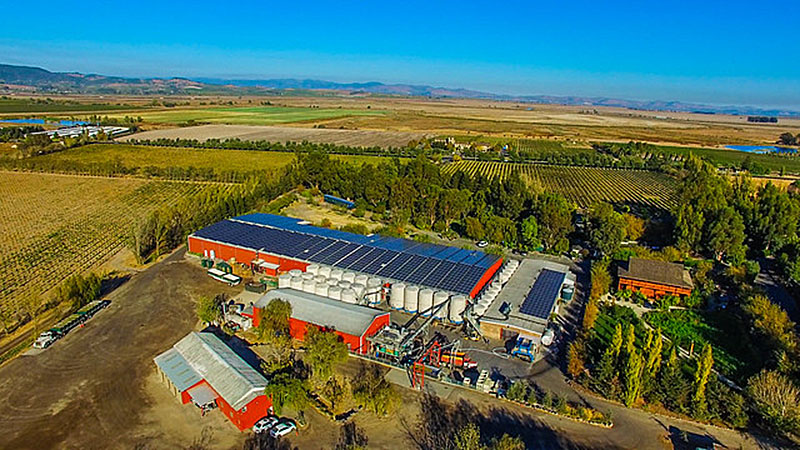 Natural cover crops are used to nourish the soils, sheep and goats roam freely as they graze on weeds, and compost teas are used as fertilizer. “We’d be considered ‘organic’ if we wanted to follow the rules of the government,“ said Cline. “We are actually more sustainable [than the law calls for] by not following their organic rules.“ He calls his methods “beyond organic.”
Cline Late Harvest Mourvèdre
Dessert wine probably isn’t the first thing that comes to mind when you think of Mourvèdre. The dark-skinned Mediterranean grape, also called Monastrell in Spain and Mataro in some other places—is one of the traditional southern Rhône grapes and the M in GSM (Grenache-Syrah-Mourvèdre). It’s often used as a blending component because it contributes structure, dark fruit, earth, herbs, spice, and a distinctly savory quality.
This wine comes from Cline’s Bridgehead Vineyard in Oakley, where the Mourvèdre vines were planted around 1920. Here, the vines grow in extraordinarily deep, well-drained sandy soils near the Sacramento–San Joaquin River Delta. Phylloxera, the root louse that devastated vineyards throughout California and Europe, doesn’t flourish in sand. Consequently, many of Contra Costa’s old vines survived and remain on their own roots rather than being grafted onto resistant American rootstock.
Contra Costa County once had considerably more old-vine vineyard land. Urban development around Oakley and the greater Bay Area has made vineyard land increasingly valuable for purposes other than growing grapes. Some surviving vineyards are essentially islands of century-old vines surrounded by development.
Bridgehead’s Mataro/Mourvèdre was previously bottled by Ridge, with the vineyard predominantly Zinfandel and Mourvèdre with small quantities of Palomino and Muscat. The growing conditions here are useful when making a late-harvest wine because grapes can remain on the vines long enough to begin dehydrating without immediately succumbing to rot. By harvest, some of the Mourvèdre berries have begun to shrivel almost into raisins. But, there’s a price for that concentration. Cline gets only about half the normal juice yield from these grapes.
This wine pours a medium transparent red. The nose delivers aromas of sweet red cherry, plum, and raspberry compote. These continue on the palate, moving toward dried fruit rather than fresh berry character — plus some good acidity for structure. There’s an appealing savory dimension underneath the fruit that reminds you that this is Mourvèdre rather than merely an anonymous sweet red. There is also a genuine tannic structure. The Mourvèdre supplies enough tannin to give the wine shape and prevent all that ripe fruit and sugar from becoming syrupy.
Although a dessert wine, it is less sweet than Port. And it is wine only; unlike Port it is unfortified, as the ABV of 14.5% is evidence of. The finished wine was aged for about six months, primarily in stainless steel, with up to 25 percent going into six mostly older 300-liter French oak barrels.
Serve this appealing elixir slightly cool, around 55° to 60°F, in relatively small pours. Bittersweet chocolate is an obvious partner, particularly flourless chocolate cake or a dark-chocolate tart. But an even better match may be a salty blue cheese such as Stilton or Roquefort. Aged Gouda would work nicely as well.
Back to blog posts: winervana.com/blog/