
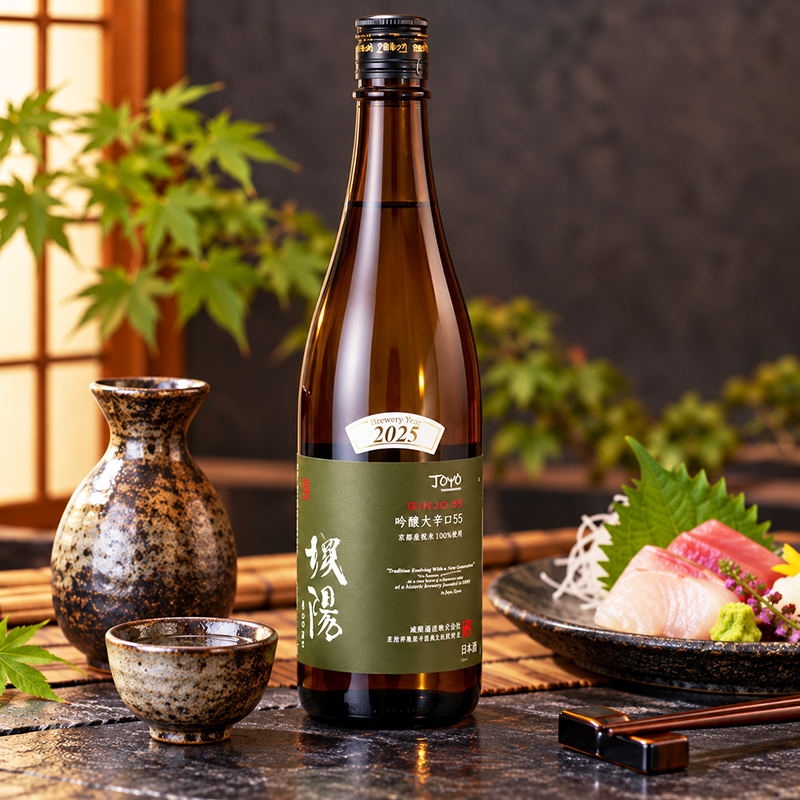
Joyo Ginjo 55 Extra Dry Saké
Joyo Ginjo 55 Extra Dry is a premium Japanese sake from Kyoto Prefecture. It is made from a traditional Kyoto sake rice variety called Iwai and produced by a small brewery with a history dating to 1895.
What makes this sake interesting is its combination of delicate ginjo aromatics and a decidedly dry palate. Rather than emphasizing the lush, tropical fruitiness of some modern premium sakes, Joyo takes a more restrained, food-friendly approach.
The Joyo Shuzo brewery
Joyo Shuzo is located in Joyo City, between Kyoto and Nara, in the Yamashiro region of southern Kyoto Prefecture. The brewery was founded in 1895 and is reportedly the last remaining saké brewery in the Yamashiro area. Its brewing water comes from the soft groundwater associated with the Kizugawa River.
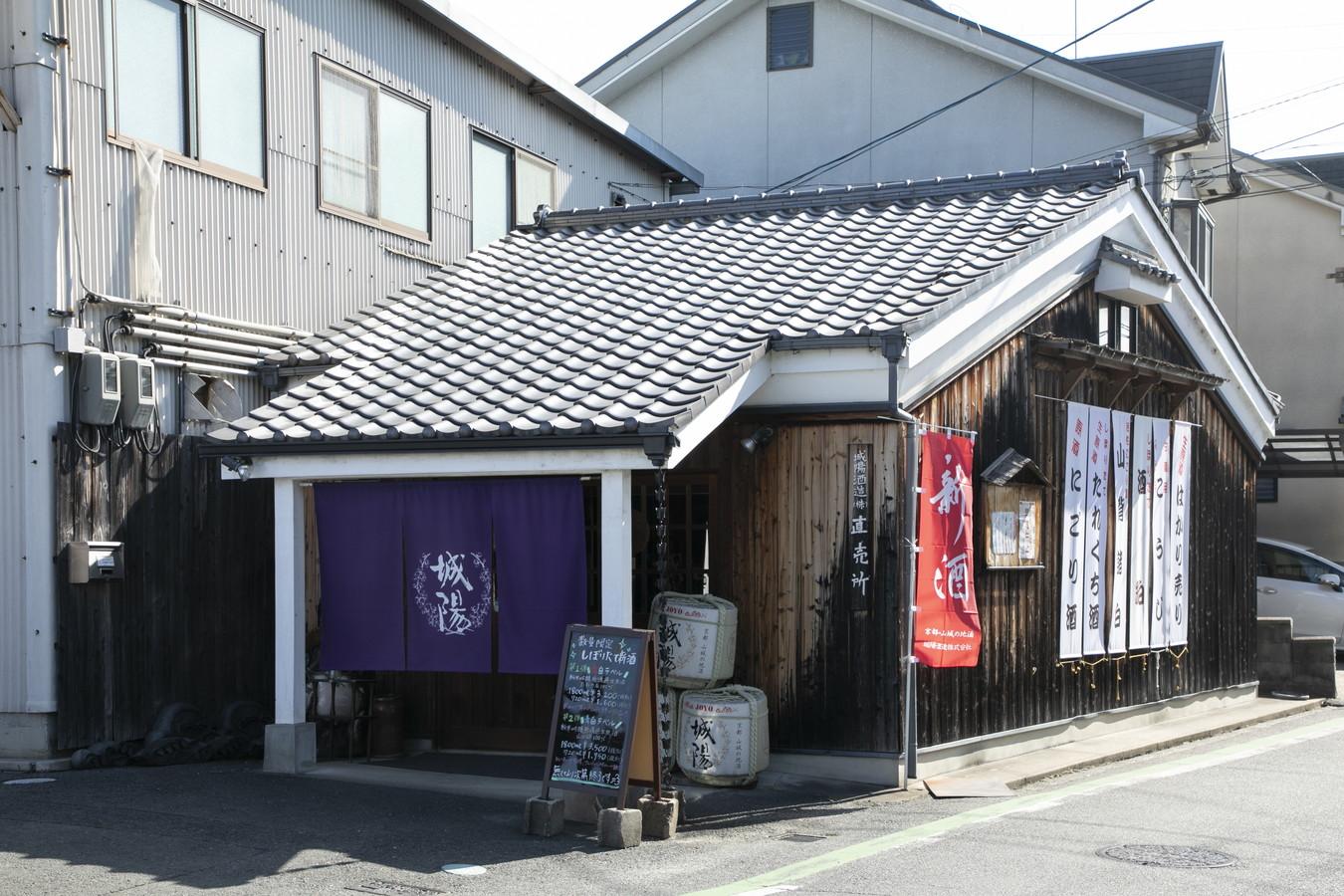
Joyo Brewing Company used to produce about ten times as much sake as they do now, but they abandoned the pursuit of volume in favor of limited production, strict quality control, regional rice varieties, careful temperature control, and refrigerated storage. The brewery also produces several junmai ginjo and junmai daiginjo sakes, as well as a traditional plum liqueur.
At the heart of Joyo Brewing is the concept of “bikan yuso:” appealing to the senses with beauty, playfulness, and originality. While the brewers’ pursuit of quality and authenticity is a serious one, they also consider it their duty to bring joy to every drinker.
Joyo Ginjo 55 Extra Dry Saké
Iwai is a traditional Kyoto saké-brewing rice whose name translates roughly as “celebration.” It is prized for producing sake with an elegant, rounded rice character. It has a 55% polishing ratio, meaning that 45% of each rice grain’s exterior has been removed before brewing.
Unusually, this crystal-clear saké exhibits just a hint of effervescence upon opening. It persists in the glass, but only barely. The nose offers delicate pear and restrained vanilla. On the light- to medium-bodied palate, more pear emerges, accompanied by apple-like sweetness that quickly gives way to a mellow dryness. The acidity provides freshness without being aggressive. The finish is clean, crisp, and refreshing, with relatively little residual sweetness.
Although it can be served at room temperature or chilled, I preferred it chilled to approximately 50–55°F (10–13°C). The ABV is 15%, and an SMV* of +10 places it decidedly on the dry side of the spectrum.
Pair this very attractive saké with flounder, sea bream, or scallop sashimi and nigiri; shrimp, zucchini, and mushroom tempuras; grilled sea bass, cod, or shrimp with lemon and restrained seasoning; seared scallops with beurre blanc; or delicately prepared chicken in a cream sauce.
Note: in the US, this saké is only available from the Palate Project.
*SMV (Sake Meter Value), also called Nihonshudo, measures the relative density of sake compared with water. Positive numbers generally indicate a drier style, while negative numbers suggest greater sweetness. However, acidity and other components also influence perceived sweetness. The range is from -15 (sweet) to +15 (dry),
Back to blog posts: winervana.com/blog/