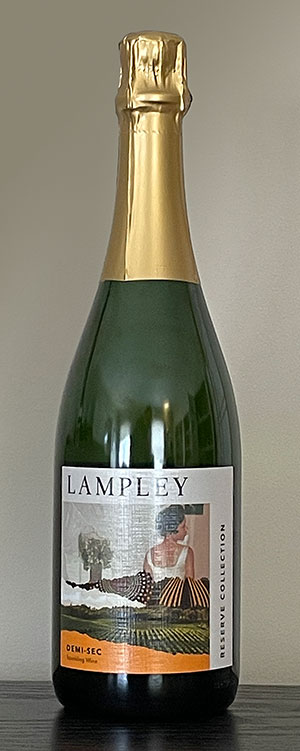
The founder and proprietor of Lampley Reserve is Illinois-native Chrishon Lampley, a remarkable African American woman, and the first in the Midwest to go national with a wine brand. She is also one of the less than 1% of wine industry negociants, vineyard owners, or winery owners who are black females in the traditionally Euro-centric, white, male-dominated world of wine. A rarity, to say the least.
Building on over 20 years’ of experience in the wine industry, Lampley launched Love Cork Screw wines in 2013 with six varietals. The operation has since sold more than one million bottles of wine. Still not satisfied, Lampley also offers brand extensions like five wine-scented candles, as well as the new eponymous Lampley Reserve label just now coming to market. On a mission to reinvent how we think about and experience wine, Lampley is also passionate about leveraging her platform to mentor budding entrepreneurs and pave the way for more inclusivity and opportunity for women of color in wine and beyond.
Lampley credits her never-give-up mentality to her father’s entrepreneurial spirit and her mother’s tenacity. Now that her Love Cork Screw portfolio of eight varietal wines, which feature bold, untraditional labels like “Head Over Heels” and “We’re Movin On Up,” are firmly established, Lampley is turning to her new collection of wines called Lampley Reserve. Continue reading “Lampley Reserve Demi-Sec”
First, let’s talk about brandy vs. Cognac. Brandy is a liquor distilled from grape wine and aged in wood. (Brandy can be made from fruits other than grapes as well, but that’s a story for another time.) Cognac is brandy that specifically comes from the town of Cognac and the delimited surrounding areas in western France. (The one which has the most favorable soil and geographical conditions is Grande Champagne.) So, all Cognacs are brandy, but not all brandies are Cognac. For more detail on Cognac, click here.
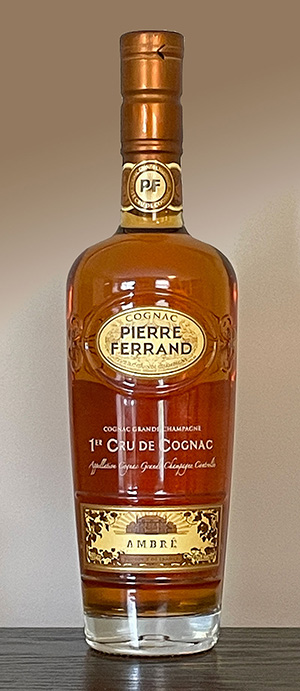
Cognac has been sold under the Ferrand name since the 18th century, spanning 10 generations of producers, beginning with the birth of the first Elie Ferrand in the small town of Segonzac in 1630 (nine more Elies would follow). In 1989, Alexandre Gabriel partnered with Pierre Ferrand, the living heir of the family, to develop a line of Cognacs. Once Pierre Ferrand retired in 1993, Gabriel became sole proprietor.
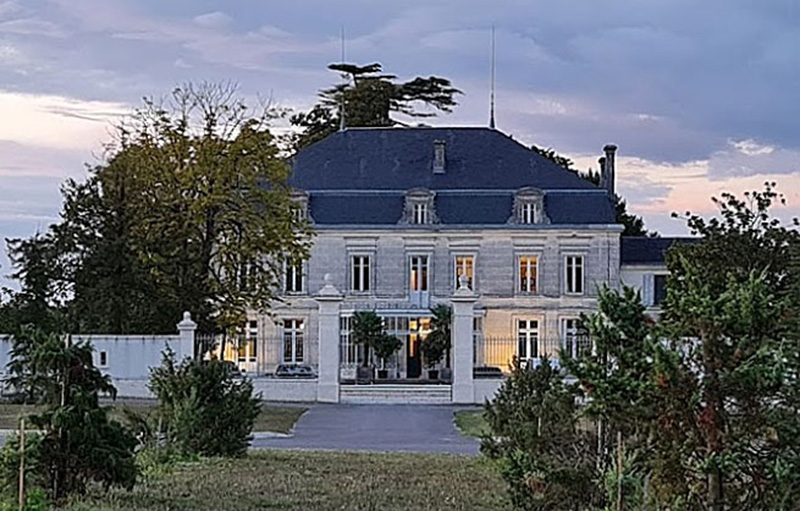
In short order, Gabriel bought the Logis d’Angeac distillery, built in 1776 and located in the heart of the Grande Champagne region of Cognac. He also purchased the 18th century Chateau de Bonbonnet, once owned by the Martell family, and turned it into his home as well as Ferrand’s state-of-the-art blending facility and offices.
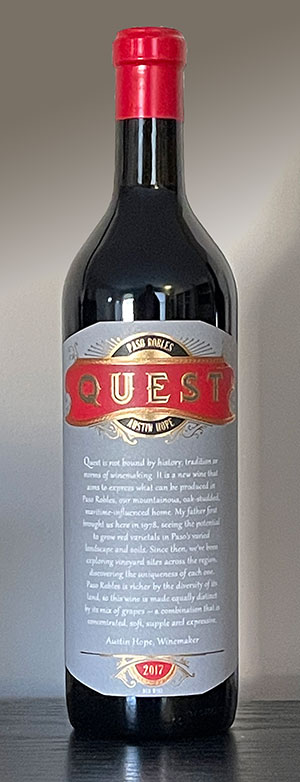
Chuck Hope and his wife Marilyn came to Paso Robles (which roughly means “passageway of oaks”) in California’s Central Coast in 1978 to farm, and eventually to start what would become Hope Family Wines. This early arrival put them on the forefront of the Central Coast becoming a world-class viticultural region. Initially, the Hopes planted apples and grapes in this then sparsely-populated area. Seeing the property’s potential for grape growing, Hope eventually replanted the apple orchards with grapes. Vine density was increased, and each vine was pruned to limit yield for better-quality fruit.
Throughout the 1980s and 1990s, the Hope family grew grapes for various wine producers. In the 1980s, the Wagner family, owners of Napa Valley’s Caymus Vineyards, turned to the Hope family to source Cabernet Sauvignon fruit for their Liberty School label. Thus began a long-lasting partnership between the two families.
Since that beginning, in Paso Robles specifically and throughout the region generally, Hope Family Wines has built long-standing relationships with over 50 growers. They coordinate with farmers to carefully limit crop yields to ensure concentrated flavors.
For those who don’t know, brandy is distilled from wine and aged in wood to give it its characteristic flavor and color. The word brandy comes from the Dutch brandewijin, meaning “burned (distilled) wine.” It is usually made from grape wine, but can be distilled from other fruit wines, most often apple, in which case it is called apple brandy or applejack generically, and Calvados in France. (Calvados is in northwestern France, on the English Channel.) Cognac, perhaps the best-known type of brandy, specifically comes from the town of Cognac and the delimited surrounding areas in western France. So, all Cognacs are brandy, but not all brandies are Cognac. For more detail on Cognac, click here.
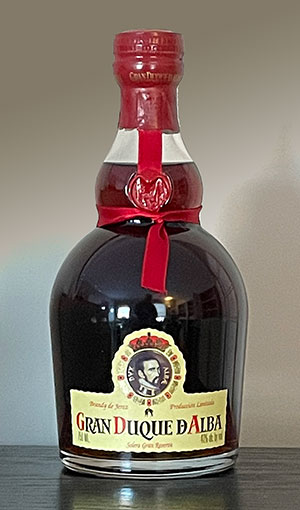
Of course, wherever you find wine you will likely also find brandy, and Spain is no exception. This brandy was first introduced in 1945 by a wine merchant in Madrid at that time. He was a good friend of the Seventh Duke of Alba, Jacobo Fitz-James Stuart y Falcó, and asked the duke if he could endorse the new brandy he was about to offer for sale by applying the duke’s name to it. After tasting it the aristocrat was pleasantly impressed and suggested that for such a noble product it would be far more appropriate to use the name of his ancestor the Great Duke of Alba, Fernando Álvarez de Toledo y Pimentel, who was a Spanish noble, general, and diplomat, shown here. He was an adviser to two Spanish kings, governor of the Duchy of Milan, viceroy of the Kingdom of Naples, governor of the Netherlands, and viceroy and constable of the Kingdom of Portugal. Continue reading “Gran Duque d’Alba Solera Gran Reserva Spanish Brandy”
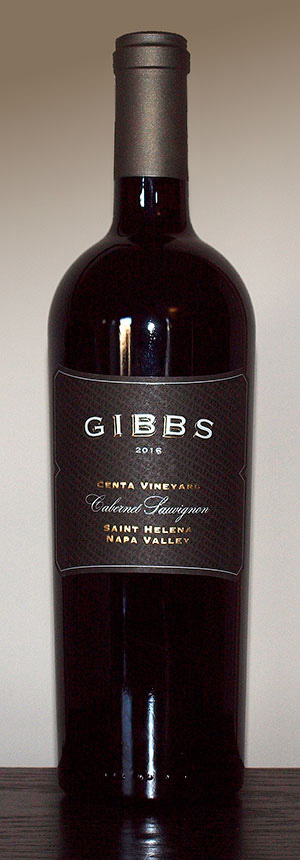
In 1947, Dr. Lewis Gibbs Carpenter Jr., a farmer and psychologist, moved to Saint Helena from Gilroy and bought land on the Napa Valley floor. He began to work the property by growing walnuts, dates, and a small selection of grapes in the 1950s. Over the next twenty years, he replaced most of the nut and fruit orchards with several Bordeaux varietals of grapes, including Cabernet Sauvignon, Cabernet Franc, Sauvignon Blanc, and Merlot, all of which were beginning to gain international attention following the Judgement of Paris in 1976. It was at this momentous event that Napa Valley garnered international respect as a premier wine growing region. This no doubt helped propel not only Carpenter’s vineyards to esteem, but the entire valley as a whole.
Dr. Lewis Gibbs Carpenter Jr.
Craig Handly
Spencer Handly
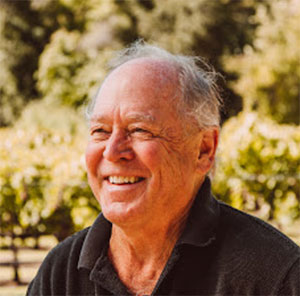
Although Carpenter himself never had plans of starting a winery, his sixty-plus years of premium grape-growing set the stage for Craig Handly, his son-in-law, to establish Gibbs Vineyards in 2013. Early in life, Handly was an Alaskan crab and salmon fisherman. Later he became a print shop owner and a wine label designer, working for such brands as Beringer, Mondavi, and Kendall Jackson, among others.
In 2000 he and his wife Susan began crafting wines from the Cabernet Sauvignon and Cabernet Franc grapes grown on Carpenter’s property. These first batches, made in a tank in the Handly family’s barn, were the beginning of his new career as a winemaker. Over the next decade, he honed his skills while making wines under his first labels, Terroir Napa Valley and Sentall.
After graduating from the University of San Diego in 2014, the Handly’s son, Spencer Gibbs Handly, joined the family in growing and making wine. He is the third generation of the Handly family working in the vineyards. He got his start in the vineyards when Carpenter taught him to drive a tractor at the age of five.
True Ports hail from the Douro valley in Northern Portugal, and have done so for over three hundred years. The region’s predominant soil is schist, composed of variousmedium-grained to coarse-grainedmetamorphicrocks with laminated,oftenflakyparallellayers of micaceousminerals. The low annual rainfall makes this probably one of the driest regions of the world where grapes are grown without irrigation. This terroir results in very low-yielding vineyards, with vines bearing only a very few small bunches of full-flavored grapes whose thick skins protect them from dehydration.
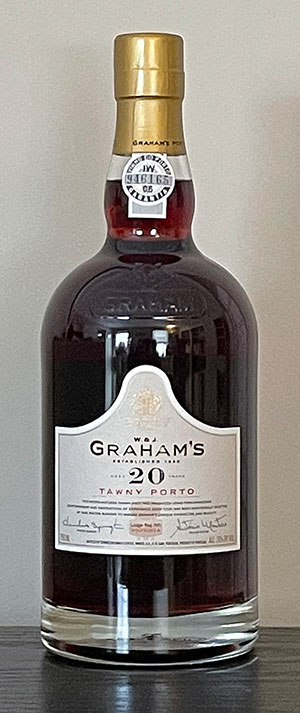
To make Port, a neutral grape alcohol is added to the wine partway through fermentation. This stops the fermentation before the yeast has eaten all of the sugars, leaving a natural residual sugar of 9 to 10 percent, and boosting the alcohol content to 18 to 20 percent. This was originally done in the early days of Port production to stabilize the wines for the long sea voyage to England, at one time the biggest market for Port. There are four basic categories: vintage, tawny, ruby, and white. Vintage Ports are of the best quality, and the most expensive, of course. They are made from grapes of a single vintage and bottled within two years. In order to maintain the highest quality standards, vintage Ports are only made in the best years, which are “declared.” These wines can age extremely well; there is an old English tradition where a vintage Port is purchased on a child’s birth year, and consumed to celebrate when he or she turns 21. Tawny Ports are a blend of fruit from many different years, and can be wood-aged for as many as 40 years. A high-quality tawny Port will always list the barrel age on the label. The characteristic amber color is the result of this wood aging. Ruby Ports are made from wines not deemed worthy of vintage classification, and are aged in wood for about two years. These youthful, fruity Ports are often the least expensive. White Ports are made like other Ports, just using white grapes. These wines run the gamut from sweet to dry, and are usually consumed as an aperitif. Continue reading “Graham’s 20 Year Old Tawny Port”
If you want a good cheap brandy, For best results blend your own.
Obviously, I enjoy wine, but I’m a fan of liquor too, especially brandy. Brandy is distilled from wine and aged in wood to give it its characteristic flavor and color. The word brandy comes from the Dutch brandewijin, meaning “burned (distilled) wine.” It is usually made from grape wine, but can be distilled from other fruit wines, most often apple, in which case it is called apple brandy or applejack generically and Calvados in France. Cognac is brandy that specifically comes from the town of Cognac and the delimited surrounding areas in western France. So, all cognacs are brandy, but not all brandies are cognac. For more detail on cognac, click here.
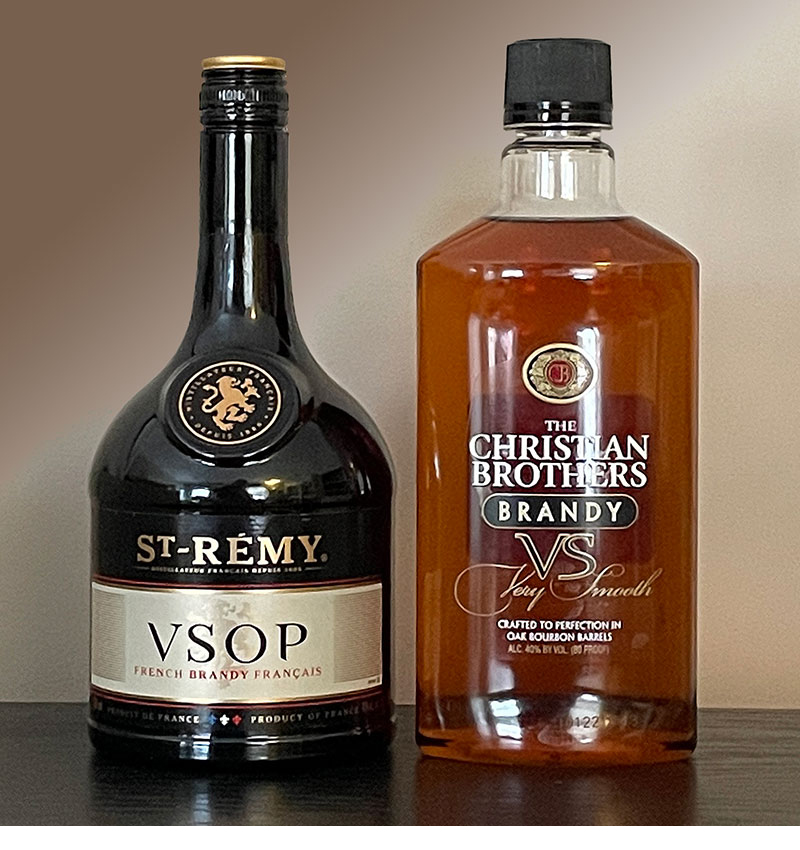
My favorite brandy of all time is Kelt VSOP Tour du Monde. Just a few years ago, it was selling for $40 a bottle; now it’s $60. Brands like Martell, Hennessy, Courvoisier, and Hardy have suffered similar inflation. Capitalism at its finest. Regardless, all of them are too expensive for me to drink on a regular basis. For that, I turn to bottles under $20. American producers include Paul Masson, Christian Brothers, Korbel, and E&J Gallo. And there are readily-available European offerings such as St. Remy from France, Hartley from Italy, Pedro Domecq from Mexico, and Veterano from Spain. Continue reading “A Good Cheap Brandy”
Long before California became America’s leading winemaking state, plenty of wine was being made in New York. The Hugeunots, a French Protestant sect of the 16th and 17th centuries, planted grapevines there in the 1600s. The first commercial plantings of native American grape varieties began in 1862. Shortly thereafter, the area established a reputation for making sweet sparkling wines, and by the end of the 19th century plantings had increased to around 25,000 acres.
In the early 20th century, production declined sharply as a result of phylloxera vine disease, competition from California wines, and Prohibition. After that scourge ended, production resumed but the rebound was moderate. Further limiting production, after World War II Americans began to develop a taste for the drier wines made from the European Vitis vinifera grape varieties dominant in California. Unlike in California, however, it was believed that these grape varieties would not survive in the harsh New York winters.
In 1951 Dr. Konstantin Frank, a Ukrainian immigrant with a PhD degree in Plant Science, came to work at the New York State Agricultural Experiment Station in Geneva, New York, with the goal of growing Vitis vinifera varietals in the cold Finger Lakes climate. This was unheard of — and laughed at — back then. Other winemakers predicted failure. “What do you mean?” Frank retorted. “I’m from Russia — it’s even colder there.” With support from Charles Fournier of Gold Seal Vineyards, a sparkling wine producer, he began planting Vitis vinifera vines in 1958. In 1962 Dr. Frank started Vinifera Wine Cellars in Hammondsport, at the far southern end of Keuka lake, where he began to successfully produce Riesling, Pinot Noir, Chardonnay, Gewürtztraminer, Cabernet Sauvignon, and Rkatsiteli (the most widely-planted white-wine grape in the countries of the former Soviet Union). Plantings of these varieties spread throughout the region and new wineries soon emerged. Continue reading “Keuka Spring Epic Reserve Finger Lakes Red Wine 2016”
Is it possible to get a quality XO brandy for $20? If this Dunill XO is any indication, the answer is no. (For just one comparison, Courvoisier XO costs $170. Most XOs cost at least $100, and go up from there.)
First off, this is Dunill brandy, no doubt named to confuse buyers with the Alfred Dunhill luxury goods company of London. The bottle, with its extravagant design to mimic crystal (it isn’t, of course), and its gold braid around the neck is further intended to convey quality. But, the faux “aged bronze” seal in the center of the bottle even popped off two days after I got it home.
Sadly, the quality just isn’t there. This is what the producer claims, “Produced in the South of France, out of the best grapes, and handcrafted in small batches. Distilled in the pure tradition of the region. The cellar master has extracted the most subtle aromas of the brandy through a very slow distillation and aging for 10 years in French oak barrels, to give the taste of an exceptional brandy. Deep amber color.”
The Sta. Rita Hills AVA is an American Viticultural Area located in Santa Barbara County, California. From its creation in 2001 through 2006, the appellation was officially named Santa Rita Hills AVA. The name change was the result of a protest by Vina Santa Rita, a very large Chilean wine producer that was concerned about the AVA name diluting its international brand value. I’m glad everyone was satisfied, but the change seems rather subtle to me.
Sta. Rita Hills is part of the larger Santa Ynez Valley AVA, located between the towns of Lompoc and Buellton with the Purisima Hills on the north and the Santa Rosa Hills on the south. The hills run east to west, which allow fog and ocean breezes from the nearby Pacific Ocean to enter the valley and create a cool micro-climate. The Sta. Rita Hills area is well-suited for the growing of Pinot Noir grapes, which tend to do well in cool climates with rocky soil. The region is also known for Chardonnay and Syrah.
The first commercial vineyard in Santa Barbara County was established by Uriel Nielson in 1964. After years of working as a winemaker in Santa Barbara County, Ken Brown (Byron Kent Brown) released the first Byron Pinot Noir from grapes purchased from Neilson in 1984, making 7,600 cases. Brown recognized the Santa Maria Valley’s potential for wines in the Burgundian style, and was the first winemaker to introduce grape varieties such as Pinot Noir, Chardonnay, and Gamay to the area. Brown acquired the 118-acre Nielsen Vineyard in 1989 and built his winery there.Continue reading “Byron Pinot Noir”
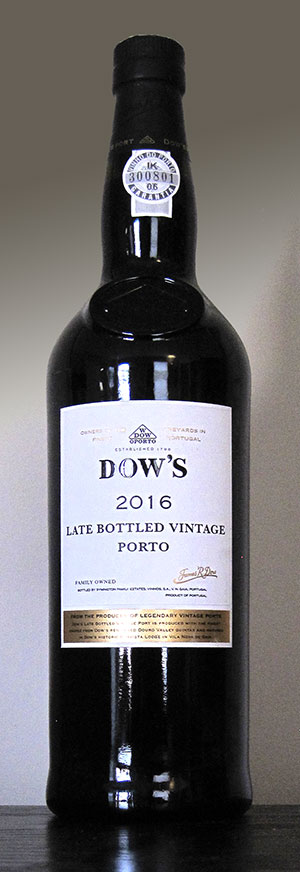
Dow’s Late Bottled Vintage Port 2016 Click here for tasting notes.
True Ports hail from the Douro valley in northern Portugal, and have done so for over three hundred years. The region’s predominant soil is schist, composed of variousmedium-grained to coarse-grainedmetamorphicrocks with laminated,oftenflakyparallellayers of micaceousminerals. The low annual rainfall makes this probably one of the driest regions of the world where grapes are grown without irrigation. This terroir results in very low-yielding vineyards, with vines bearing only a very few small bunches of full-flavored grapes whose thick skins protect them from dehydration.
Port is a fortified wine. Fortification is the addition of brandy or a neutral spirit to wine in order to boost the alcohol content. Fortified wines are often sweet, because the alcohol kills the yeast before fermentation completely runs its course, leaving residual sugar. This accounts for Port’s characteristic rich, luscious style and also contributes to the wine’s considerable ageing potential. Fortification also stabilizes the wine, a definite benefit for a product destined for the long sea voyage from Portugal to England, the first large market for it.
In 1798 Bruno da Silva, a Portuguese merchant from Oporto, traveled to London, where he imported wine from his native country, reversing the route of English traders to Portugal. He married an Englishwoman, was rapidly assimilated into London society, and built a reputation for his wines. When the outbreak of the Napoleonic wars in 1803 put his business in jeopardy, da Silva applied for ‘Letters of Marque’ (a Royal Assent to equip a merchant ship with guns) to secure safe passage of his Port from Oporto to England. His became the only Port company to transport its wines in its own armed fleet, a distinct competitive advantage. Continue reading “Dow’s Late Bottled Vintage Port”
Until Yellow Tail precipitated the boom in “critter wines” in 2000, it can be argued that Penfolds was just about synonymous with Australian wine in the U.S. The label is ubiquitous here, in both grocery stores and fine wine shops. Prices range from about $12 per bottle for the Koonunga Hill Shiraz-Cabernet, to $850 for the legendary Grange, and everything in between. (That $850 is doubly amazing, because just five or six years ago Grange was “only” about $200.) The selections are mostly reds plus a few whites and even a tawny Port.
Founders Dr Christopher and Mary Penfold immigrated to Australia from England in 1844, bringing their own French vine cuttings. Not long after, their fledgling vineyard was officially established as the Penfolds wine company at the 500-acre Magill Estate in Adelaide.
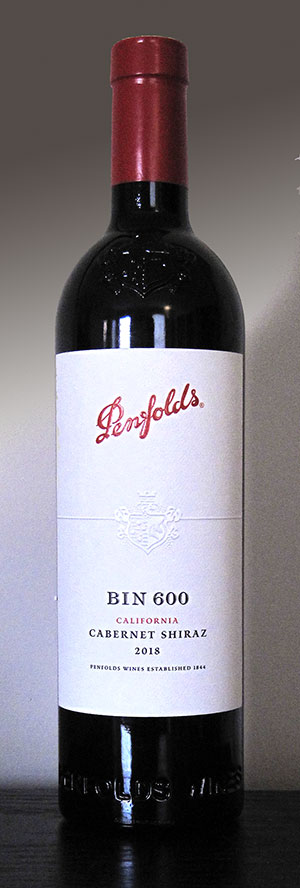
The Penfolds were believers in the medicinal benefits of wine, and they planned to concoct a wine tonic for the treatment of anemia. Initially, they produced fortified wines in the style of Sherry and Port for Dr Penfold’s patients. The operation enjoyed early growth, and since Dr Penfold was focused on his medical practice, much of the running of the winery was delegated to Mary Penfold, including the cultivation of the vines and wine blending. On Christopher’s death in 1870, Mary assumed total responsibility for the winery. According to one historical account, by that time the business had “grown to over 60 acres with several different grape varieties including Grenache, Vverdelho, Mataro (aka Mourvedre), Frontignac and Pedro Ximenez,” and the estate was “producing both sweet and dry red and white table wines with a growing market in the eastern Australian colonies of Victoria and New South Wales.” Clarets and Rieslings were especially popular. Continue reading “Penfolds Bin 600 Cabernet Shiraz 2018”
As a reviewer and source of reliable information, I am supposed to be as objective and unbiased as possible. But not today. Keenan wines have long been some of my favorites.
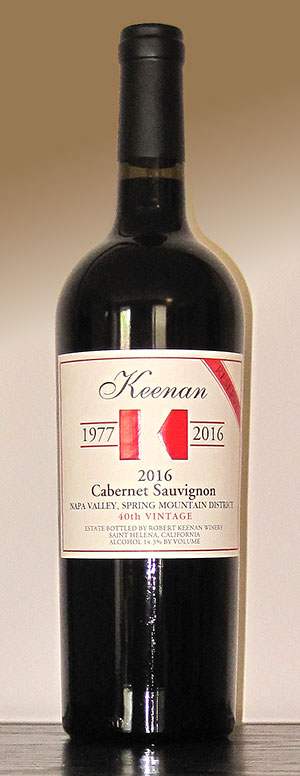
After serving in World War II, Robert Keenan worked as an insurance broker and also invested in commercial real estate. He had been a wine enthusiast for years, including owning a significant collection of Bordeaux wines, and finally decided to have a go at winemaking. Certain that mountain-side vineyards in Napa Valley could produce world class wines, in 1974 Keenan purchased 180 acres (of which 48 are under vine) in the Spring Mountain District at an elevation of 1700 feet. Located on the eastern slope of the Mayacamas mountain range, (Spring Mountain District was declared an American Vineyard Appellation (AVA) in 1993.) The low-vigor soils unique to the region were known to create a stressful environment for vine growth, setting up perfect conditions to encourage vineyards planted on the steep rocky mountainsides to produce wines of great concentration, structure, and pure varietal flavors.
In the 1970s, Portugese rosés such as Lancers and Mateus were the height of sophistication to many young wine drinkers: “It’s imported, and comes in a fun bottle!” With age comes wisdom, and these wines were eventually abandoned for the justifiably famous fortified wines of Portugal, Port and Madeira, produced by many ancient and famous houses.
Much less well-known is Portugal’s status as a producer of both red and white table wine, ranking in the world’s top ten in production. With a population of just 10 million, but top five in per capita consumption, much of that wine is sipped by the thirsty Portuguese.
The Quinta [Estate] of Vesúvio has a long and storied history. António Bernardo Ferreira bought the property in 1823, at that time called Quinta das Figueiras. The property was mostly covered with wild scrub stretching up the mountainside and an abundance of fig trees, which gave it its name. He felt that this property had enormous potential as vineyards. It took his team of five hundred workers thirteen years to carve terraces out of the steep slopes and plant thousands of vines. Within the boundaries there are seven hills and thirty-one valleys. On the summit of each hill stands a ruined old lookout post, which once guarded the property. The tallest lookout is called the Raio de Luz, The Ray of Light. From there you can survey the full 360º aspect of the vineyards.
Vesúvio is situated far upriver in the Douro Superior, 75 miles (120 kilometers) from Portugal’s Atlantic coast and only 28 miles (45 kilometers) from the border with Spain. Vesúvio has a total area of 806 acres (326 hectares), of which 329 acres (133 hectares) are planted with vines. The rest, almost two-thirds, has been conserved in its natural state. Many other things grow at Vesúvio besides vines: oranges, lemons, figs, almonds, walnuts, grapefruits, pomegranates and many more exotic fruits and herbs.
Vesúvio also has great variations in altitude, from 426 feet (130 meters) at the riverside to 1,739 feet (530 meters) at the top of the tallest ridge. Being so far inland, the Quinta experiences climatic extremes, reaching very high temperatures in summer and very low ones in winter. It is extremely dry, with an average of only 16 inches (400mm) of rain falling each year.
In 1827, Ferreira built the winery, with its eight granite lagares (large, open vats or troughs), in which wine grapes are crushed by foot to this day, and eight chestnut vats, each capable of holding the equivalent of one lagar of Port. This original winery is where all of Vesúvio’s Port is still made. The facility was more than just a winery though; it was a whole community in its own right with orchards, gardens, and a village where the workers lived with their families. There was even a school, which would have been the nearest one for dozens of miles in any direction.
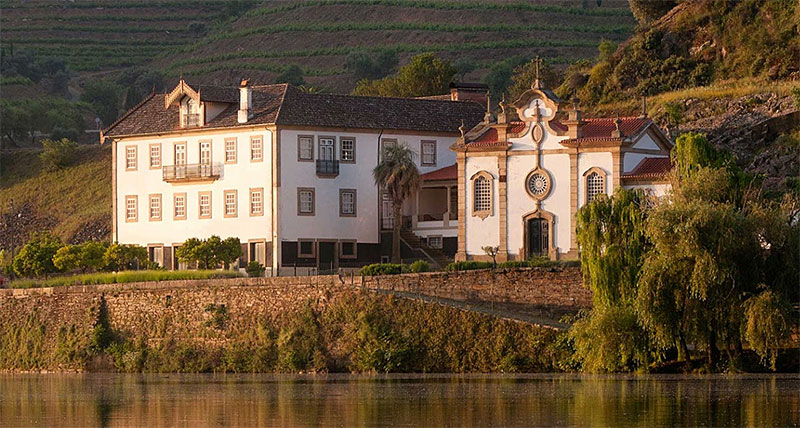
Quinta do Vesúvio
After working with the property for seven years, in 1830 Ferreria decided to rename the estate Quinta do Vezúvio (originally with a ‘z’ as was common in Portuguese spelling at that time). At the time, Ferreria boasted, “All the English have poured praise on my lodge and hold that they cannot find another adega [wine house] to match mine in the Douro … stating frankly that both in Oporto and the Douro, nobody has better wines.” In an unprecedented move, Ferreira exported his wines directly from his winery to the United Kingdom, then the largest market for Port by far. His aim was to persuade the authorities of the great quality of wines from the Douro Superior and hence the need to extend the Denominação de Origem Controlada. It had been established in 1756, almost 180 years before the French established their own similar quality system, but many Portugese winemaking regions were originally excluded.
During his life, Ferreira was involved with many of the most famous Quintas in the Douro Superior. Vesúvio, though, was his showpiece, and the only one mentioned In the memorial marking his death in 1835.
In 1834 Dona Antónia married Bernardo Ferreira II, Ferreira’s son, in the small chapel at her parents’ farm, the Quinta de Travassos. Following his death in 1844, she and their children inherited all of his vast Douro empire, but Antónia was adamant that Vesúvio should remain exclusively her own, and proceeded to extend the fame and reputation of the operation. She was the first to bottle her wines and sell them under the Quinta’s own name, unprecedented in the nineteenth century.
When phylloxera ravaged the Douro, Antónia began to experiment with new grape varieties and new techniques of grafting in her vineyards. Predictably, during these years the Portuguese wine economy suffered significantly. While other producers in the Douro were laying off their employees, Antónia found ways to keep them on, planting orchards, nut trees, cereals, and other crops, as well as grazing flocks of animals. In the 1870s and 1880s she also renovated and expanded the house and the chapel, which remain today just as she rebuilt them.
Following Dona Antónia’s death in 1896, Vesúvio was held by the Briti Cunha family for many generations until 1989, when the Symingtons, winemakers in the Douro for five generations, assumed possession. In 1882 the first Symington, Andrew James, moved from Scotland to Portugal to work for W & J Graham’s. But their ancestry in Port goes back even further. When Andrew James married Beatrice Leitão de Carvalhosa Atkinson, he married into a lineage that goes all the way back to Walter Maynard, who in 1652 was one of the very first British Port merchants to export wine from Oporto.
Symington Family Estates bills itself as the leading producer of premium-quality Ports in the world, with brands such as Graham’s, Cockburn’s, Dow’s, and Warre’s. SFE is also the leading vineyard owner in the Douro Valley with 2486 acres (1006 hectares) of vineyards across 27 quintas, all of which are managed according to sustainable viticulture standards; much of them are also organically farmed. When the Symingtons bought Quinta do Vesúvio, they decided that the sole objective would be to create outstanding vintage wines, initially focusing exclusively on Vintage Port and later adding dry (Douro DOC) wines, including this one.
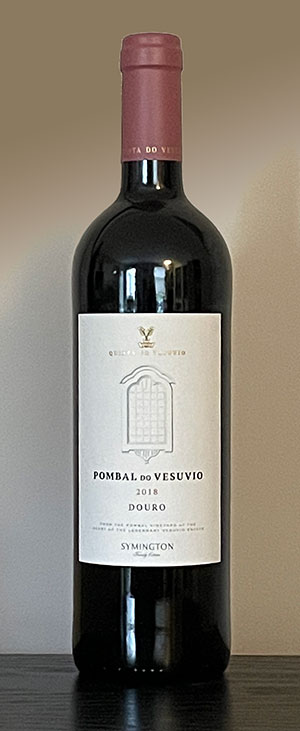
Pombal do Vesúvio 2018
This is Vesúvio’s second-tier wine, a blend of 50% Touriga Franca, 45% Touriga Nacional, and 5% Tinta Amarela. It is named after the estate’s dovecote, a structure intended to house pigeons or doves, or “pombal” in Portugese, which is surrounded by vineyards. Unlike the first-tier fruit, the grapes are transported to the Quinta do Sol winery for processing and fermentation.
The wine is dark purple, with subtle aromas of roasted plum with a hint of thyme. The palate features quite tart red cherry and blackberry, the fruit rather recessive in the Old World style. It’s all supported by moderate black-tea tannins. 2,000 cases were produced, and the ABV is 14.5%.
Not even the Greek-Americans I know will drink Retsina. Quite a bold position, considering it is routinely called the “iconic wine of Greece” and is ingrained in the food and drink culture of the nation.
And I don’t understand their reluctance. I’ve been enjoying Retsina for decades, although I will admit it’s in part because of Retsina’s origin story. More on that in a moment. The traditional grape for Retsina is Savatiano with Assyrtiko and Rhoditis sometimes blended in. Modern Retsina is made following the same winemaking techniques as white wine, with the exception of small pieces of Aleppo pine resin (!) being added to the must during fermentation. (It remains to be seen what effect this past summer’s wildfires in the Greek pine forests will have on resin production.) It is this pine resin that gives Retsina its name, as well as its unique flavor profile. The resin exudes an oily film on the surface of the fermenting liquid; after racking, the wine is clarified and the solids and surface film are removed.
Nowadays, much less resin is used than traditionally called for. Such wines lack the pungent “whiff of turpentine” of old. Indeed, it seems to me the resin content goes down every year. Frankly, I miss that resin punch, and, ironically, even as producers seemingly try to make the wine more accessible, fewer people are willing to try it. Regardless, it is considered an ideal accompaniment to such flavorful Greek dishes as saganaki, pastırma or garlic dips, which are often consumed as appetizers.
But why add pine resin in the first place? Isn’t this a gross adulteration, easily remedied? In ancient Greece, long before the advent of the barrels and bottles we take for granted today, earthen wine jars and amphorae were sealed with pine resin to protect the contents from oxidation. Some of this inevitably flavored the wine. So much for the historical record.
But the legend is far more interesting. It centers on the siege of Greece by the Romans in the second century B.C. As the invaders plundered everything that came their way, the beleaguered Greeks were determined to deny them the wine. “You will take our freedom . . but you will not enjoy our wine!” they reportedly cried. It was deliberately tainted with the now-famous pine resin, and in fact the Romans refused to drink it. Once the war was over, however, and the Greeks had prevailed, it was time to celebrate. But, all of the available wine had been dosed with pine resin. What to do? Well, drink it anyway, of course, and acquire a centuries-long taste for it!
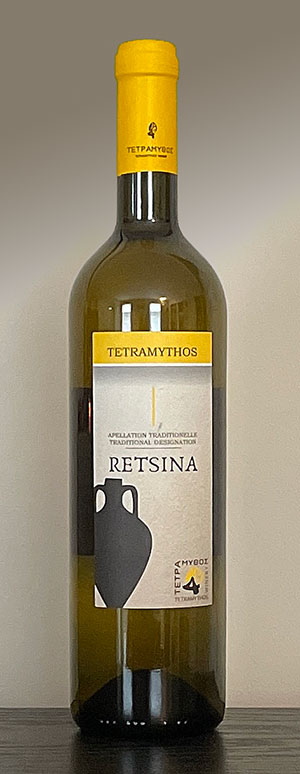
Tetramythos Retsina
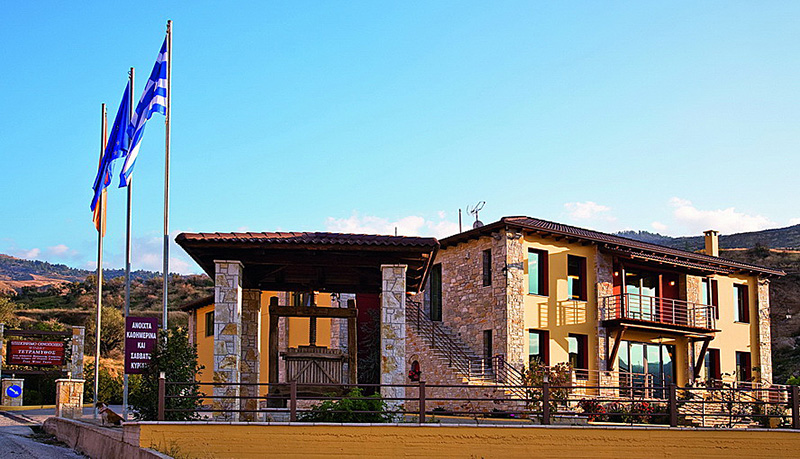
Founded in 1999 by brothers Aristides and Stathis Spanos, Tetramythos Winery is a boutique operation situated at Ano Diakopto of Egialia in the northern Peloponnese peninsula in the south of Greece. As far back as 150 AD the geographer Pausanias referred to the local villages as ideal for the cultivation of grapes.
The Tetramythos winery, completed in 2004.
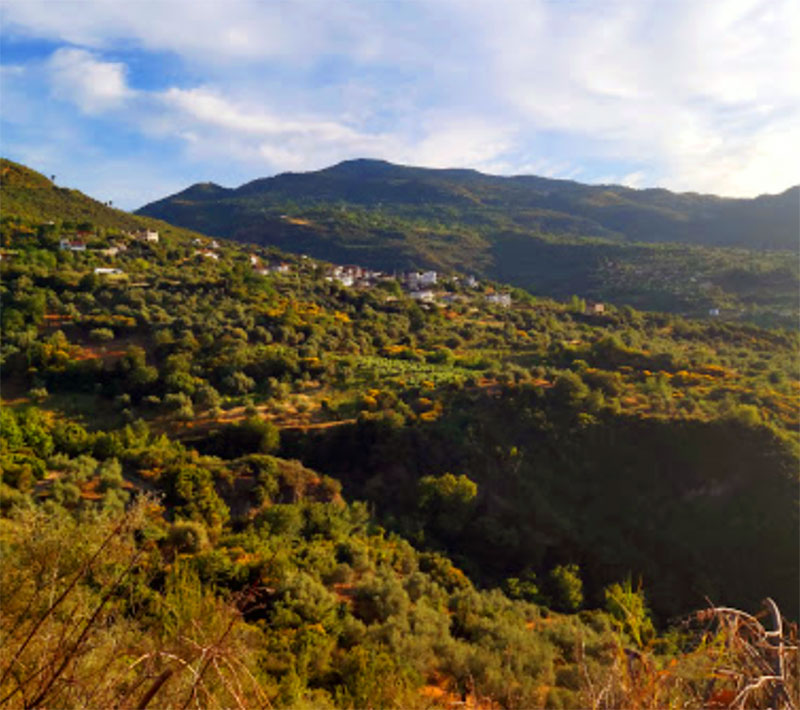
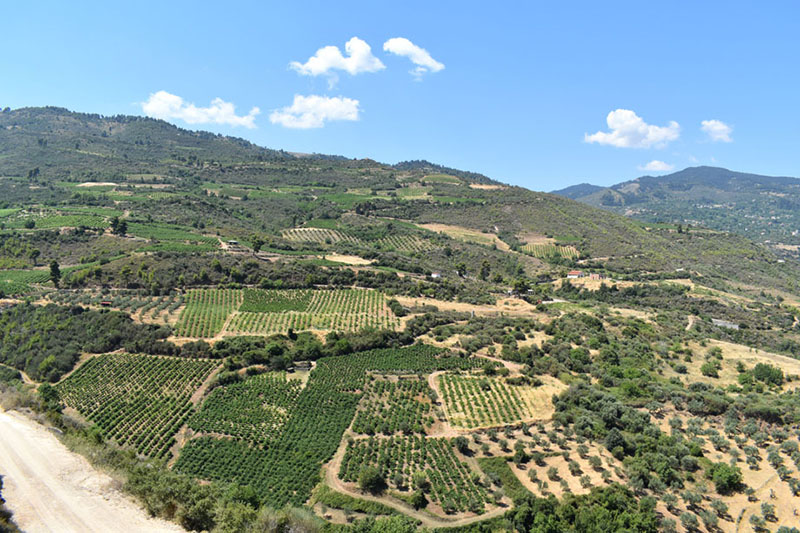
There are 35 acres of vineyards [14 hectares]. The vines are planted in soils that are limestone-rich and at altitudes of 1,965 to 3,450 feet (600 to 1050 meters) on the slopes of Mount Aroania. The vines are certified organic by the Greek DIO organization, and winemaking is as natural as possible. These are true cool-climate vineyards, mostly north-facing, where breezes from the gulf of Corinth help produce fresh and balanced fruit. Indigenous and international grape varieties are grown, including Roditis, Mavro Kalavritino, Agiorgitiko, Malagouzia, Sauvignon Blanc, Merlot, and Cabernet Sauvignon.
The mountainside. Photo: Αντωνης Ογλου
Inside the winery, small stainless steel tanks enable small-scale vinification suited to each varietal and vineyard. There are also underground ageing and barrel cellars. and a wine bar.
Panayiotis Papagiannopoulos, the winemaker, hails from the area. He is known for being one of the most innovative wine producers in Greece; humble with great dedication, he has saved local grapes from extinction, and has researched how to use traditional amphora of the past with modern production methods.
Tetramythos vineyards
This pale yellow wine is, unusually, 100% Roditis that has been aged for up to two years. It has a mildly aromatic nose. There is just a whisper of pine resin on the palate, which is dominated by citrus, especially lemon, with good acidity and a bit of chamomile on the finish. This is a pleasant, refreshing quaff, but not really my idea of a Retsina. ABV is 12.5%.



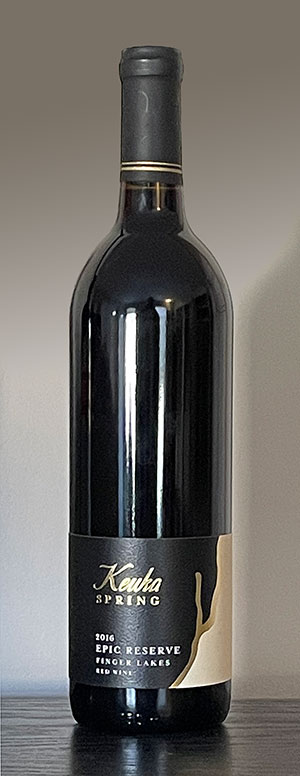 Keuka Spring Epic Reserve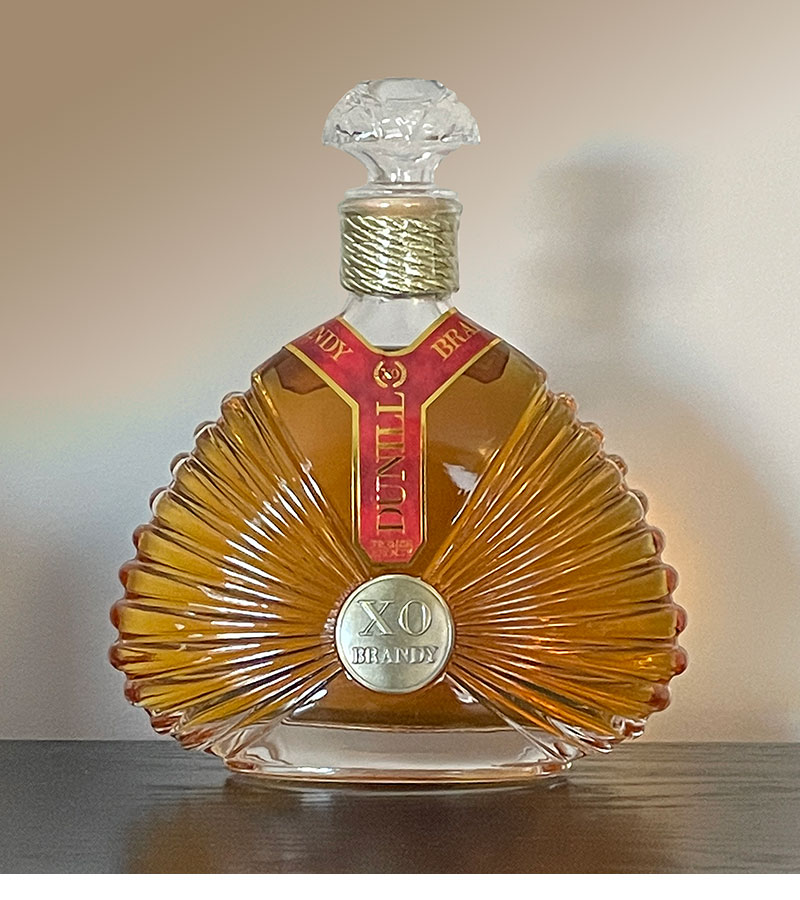
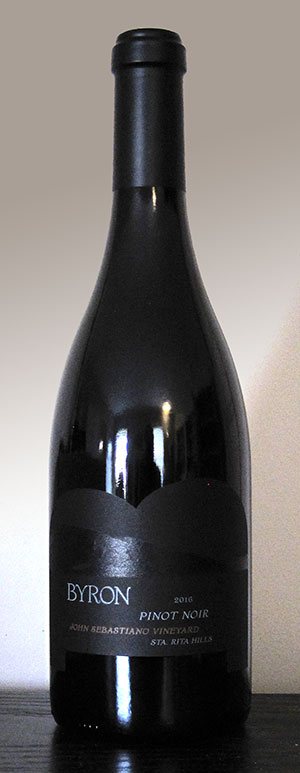 Byron John Sebastiano Vineyard Pinot Noir 2016