
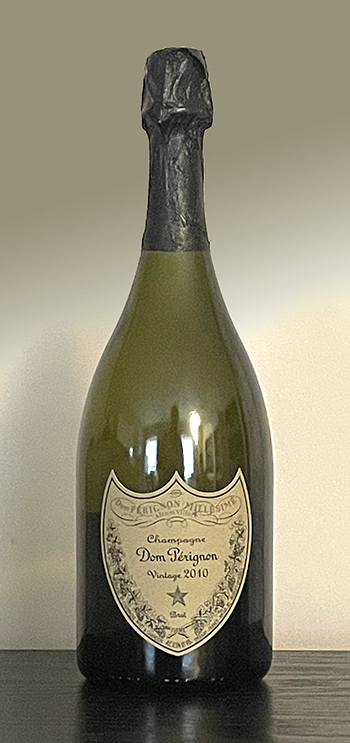
Dom Pérignon Champagne 2010
There’s sparkling wine. There’s Champagne. And then, as far as I’m concerned, there is Dom Pérignon.
Sparkling wine is simply wine that contains bubbles of carbon dioxide gas. There are four methods of infusing the wine with bubbles, which I won’t bother with here, and fizzy wine is made around the world.
“Champagne” has for a long time been used generically and interchangeably with sparkling wine. But, in the European Union and many other countries the name Champagne has been legally protected by the Madrid system as far back as an 1891 treaty, which reserved it for the sparkling wine produced in the eponymous region and adhering to the standards defined for it as an appellation d’origine contrôlée. In the early 2000s Australia, Chile, Brazil, Canada, and China passed laws that limit the use of the term “Champagne” to only those products produced in the Champagne region. Since 2006, the United States has banned the use from all U.S.-produced wine brands, with a specific exception: producers that had approval to use the term on labels before 2006 may continue to use it, provided the term is accompanied by the wine’s actual origin (e.g., “California”). Hence, a wine such as “Korbels California Champagne,” is still allowed.
Dom Pérignon is named after a Benedictine monk, Dom Pérignon (1638–1715), who was a pioneer in Champagne wine but who, contrary to popular myth, did not discover how to make sparkling wines*. However, he was the inventor of the second fermentation in the bottle, the Méthode Traditionelle (formerly Méthode Champenoise), that creates Champagne as we know it.
![Scheid VDR [Very Dark Red]](https://winervana.com/wp-content/uploads/2022/08/VDR.jpg)
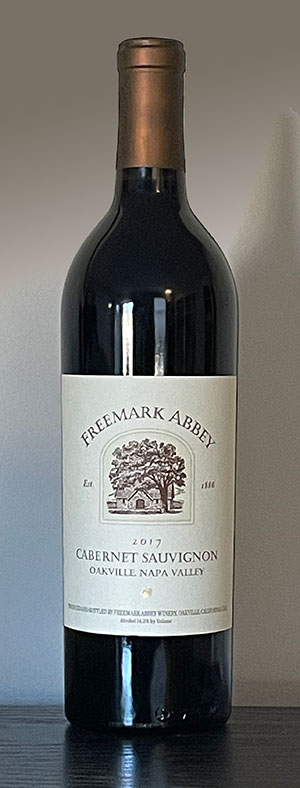
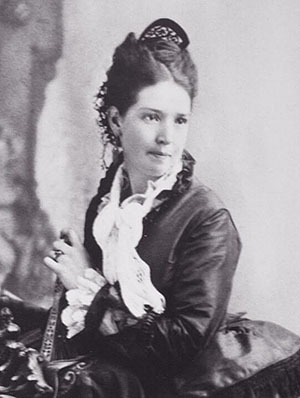
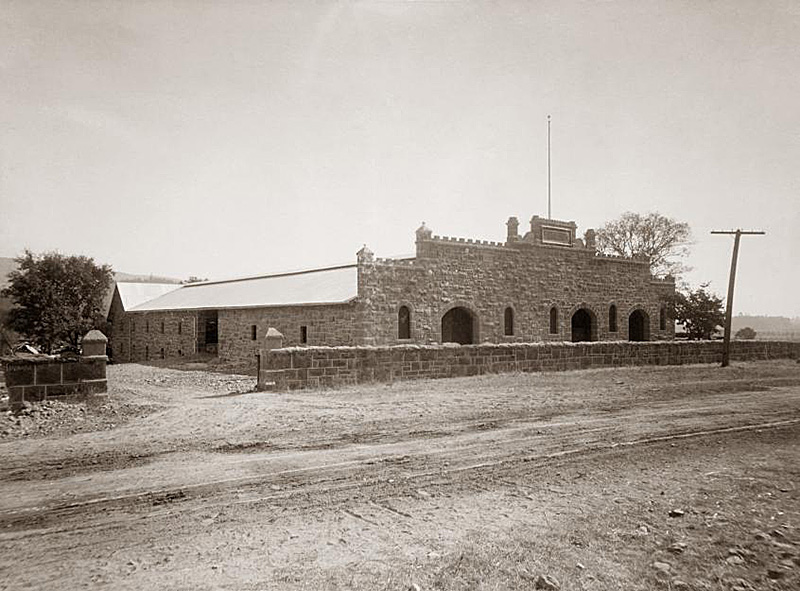


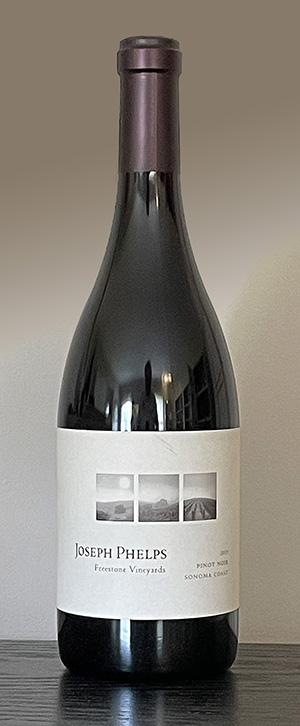
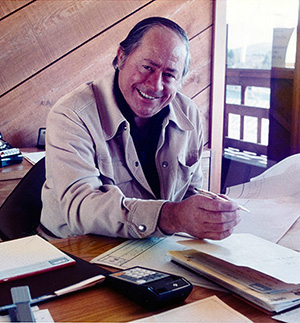 In the early 1970s, Joe Phelps started looking for a place to make a little wine. After a stint in the Navy, he’d grown his father’s Greeley, Colorado-based construction business into a multi-state powerhouse, expanding to northern California in the mid-1960s to work on bridge and dam projects and the infrastructure for BART. As a hobby, he did some home winemaking in Greeley using grapes shipped by air overnight from Napa. After landing the contract to build the Souverain Winery, the idea of starting his own winery took hold.
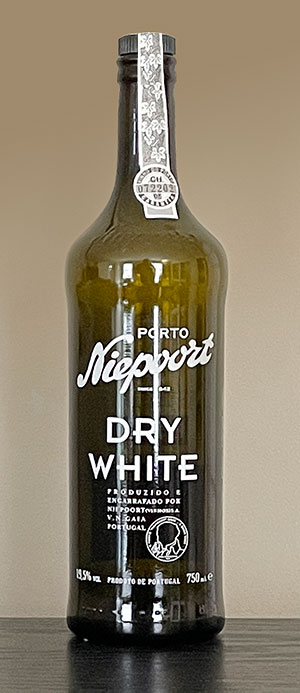
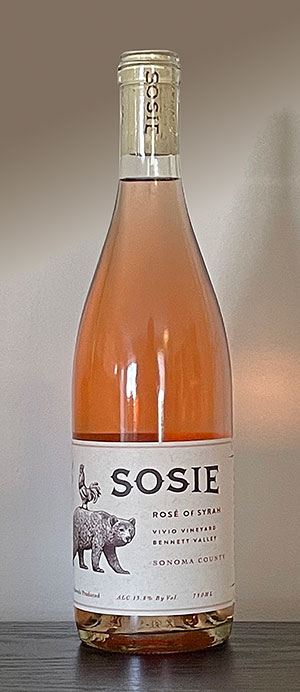 Sosie Rosé of Syrah Vivio Vineyard Bennett Valley Sonoma 2021
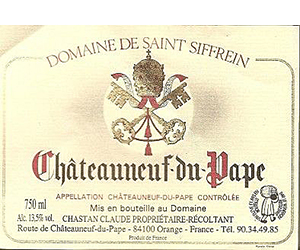 those bottles and the crossed-keys of the papal crest. It was a symbol you could trust, my mom used to say. I never forgot that, and as a young adult one of the first places I had to visit in France was Chateauneuf. To this day I still love those wines.”