
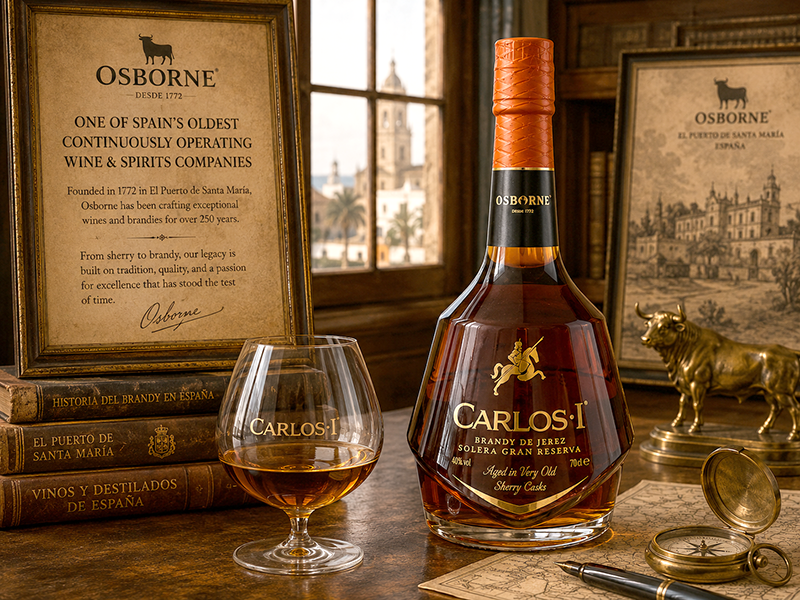
Carlos I Brandy de Jerez Solera Gran Reserva
If Cognac represents the pinnacle of French grape brandy, Carlos I Brandy de Jerez is one of Spain’s great answers to it. Produced by Bodegas Osborne, it is arguably the flagship premium Brandy de Jerez, and has done more than almost any other brand to elevate Spanish brandy from an everyday digestif to a world-class sipping spirit.
Founded in 1772, Osborne is one of Spain’s oldest continuously operating wine and spirits companies. It was established in El Puerto de Santa María, in Cádiz province, at the heart of the Sherry Triangle. The company remains family-owned after more than 250 years.
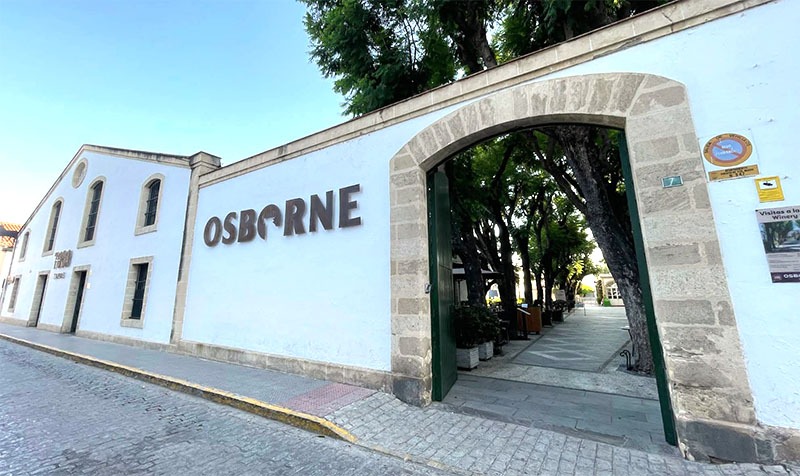
The company traces its roots to Thomas Osborne Mann, an English merchant who settled in Andalusia to trade sherry. During the 18th and 19th centuries, British merchants played an enormous role in developing the export market for Sherry wines, and Osborne became one of the most successful.
Osborne has earned numerous international accolades, including recognition as Brandy Producer of the Year at the International Spirits Challenge 2020. Carlos I has long been regarded as one of the benchmark premium Brandies de Jerez and remains one of the category’s best-known ambassadors worldwide.
El Puerto de Santa María is one of only three municipalities permitted to produce authentic Brandy de Jerez. The other two are Jerez de la Frontera, and
Sanlúcar de Barrameda. The Atlantic climate of all three is critical. The humid sea air and alternating Levante (hot inland) and Poniente (cool Atlantic) winds create ideal conditions for long barrel maturation.
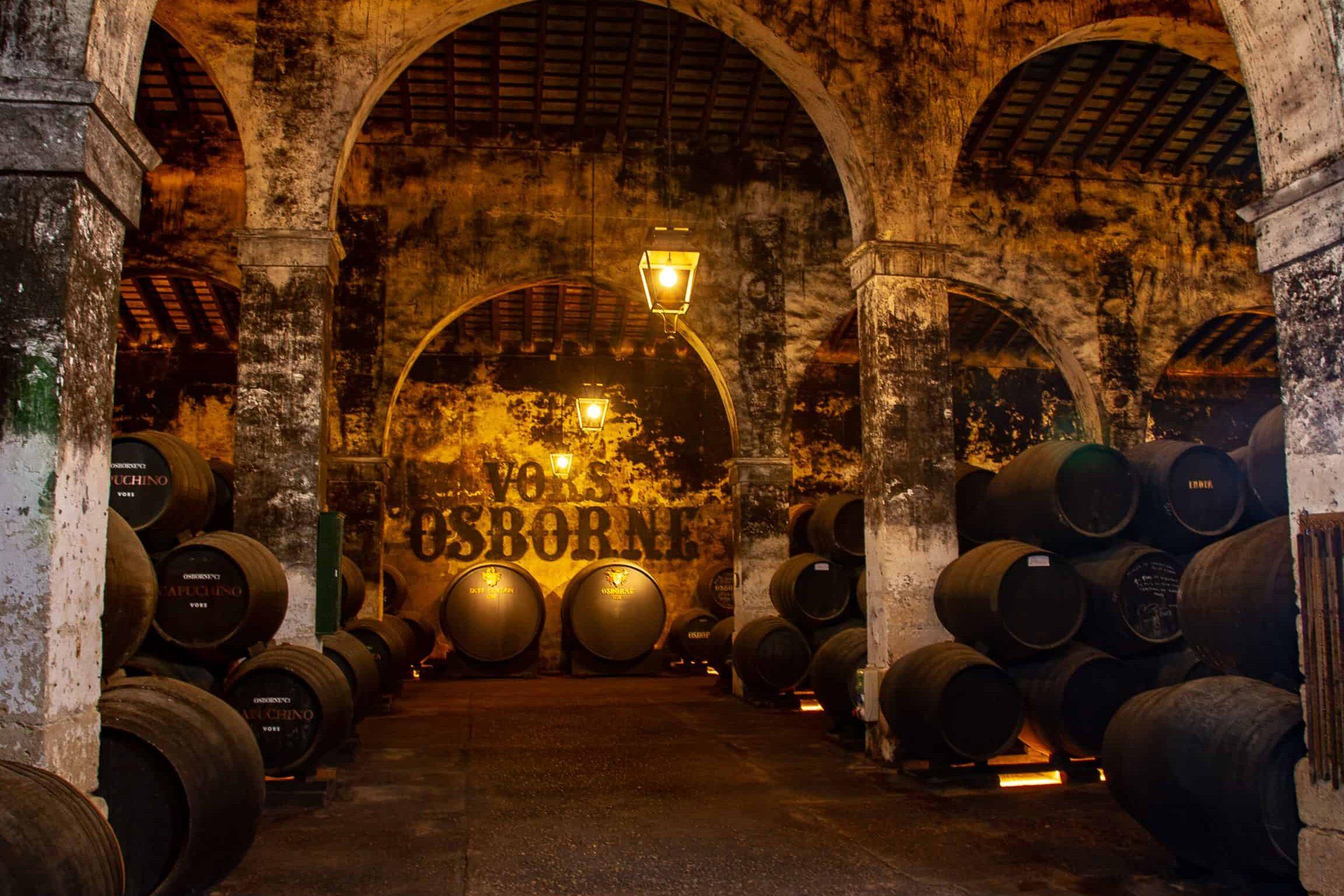
Unlike Cognac or Armagnac, Brandy de Jerez derives much of its personality from its barrels rather than its distillate. After distillation, the spirit rests in used Sherry barrels and then is aged using the famous Criaderas y Solera system.*
Carlos I Brandy de Jerez Solera Gran Reserva
According to Osborne’s official history, around 1889 a cellar master discovered forgotten casks filled with exceptionally mature brandy hidden in a corner of the bodega. Nobody knew exactly how old they were. After tasting them, he realized they were extraordinary and decided they deserved their own name.
He christened them Carlos I (aka Emperor Charles V), inspired by Titian’s famous equestrian portrait following the Battle of Mühlberg. The emperor’s horse remains part of the brand’s visual identity today.
Unlike Cognac where the base spirit is composed of one or more of Ugni Blanc. Folle Blanche, and Colombard. Carlos I is distilled primarily from Airén, Spain’s most widely planted white grape.
In order to be labeled Solera Gran Reserva. the brandy must be barrel-aged for a minimum of three years. However, top producers often mature their brandies for much longer than the legal minimum. Estimates are that Carlos I’s average age is around 10 years or more, though Osborne does not publish a precise figure.
The brandy pours a deep amber in the glass, with gold highlights (although Osborne cheats by adding caramel coloring). The nose features raisins, figs, and leather. Rich flavors include caramel, vanilla, cinnamon, and orange zest. The full-bodied finish is very long and warm. ABV is 40%.
Listen to my podcast about brandy, Cognac, and Armagnac here.
* This system basically involves casks distributed in separate rows, one placed on top of the other, each of which is made up of approximately the same number of casks (known as “butts” in Jerez). The bottom row of casks is named the solera and contains the oldest product, then moving up the rows in order of age comes the first criadara and above this the second criadera and so on. New distillate is added to the top criadera. When brandy is to be bottled it is taken from the bottom solera row – the same quantity taken from each butt and never more than a third of the total content – in an operation known as the saca. The quantity of brandy taken from the solera is then replenished with the same quantity taken from the criadera immediately above, and this in turn with brandy from the next criadera above, and so on. This cascade of liquid is known as the rocio, and it is this continuous blending that enables the brandy to have the same taste, aroma, color, and quality year after year.
A note about brandy vs. Cognac: brandy is a liquor distilled from wine and aged in wood. (Brandy can be made from fruits other than grapes as well, but that’s a story for another time.) Cognac is brandy that specifically comes from the town of Cognac and the delimited surrounding areas in western France. (The one which has the most favorable soil and geographical conditions is Grande Champagne.) So, all Cognacs are brandy, but not all brandies are Cognac. For more detail on Cognac, click here.
Back to blog posts: winervana.com/blog/