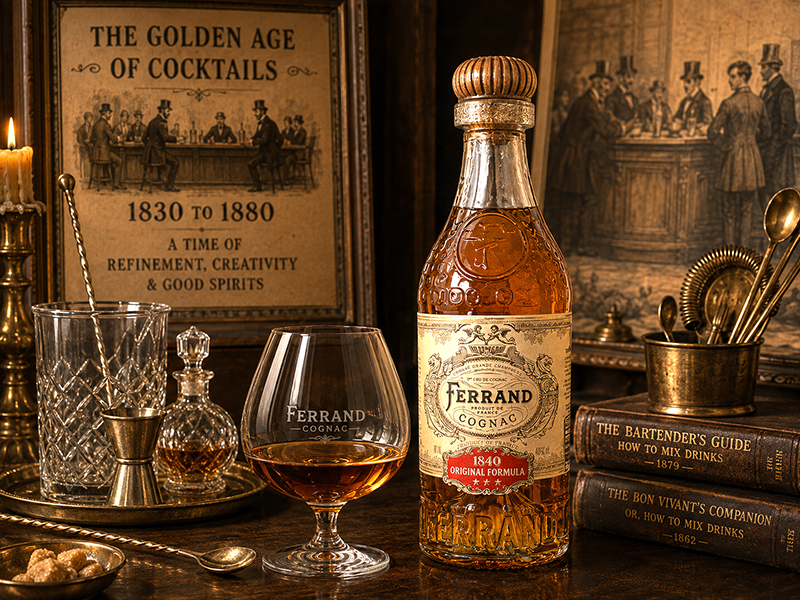
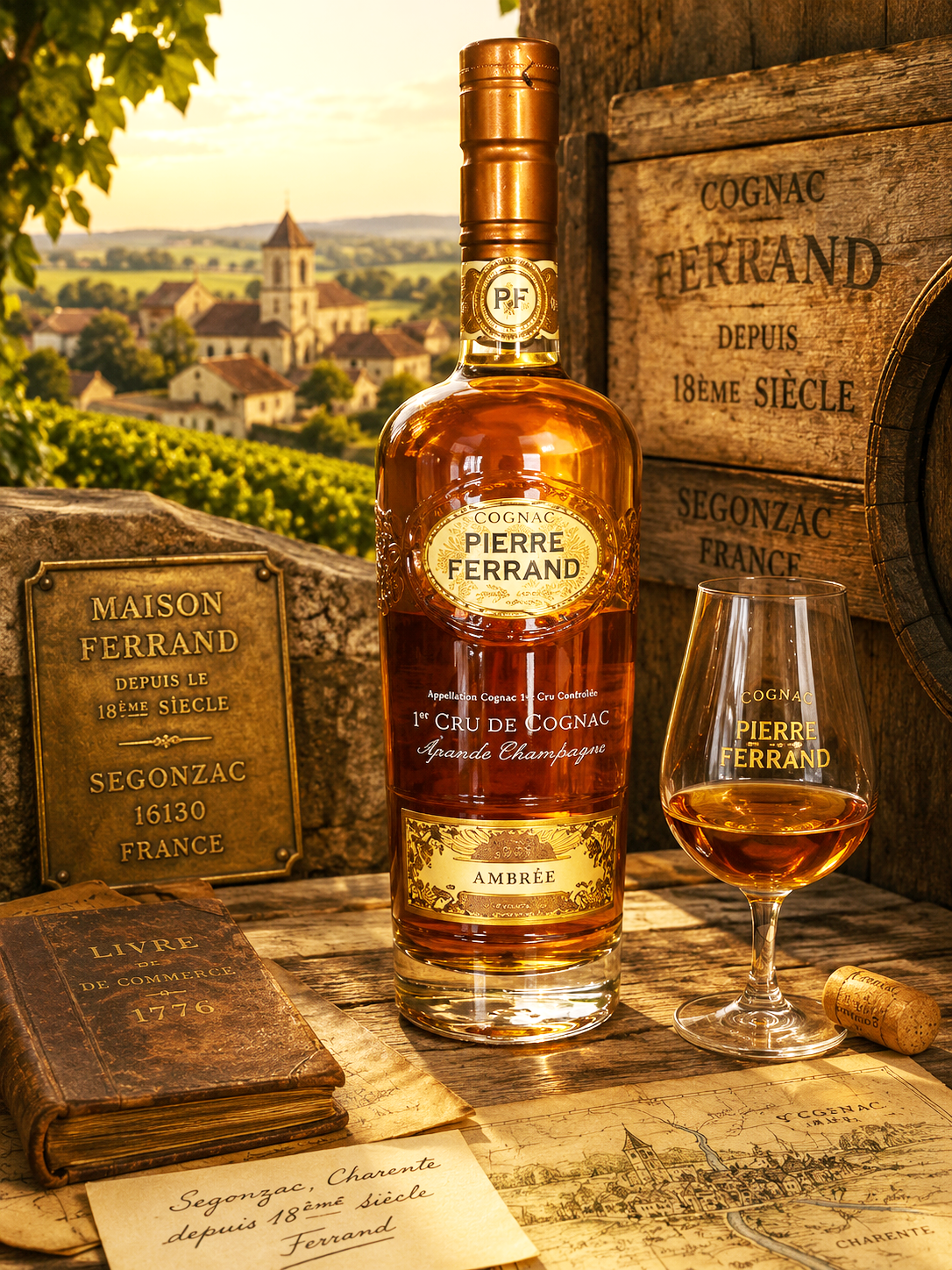
Cognac has been sold under the Ferrand name since the 18th century, spanning 10 generations of producers, beginning with the birth of the first Elie Ferrand in the small town of Segonzac in 1630 (nine more Elies would follow). In 1989, Alexandre Gabriel partnered with Pierre Ferrand, the living heir of the family, to develop a line of Cognacs. Once Pierre Ferrand retired in 1993, Gabriel became sole proprietor. Continue reading “Ferrand 1840 Cognac”
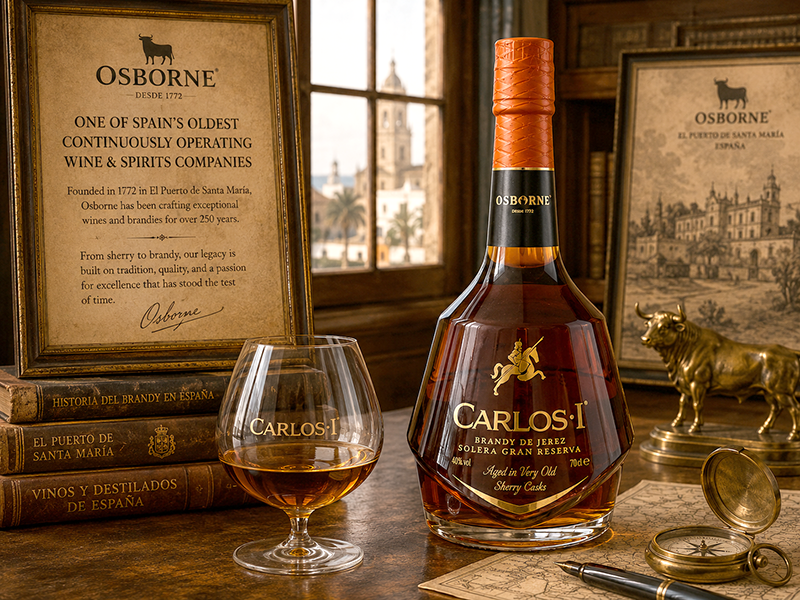
If Cognac represents the pinnacle of French grape brandy, Carlos I Brandy de Jerez is one of Spain’s great answers to it. Produced by Bodegas Osborne, it is arguably the flagship premium Brandy de Jerez, and has done more than almost any other brand to elevate Spanish brandy from an everyday digestif to a world-class sipping spirit.
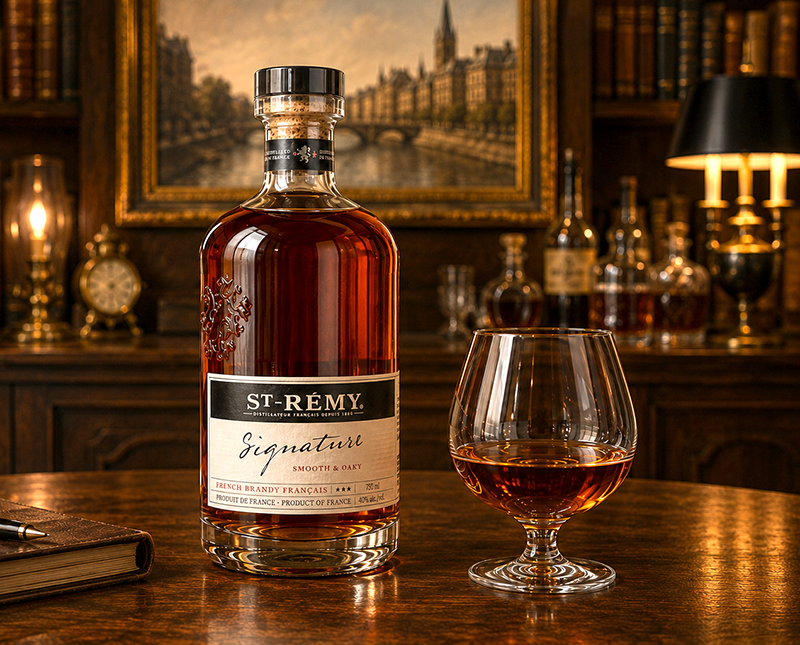
Rémy Martin is one of the world’s oldest and best known Cognac brands, with selections that range, at my local liquor store at least, from the $13 St. Remy French brandy to the $9000 Rémy Martin Louis XIII Time Collection: City of Lights – 1900. (I have tried one of these, but not both.)
Is this one of the best bargains in French brandy? Maybe. Maybe not.
When most spirits enthusiasts hear the name Gran Gala, they immediately think of the popular Italian orange liqueur often compared to Grand Marnier. What many drinkers don’t realize is that Gran Gala also produces an authentic French cognac—a surprisingly affordable bottle. At a time when many well-known cognac brands command prices of $40, $50, or significantly more for their entry-level offerings, Gran Gala VS often sells for less than $25. That price alone makes it worthy of a closer look.
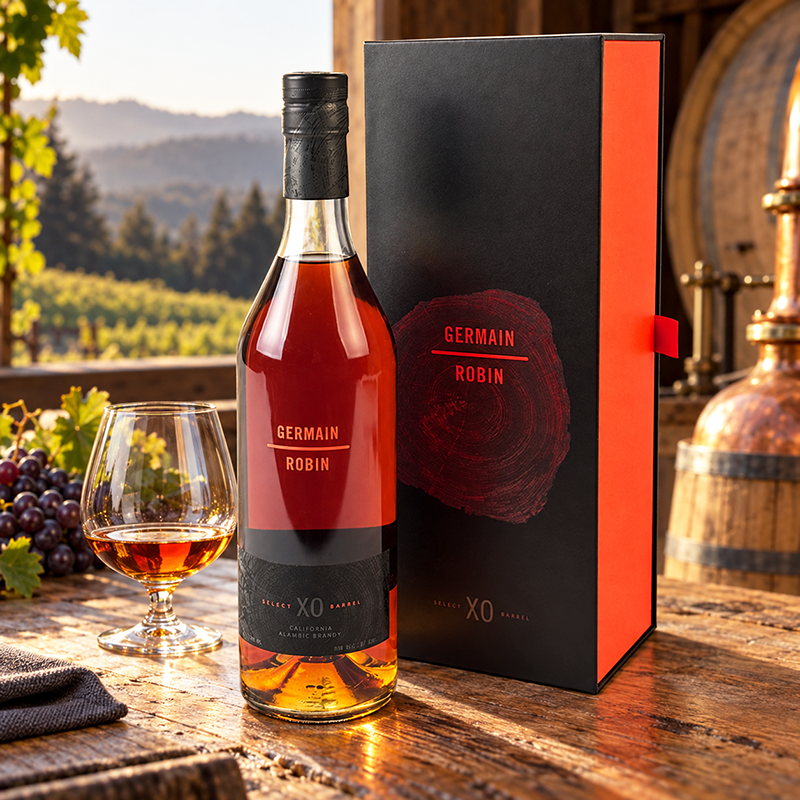
In the world of fine spirits, few American producers have challenged Old World orthodoxy as boldly—or as successfully—as Germain-Robin. Long before “craft distilling” became a marketing buzzword, Germain-Robin was quietly rewriting the rules of brandy in Northern California, proving that greatness didn’t have to come from Cognac to rival it.
Wollersheim Winery is located on a scenic hillside overlooking the Wisconsin River, across from Prairie du Sac, Wisconsin, about 30 miles northwest of Madison. In addition to the winery, the property now includes a distillery and a bistro.
H by Hine is a selection from Hine Cognac, a distinguished brand with a rich history which traces its origins back to the 18th century. Thomas Hine, a young Englishman from Dorset, traveled to France to learn French and the art of making cognac. He settled in the town of Jarnac, in the heart of the Cognac region, where he fell in love with and subsequently married Françoise Elisabeth Delamain, the daughter of a famous cognac négociant (a person or firm that sells or ships wine as a wholesaler).
Rémy Martin 1738 Accord Royal Cognac. Click here for tasting notes.
Rémy Martin 1738 Accord Royal Cognac
Rémy Martin is one of the world’s oldest and best known cognac brands, with selections that range, at my local liquor store at least, from the $13 St. Remy French brandy to the $9000 Rémy Martin Louis XIII Time Collection: City of Lights – 1900. (I have tried one of these, but not both.)
First, let’s talk about brandy vs. Cognac. Brandy is a liquor distilled from wine and aged in wood. (Brandy can be made from fruits other than grapes as well, but that’s a story for another time.) Cognac is brandy that specifically comes from the town of Cognac and the delimited surrounding areas in western France. (The one which has the most favorable soil and geographical conditions is Grande Champagne.) So, all Cognacs are brandy, but not all brandies are Cognac. For more detail on brandy and Cognac, click here.
First, let’s talk about brandy vs. Cognac. Brandy is a liquor distilled from grape wine and aged in wood. (Brandy can be made from fruits other than grapes as well, but that’s a story for another time.) Cognac is brandy that specifically comes from the town of Cognac and the delimited surrounding areas in western France. (The one which has the most favorable soil and geographical conditions is Grande Champagne.) So, all Cognacs are brandy, but not all brandies are Cognac. For more detail on brandy and Cognac, click here.
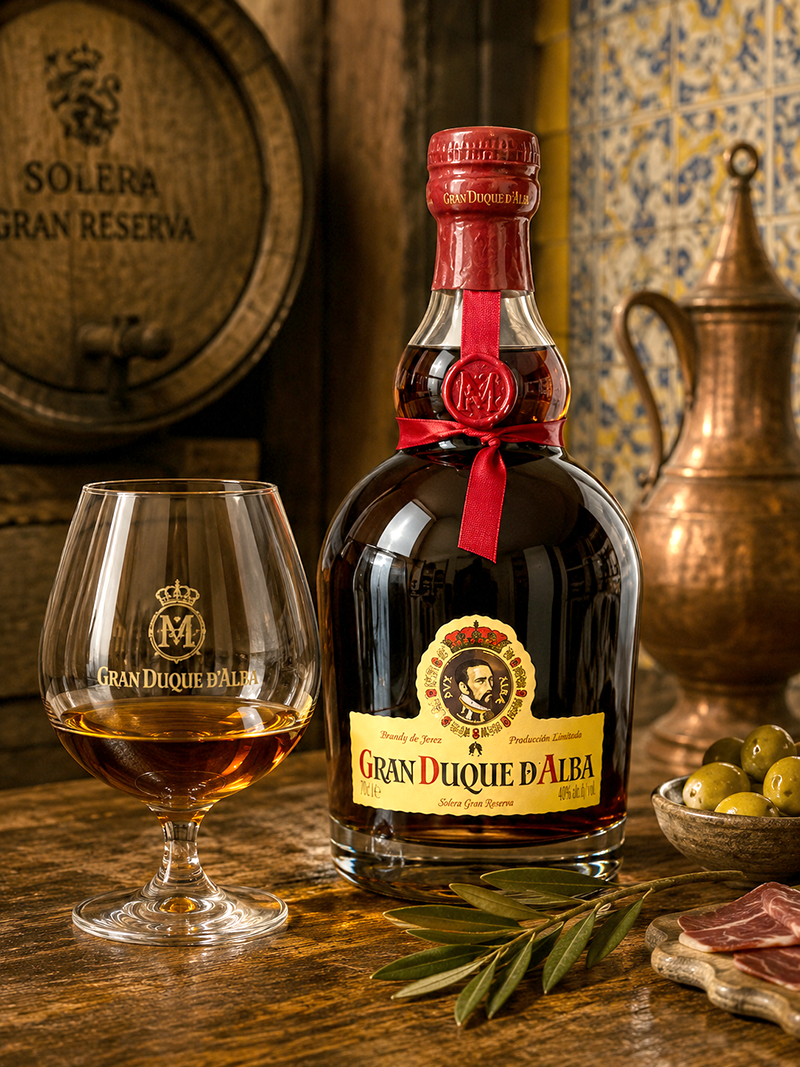
Gran Duque d’Alba Solera Gran Reserva Spanish Brandy
For those who don’t know, brandy is distilled from wine and aged in wood to give it its characteristic flavor and color. The word brandy comes from the Dutch brandewijin, meaning “burned (distilled) wine.” It is usually made from grape wine, but can be distilled from other fruit wines, most often apple, in which case it is called apple brandy or applejack generically, and Calvados in France. (Calvados is in northwestern France, on the English Channel.) Cognac, perhaps the best-known type of brandy, specifically comes from the town of Cognac and the delimited surrounding areas in western France. So, all Cognacs are brandy, but not all brandies are Cognac. For more detail on Cognac, click here.
If you want a good cheap brandy, consider blending your own
Obviously, I enjoy wine, but I’m a fan of liquor too, especially brandy. Brandy is distilled from wine and aged in wood to give it its characteristic flavor and color. The word brandy comes from the Dutch brandewijin, meaning “burned (distilled) wine.” It is usually made from grape wine, but can be distilled from other fruit wines, most often apple, in which case it is called apple brandy or applejack generically and Calvados in France. Cognac is brandy that specifically comes from the town of Cognac and the delimited surrounding areas in western France. So, all Cognacs are brandy, but not all brandies are Cognac. For more detail on Cognac, click here.
Is it possible to get a quality XO brandy for $20? If this Dunill XO is any indication, the answer is no. (For just one comparison, Courvoisier XO costs $170. Most XOs cost at least $100, and go up from there.)
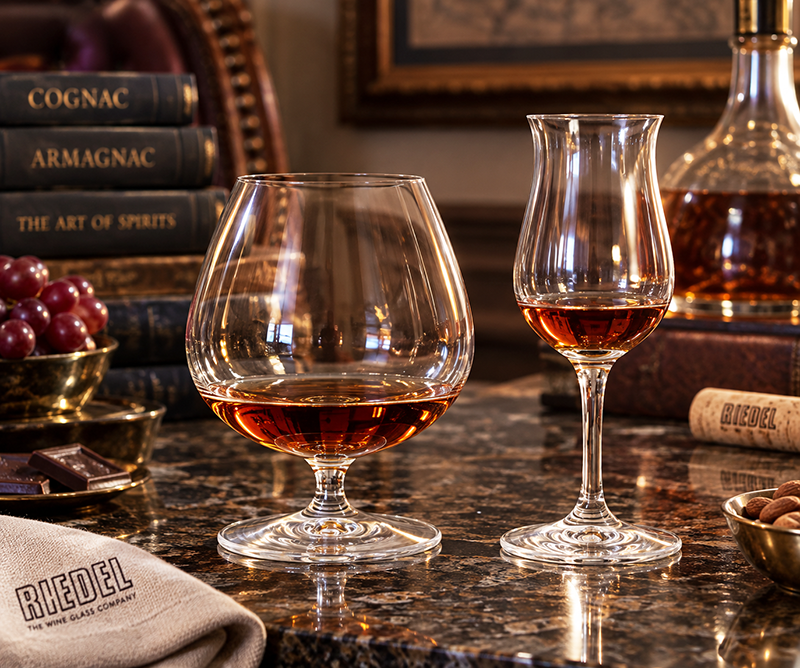
Riedel of Austria, famous for its varietal-specific stemware, makes both of these glasses, and both are intended for use with brandy and its variants Cognac, and Armagnac. How is this possible? They could hardly be more different.
The glass on the left is the iconic brandy snifter, as instantly recognizable as a martini glass. Its large balloon bowl is intended to display as much of a brandy’s aroma as possible. And the wide bottom is intended for cradling in the palm of your hand, warming the brandy to further enhance the nose.
The glass on the right, although named by Riedel specifically for Hennessey Cognac, is suited for any brandy, Cognac, or Armagnac, and is the one preferred by connoisseurs and professionals. The bowl still allows for appreciating the aroma, without accelerating the evaporation like a snifter can, and the tulip shape concentrates it. A similarly-sized and -shaped wine glass can work nearly as well.
While I enjoy stemware like this, as always my advice is to use whatever you like. As far as I’m concerned, if you don’t have to slurp your beverage directly off the counter you’re good to go.
A note about brandy vs. Cognac: brandy is a liquor distilled from wine and aged in wood. (Brandy can be made from fruits other than grapes as well, but that’s a story for another time.) Cognac is brandy that specifically comes from the town of Cognac and the delimited surrounding areas in western France. (The one which has the most favorable soil and geographical conditions is Grande Champagne.) So, all Cognacs are brandy, but not all brandies are Cognac. For more detail on brandy and Cognac, click here.