Three decades ago, on my first visit to Napa valley, I stopped by Beringer for a tasting. I didn’t know much about Beringer at the time, mostly that they had a long history and made some well-regarded wines. Back then, tastings were free, but a friend had given me a tip to skip that and head upstairs to the Founders room, where you could sample Beringer’s best wines for $10. As a bonus, there was a crowd downstairs, but I had upstairs nearly to myself. I left that session with a life-long affinity and appreciation of what Cabernets from Napa could be like. (Today, the basic tasting is $45, and the high-end samplings are $125 or $150, depending on which way you go. Ouch.)
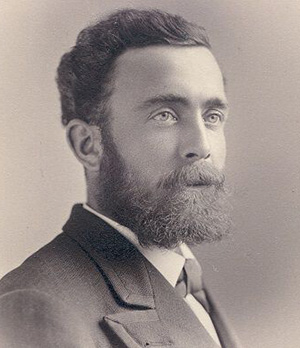
Jacob Beringer
In 1868, Jacob Beringer, enticed by the opportunities of the new world, sailed from his home in Mainz, Germany, to New York. However, after hearing that the rocky hillside soil and fertile valley floor of Napa Valley resembled that of vineyards back home in Germany, Jacob made his way to California in 1869. He became cellar foreman for Charles Krug, one of the first commercial winemakers in Napa Valley. A few years later, in 1875, Jacob and his brother, Frederick, purchased 215 acres next door to Charles Krug in St. Helena for $14,500. This parcel of land, known as Los Hermanos (the brothers), became the heart of the Beringer estate.
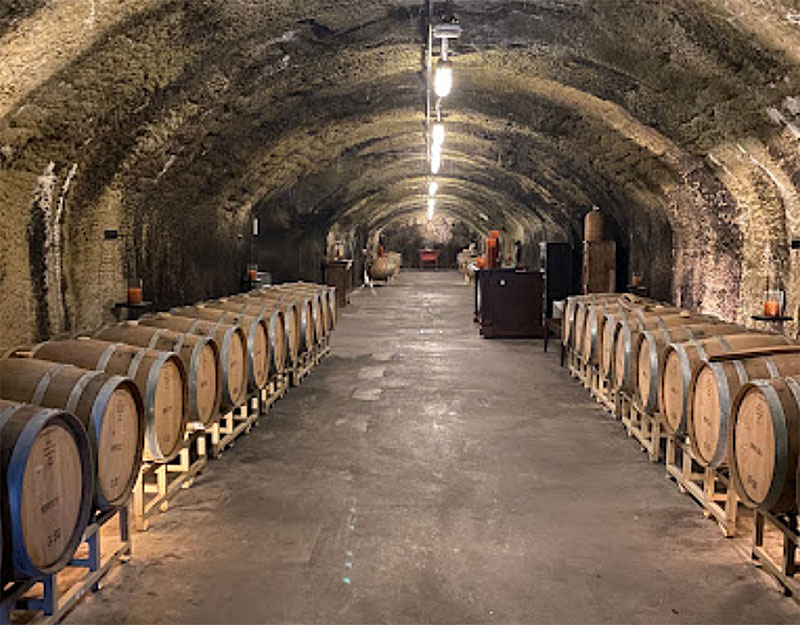
Here, the brothers oversaw their first harvest and crush in 1876. With Jacob serving as winemaker and Frederick as financier, they made approximately 40,000 gallons of wine, or 18,000 cases, that first year. In order to house the fermentation tanks, the first two floors of the original winery were built, and Chinese workers began digging a 1,200-foot-long tunnel to store the wine for aging.
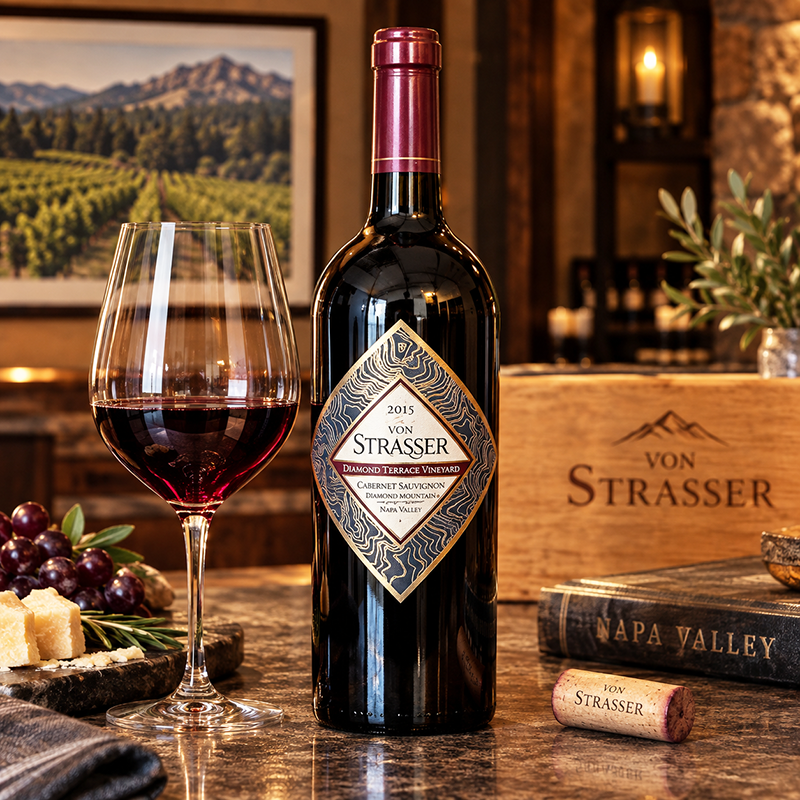
Rudy von Strasser is a Napa legend; he’s worked there for over 30 years, and played a huge part in founding the Diamond Mountain District, a part of the Mayacamas Range dividing Napa Valley from Sonoma Valley, and famous for its Cabernet. He was also instrumental in having the region designated as an AVA (American Viticultural Area).
Nancy Tenuta is one of only six female winery owners in the Livermore Valley, due east of San Francisco. Tenuta and her then-husband Ron purchased a 22-acre lot just east of the Ruby Hill subdivision in Livermore in June 2000 with the vision of immersing themselves in the world of wine. There, 14 acres of Pinot Noir and Chardonnay were being grown in about a 50/50 mix. All of the vines were between 12 and 25 years old at the time. To establish Tenuta Vineyards, over the next three years the Tenutas built a 16,000-square-foot winery and a 5,000-square-foot estate home nearby. In all, they invested more than $5 million in the project, money that Nancy Tenuta collected using a variety of “creative” means, according to her, given that banks aren’t fond of such risky ventures.
Located 20 miles inland from the Pacific Ocean halfway between Los Angeles and San Francisco, Paso Robles is in California’s South Central Coast region. It is one of California’s oldest wine production areas, with a winemaking tradition that stretches back to the 1790s. Nearly 80% of the wines produced here are red varietals, including Syrah, Zinfandel, Cabernet Sauvignon, and Merlot. The climate of hot days ripen the grapes, and cool nights help to maintain acidity, complexity, and aromatics. Soils vary from silts to silt loams to clay to limestone.
An entrepreneur out of St. Paul, Minnesota who founded and grew a broad range of innovative businesses, Robert Hall and his family went on a trip to southern France in the 1970s and their passion for wine began. After “retiring” in 1999, he came to Paso Robles to realize his dream of owning a winery, which he did until his death in 2014.
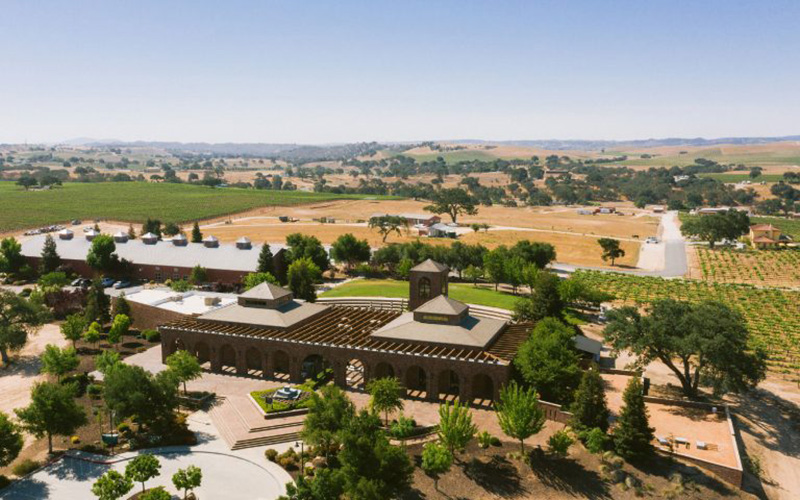
When Hall and his wife Margaret purchased the land “there was nothing there” as she recalled, “but dirt.” The two were hands-on building their dream, designing the production facilities and winery. Twenty-six feet below ground are 19,000 square feet of caves. This cool sanctuary is home to 4,000 premium French oak barrels. Now the fifth-largest winery in Paso Robles, Robert Hall was named “Winery of the Year” by the California State Fair and California Mid-State Fair.
The winery and tasting room.
In August of 2016, Robert Hall was purchased by O’Neill Vintners & Distillers, the seventh-largest wine producer in California by volume. In addition to Robert Hall, the company’s national brands include Line 39, Harken, Exitus, Day Owl Rose, Austerity, and Intercept. Continue reading “Robert Hall Cabernet Sauvignon”
In 1947, Dr. Lewis Gibbs Carpenter Jr., a farmer and psychologist, moved to Saint Helena from Gilroy and bought land on the Napa Valley floor. He began to work the property by growing walnuts, dates, and a small selection of grapes in the 1950s. Over the next twenty years, he replaced most of the nut and fruit orchards with several Bordeaux varietals of grapes, including Cabernet Sauvignon, Cabernet Franc, Sauvignon Blanc, and Merlot, all of which were beginning to gain international attention following the Judgement of Paris in 1976. It was at this momentous event that Napa Valley garnered international respect as a premier wine growing region. This no doubt helped propel not only Carpenter’s vineyards to esteem, but the entire valley as a whole.
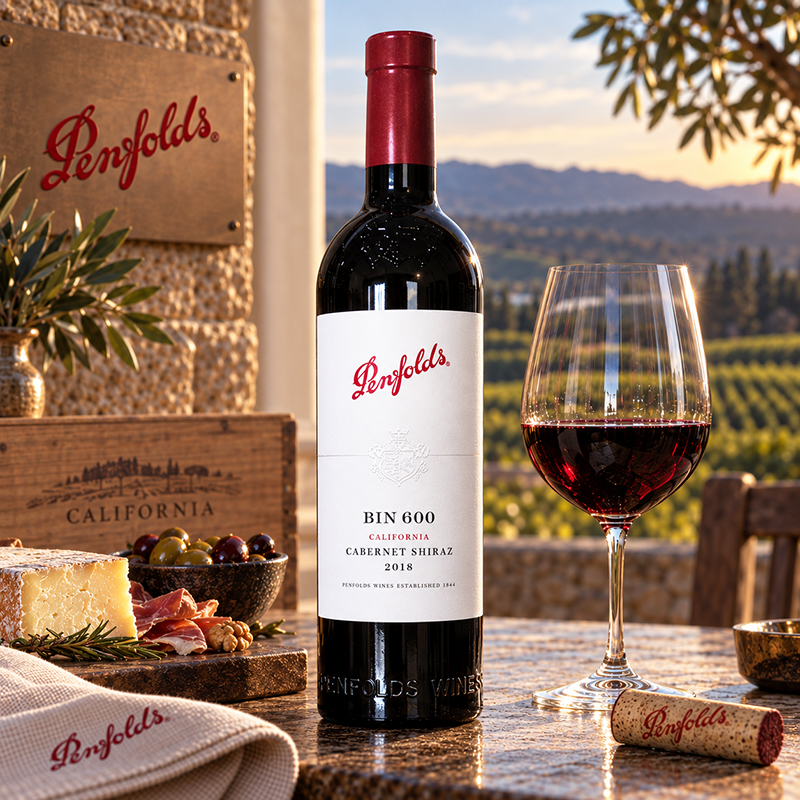
Until Yellow Tail precipitated the boom in “critter wines” in 2000, it can be argued that Penfolds was just about synonymous with Australian wine in the U.S. The label is ubiquitous here, in both grocery stores and fine wine shops. Prices range from about $12 per bottle for the Koonunga Hill Shiraz-Cabernet, to $850 for the legendary Grange, and everything in between. (That $850 is doubly amazing, because just five or six years ago Grange was “only” about $200.) The selections are mostly reds plus a few whites and even a tawny Port.
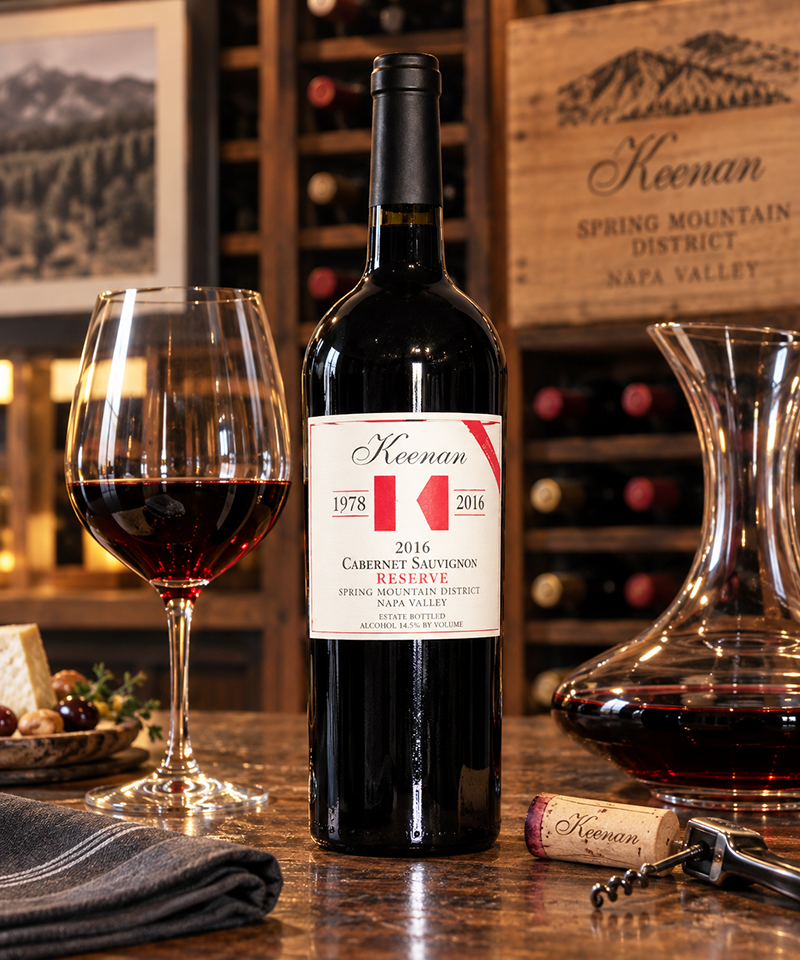
Keenan Cabernet Sauvignon Reserve Spring Mountain District 2016
As a reviewer and source of reliable information, I am supposed to be as objective and unbiased as possible. But not today. Keenan wines have long been some of my favorites.
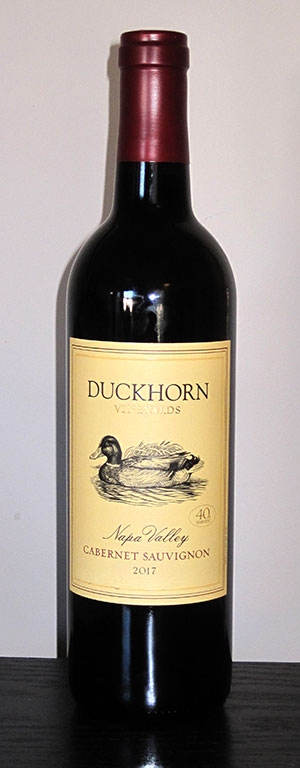
Duckhorn Vineyards Napa Valley Cabernet Sauvignon 2017
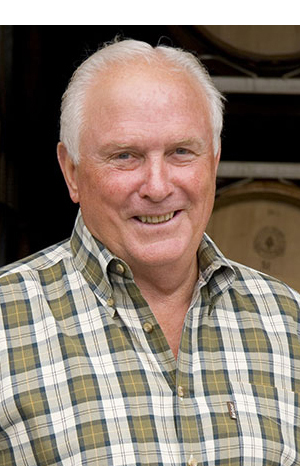
Duckhorn Vineyards was co-founded by Dan and Margaret Duckhorn in 1976. On their first vintage, 1978, they released 800 cases of Cabernet Sauvignon and 800 cases of Merlot. Partly due to a wonderful growing season that year, 1978 turned out to be an excellent first vintage, one that buttressed Duckhorn’s belief that great wines begin in the vineyard, “It was a great year,” he reminisced. “We could have made wine out of walnuts.” Sauvignon Blanc was added to the list in 1982. In 2005, the San Francisco Chronicle proclaimed Dan Duckhorn its “Winemaker of the Year” and named four of his wines to its list of “Top 100 Wines of 2005.”
Dan Duckhorn
Early on, the Duckhorns decided to focus on the production of Merlot. At the time, few Napa Valley producers were exploring the potential of this varietal as a standalone wine. But, Dan Duckhorn became a great fan of Merlot during his travels in the mid-’70s to St. Emilion and Pomerol. He felt that this varietal was underappreciated in North America. “I liked the softness, the seductiveness, the color,” says Dan, “the fact that it went with a lot of different foods; it wasn’t so bold, didn’t need to age so long, and it had this velvety texture to it. It seemed to me to be a wonderful wine to just enjoy. I became enchanted with Merlot.”
Soon after establishing his winery, Duckhorn met up with Ric Forman. He was the winemaker at Sterling Vineyards at the time, and when he heard that Duckhorn was looking for some Merlot, he gave him a call, “I’ve got a vineyard you have to see.” Forman took Duckhorn up to the Three Palms Vineyard in Calistoga. Forman also recommended a winemaker by the name of Tom Rinaldi. When Rinaldi rolled up to the winery on a motorcycle looking like “a flower child,” as Margaret Duckhorn called him, they had no idea what they were in for. But, it worked out because Rinaldi ended up as the Duckhorn winemaker for the next 20 years.
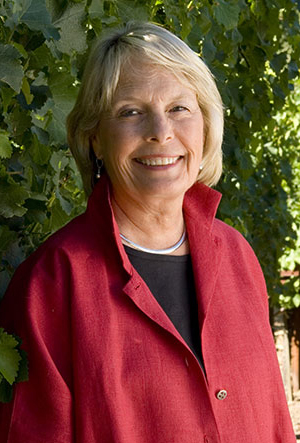
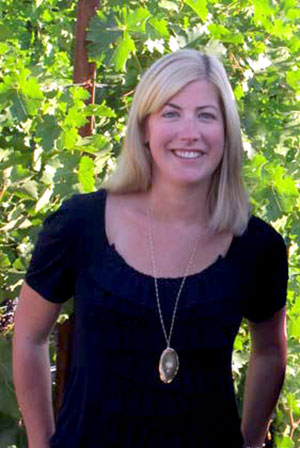
Margaret Duckhorn
From the first vintage, Margaret took an active role in the day-to-day operations of the winery, hand-sorting the fruit and working alongside Rinaldi during blending. Later, she began focusing on marketing and international public relations to promote Duckhorn Vineyards. Over the years, she also helped to articulate Duckhorn Vineyards’ philosophy and core values. “We recognize the importance of taking care of this remarkable place, and of giving back to the community that has given us so much. In addition, we make certain that our practices at the winery and in our vineyards are sustainable.” After the Duckhorns divorced in 2000, Margaret pivoted to advocating for the Napa Valley wine industry, working both locally and globally to protect and promote the region.
The first few years were simple, with only three stainless steel tanks under a big oak tree and hand-cranked basket presses. For the first vintage in 1978, they only harvested 28 tons of grapes into apple lug boxes, half Cabernet Sauvignon and half Merlot. Everything was hand-picked and sorted extensively. Duckhorn’s trip to France had also introduced him to the Nadalie family who were barrel builders, and he decided that brand new French oak was the way to go. Those first few vintages were cellared exclusively in Nadalie coopered barrels.
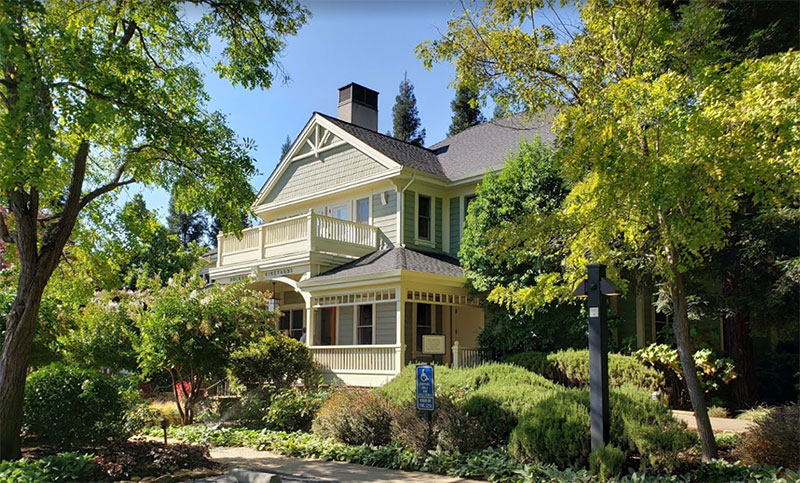
The Duckhorn Visitor Center (bottom photo: Zaiya Mikhael)
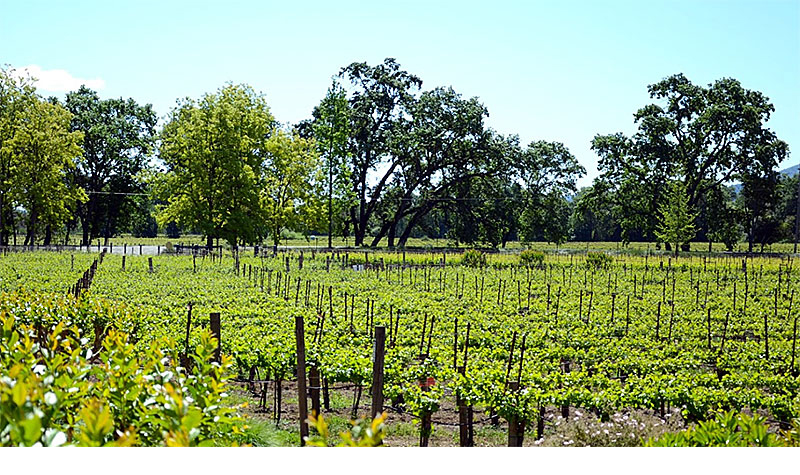
In 1982, Duckhorn made its first white varietal wine, Sauvignon Blanc. With the expansion of the winemaking program came a need for more fruit; this is when Duckhorn began acquiring some of the properties that are still important today. Two of the first vineyards purchased were Patzimaro Vineyard in 1989 and Monitor Ledge Vineyard in 1992. Today, the winery’s seven estate vineyards are located on 168 acres (68 ha) in alluvial fans of the Napa Valley and on the slopes of Howell Mountain. There are an additional 153 acres (62 ha) of four estate vineyards in the Anderson Valley in Mendocino County.
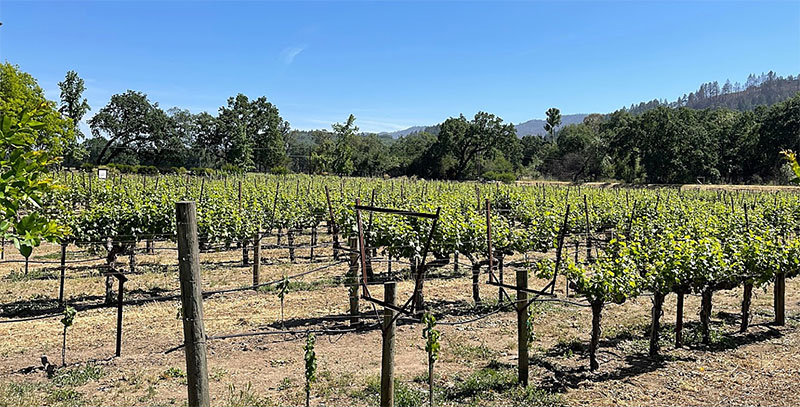
Two of the valley vineyards (bottom photo: Phil Guertin)
The mountain has distinctly different grape-growing conditions than the valley floor. Often during summer months, the maritime fog seeping into the Napa Valley below will not reach the mountaintop, giving Howell Mountain more sunlight and moderate temperatures. The shallow and rocky soil drains easily, forcing the vines to send roots deep in search of water. And, the rocks retain the day’s heat, protecting the vines during cold spring mornings and foggy summer nights.
Duckhorn’s current winemaker, Renee Ary, has numerous vineyard blocks to choose from, each offering markedly different flavor profiles. She strives to understand the needs and opportunities presented by each specific terroir and microclimate. By approaching each vineyard block individually, Ary’s goal is to harvest when the flavors have reached their peak and the tannins are at their softest. Grapes are hand-picked and hand-sorted prior to crushing, as they have been since the beginning. In addition, some vineyard sites are even harvested several times, selecting only the ripe fruit with each pass through the vineyard.
In the winery, Ary blends from almost 200 distinctive lots using taste and instinct, not formula. Wines are barrel-aged separately by vineyard lot, utilizing an extensive barrel program that sources 25 different types of oak from 13 separate cooperages. The majority of the barrels are made from French oak in the Bordeaux Chateau style. These barrels breathe easier, encouraging the wines to develop. Duckhorn also employs many water-bent barrels, a process which removes harsh tannins from the wood, bringing about toasty, caramelized flavors.
In July 2007, a controlling interest in the company was sold to GI Partners, a private equity firm, at a price believed to be over $250 million. The company was sold to another private equity firm, TSG Consumer Partners, in 2016. The operation continues to expand under this ownership. In addition to Duckhorn Vineyards, Duckhorn Wine Company also operates Goldeneye [1996], a maker of Pinot noir in Anderson Valley, and Paraduxx, a blend of Zinfandel and Cabernet Sauvignon made at a winery on the Silverado Trail between Yountville and Oakville, California. The company also produces second wines under the names Decoy [1985], made from Alexander Valley fruit not included in Duckhorn, Migration [2001], made with grapes from Anderson Valley and the Sonoma coast, and Canvasback [2012] a maker of Cabernet Sauvignon in Washington state’s Red Mountain appellation.
Duckhorn also controls Greenwing, which makes Cabernet Sauvignon in Washington’s Columbia Valley, and Postmark, a maker of Cabernet Sauvignon sourced from the increasingly reliable Paso Robles region.
Finally, two formerly independent wineries are now also under Duckhorn’s wing. Calera, founded in 1975 by Josh Jensen, is known for their Central Coast Pinot Noirs. Kosta Brown, dating back to 1997, is one of Sonoma’s premier producers of Pinot Noir and Chardonnay.
Duckhorn Vineyards Napa Valley Cabernet Sauvignon 2017
A blend of 87% Cabernet Sauvignon, 12% Merlot, 0.5% Cabernet Franc, and 0.5% Petit Verdot, from Duckhorn’s estate vineyards and top Napa Valley growers, this wine was aged for 16 months in French oak barrels, half of them used, that restrained the oakiness. This dark purple selection begins with moderate aromas, primarily vanilla and rich dark fruit, especially berries. These continue in the mouth, backed up by black currant, tart cherry, and an earthy finish that has a hint of bitterness. 1,600 cases were produced, and the ABV is 14.5%.
I have been aware of Orin Swift wines for some time, especially The Prisoner, but had never had the chance to try any of them, so I was intrigued when a friend brought over this Orin Swift Palermo. He is adamant that “all wines from California are inferior to any wine from Europe, especially Spain!” so I looked forward to his evaluation of this one, as well as my own.
A winemaker, Nicole Walsh of Ser Winery, recently recommended a wine to me. And I thought, “If a winemaker recommends someone else’s product, it must be worth seeking out.” That wine? Hedges Family Estate Red Mountain Syrah.
There are many ways to buy wine: at a wine shop or liquor store, at a grocery store, or through a winery’s wine club, among others. There is another option that I use on occasion. These are online “flash sites” that offer one or even a few different bottles for sale per day, at discounts of around 15 to 70%, often with free shipping if you place a minimum order, which tends to be three to six bottles and varies with the price. How do they do this?
The winery approaches the site (or vice versa), looking to sell some wine that the winery has not been able to sell as quickly as they would like. The winery may be stressed by lack of cash flow, not enough storage space, or some other unknown.
They agree on a price that enables the site to sell the wine at well below retail.
The site buys all (or most) of the available stock.
The site then offers the wine at a discounted price, often substantially so.
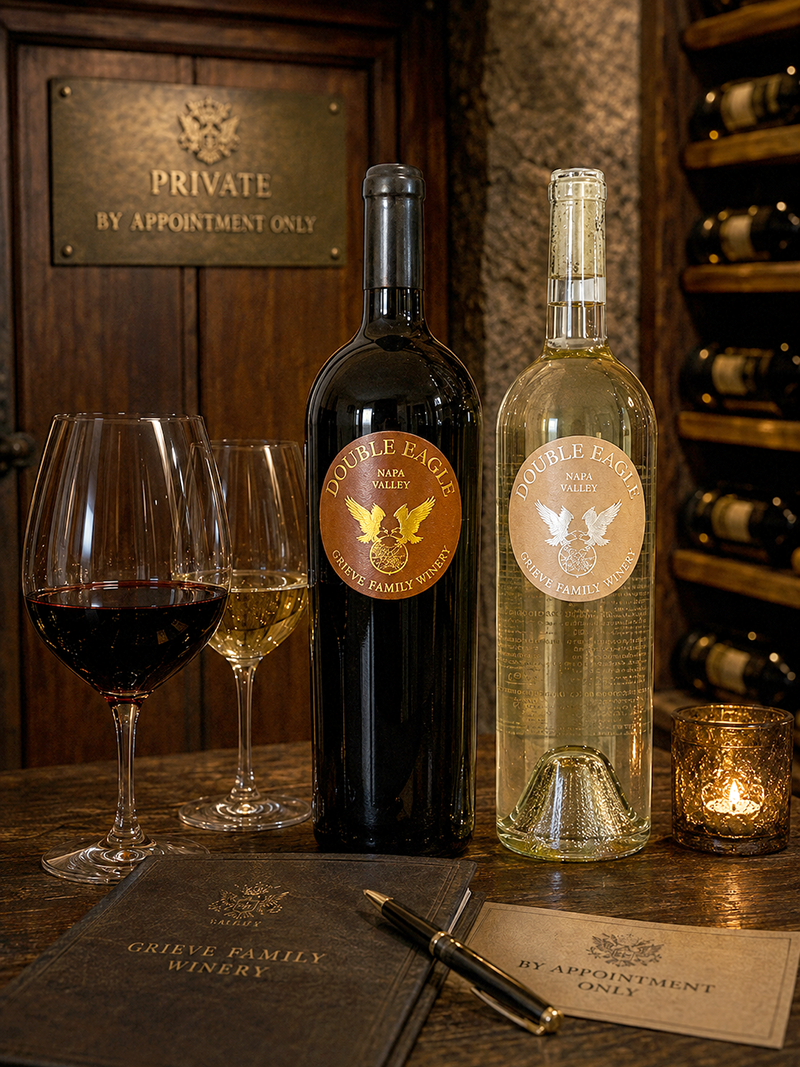
Grieve Family Winery Double Eagle Red Wine 2018 and Grieve Family Winery Double Eagle Sauvignon Blanc 2018. Click here for tasting notes.
Grieve Family Winery Double Eagle
The Grieve Family Winery is located in a secure and undisclosed location in Napa Valley. It is not open to the public, and tastings are offered exclusively to wine club members by appointment only. Remarkably, there is no access from Napa Valley itself; the rare visitor must navigate a long, winding dead-end road that begins in Sonoma Valley. The following dossier is the information that agents Mulder and Scully have been able to assemble so far about the operation.
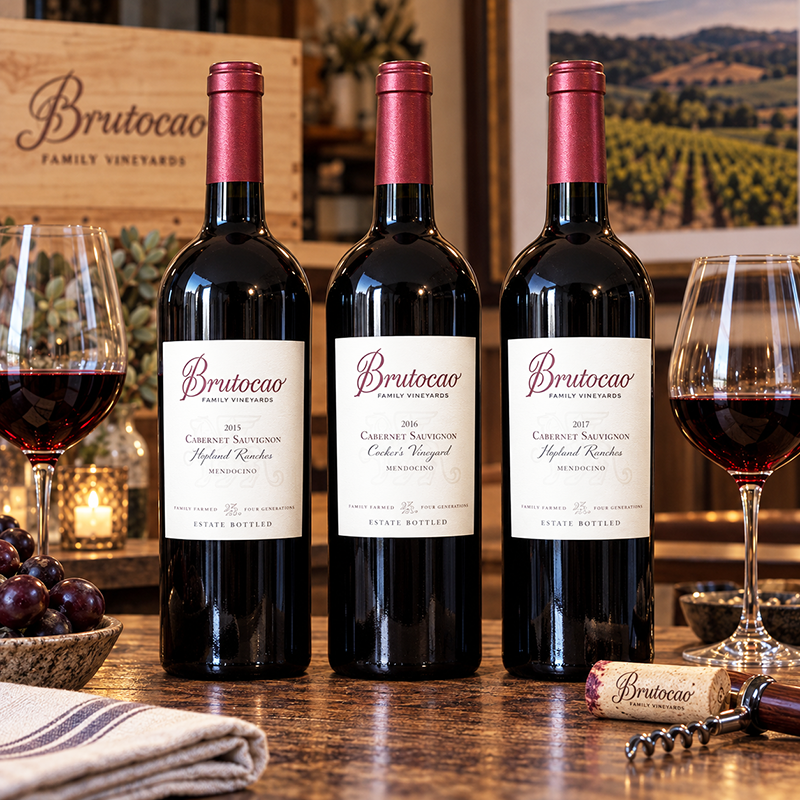
Brutocao Cabernet Sauvignon. Same wine, different vintages.
Brutocao Cabernet Sauvignon Vertical Tasting
Here at Winervana, I use this disclaimer, “Although you will see vintage dates throughout Winervana, I don’t put too much importance on them. Major producers these days strive for a consistent style, year after year, and largely succeed. For instance, when shopping for a particular wine, if you have a choice between a current release and one that’s a few years old, there will certainly be differences in price and the character of the wine. But upon release, those two examples of the same wine are likely to be quite similar.”
Proprietor Ron Lachini’s family hails from the Tuscan town of Lucca. At some point, his grandfather immigrated to the United States, settling in the large Italian community of San Francisco’s North Beach. He started making wine with his father and grandfather in their garages as a child.
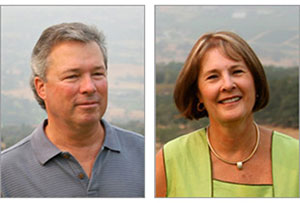
Yet another white-collar professional turned winery owner, Randy Wulff was an attorney for 20 years. After graduating from the Honors College at the University of Oregon and Hastings College of the Law, he worked as a successful trial lawyer and mediator at a law firm in San Francisco. “Even when I was one of the chief mediators during the World Trade Center property damage claims hearings arising from the tragedy of 9/11 that lasted for more than two and a half years, my wife Krys and I had always dreamed of being in the wine business,” Wulff reminisced.
Krys Wulff got her undergraduate degree at the University of San Francisco, and a Masters at Mills College in Oakland, California. She worked as an optical industry consultant for over 25 years while also raising two sons. She has devoted her energies to several philanthropic, educational, and advocacy organizations, including the Piedmont League of Women Voters, the East Bay Junior League, and EdSource, an independent, non-partisan organization that works to engage Californians on key education challenges with the goal of enhancing learning success.
Randy grew up with Krys in California’s Central Valley. “We were high school sweethearts and have been married for over 48 years,” shared Randy. “She is the heart and soul of Lobo Wines, and our success is directly related to her efforts. I can’t think of anything better than sharing our success with the person I love the most.”
As is not unusual for well-heeled San Francisco residents, the Wulffs eventually purchased a second home, in Napa Valley. “We were living in the East Bay and Napa Valley was only an hour’s drive away. Whenever we arrived there, it was like living in another world,” Randy recalled. They soon planted Chardonnay on the property, which is located in the Oak Knoll district. “When the first usable fruit came in, we sold the grapes to Randy Lewis, and he produced a wine that notched incredibly high scores. I thought to myself, this is easy, and we decided to really delve into the wine industry.”
Continuing to expand their efforts as grape growers, a few years later the Wulffs acquired a much larger vineyard about a mile from the first one, where they made substantial improvements to drainage and vine care. In 2007, they acquired a 42-acre property on Atlas Peak, on the eastern ridge of the Napa Valley. With that commitment, the couple established a winery of their own that same year, naming it Lobo Wines. Lobo is Spanish for ‘wolf,’ a play on their last name, of course. The first vintage yielded just 25 cases, but production has gradually increased to around 1,500 cases.
“We want to grow Lobo Wines carefully,” Randy explained. “Our goal is probably around 5,000 cases, and we want everything to be home grown. At this point, we crush some 100 tons of fruit, but we sell around 70 percent to other wineries. Over time, we will sell less and produce more.”
Sadly, the horrendous Atlas Peak fire of 2017 devastated the Lobo winery and the Wulffs’ home site. Undeterred, they immediately set about to rebuild the winery and residence, a project that is ongoing.
The Winemakers
Victoria Coleman Coleman, a Seattle native, began her winemaking apprenticeship at Stag’s Leap Wine Cellars as a production assistant in 1998. While there, she enrolled in a winemaking class at Napa Valley College. As part of that course, she crushed a small amount of Cabernet Sauvignon in a drum with her feet in the time-honored manner. The experience of hands-on winemaking fueled her desire to learn everything she could about it.
She began working with Mario Bazán at Bazán Cellars in 2004 as the winery’s founding winemaker. To further her formal education, she enrolled at the University of California, Davis, (incubator for thousands of winemakers) in the fall of 2006 and graduated in June 2008. She was exposed to classic, Old World winemaking immediately thereafter while working alongside Erick Tourbier at Chateau Mouton Rothschild in Bordeaux. Starting in January 2010, she gained further international experience as winemaker at Jade Valley Winery near Xian, China. She returned to Napa Valley in 2015 and began work at Lobo Wines, where her products include both the Napa Valley and Atlas Peak Cabernet Sauvignon, Pinot Noir, and a proprietary blend of Cabernet Sauvignon and Syrah named “Howl.”
Randy Lewis Lewis came to winemaking via a circuitous route. A native of Atlanta, Georgia, he was a race car driver for more than two decades, first as a Formula Three driver in Europe, where he discovered the wines there and what life as a winemaker could be like. He then raced in America in Formula 5000, Can Am, and finally Indy Cars from 1983 to 1991, competing in five Indy 500s. After retiring as a driver, he helped a friend set up a winery in Napa Valley, and then, with his wife Debbie, he established his own winery in Napa in 1992.
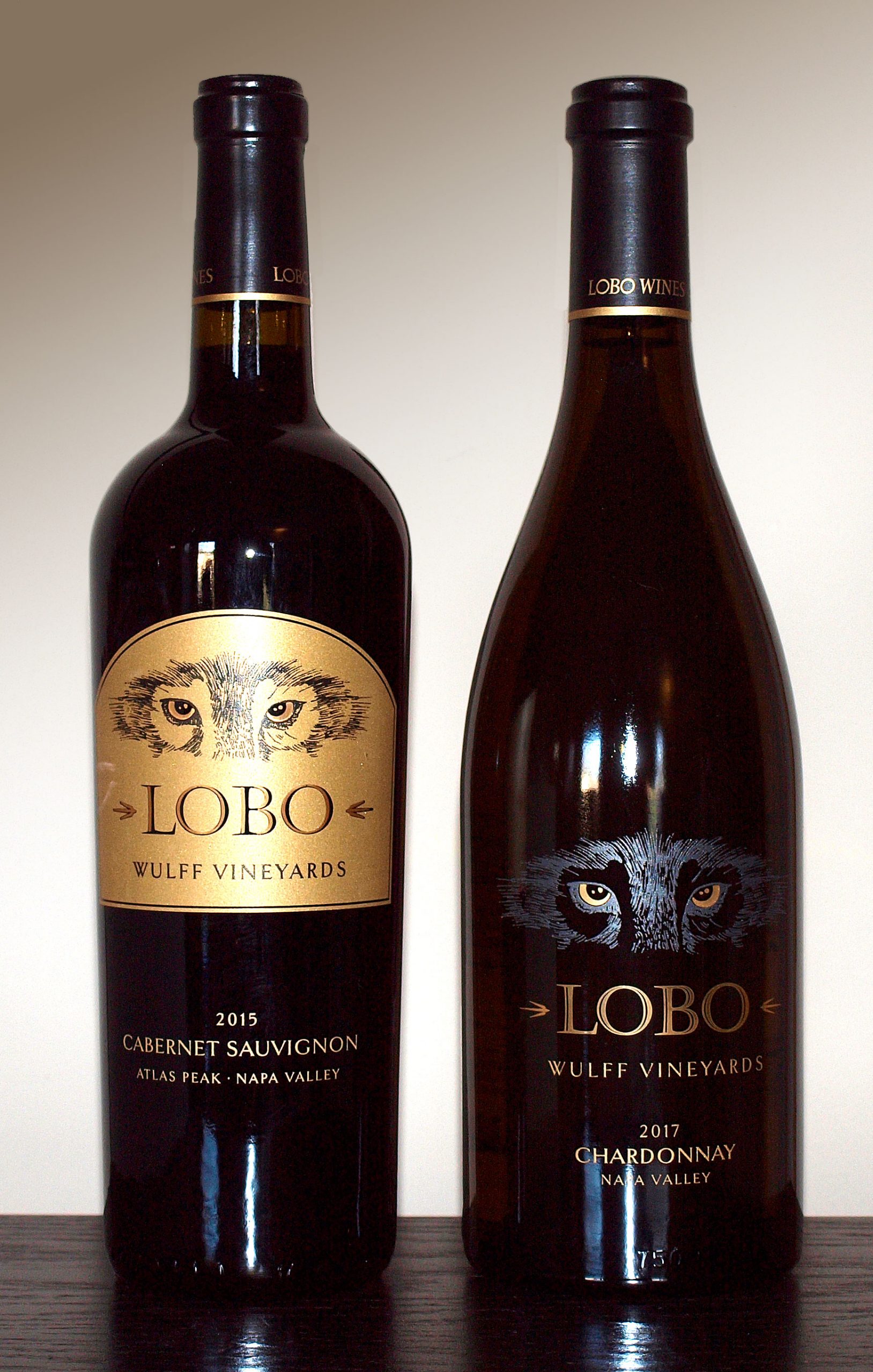
Lobo Chardonnay 2017
Made by Randy Lewis at Lewis Cellars, this 100% Chardonnay is sourced from fruit grown at the Lobo Wulff estate vineyard in Oak Knoll. It is lemon yellow in the glass, and features aromas of lemon, honeysuckle, and melon. The mouthfeel is rich and smooth, and offers flavors of lemon, grapefruit, and more melon. There is good acidity, restrained oak, and a bit of vanilla on the medium finish. ABV is 14.7% and 150 cases were produced.
Lobo Atlas Peak Cabernet Sauvignon 2015
This wine, made by Victoria Coleman, was chosen by Great Britain’s Decanter magazine in 2019 as the Top Cabernet Sauvignon in California over 197 other competitors. It was made from 100% estate grown fruit in the Atlas Peak appellation of Napa Valley, on a rocky, volcanic hillside at 1,350 feet elevation. This is a blend of 98% Cabernet Sauvignon, 1% Merlot, and 1% Petit Verdot (allegedly for “balance and complexity,” although I can’t imagine how much of that such a small percentage could contribute.) On the nose, this Cabernet Sauvignon offers aromas of dark fruit and hints of vanilla. There are ripe plum, black currant, and blackberry on the palate. These harmonize with medium, satiny tannins, nicely integrated acidity, and hint of black tea at the end. ABV is 14.4%.





 Dan Duckhorn
 Margaret Duckhorn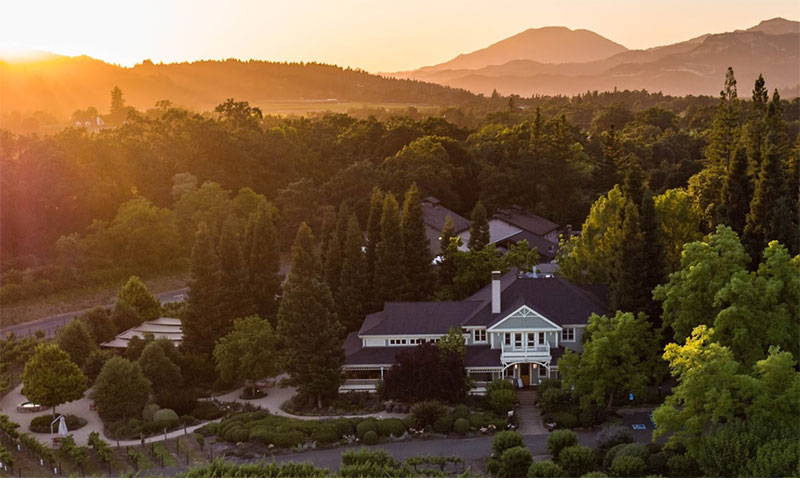
 Duckhorn’s current winemaker, Renee Ary, has numerous vineyard blocks to choose from, each offering markedly different flavor profiles. She strives to understand the needs and opportunities presented by each specific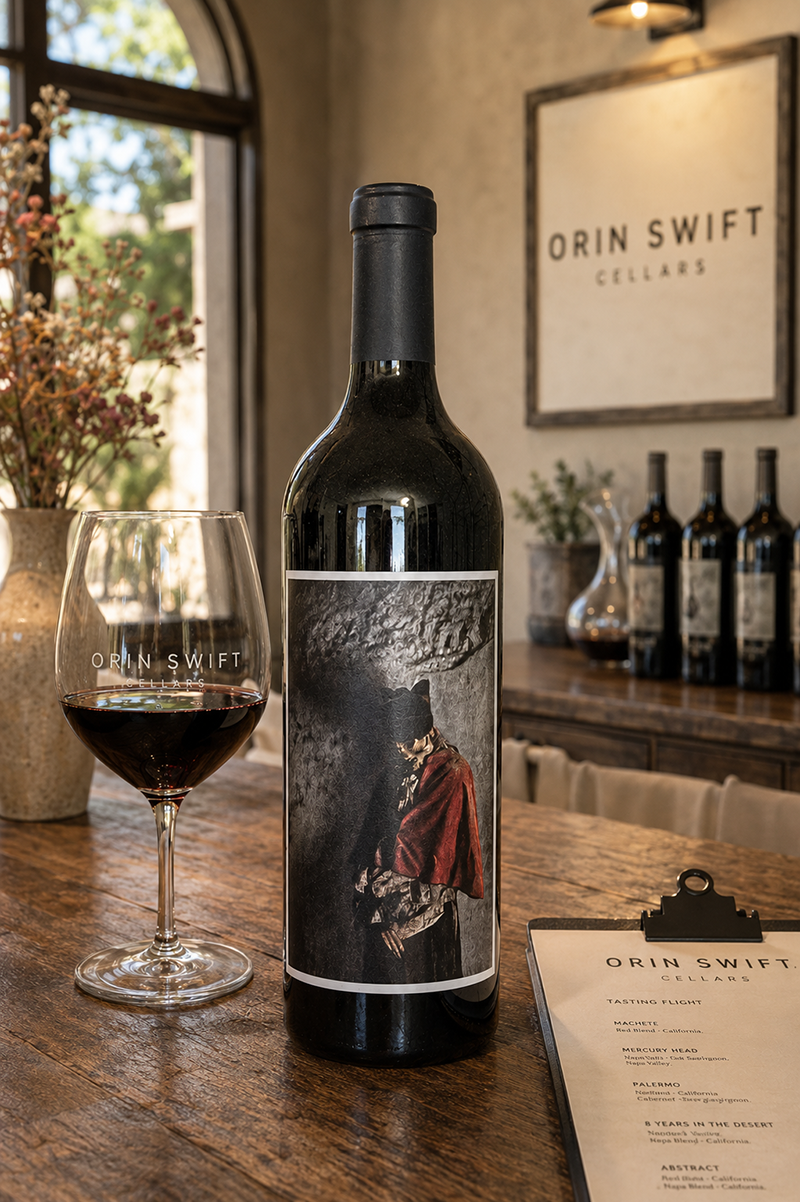



 and I had always dreamed of being in the wine business,” Wulff reminisced.