

Frisco Brandy
As any resident of San Francisco will tell you, “Don’t call it Frisco!” But we’re talking spirits here, not the city, so I think we’re OK.
This spirit is an American take on Pisco, which is a colorless or yellowish-to-amber colored brandy first produced in the winemaking regions of Peru and Chile around the turn of the 17th century. It is made by distilling fermented grape juice into a high-proof spirit, as all brandies and cognacs are. It must be aged for a minimum of three months in vessels of “glass, stainless steel, or any other material which does not alter its physical, chemical or organic properties,” so wood barrels, which are used to age most other brandies, are off limits. It was developed by Spanish settlers as an alternative to orujo, a pomace brandy that was being imported from Spain at the time. It had the advantage of being produced from abundant domestically-grown fruit.
San Francisco was the North American city that first embraced pisco, and residents drank a lot of it from the Gold Rush to Prohibition. Frísco’s (here pronounced ‘frees-koh,’) founder Charles O’Connell had an abiding love for pisco, and his goal of creating a sustainable, pisco-inspired, American-made spirit was realized in May of 2017. It is created from sustainably-farmed Muscat grapes from California, which are made into wine, double distilled in a copper,still, rested in stainless steel instead of oak barrels, and then finished with unique charcoal mellowing – a technique rarely used on this type of spirit.
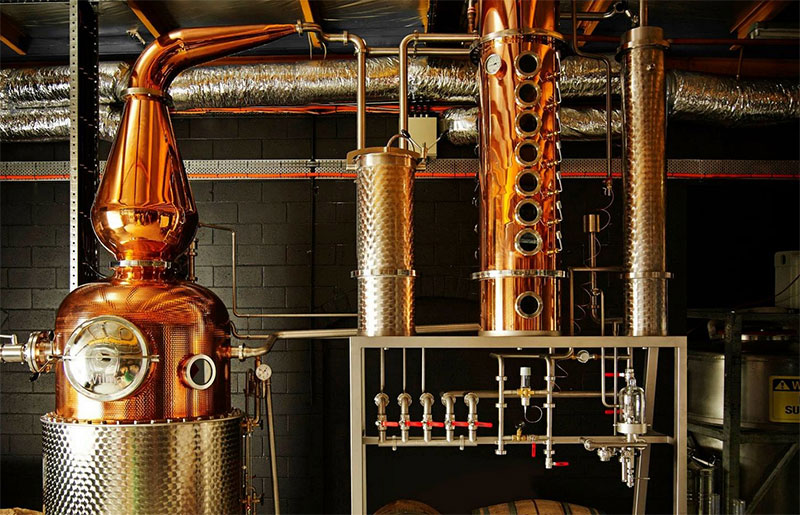
Frísco has a clean, full-bodied, yet delicately smooth taste with floral overtones, suggestions of tropical fruit, and just a hint of sweetness. 45% ABV.
Listen to my podcast about brandy, Cognac, and Armagnac here.
A note about brandy vs. Cognac: brandy is a liquor distilled from wine and aged in wood. (Brandy can be made from fruits other than grapes as well, but that’s a story for another time.) Cognac is brandy that specifically comes from the town of Cognac and the delimited surrounding areas in western France. (The one which has the most favorable soil and geographical conditions is Grande Champagne.) So, all Cognacs are brandy, but not all brandies are Cognac. For more detail on brandy and Cognac, click here.
Back to blog posts: https://winervana.com/blog/