
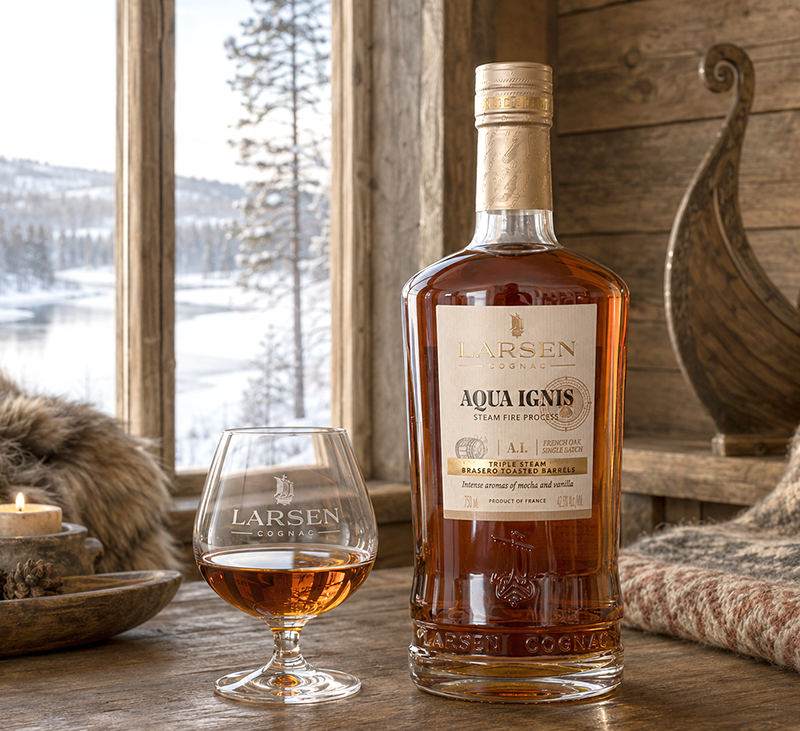
Larsen Aqua Ignis Cognac
Larsen is one of Cognac’s more distinctive houses—not because it is one of the oldest, but because it combines a Nordic heritage with a very elegant, fruit-driven Cognac style. While houses such as Hennessy, Martell, Rémy Martin, and Courvoisier trace their roots back to the 18th century, Larsen was founded in 1926 by a Norwegian adventurer, making it a relative newcomer with an unusually international identity.
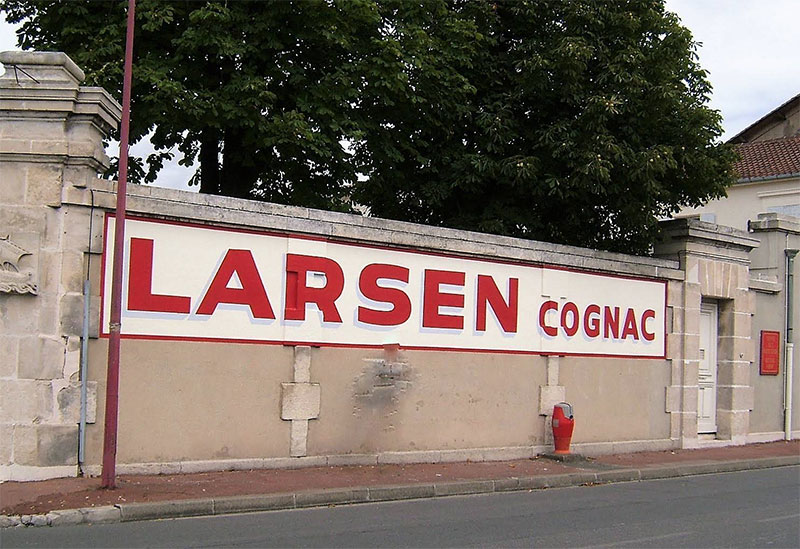
The founder, Jens Reidar Larsen, grew up in Tromsø, Norway. At age 24, he set sail intending to emigrate to America. Fate intervened when his ship stopped in Bordeaux for repairs. Instead of continuing west, he found work in the Cognac region, married a local girl, and eventually founded his own house 10 years later in 1926.
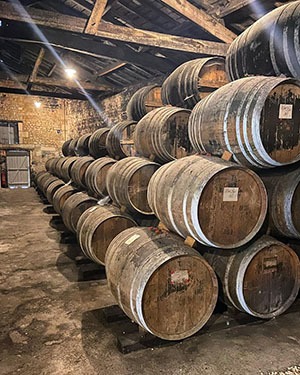
Every major Cognac house has a recognizable “house style.” Larsen’s philosophy emphasizes fruit purity, finesse, elegance, minimal heaviness, and balance over power. Instead of making especially rich, oak-driven Cognacs, Larsen tries to preserve the fresh aromas from the grapes.
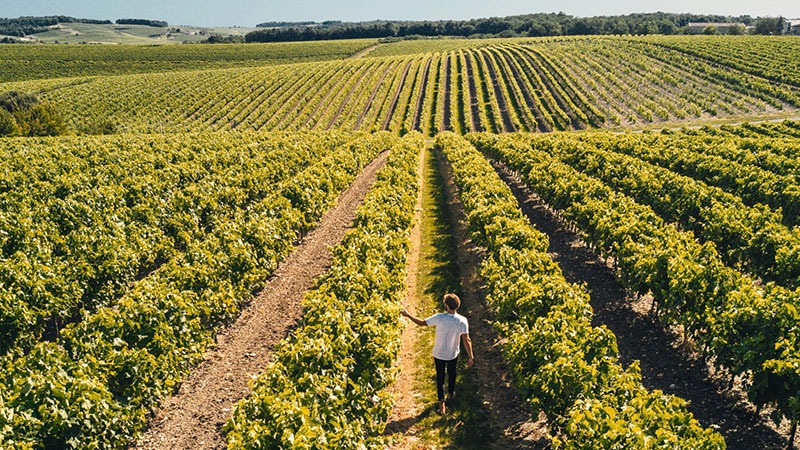
Unlike many houses that distill with substantial lees, Larsen traditionally performs double distillation using clarified wine (without the lees), producing a lighter and more fruit-forward spirit.
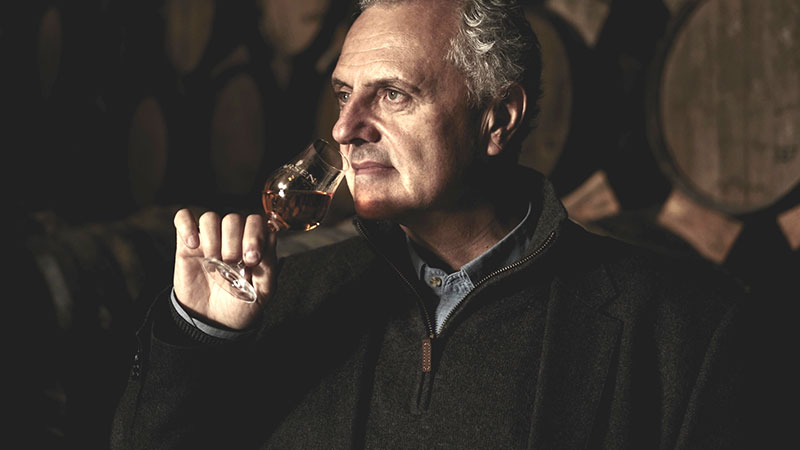
The current style has been shaped by master blender David Croizet, who has decades of experience selecting and blending eaux-de-vie while maintaining Larsen’s signature style.
Larsen Aqua Ignis Cognac
This is arguably Larsen’s most innovative release. The name comes from Latin: Aqua = water, Ignis = fire. The name refers directly to the barrel-making process. According to Larsen, Aqua Ignis is the first Cognac aged in steam-toasted barrels (made of traditional French sessile oak from the Tronçais forest). Instead of simply building a barrel and charring it over a flame, the cooper subjects each barrel to an unusual cycle: immerse the oak in hot water, then toast over fire, repeat, and repeat again for three complete cycles. The hot water penetrates the wood before each toasting, changing how the wood reacts to the heat. This unique process is referred to as brasero toasting.
Traditional barrel toasting can create smoky notes, char, harsher tannins, and bitter compounds. However, steam-toasting aims to extract sweeter wood sugars, soften tannins, emphasize vanilla, enhance cocoa notes, reduce bitterness, and preserve fruit character. It’s a fairly subtle innovation—not a revolution—but it does create a different extraction profile from the barrel.
The base grape is Ugni Blanc from the Fins Bois and Bons Bois crus. Like pretty much all Cognacs this shows a deep amber with golden highlights in the glass. On the nose, expect aromas of candied orange, vanilla and a bit o’ honey. The medium-bodied palate features caramel, cinnamon, red apple, and a hint of chocolate. The mouthfeel is very smooth and silky, and it all wraps up in a long finish.
The ABV is an unusual 42.3%. Most Cognacs are bottled at exactly 40%, although some so-called overproof selections can go as high as 55%. An extra 2.3 percentage points may sound minor, but it noticeably increases aroma intensity, improves mouthfeel, and keeps cocktails more balanced, specifically in classics like the Sazerac..
Listen to my podcast about brandy, Cognac, and Armagnac here.
A note about brandy vs. Cognac: brandy is a liquor distilled from wine and aged in wood. (Brandy can be made from fruits other than grapes as well, but that’s a story for another time.) Cognac is brandy that specifically comes from the town of Cognac and the delimited surrounding areas in western France. (The one which has the most favorable soil and geographical conditions is Grande Champagne.) So, all Cognacs are brandy, but not all brandies are Cognac. For more detail on brandy and Cognac, click here.
Back to blog posts: winervana.com/blog/