
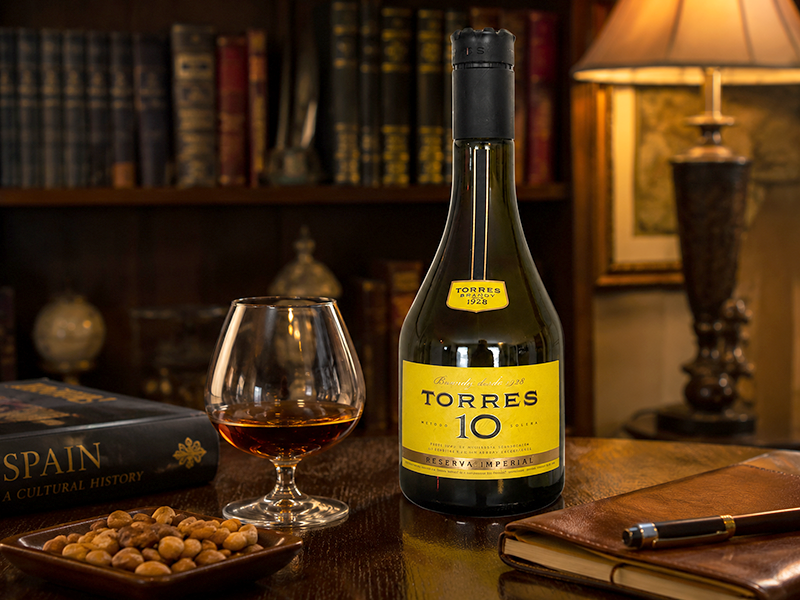
Torres 10 Brandy
Torres Brandy is the spirits arm of Familia Torres, the large, still-family-controlled Catalan wine company founded in 1870. The spirits division is now formally presented as Juan Torres Master Distillers, and brandy production dates to 1928.
Torres is neither a Cognac-style house buying eau-de-vie from a network of growers/distillers, nor simply a blender putting its label on purchased Spanish spirit. It is a vertically integrated wine-and-distillation operation: grapes → wine → distillation → barrel maturation → blending → bottling, within the broader Familia Torres organization.
Where torres is located
The historical center is Vilafranca del Penedès, roughly 30 miles west of Barcelona, in Catalonia’s Penedès wine country. Torres was founded there in 1870 by brothers Jaime and Miguel Torres. The family had been involved with vineyards considerably earlier, but 1870 marks the creation of the commercial winery. Today, Familia Torres’ enormous principal production operation is nearby at Pacs del Penedès.
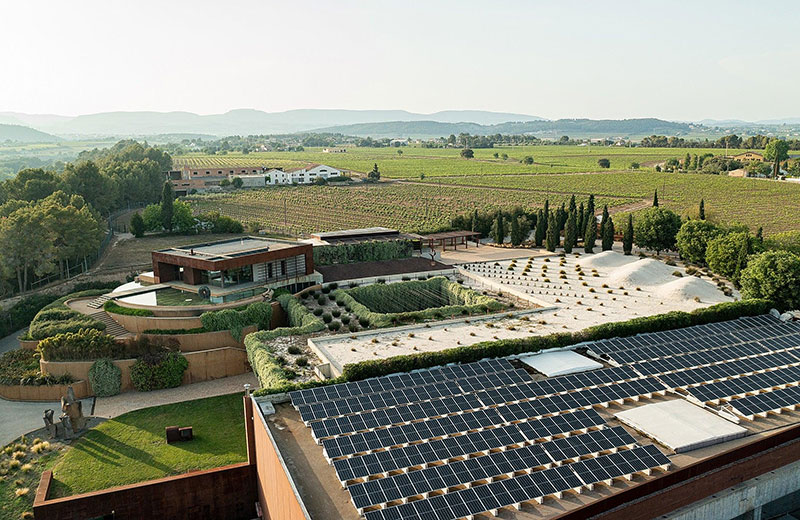
Established in 1928
The key person in Torres’ history was Juan Torres Casals (1865–1932), son of founder Miguel Torres. In 1928, he began selecting white Penedès wines, distilling them, and aging the resulting spirit in oak. And it wasn’t an insignificant sideline. Torres built an actual distillery alongside its wine business.
During the Spanish Civil War, aerial bombing aimed at the nearby Vilafranca railway station struck the Torres winery/distillery complex in 1939, leaving the facility badly damaged. Miguel Torres Carbó, Juan’s son, subsequently rebuilt the winery and distillery, and production resumed in 1940. Six years later the company introduced what would become its defining brandy: Torres 10. It remains the core Torres brandy today.
Torres starts with actual wine
The raw material isn’t anonymous neutral grape alcohol. Torres identifies specific Penedès grape varieties used for its brandies, including Parellada, Macabeo, Xarel·lo, and Ugni Blanc [the classic grape for Cognac production].
Torres says Xarel·lo and Ugni Blanc contribute body and fruit, Macabeo gives nutty characteristics, while Parellada supplies finesse/acidity.
Brandy is a logical extension of the winery.
Torres operates two distillation regimes. Traditional batch distillation retains more aromatic material capable of developing during extended barrel aging. Torres also uses continuous distillation which produces lighter, smoother, and more aromatic spirits intended for more versatile brandies, specifically citing Torres 15 as an example.
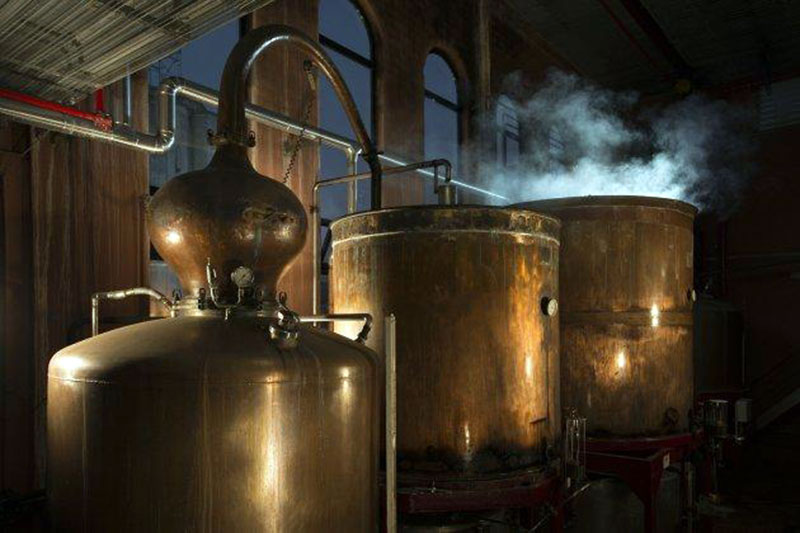
The aging operation
Torres operates both solera and static aging systems. For products such as Torres 5 and Torres 10, American oak barrels are arranged in the familiar Spanish: criadera → criadera → criadera → solera* structure. Younger brandy gradually replenishes older levels; spirit for bottling is drawn from the oldest solera level.
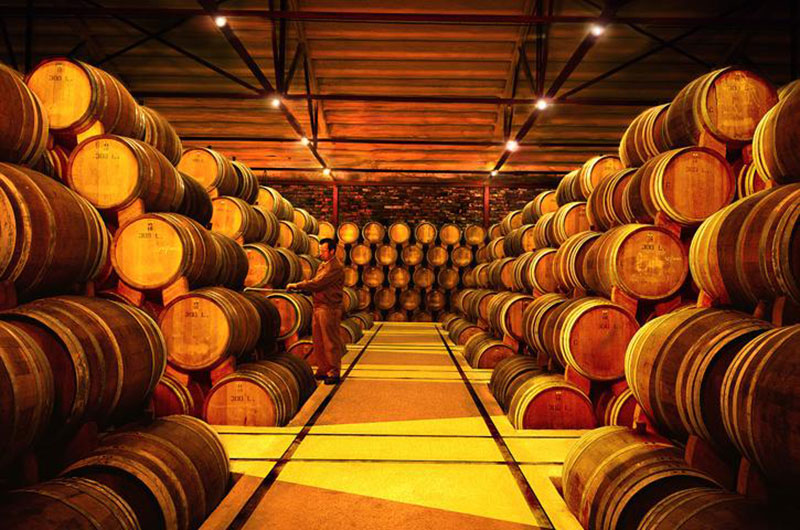
Torres 20 is not matured by the Torres solera system. It receives static aging in French oak. The spirit stays in individual barrels rather than continuously moving through a solera. That explains why Torres 20 tastes markedly different from Torres 10.
The master distiller who shaped modern Torres
One individual is enormously important to the modern operation:
Matías Llobet joined Torres in 1985 and became its Master Distiller. Interestingly, he was trained as a chemical engineer, rather than coming purely through traditional cellar apprenticeship. Torres describes his job as combining analytical/scientific understanding with sensory evaluation. He spent almost four decades overseeing the brandies and became essentially the technical architect of modern Torres Brandy.
Torres 10 Brandy
Because it is made in a solera system, “10” should not be interpreted as a conventional 10-year age statement in the Cognac sense. Torres itself describes the product in terms of solera aging rather than saying every drop is ten years old.
Torres 10 pours a dark topaz with golden highlights in the glass. It greets you on the nose with aromas of oak, vanilla, caramelized sugar, and spice. The Medium-bodied and quite rounded palate delivers more oak, vanilla, and cinnamon. It feels richer and sweeter than many entry-level brandies. The Finish is medium to medium-long, with vanilla, cinnamon, toasted wood and a slightly drying oak/tannin note. Overall, it has considerably more depth and maturity than I would expect from an inexpensive mass-market brandy. An excellent value. ABV is 40%.
If you are looking for something smoother and more refined (but about 50% more expensive), consider the Torres 15.
Listen to my podcast about brandy, Cognac, and Armagnac here.
* This system basically involves casks distributed in separate rows, one placed on top of the other, each of which is made up of approximately the same number of casks (known as “butts” in Jerez). The bottom row of casks is named the solera and contains the oldest product, then moving up the rows in order of age comes the first criadara and above this the second criadera and so on. New distillate is added to the top criadera. When brandy is to be bottled it is taken from the bottom solera row – the same quantity taken from each butt and never more than a third of the total content – in an operation known as the saca. The quantity of brandy taken from the solera is then replenished with the same quantity taken from the criadera immediately above, and this in turn with brandy from the next criadera above, and so on. This cascade of liquid is known as the rocio, and it is this continuous blending that enables the brandy to have the same taste, aroma, color, and quality year after year.
A note about brandy vs. Cognac: brandy is a liquor distilled from wine and aged in wood. (Brandy can be made from fruits other than grapes as well, but that’s a story for another time.) Cognac is brandy that specifically comes from the town of Cognac and the delimited surrounding areas in western France. (The one which has the most favorable soil and geographical conditions is Grande Champagne.) So, all Cognacs are brandy, but not all brandies are Cognac. For more detail on brandy and Cognac, click here.
Back to blog posts: winervana.com/blog/