
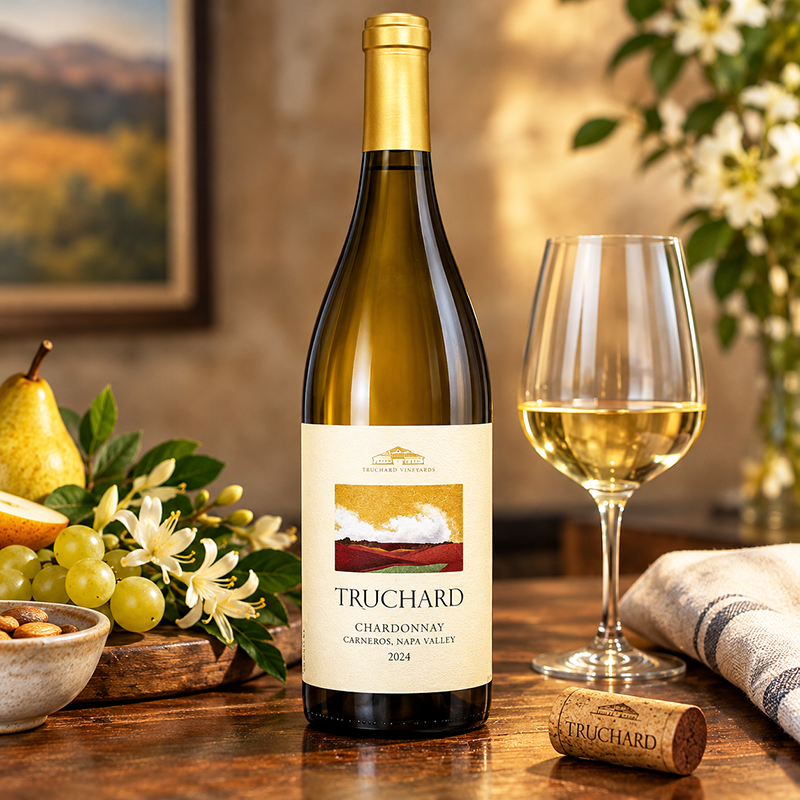
Truchard Chardonnay 2024
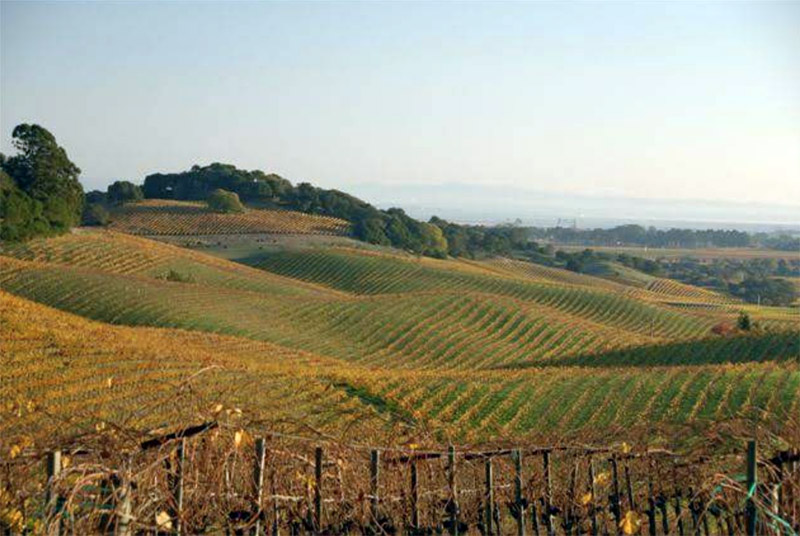
Truchard Vineyards was established in 1974, when native Texans Tony and Jo Ann Truchard purchased a 20-acre parcel of land in Carneros. They transformed what was an abandoned prune orchard into a vineyard, and began selling the fruit to a local winery. Because of the difficult clay soil he had to work with, as well as a dearth of groundwater, Truchard was one of the early adapters of drip irrigation, a practice that was used in Israel for desert farming but not known in California yet. The Truchard Estate Vineyard has since grown to 400 acres, of which 280 are planted.
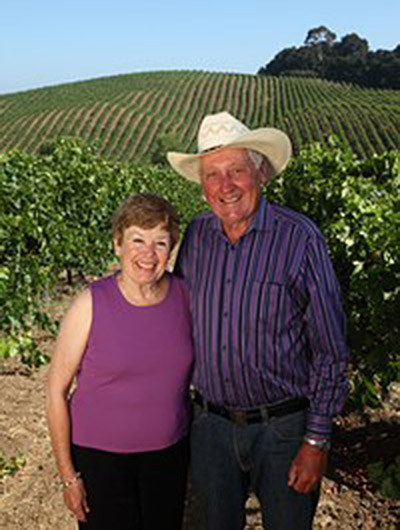
In 1989, the Truchards began making wine for themselves (even as Tony continued his practice as a physician), using only their estate-grown fruit. Today the winery makes 12 different wines, producing a total of 16,000 cases per year. The Truchard’s remain active at the winery even now, along with able assistance from their son, Anthony Truchard II who serves as General Manager.
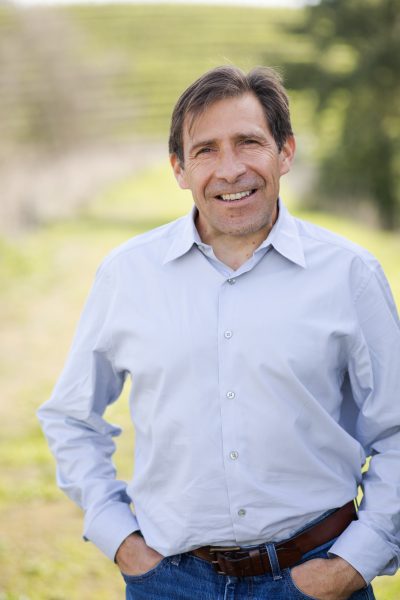
Their winemaker is Sal De Ianni. Originally a chemist, De Ianni was sufficiently drawn to wine that he took his M.S. in Enology at UC Davis. In 1998, he responded to a help wanted ad posted by the Truchards, and has been with the winery ever since.
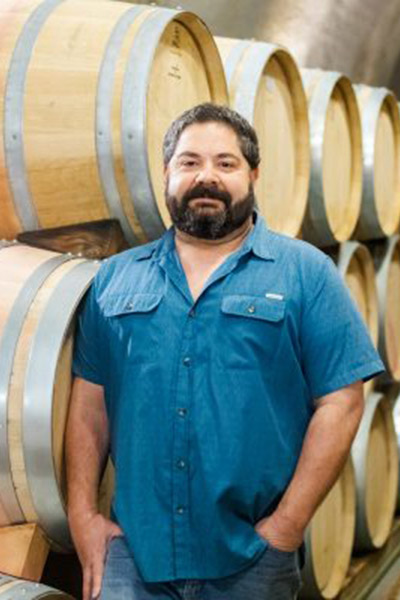
As the most Northeastern vineyard in the Carneros region, Truchard is situated on the foothills of what becomes the Mayacama mountain range and Mount Veeder. The Truchard Estate contains a variety of soils: clay, shale, sandstone, volcanic rock and ash, and enjoys marine-moderated temperatures
Truchard Chardonnay 2024
Carneros produces some of California’s most compelling Chardonnays, thanks to its relatively cool growing conditions, long ripening season, and the influence of San Pablo Bay.
This wine was fermented on the lees for 10 months in 100% French oak barrels, of which 33% were new.
It pours a light yellow in the glass. The nose features honeysuckle, pear, citrus, and a hint of pineapple. The palate is full bodied, with its firm acidity balanced by flavors of tart green apple, lime, a bit of grapefruit, and very light oak. The finish is dry, with suggestions of lemon pith and spice. 6,426 cases were made, and the ABV is 14.1%.
Serve it at 50–54°F to better reveal its character. The barrel fermentation brings complexity, but is sufficiently restrained that oak and butter don’t much appear.
Try this Chard with pan-seared halibut with lemon beurre blanc; roast chicken with tarragon and cream; seared scallops with brown butter; lobster Newberg; pork tenderloin with apples and Dijon mustard; or pan-seared salmon with avocado-dill cream.
I don’t put too much importance on vintage dates. Most producers these days strive for a consistent style, and largely succeed. To support that contention, see my post on Truchard’s 2008 Chardonnay here.
Back to blog posts: winervana.com/blog/