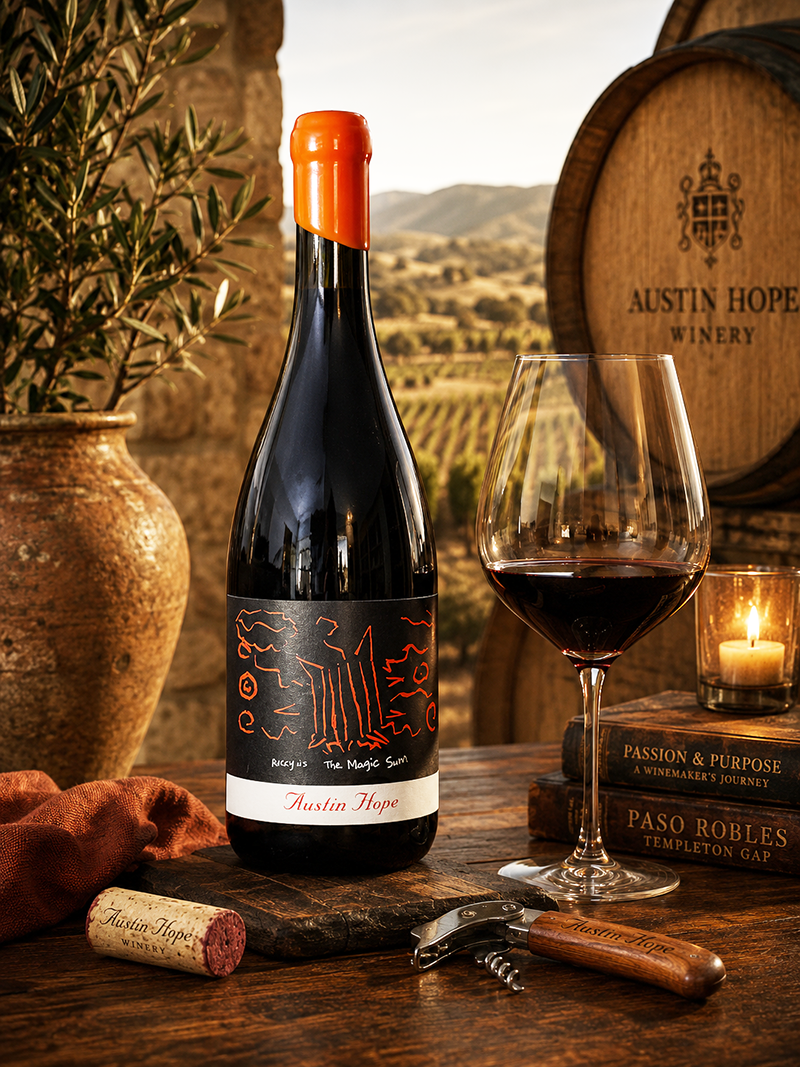
Chuck Hope and his wife Marlyn came to Paso Robles (which roughly means “passageway of oaks”) in California’s Central Coast in 1978 to farm, and eventually to start what would become Hope Family Wines. This early arrival put them on the forefront of the Central Coast becoming a world-class viticultural region. Initially, the Hopes planted apples and grapes in this then sparsely-populated area. Seeing the property’s potential for grape growing, Hope eventually replanted the apple orchards with grapes. Vine density was increased, and each vine was pruned to limit yield for better-quality fruit.
In 1870 the Carbone family purchased a large parcel on Coombsville Road in Napa, California. They opened a winery, which is long gone, and that was about it for winemaking in the area for the next hundred years.
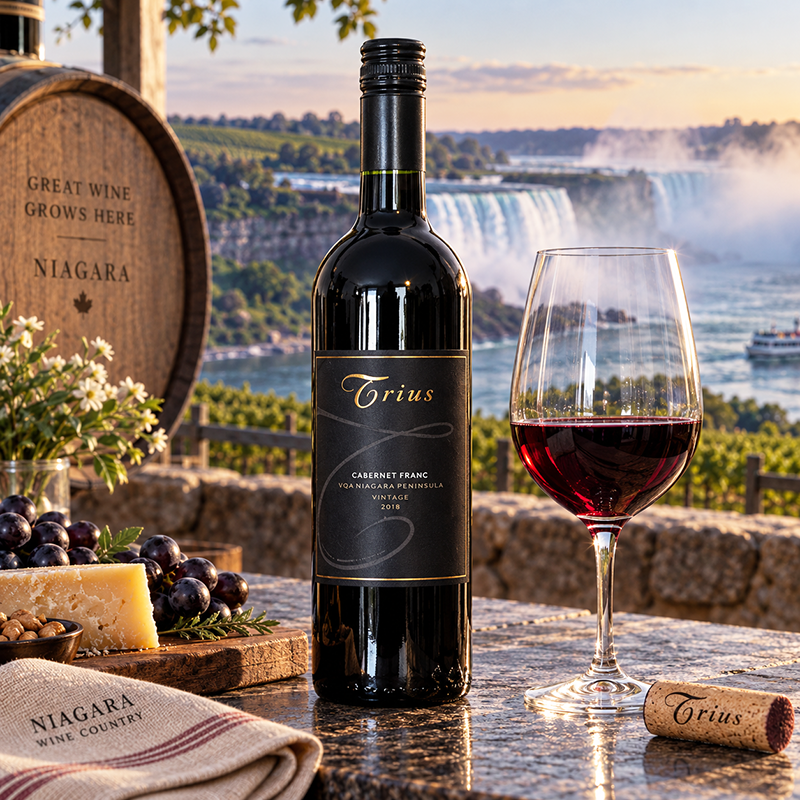
Mention the word “Niagara” and the first thing that occurs to most people is Niagara Falls, of course. But this region, which straddles both the United States and Canada, is becoming increasingly well known for the quality of its wines.
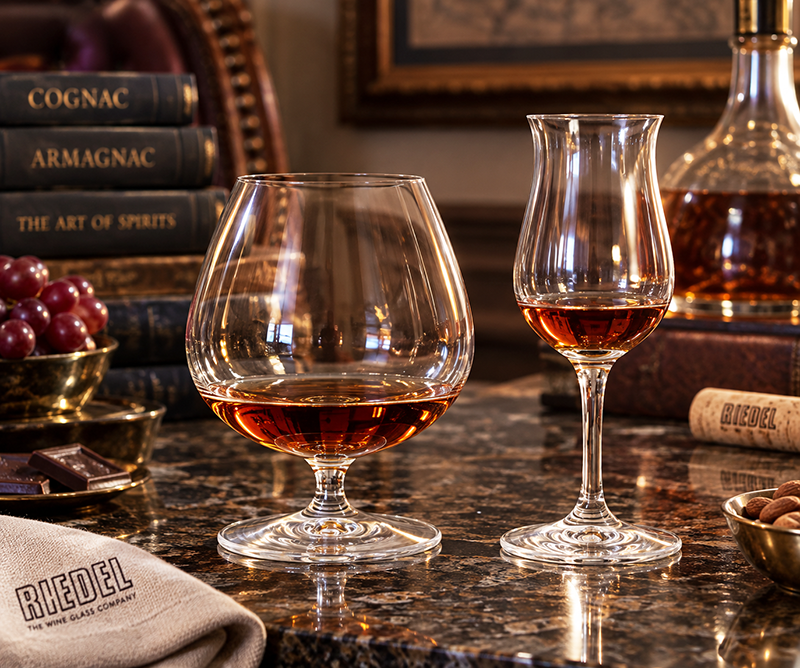
Riedel of Austria, famous for its varietal-specific stemware, makes both of these glasses, and both are intended for use with brandy and its variants Cognac, and Armagnac. How is this possible? They could hardly be more different.
The glass on the left is the iconic brandy snifter, as instantly recognizable as a martini glass. Its large balloon bowl is intended to display as much of a brandy’s aroma as possible. And the wide bottom is intended for cradling in the palm of your hand, warming the brandy to further enhance the nose.
The glass on the right, although named by Riedel specifically for Hennessey Cognac, is suited for any brandy, Cognac, or Armagnac, and is the one preferred by connoisseurs and professionals. The bowl still allows for appreciating the aroma, without accelerating the evaporation like a snifter can, and the tulip shape concentrates it. A similarly-sized and -shaped wine glass can work nearly as well.
While I enjoy stemware like this, as always my advice is to use whatever you like. As far as I’m concerned, if you don’t have to slurp your beverage directly off the counter you’re good to go.
A note about brandy vs. Cognac: brandy is a liquor distilled from wine and aged in wood. (Brandy can be made from fruits other than grapes as well, but that’s a story for another time.) Cognac is brandy that specifically comes from the town of Cognac and the delimited surrounding areas in western France. (The one which has the most favorable soil and geographical conditions is Grande Champagne.) So, all Cognacs are brandy, but not all brandies are Cognac. For more detail on brandy and Cognac, click here.
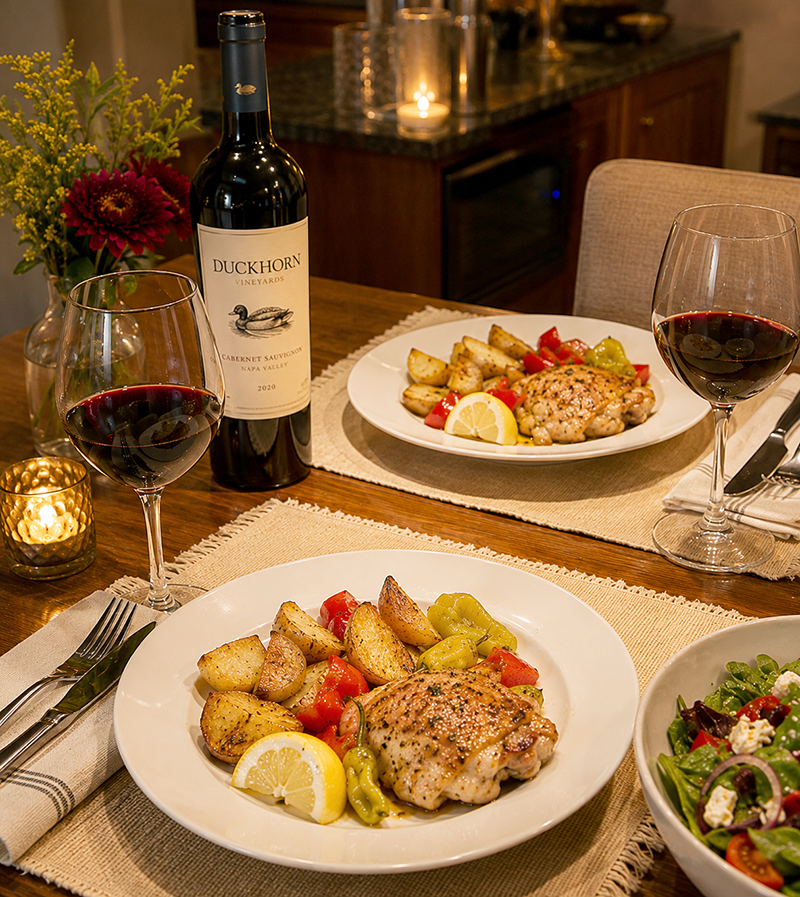
Gene & Georgetti is a legendary old-school Chicago steakhouse, founded in 1941, and still with us, happily. On November 1, 1987, the Chicago Tribune‘s food critic at the time, William Rice (excellent name for a food writer, no?), published a recipe for Chicken alla Joe. Like Spicy Grilled Tuna, this is one of the very few recipes I have made many times. (I have about 200 cookbooks and I don’t like to repeat.) Unlike that one, however, I have modified it somewhat, to make it a bit simpler and even more flavorful. (There is a link to Rice’s original recipe at the end of this post. ) And about ten years ago, I realized I almost always made this in January. So, now I must make it in January. Sometimes late, like January 31, 2020, and sometimes early, like January 1, 2021.
Chicken alla Joe is named for the man who invented it. Gene & Georgetti retains servers for years, if not decades. One of them was Joe Pacini, a native of Tuscany, who worked tables beside the bar in the restaurant’s front room. He had a regular customer, Morris Krumhorn, who liked spicy food. He would order broiled chicken and ask Pacini to have the chef, Mario Navarro, put red pepper on it. “One night I went to the chef and told him, ‘My customer is complaining that the chicken you make is not spicy enough,'” Pacini recalled. Chef Mario responded, “What can I do?” and Joe says, “He really likes it hot. Let’s put some hot pepperoncini with the chicken and green pepper and red pepper.” After serving the dish, Joe returned to the kitchen and said to Mario, “Mr. Krumhorn is a happy customer. He asks what you call this dish?” Mario answered, “It was your idea, not mine. I call it Chicken alla Joe.”
Chicken alla Joe
Serves 6 to 8
3-1/4 lbs. bone-in skin-on chicken thighs, or a mix of thighs and breasts
2 teaspoons salt
1 teaspoon black pepper
4 teaspoons dried oregano
1 or 2 teaspoons dried red-pepper flakes, depending on how hot you want it
9 tablespoons olive oil
1 red bell pepper and 1 yellow bell pepper, stemmed, seeded, and cut into broad strips or chunks, about 12 each
16 oz. jar of pepperoncini, drained, rinsed and left whole (but pierced once, so you don’t get a mouthful of vinegar when you bite into one)
3 – 4 russet potatoes, sliced into spears
2 lemons, cut in half
Heat oven to 450 degrees.
Mix the salt, pepper, oregano, red-pepper flakes, and 3 Tbls oil together. Rub the oil/seasoning mix under the skin of each piece.)
In a large bowl, add the remaining 3 Tbls oil, salt and pepper to taste, potatoes, and bell peppers, and toss with your hands to evenly coat.
Add 3 Tbls oil to an 18″ x 12″ roasting pan and coat the bottom. Add the chicken pieces skin side down to the center of the pan (just the thighs for now if you are using breasts also) and potatoes. Place pan in the oven and cook until the chicken pieces begin to brown, about 20 minutes. Remove roasting pan from oven. Turn chicken pieces (add breasts now if using) and add bell-pepper strips or chunks and pepperoncini. Return to oven and cook until chicken is tender and pepper strips are soft, an additional 20 minutes.
Run under the broiler for a minute or two to crisp the skin.
Remove pan from oven. Squeeze juice from lemon halves over the chicken pieces, then transfer them, the peppers, and pepperoncini to warm serving plates. Spoon pan juices over each portion.
Serve with a green vegetable such as spinach or a salad of your choice, and an Italian red wine, perhaps a Dolcetto.
And if you are ever in Chicago, you can try Chicken alla Joe at Gene & Georgetti itself, where the dish remains quite popular to this day. geneandgeorgetti.com/
If you decide to make my modified recipe, or Rice’s original, I would love to hear about it in the comments below.
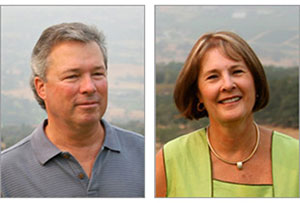
Yet another white-collar professional turned winery owner, Randy Wulff was an attorney for 20 years. After graduating from the Honors College at the University of Oregon and Hastings College of the Law, he worked as a successful trial lawyer and mediator at a law firm in San Francisco. “Even when I was one of the chief mediators during the World Trade Center property damage claims hearings arising from the tragedy of 9/11 that lasted for more than two and a half years, my wife Krys and I had always dreamed of being in the wine business,” Wulff reminisced.
Krys Wulff got her undergraduate degree at the University of San Francisco, and a Masters at Mills College in Oakland, California. She worked as an optical industry consultant for over 25 years while also raising two sons. She has devoted her energies to several philanthropic, educational, and advocacy organizations, including the Piedmont League of Women Voters, the East Bay Junior League, and EdSource, an independent, non-partisan organization that works to engage Californians on key education challenges with the goal of enhancing learning success.
Randy grew up with Krys in California’s Central Valley. “We were high school sweethearts and have been married for over 48 years,” shared Randy. “She is the heart and soul of Lobo Wines, and our success is directly related to her efforts. I can’t think of anything better than sharing our success with the person I love the most.”
As is not unusual for well-heeled San Francisco residents, the Wulffs eventually purchased a second home, in Napa Valley. “We were living in the East Bay and Napa Valley was only an hour’s drive away. Whenever we arrived there, it was like living in another world,” Randy recalled. They soon planted Chardonnay on the property, which is located in the Oak Knoll district. “When the first usable fruit came in, we sold the grapes to Randy Lewis, and he produced a wine that notched incredibly high scores. I thought to myself, this is easy, and we decided to really delve into the wine industry.”
Continuing to expand their efforts as grape growers, a few years later the Wulffs acquired a much larger vineyard about a mile from the first one, where they made substantial improvements to drainage and vine care. In 2007, they acquired a 42-acre property on Atlas Peak, on the eastern ridge of the Napa Valley. With that commitment, the couple established a winery of their own that same year, naming it Lobo Wines. Lobo is Spanish for ‘wolf,’ a play on their last name, of course. The first vintage yielded just 25 cases, but production has gradually increased to around 1,500 cases.
“We want to grow Lobo Wines carefully,” Randy explained. “Our goal is probably around 5,000 cases, and we want everything to be home grown. At this point, we crush some 100 tons of fruit, but we sell around 70 percent to other wineries. Over time, we will sell less and produce more.”
Sadly, the horrendous Atlas Peak fire of 2017 devastated the Lobo winery and the Wulffs’ home site. Undeterred, they immediately set about to rebuild the winery and residence, a project that is ongoing.
The Winemakers
Victoria Coleman Coleman, a Seattle native, began her winemaking apprenticeship at Stag’s Leap Wine Cellars as a production assistant in 1998. While there, she enrolled in a winemaking class at Napa Valley College. As part of that course, she crushed a small amount of Cabernet Sauvignon in a drum with her feet in the time-honored manner. The experience of hands-on winemaking fueled her desire to learn everything she could about it.
She began working with Mario Bazán at Bazán Cellars in 2004 as the winery’s founding winemaker. To further her formal education, she enrolled at the University of California, Davis, (incubator for thousands of winemakers) in the fall of 2006 and graduated in June 2008. She was exposed to classic, Old World winemaking immediately thereafter while working alongside Erick Tourbier at Chateau Mouton Rothschild in Bordeaux. Starting in January 2010, she gained further international experience as winemaker at Jade Valley Winery near Xian, China. She returned to Napa Valley in 2015 and began work at Lobo Wines, where her products include both the Napa Valley and Atlas Peak Cabernet Sauvignon, Pinot Noir, and a proprietary blend of Cabernet Sauvignon and Syrah named “Howl.”
Randy Lewis Lewis came to winemaking via a circuitous route. A native of Atlanta, Georgia, he was a race car driver for more than two decades, first as a Formula Three driver in Europe, where he discovered the wines there and what life as a winemaker could be like. He then raced in America in Formula 5000, Can Am, and finally Indy Cars from 1983 to 1991, competing in five Indy 500s. After retiring as a driver, he helped a friend set up a winery in Napa Valley, and then, with his wife Debbie, he established his own winery in Napa in 1992.
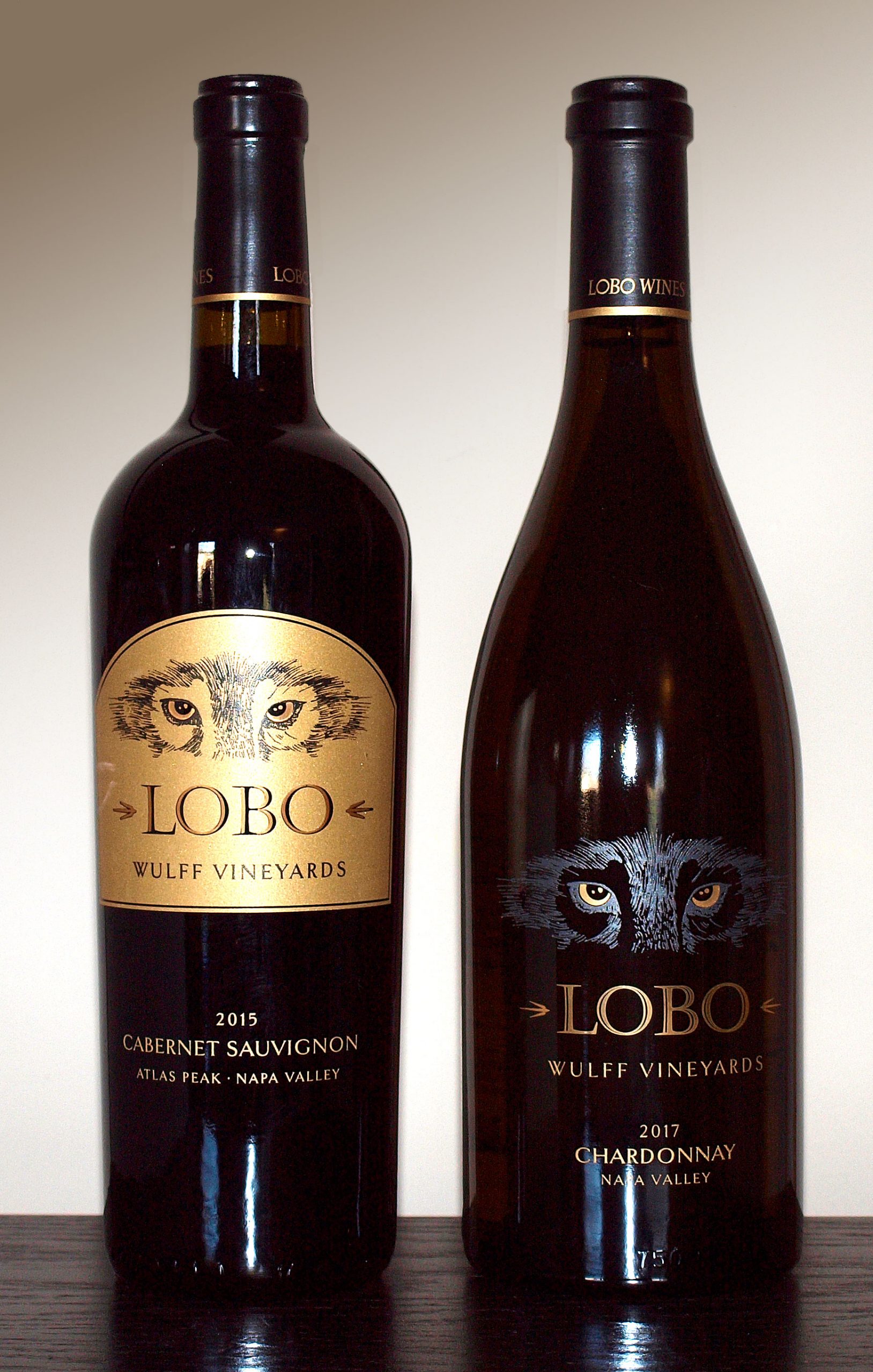
Lobo Chardonnay 2017
Made by Randy Lewis at Lewis Cellars, this 100% Chardonnay is sourced from fruit grown at the Lobo Wulff estate vineyard in Oak Knoll. It is lemon yellow in the glass, and features aromas of lemon, honeysuckle, and melon. The mouthfeel is rich and smooth, and offers flavors of lemon, grapefruit, and more melon. There is good acidity, restrained oak, and a bit of vanilla on the medium finish. ABV is 14.7% and 150 cases were produced.
Lobo Atlas Peak Cabernet Sauvignon 2015
This wine, made by Victoria Coleman, was chosen by Great Britain’s Decanter magazine in 2019 as the Top Cabernet Sauvignon in California over 197 other competitors. It was made from 100% estate grown fruit in the Atlas Peak appellation of Napa Valley, on a rocky, volcanic hillside at 1,350 feet elevation. This is a blend of 98% Cabernet Sauvignon, 1% Merlot, and 1% Petit Verdot (allegedly for “balance and complexity,” although I can’t imagine how much of that such a small percentage could contribute.) On the nose, this Cabernet Sauvignon offers aromas of dark fruit and hints of vanilla. There are ripe plum, black currant, and blackberry on the palate. These harmonize with medium, satiny tannins, nicely integrated acidity, and hint of black tea at the end. ABV is 14.4%.
Maroon Wines Napa Valley Special Reserve Cabernet Sauvignon 2013
Like not a few winery owners of his generation, Paul Maroon came to the industry after a long successful career elsewhere. Of Lebanese descent, he was born in 1947 in Pennsylvania, where his father owned a produce business. His first exposure to wine came when he started as a teenager helping his uncle make wine. “It was terrible,” Maroon laughed years later.
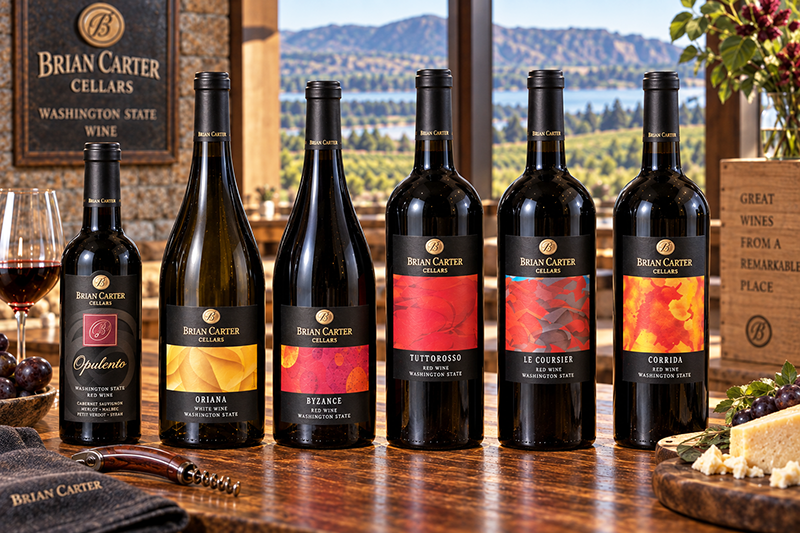
“I came into the field of wine [at a young age], not because my parents were wine drinkers, but because I was given a microscope when I was 12 years old. I heard about these things called yeast, and I wanted to see what they looked like under a microscope. I was told if you want to look at yeast you have to start a fermentation. So I picked some blackberries, fermented the wine, took a sample, and brought out my microscope — and there they were — the little yeast. I’ve been having those yeast work for me ever since.” — Brian Carter
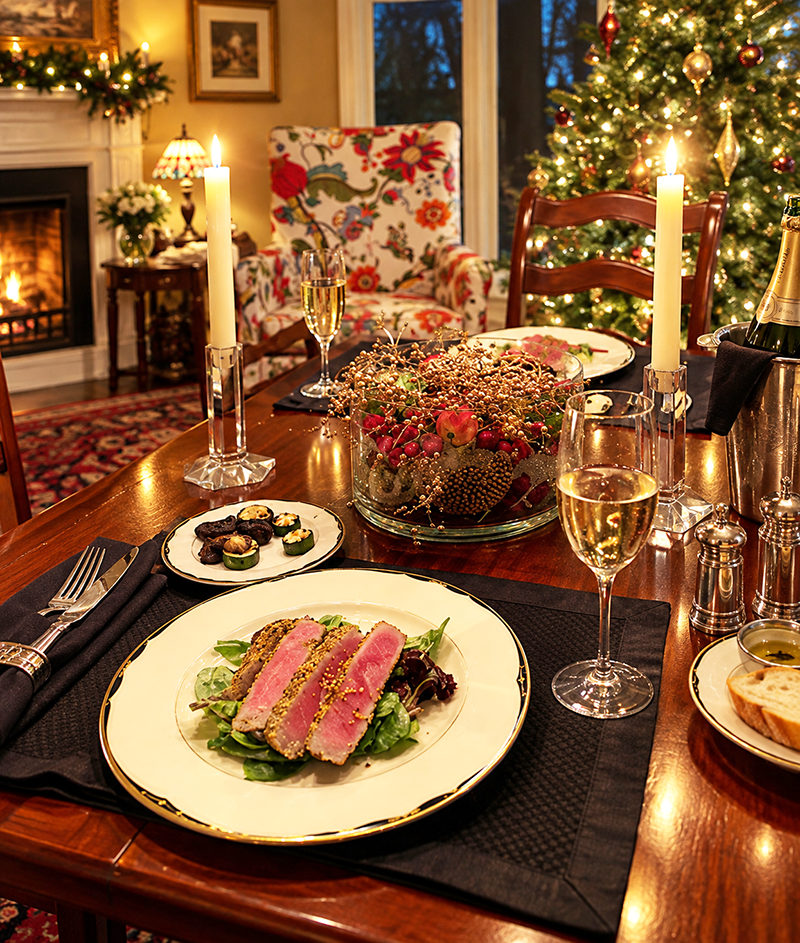
If you don’t like fish, this is the fish recipe for you. If you do like fish, especially tuna, this is definitely the recipe for you. It was published by the great Pierre Franey (1921 – 1996) in the New York Times and Chicago Tribune in August of 1992. It may well be the greatest tuna recipe ever written. I have made it many times over the years, something I rarely do. Hell, I almost never make anything more than once.
Perry and Carolyn Butler emigrated from England to California sometime during the mid-1980s. Butler was a trained chef in England, and dabbled with his wife in the emerging high-tech business there as well. It was their growing interest in technology that drew them to Silicon Valley. Once there, they purchased Global Dynamics, a struggling IT company that provided IT staffing for American Airlines in San Francisco’s Bay Area.
After a legendary career of over 45 years toiling in the vineyards of Sonoma County, Richard Arrowood opened his final winery, Amapola Creek, in 2005. Amapola is Spanish for “poppy,” and the creek that bears the name runs through the estate. When in bloom, the golden poppies line the creek and offer a lovely sight with the vineyards and mountains in the background.
Irv Bliss’ early years as a farmer were occupied with growing pears, prunes, walnuts, and a large family garden just outside of Healdsburg, in Sonoma County, California. Although successful, for years Bliss nursed the vision of planting a vineyard in Mendocino, which he believed to be one of the best places around to grow grapes. In 1943, he purchased a plot of land in southern Mendocino County, and immediately planted the vineyard of his dreams. In the early days, in addition to growing grapes on the property, Bliss farmed figs and raised sheep and cattle. At some point in the 1970s, all 100 acres of the land was converted to grape production, mostly Cabernet Sauvignon and Zinfandel.
When Leonard met Martha
In 1910, the Brutocao (pronounced brew’ tuh coe) family emigrated from Treviso, Italy (a small town near Venice), at first settling in Canada. Son Leonard Brutocao was born in 1935 in Fort Erie, Canada, and, after the family moved to the U.S., was raised in Covina, California. He met Irv Bliss’ daughter Martha while attending the University of California, Berkeley. After Leonard and Martha married, the families joined forces, and continued to farm grapes which they sold to well-known Sonoma and Napa wineries. Irv and Leonard worked together for over 35 years until Irv’s retirement in 1969, at which point the new ownership was split between Lenonard and Lenonard’s brother Albert.
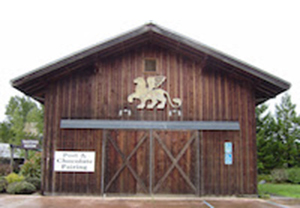
For several years, most of the family’s grapes were sold to local area wineries, including Beringer and Mondavi. Leonard and Albert were interested in more than just farming however, and saw the potential for producing a handcrafted Mendocino wine. Acting on this vision, the Brutocao family released their first wine with the 1980 vintage. Shortly thereafter, they chose as their symbol of family tradition and quality a version of the Lion of St. Mark, the lion on top of St. Mark’s Cathedral in Venice, Italy, (But they flipped the way it faces, for whatever reason.) x
In 1991, the original winery was built, and the first estate vintage was produced. Around the same time, Leonard’s three sons, David, Len Jr., and Steve, joined the family business.
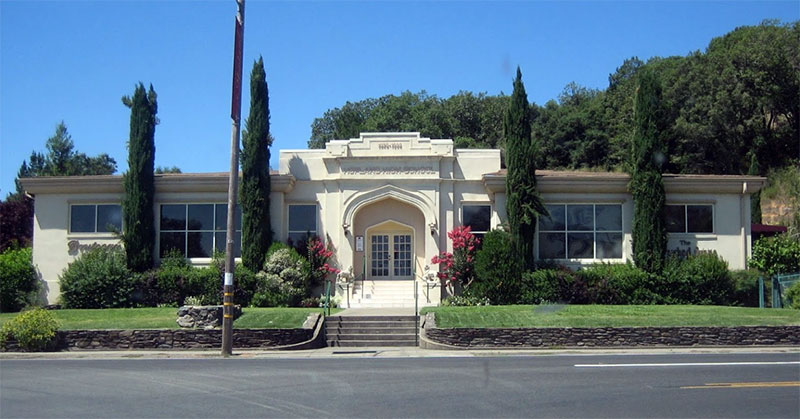
Brutocao outgrew the first winery by 2003, when a new facility was built, and it was expanded in 2009. The original building has now become an onsite wine storage warehouse. The more visitor-friendly tasting room is about a mile and a half due west, in Hopland, California. x
The Winemaker
Hoss Milone became the winemaker for Brutocao in 2009 after spending 18 years toiling for Ferrari-Carano. Hoss is a fourth-generation winemaker who grew up in his family’s vineyards, and watched his grandfather and father produce their own Mendocino wines. Milone is also a trained cooper, aka barrel maker. At some point it was discovered that Milone’s grandfather tilled the land for Irv Bliss in the original vineyard. Quite a coincidence.
The Vineyards
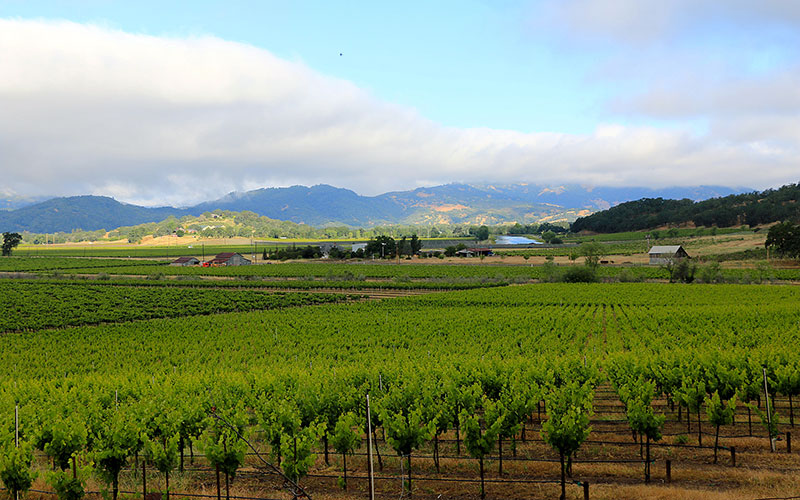
TheBliss Vineyard, also known as the Home Ranch, is the original property purchased in 1943 by Irv Bliss. The vineyard is 400 acres, with 177 acres planted to Chardonnay, Cabernet Sauvignon, Sauvignon Blanc, Zinfandel, Merlot, Sangiovese, Barbera, and Dolcetto.
TheFeliz Vineyard was purchased in 1994. It is 583 acres in size, with 114 acres planted to Chardonnay, Sauvignon Blanc, Syrah, Cabernet Sauvignon, Sangiovese, Dolcetto, Barbera, Zinfandel, and Pinot Noir.
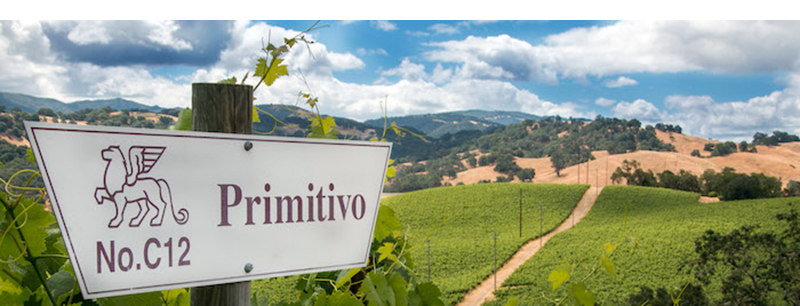
The 251-acre Contento Vineyard was purchased in 1997, but not planted until 1999. 90 acres are now under vine, growing Cabernet Sauvignon and Primitivo*. Contento is the site of an old cattle ranch, where purebred Brangus cattle were raised. Some of the ranch was used for research and development of new tractor equipment, resulting in very well-worked soils.
Brutocao Chardonnay 2019
Made by Brutocao since the mid-1980s, this pale-straw colored Chardonnay comes entirely from Bliss Vineyard, the original property purchased by Irv Bliss in 1943. The wine was 100% barrel fermented and sur lies aged for nine months in French oak, 30% of which was new. Some of the grapes were “whole cluster pressed” for maximum flavor extraction. It underwent 100% malolactic fermentation, which in this case lead to citrus rather than the more typical buttery notes.
The wine opens with aromas of honeysuckle, pear, and mango. These evolve into a full-bodied palate of tropical fruit with just a hint of butterscotch on the finish. Serve moderately chilled at about 60° F. ABV is 13.5%, and 3000 cases were produced.
*There is ongoing debate about whether or not Primitivo and Zinfandel are the same grape. However, it is agreed that at the least they both share a Croatian forebear. Primitivo is mostly planted in Italy, while Zinfandel is almost exclusively American. Winemaker Hoss Milone insists that Brutocao’s Primitivo can be sourced back to mother vines in Italy. He also believes Primitivo prefers French oak aging, while Zinfandel is more suited to American oak.
There is a long-extinct volcano that is part of the Mayacamas Mountains called Mt. Veeder, named for a Dutch Presbyterian pastor, Peter Veeder, who lived in Napa during the Civil War era and enjoyed hiking on the mountain, where the Douglas firs and Knobcone pines reminded him of the forests of home.
Chuck Hope and his wife Marlyn came to Paso Robles (which roughly means “passageway of oaks”) in California’s Central Coast in 1978 to farm, and eventually to start what would become Hope Family Wines. This early arrival put them on the forefront of the Central Coast becoming a world-class viticultural region. Initially, the Hopes planted apples and grapes in this then sparsely-populated area. Seeing the property’s potential for grape growing, Hope eventually replanted the apple orchards with grapes. Vine density was increased, and each vine was pruned to limit yield for better-quality fruit.
Saké, the national alcoholic beverage of Japan, is often called rice wine, but this is a misnomer. While it is a beverage made by fermentation, the production process more closely resembles that of beer, and it is made from grain (rice, of course), not fruit. To make saké, the starch of freshly steamed glutinous rice is converted to sugar and then fermented to alcohol. Once fermented, the liquid is filtered and usually pasteurized. Sakés can range from dry to sweet, but even the driest retain a hint of sweetness.
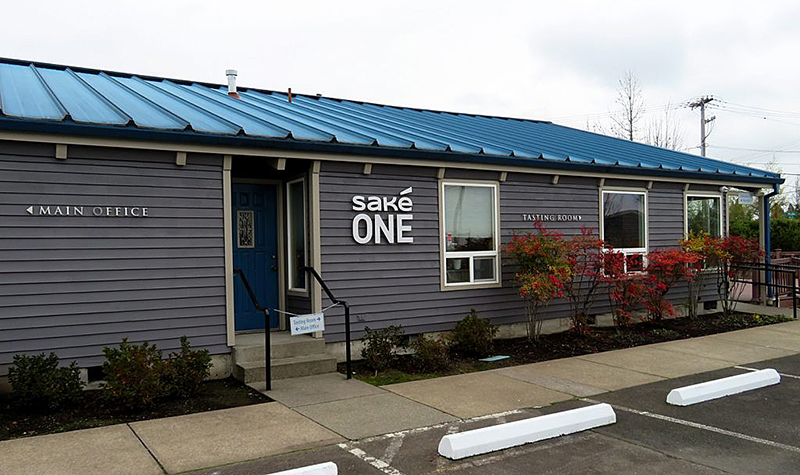
This saké is a domestic product from SakéOne saké brewery in Forest Grove, Oregon. The company began as a saké importer in 1992, and in 1997 they expanded the operation and began brewing saké.
In premium saké, water composition matters a great deal. SakéOne’s founder chose Oregon because he believed that the best-quality water for saké brewing is in the Northwest.
The other crucial component is rice, and SakéOne sources its Calrose rice from the Sacramento Valley. Calrose is derived from Japanese saké rice and has several qualities that produce saké with more body, higher viscosity, and a long finish.
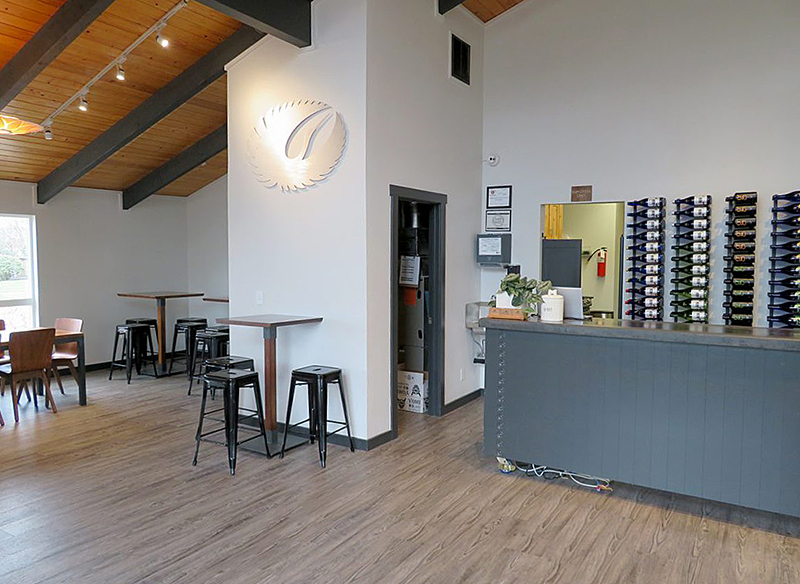
SakéOne’s modest tasting room.
x Momokawa Pearl Saké
Pearl is a rich, full-bodied Junmail* Ginjo** Nigori*** saké that opens with vanilla and pineapple on the nose. It is quite sweet as far as I’m concerned, with banana, coconut, and marshmallow on the palate. The producer suggests pairing this with spicy cuisine, but I would personally reserve it for desserts, especially those featuring tropical fruits.
Nigori is an acquired taste, in my opinion. If allowed to settle, there will be about an inch and a half of very fine-grained solids in the bottle. If mixed with the saké as intended, the solids create a chalky mouthfeel, which I am not a fan of. YMMV. The ABV is 14.8%, and the SMV**** is -10. The rice has a polish of 58%, so 42% of the rice has been removed. Serve chilled.
SakeOne offers a three-tiered monthly saké club (but not all three tiers are available in every state, due to local liquor laws). Club membership offers attractive discounts and access to limited production sakés. Unfortunately, SakeOne marks up the actual shipping charges by 30% to 50%, making those discounts in reality rather less attractive. I for one would prefer that the discounts be less, if necessary, and the shipping costs accurate.
*Junmai is pure rice wine, with no added alcohol). Until recently, at least 30% of the rice used for Junmai sake had to be milled away, but Junmai no longer requires a specified milling rate.
**Ginjo designates that at least 40% of the rice has been polished away. If a bottle is labeled just Ginjo, distilled alcohol was added; if it is labeled Junmai Ginjo, no alcohol was added.
***The Nigori designation translates roughly to cloudy because of its appearance. All sakés are usually filtered to remove grain solids left behind after fermentation. However, Nigori sake is filtered using a broader mesh, resulting in the inclusion of fine rice particles and a far cloudier drink.
*****An important gauge of saké is the SMV (Saké Meter Value). This measures the density of saké relative to water, and is the method for determining the dryness or sweetness of saké. The higher the SMV, the drier the saké. The range is -15 to +15.

 and I had always dreamed of being in the wine business,” Wulff reminisced.




 The
The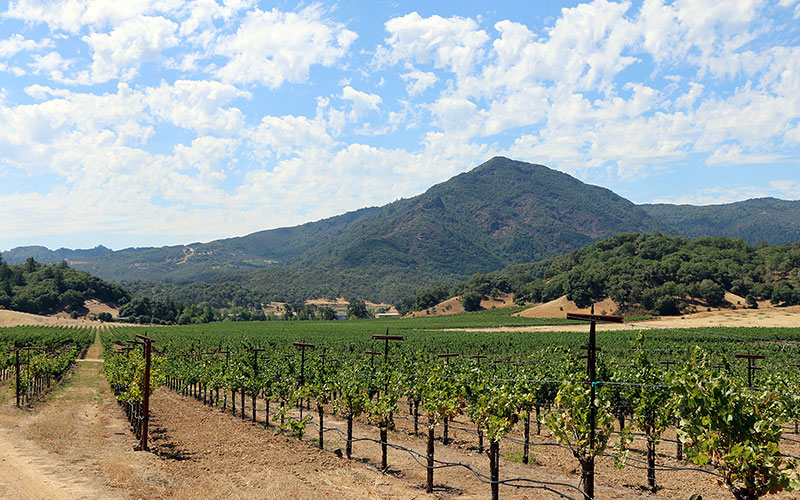 The
The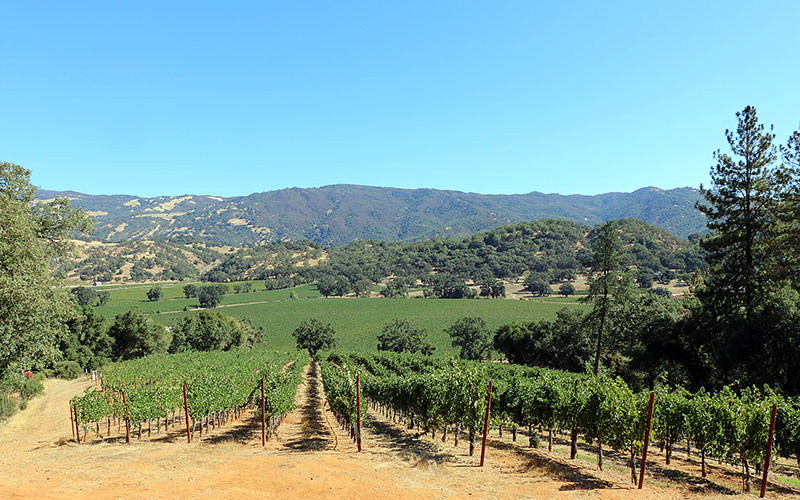 The 251-acre