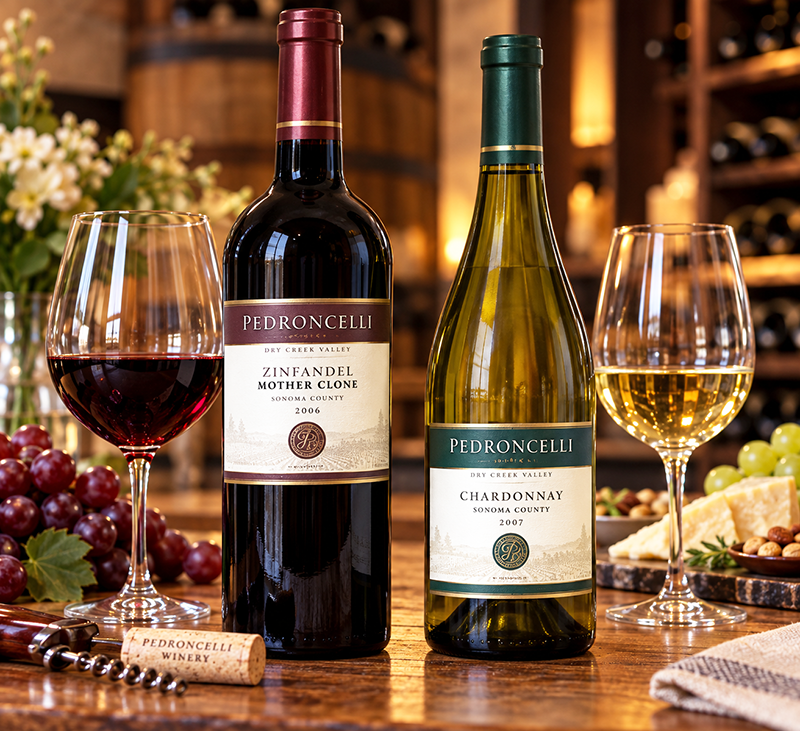
Pedroncelli was founded in 1927 in Geyerserville, California, during the middle of Prohibition, and began by selling grapes to local home winemakers. After Repeal in 1933, Pedroncelli began to make their own wines in a winery that had been sidelined as a barn.
Sonoma County is situated between Napa County to the east, and the Pacific Ocean to the west. Sonoma has over 175 wineries, second only to the somewhat more famous Napa in number of U. S. wineries.
A joint venture between LPGA golfer Annika Sorenstam and Wente Vineyards, Annika Vineyard’s second offering was a 2008 Chardonnay. It joined the 2006 Syrah which was the winery’s inaugural release.
Migration Russian River Valley Chardonnay and Anderson Valley Pinot Noir
Duckhorn Portfolio is the umbrella corporation of an expanding wine mini-empire. First came the flagship Duckhorn Vineyards, established in 1976 by Dan and Margaret Duckhorn to pioneer and feature premium Napa Merlot. (Duckhorn has a “second growth” label named Decoy, as well.) Next came Paraduxx in 1994, specializing in Zinfandel-based blends. This was followed by Goldeneye, which began making Pinot Noir in 1996. Migration was established in 2001 to focus first on Pinot Noir and Chardonnay.
Although it sounds French, the Clos du Bois [klow doo bwa] winery is definitely American. Clos du Bois was founded in 1974 by Frank Woods, who planned on simply naming his new winery “Woods Vineyard.” His children, who were studying French at the time, suggested “Clos du Bois” instead, which loosely translates to “enclosure in the woods.”
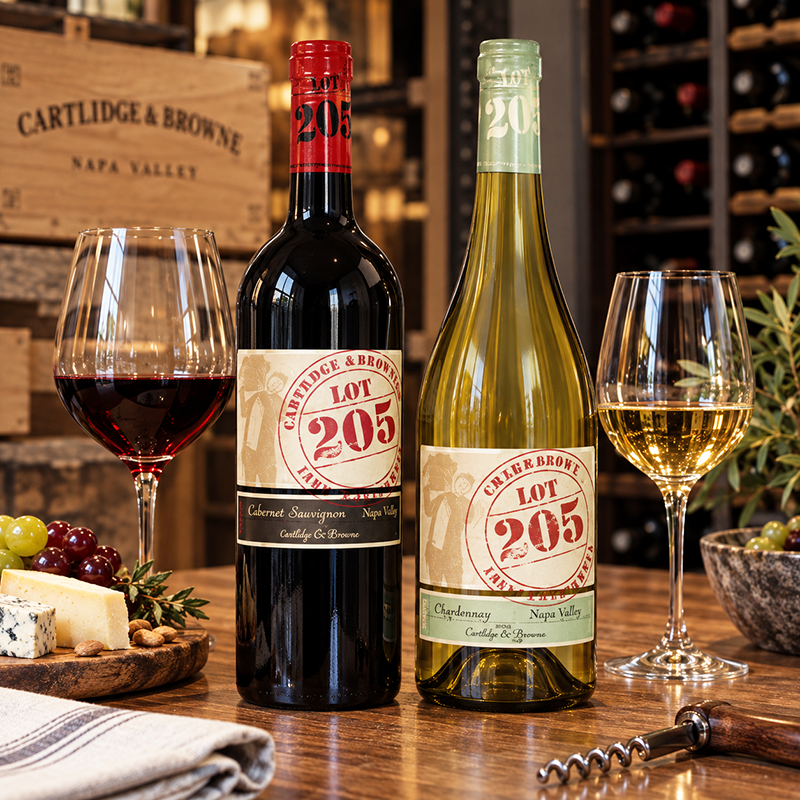
Lot 205 is the undercover label of the well-regarded Cartlidge and Browne winery. Although they acknowledge their Rabid, Manzanita Canyon, and Stratford sub-brands, Lot 205 is their secret agent, for reasons known only to them (the price points of all of these labels are approximately the same).
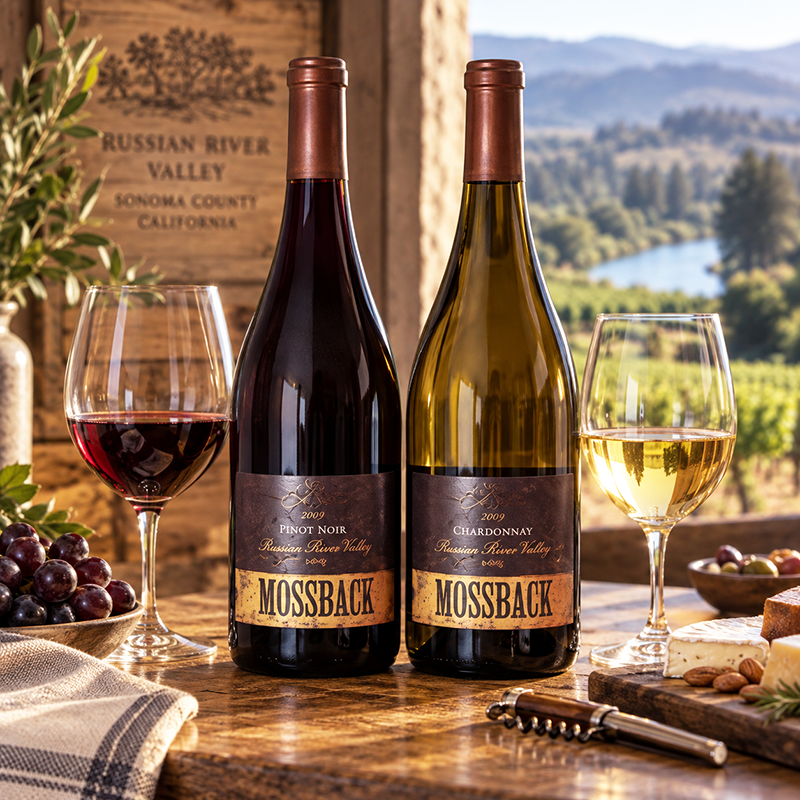
The Russian River AVA sits in the center of northern California’s Sonoma County, and is characterized by a generally cool climate, with sunny days bracketed by fog early and late. This encourages the slow-ripening of fruit, particularly suitable for Chardonnay, Pinot Noir, and Sauvignon Blanc, like these selections from Mossback Winery.
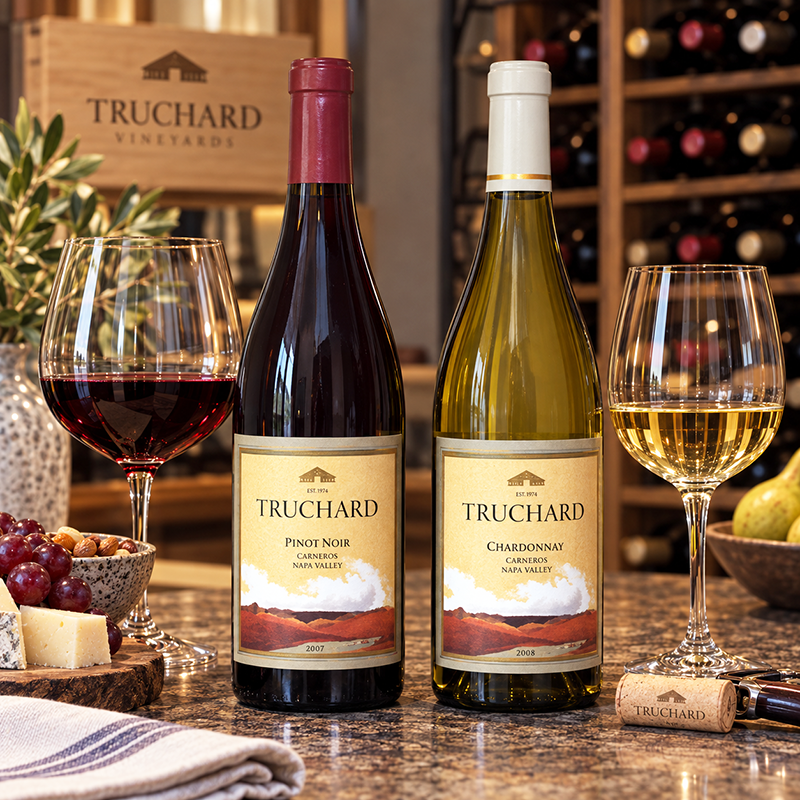
Truchard Vineyards was established in 1974, when native Texans Tony and Jo Ann Truchard purchased a 20-acre parcel of land in Carneros. They transformed what was an abandoned prune orchard into a vineyard, and began selling the fruit to a local winery. Because of the difficult clay soil he had to work with, as well as a dearth of groundwater, Truchard was one of the early adapters of drip irrigation, a practice that was used in Israel for desert farming but not known in California yet. The Truchard Estate Vineyard has since grown to 400 acres, of which 280 are planted.
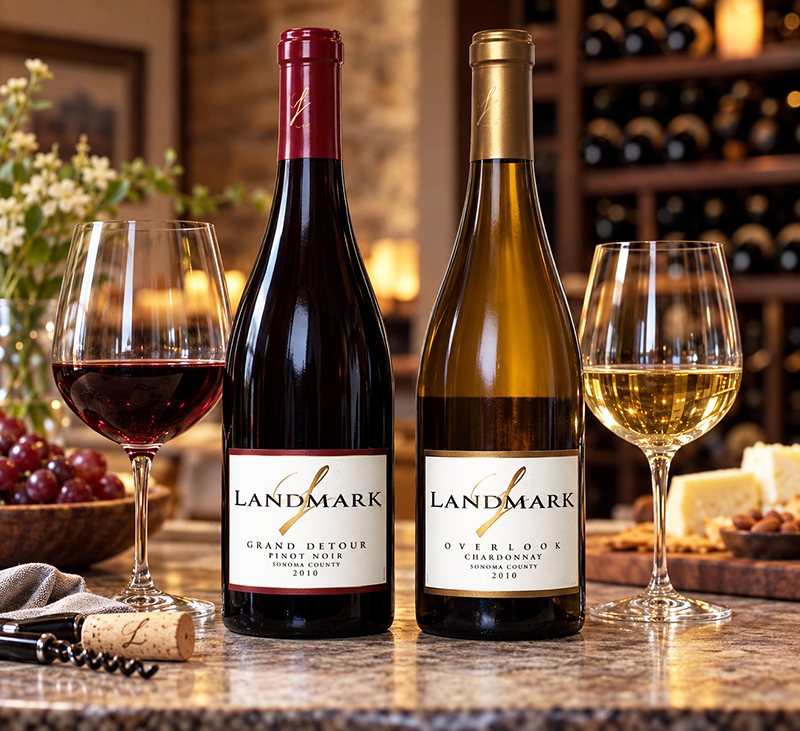
Since its founding in 1974 by Damaris Deere Ford, great-great granddaughter of John Deere, Landmark Vineyards has called Sonoma County home. Originally located in Windsor, California, in 1989 Landmark moved to the heart of Sonoma valley to escape the encroaching urbanization to the north.
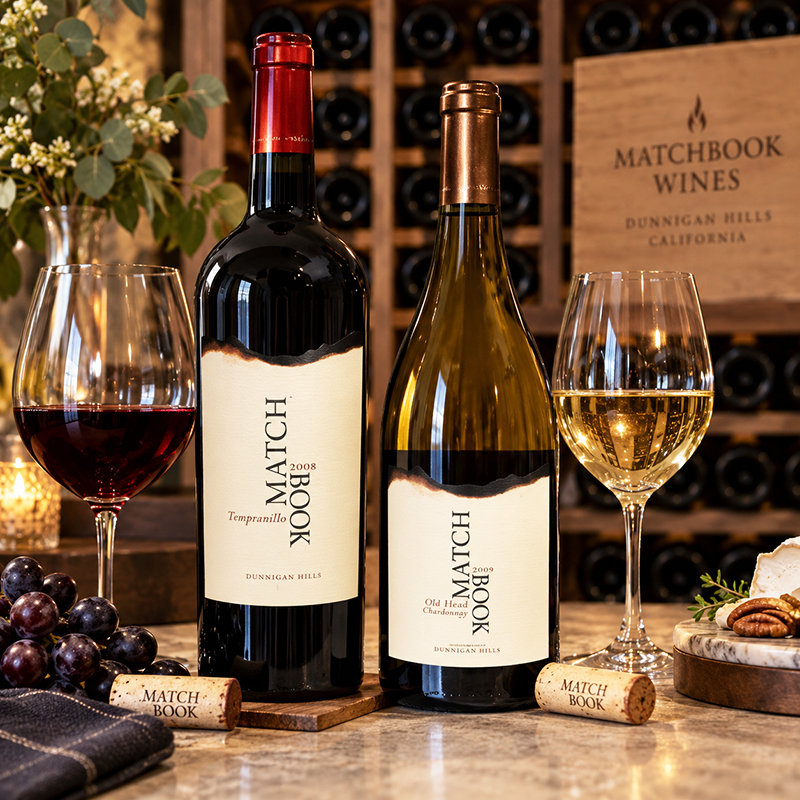
Founded in 2006, Matchbook Wine is owned and operated by a pair of proprietors with impressive resumés in the wine business.
John Giguiere, with his wife Lane and brother Karl, started R.H. Phillips Winery in 1983 on land that was part of their family farm in the Dunnigan Hills of northwestern Yolo County, 30 miles east of the more-famous Napa. Over the course of 20 years, the Giguieres grew R.H. Phillips from a family winery of 10 acres and a few cases into a publicly-owned behemoth producing 900,000 cases of wine on 2500 acres, including the best-selling Toasted Head and EXP as well as R.H. Phillips.
Simi Alexander Valley Cabernet Sauvignon and Simi Alexander Valley Chardonnay
Simi Wines
Although Napa Valley is considered by many to be California’s preeminent winemaking region, Sonoma County just to the west offers many pleasures as well, particularly the wines from Alexander Valley, which is one of my personal favorite regions.