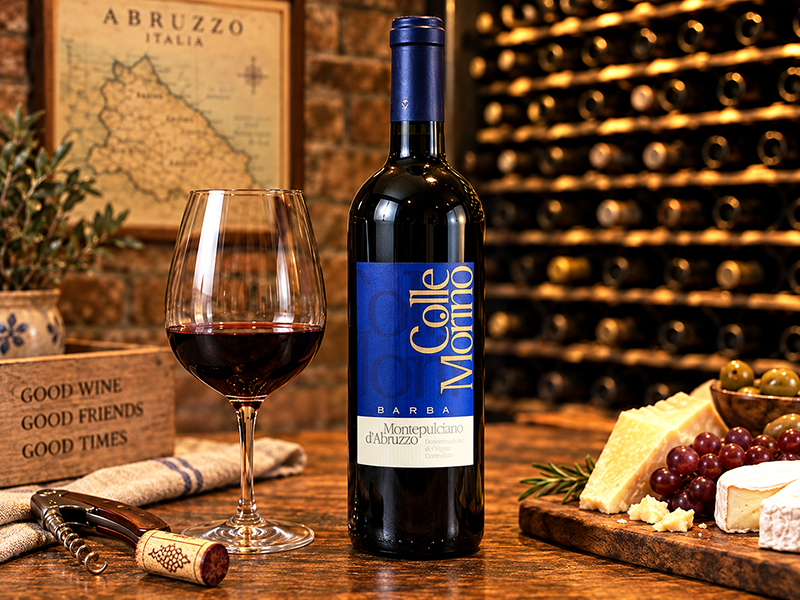
The Fratelli [Brothers] Barba winery, completed in 1991, is in Scerne di Pineto, at the foot of the Colle Morino hills. This relatively young winery prides itself on using the latest technology and equipment, especially after a major renovation in 2005.
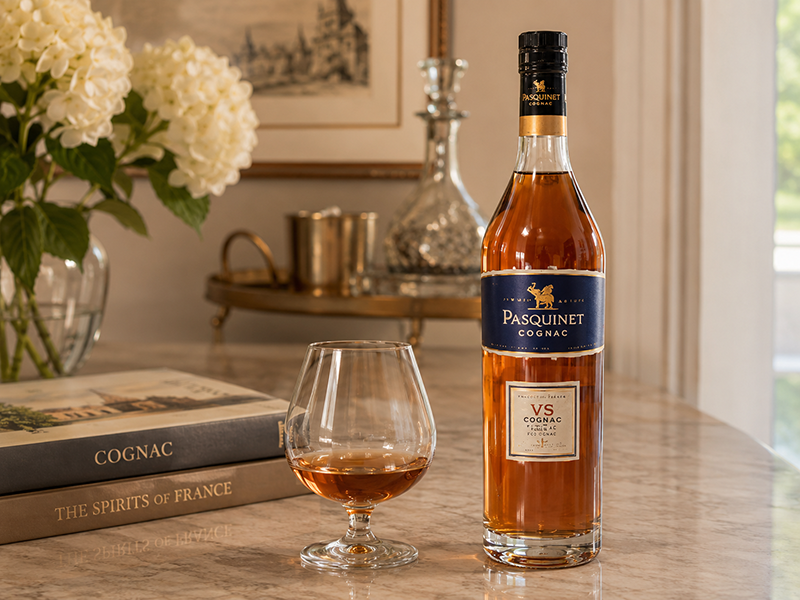
Pasquinet is a family-rooted Grande Champagne producer/distiller based at Domaine du Foucaudat in Juillac-le-Coq, with estate vineyards, its own distilling tradition, old stocks, and a history stretching back well before the Pasquinet brand itself was created. The primary terroir is Grande Champagne, Cognac’s premier cru, with an estate size of about 22 hectares (54 acres). Continue reading “Pasquinet VS Cognac”
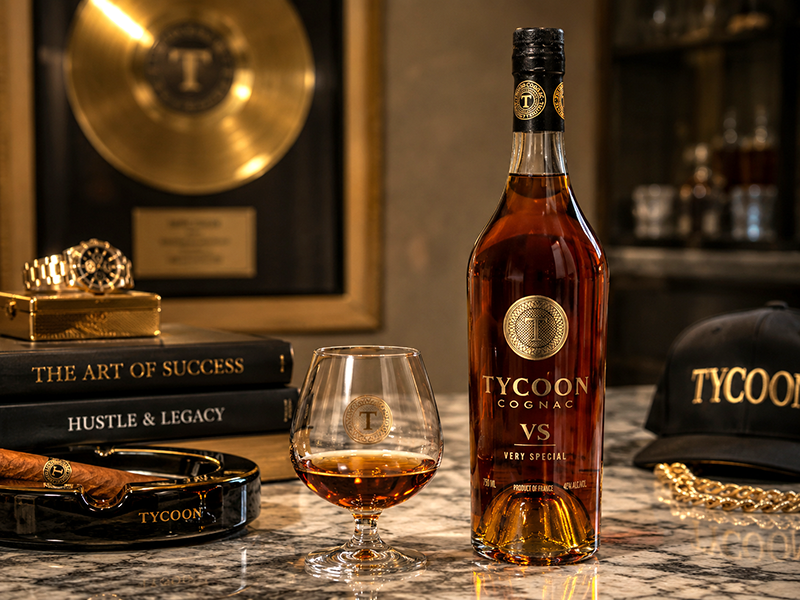
Celebrity-backed brandy and Cognac is a notable and growing trend, heavily propelled by hip-hop culture and high-profile music and sports partnerships. High-visibility labels like Jay-Z’s D’USSÉ and 50 Cent’s Branson Cognac have proven that celebrity ownership can turn niche or traditional French spirits into major market contenders.
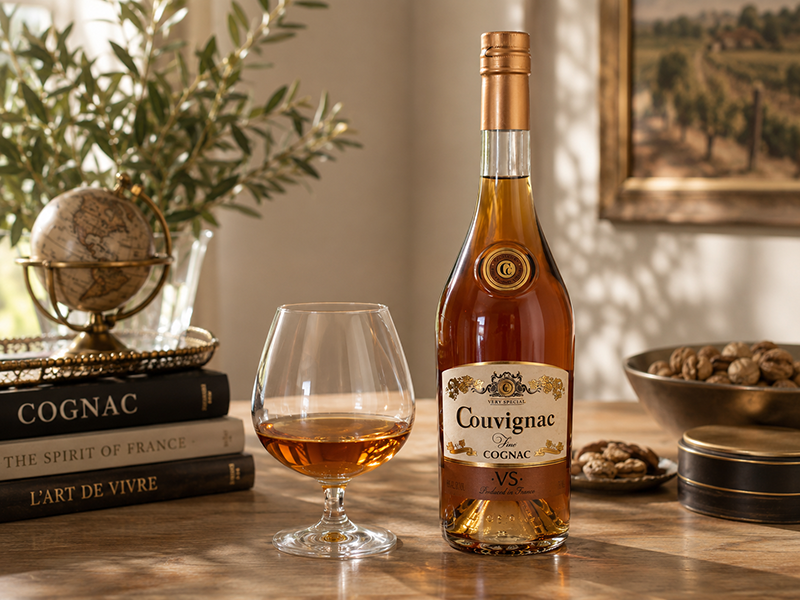
Couvignac is produced by Distillerie de Chevanceaux/SVE (Société des Vins et Eaux-de-Vie), a long-established family distillery in Saint-Palais-de-Négrignac, south of Cognac. It is a substantial, multigenerational, family-owned Cognac distiller, grower, blender, cellar operator, and spirits producer whose roots lie in supplying and producing eaux-de-vie rather than building an internationally famous Cognac house name. The Cognac distillery at the present site was founded in 1896 by Louis Gautriaud, formerly a bouilleur de cru—essentially a grower-distiller. His son Ernest took over after 1926, followed by grandson Robert after 1956. The company’s own modern family history traces the family’s involvement in growing, distilling, aging, and blending Cognac back further, to 1830. Julien Nau and his sister Marie represent the latest generation of the family. Continue reading “Couvignac VS Cognac”
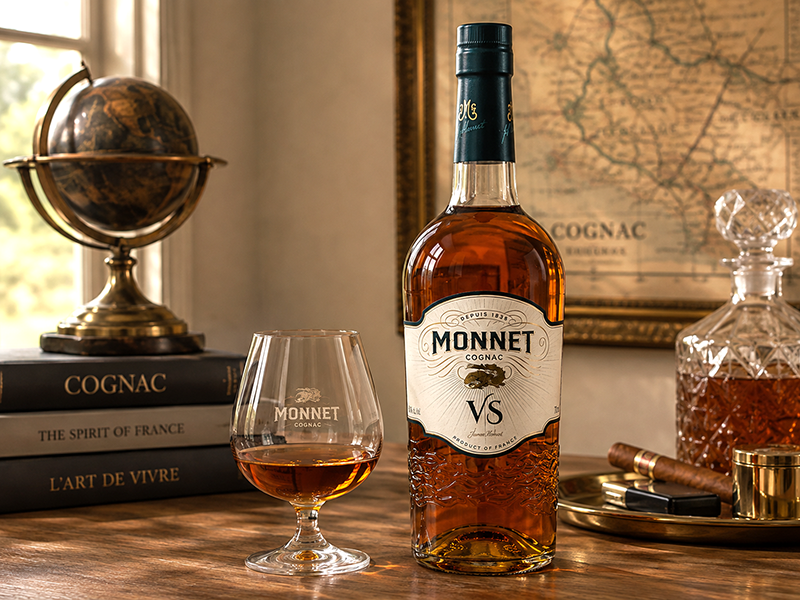
Maison Monnet is one of those Cognac houses that is much better known in Europe than in the United States. It has a legitimate historical pedigree, an unusually interesting connection to European history, and a recognizable house style built around fruit, flowers, warmth, and softness rather than aggressive oak. Monnet itself describes this as its “sunny” style.
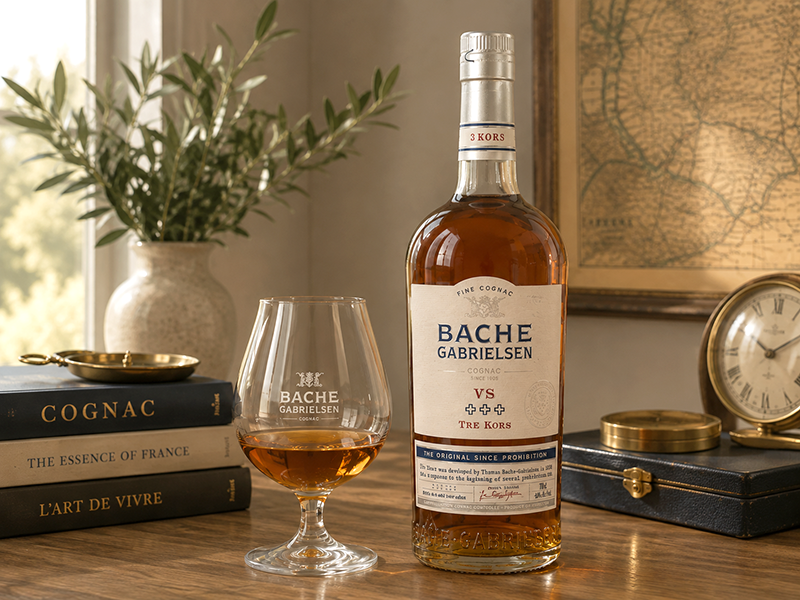
Bache Gabrielsen VS Tre Kors (“Three Crosses”) is a particularly interesting VS because there’s a genuine story behind the name, and the Cognac itself is more characterful than I’d expect from a basic VS [Very Special].
Bache Gabrielsen is unusual among Cognac houses because its roots are Norwegian rather than French. Thomas Bache-Gabrielsen came to Cognac from Norway in 1903, at about age 20, initially to develop his family’s wine-and-spirits business. He met his future wife Odette, the daughter of local winegrowers, and decided to remain in France. In 1905, Thomas and fellow Norwegian Peter Rustad bought the existing Cognac house A. Edmond Dupuy, which dated to 1852. That became Maison Bache Gabrielsen. (The origin story of Bache Gabrielsen is curiously similar to that of the Cognac house founded by Jens Reidar Larsen.)
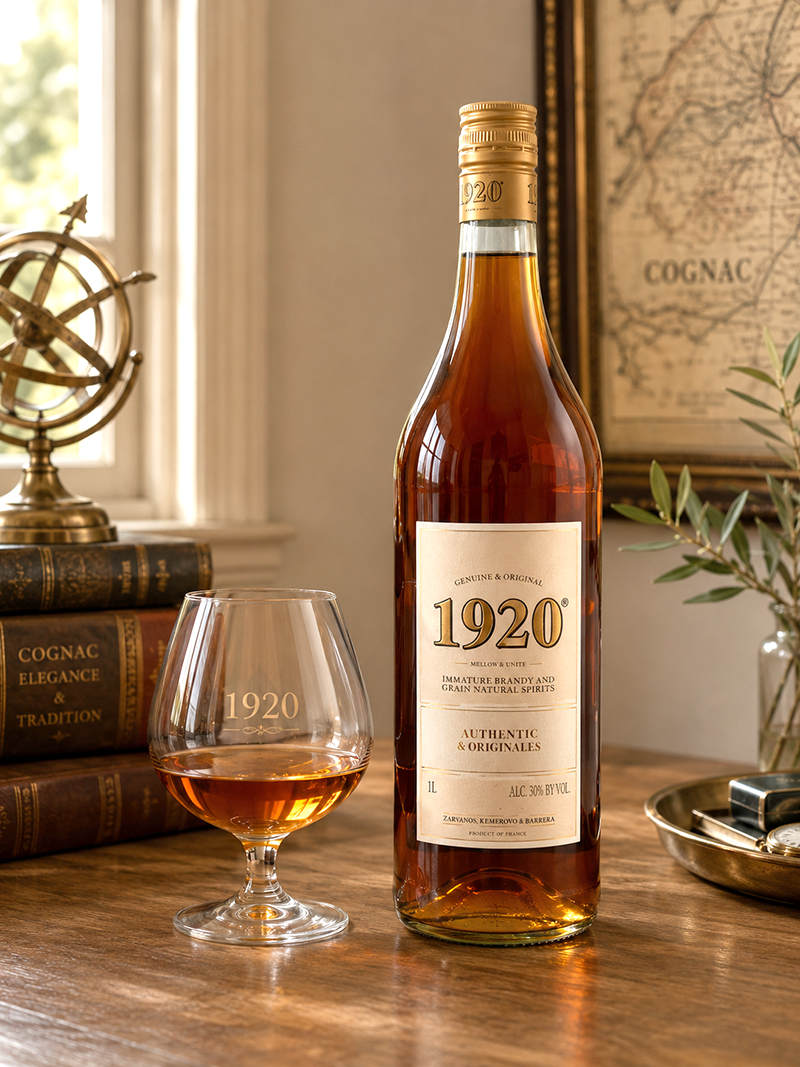
Carvalho, Ribeiro & Ferreira is one of the historic names in Portuguese wine-based spirits, and 1920 is its inexpensive, everyday brandy rather than its prestigious old aguardentes. It has a surprisingly tangled history, though—and there are some contradictory stories in circulation about exactly how the name “1920” originated.
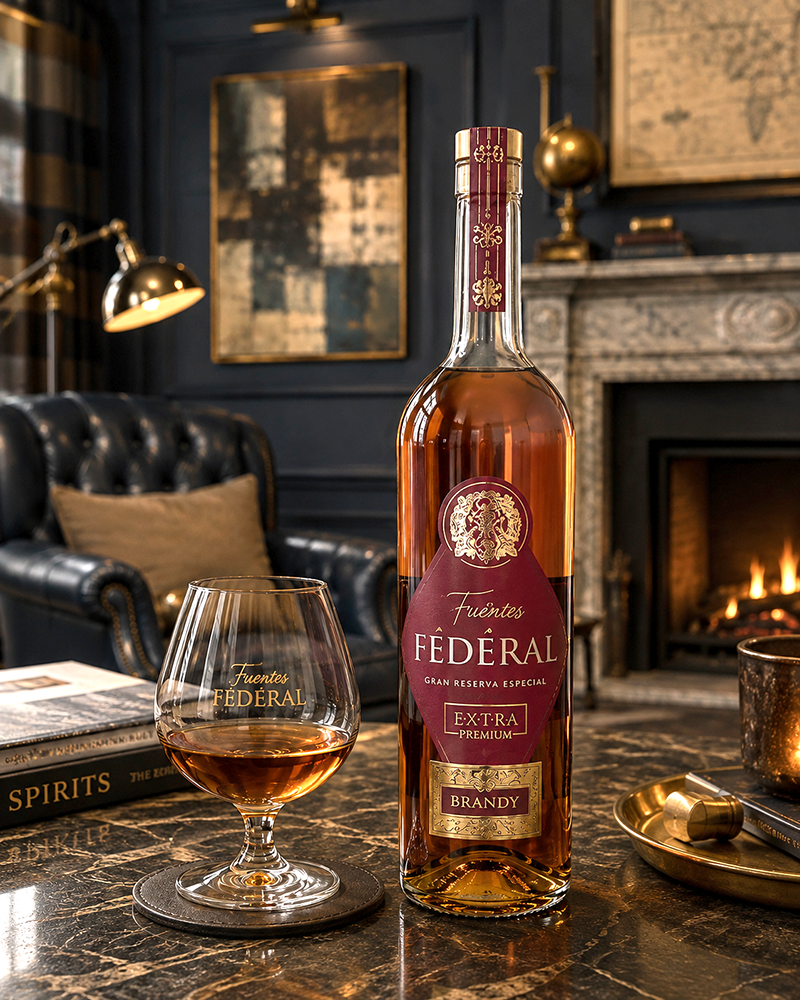
Trésor Fédéral VSOP is an entry-level Moldovan grape brandy that has only recently appeared in the U.S. market. It isn’t widely known among brandy enthusiasts, and there is relatively little publicly available information compared with established brandy names like St-Rémy, Torres, or a slew of Cognac producers. Here’s what I pieced together from importer information, retailers, and Moldovan brandy traditions.
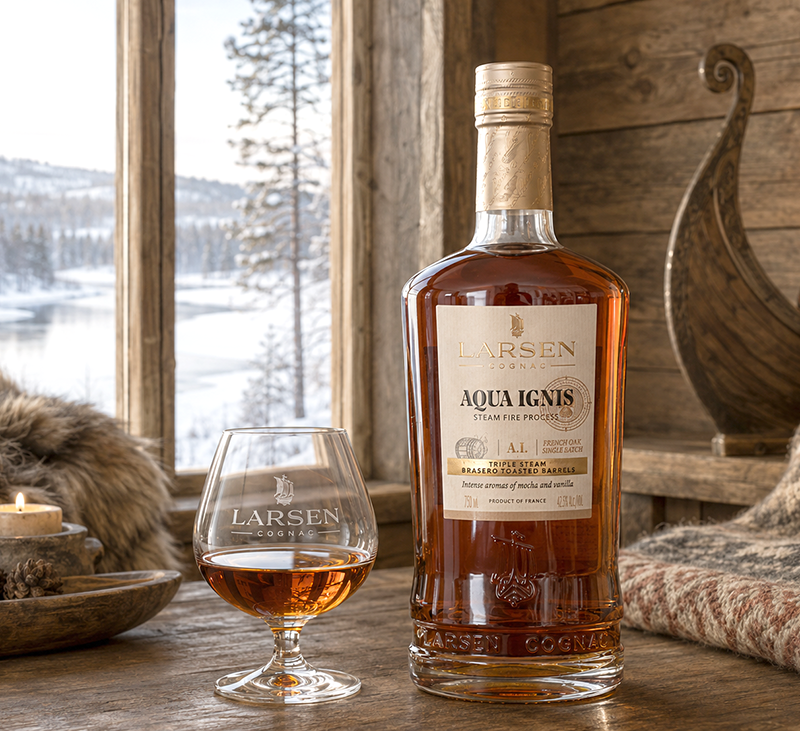
Larsen is one of Cognac’s more distinctive houses—not because it is one of the oldest, but because it combines a Nordic heritage with a very elegant, fruit-driven Cognac style. While houses such as Hennessy, Martell, Rémy Martin, and Courvoisier trace their roots back to the 18th century, Larsen was founded in 1926 by a Norwegian adventurer, making it a relative newcomer with an unusually international identity. Continue reading “Larsen Aqua Ignis Cognac”
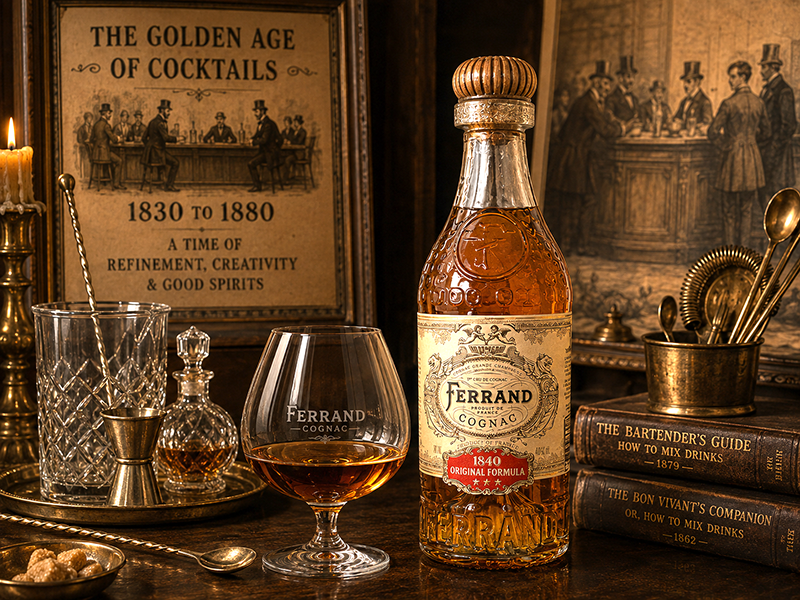
Cognac has been sold under the Ferrand name since the 18th century, spanning 10 generations of producers, beginning with the birth of the first Elie Ferrand in the small town of Segonzac in 1630 (nine more Elies would follow). In 1989, Alexandre Gabriel partnered with Pierre Ferrand, the living heir of the family, to develop a line of Cognacs. Once Pierre Ferrand retired in 1993, Gabriel became sole proprietor. Continue reading “Ferrand 1840 Cognac”
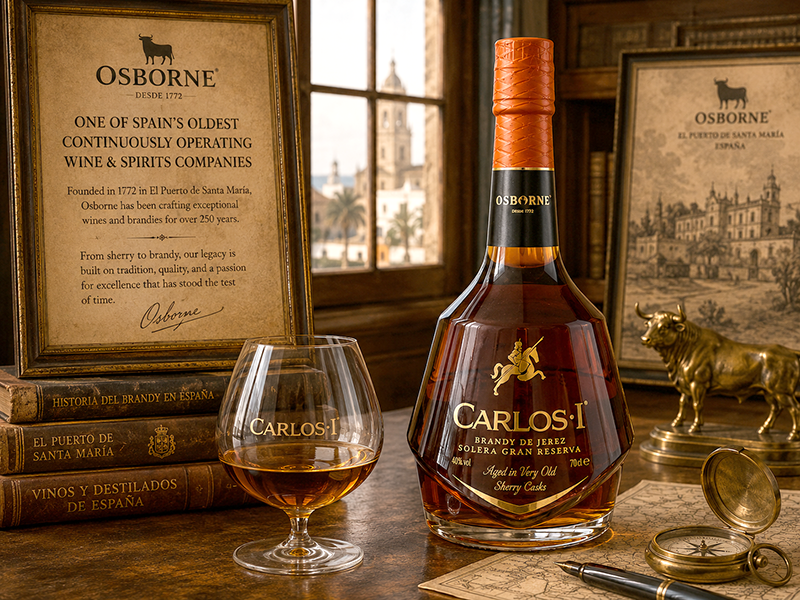
If Cognac represents the pinnacle of French grape brandy, Carlos I Brandy de Jerez is one of Spain’s great answers to it. Produced by Bodegas Osborne, it is arguably the flagship premium Brandy de Jerez, and has done more than almost any other brand to elevate Spanish brandy from an everyday digestif to a world-class sipping spirit.
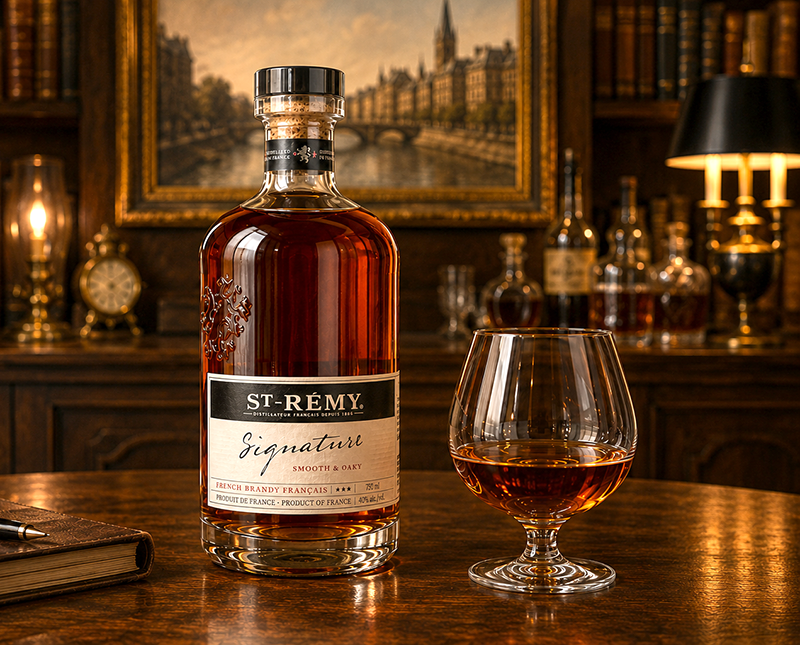
Rémy Martin is one of the world’s oldest and best known Cognac brands, with selections that range, at my local liquor store at least, from the $13 St. Remy French brandy to the $9000 Rémy Martin Louis XIII Time Collection: City of Lights – 1900. (I have tried one of these, but not both.)
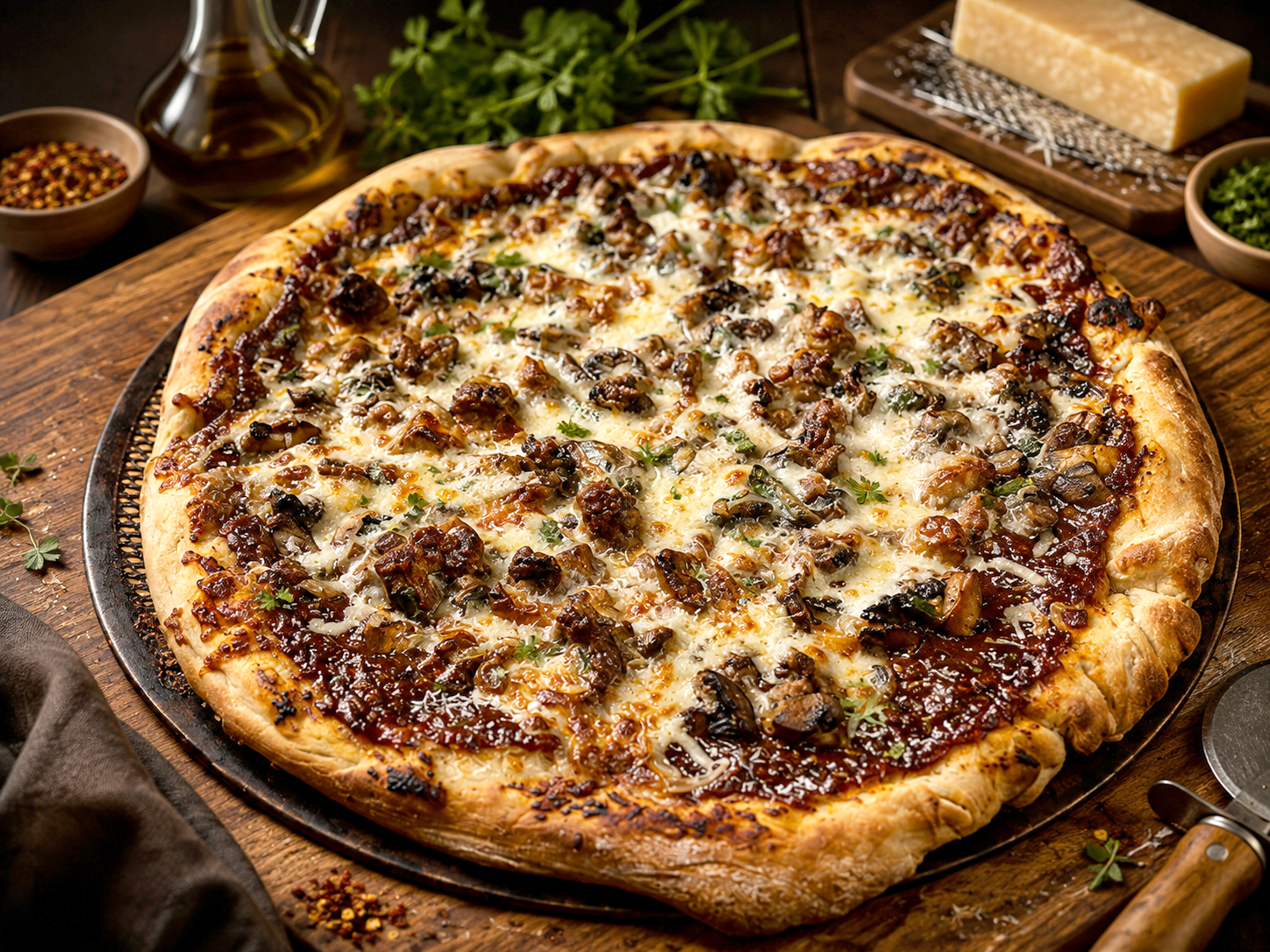
Pizza Marengo is my interpretation of Chicken Marengo, the classic dish traditionally associated with Napoleon’s victory over the Austrians at the Battle of Marengo in 1800. According to legend, Napoleon’s cook improvised a meal from whatever ingredients he could find, including chicken, tomatoes, garlic, crayfish, and eggs.
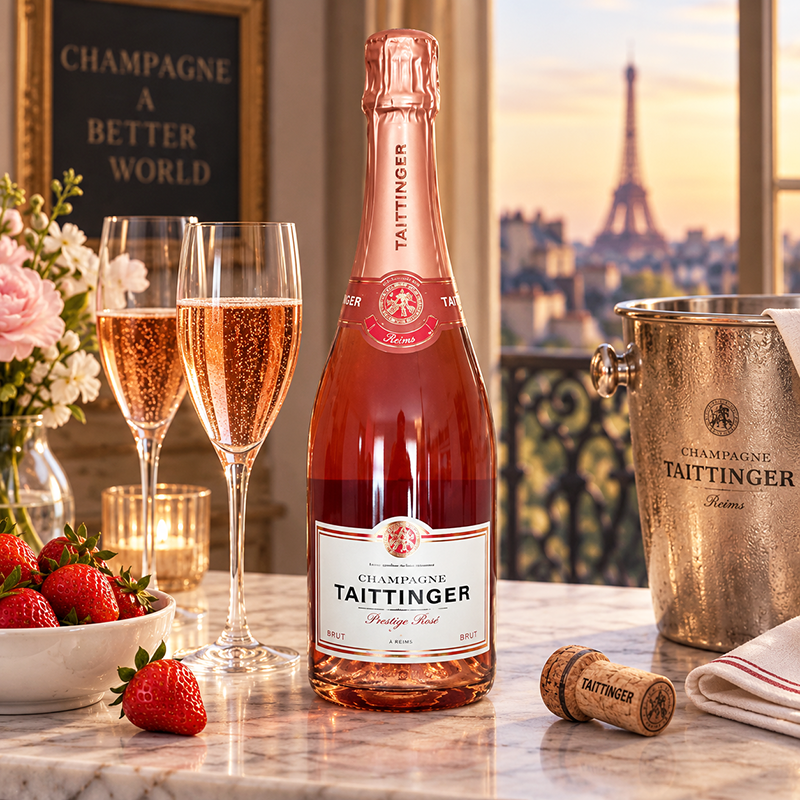
Few Champagne houses combine elegance, history, and consistency as successfully as Taittinger. Among the Grandes Marques, it has long stood apart for one defining reason: its unusually high proportion of Chardonnay, which gives virtually every wine in its portfolio a lighter, finer, and more graceful personality than many competitors. If Bollinger is muscular, Krug profound, and Pol Roger aristocratic, Taittinger is often described as the most elegant and refined of the major houses.

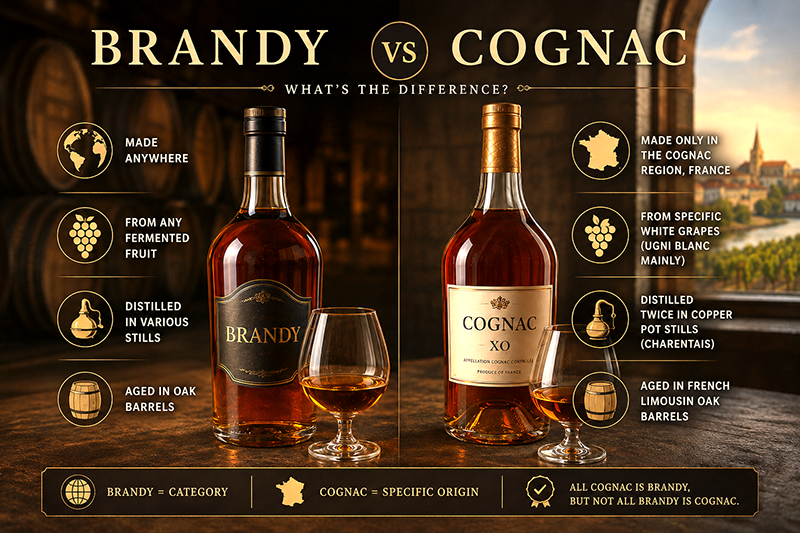 Brandy vs. Cognac