
How To Learn About Wine
OK, if you’re reading this I have to assume you enjoy wine, but don’t know much about it, and would like to become more knowledgeable. In that case, you are the very person that Winervana is intended for. So, how can you learn more about wine?
First, drink more wine! Now, this isn’t a call for overconsumption, but rather for broadening your wine horizons. If you gravitate towards Cabernet Sauvignon, try some Merlots. If you like Chardonnay, try Pinot Grigio. If you mostly drink wines from the U.S., sample some from Europe. At a more basic level, if you usually drinks reds, include some whites, or the other way around. And definitely dive into some Rosés! You get the idea.
 Rely on wine professionals. These can include salespersons at your local wine shop as well as sommeliers at high-end restaurants. Don’t be intimidated that these people know more about wine than you do. Of course they do, that’s their job. Their job is also to sell you something you might like rather than make you feel ignorant. (If any of these people does that, immediately take your business elsewhere.) Feel free to provide as much information as possible, like “I don’t like sweet wine.” “I only drink sweet wine.” “I prefer wines from Hungary.” (Hey, it could happen.) “I like the idea of organic wines, but can’t seem to find any.”
I myself am not a particular fan of Rieslings. Before I pretty much gave up on them, I told the seller at a local wine shop that I kept hearing about how versatile and food-friendly Rieslings were, and I really wanted to find one I could embrace. It would need to have only a little spiciness or floweriness. It would need to be bone dry. It would need to cost about 20 bucks. He suggested a wine from Sonoma, which I sort of enjoyed, but didn’t make me a convert. (Although this one just about did.) So, guidance from a pro won’t always ensure success, but it will certainly increase the odds in your favor.
And, never, never feel embarrassed about price. Any time you are dealing with a wine seller, don’t hesitate to tell them, “I don’t want to go above X dollars for this purchase.” Again, if the seller can’t respect that, go elsewhere.
Host a wine tasting party. Invite six to eight friends for the party. Each person should bring a bottle of wine made from the same variety, such as Syrah, and all the bottles should be roughly in the same price range, which you can specify in the invitation, like $20 to $25. (If you have a wealthy friend, it can be amusing to have that person bring a “ringer,” a bottle that costs four or five times what was called for in the invitation. This is a good way to reveal that price and quality are not necessarily in lock step.) When people arrive, you should wrap the bottles in individual brown paper sacks or in aluminum foil with just the neck exposed, write a number on each one with permanent marker, and pull the cork. Sit down at a comfortable location, give everyone a piece of paper, a pen, a wine glass, a glass of water, perhaps some bread sticks, and start tasting the wines one at a time. I suggest going with pours of no more than one or two ounces for the tasting session, much like you would get at a winery’s tasting room. Wine left over can be consumed as people socialize afterwards.
Follow the six esses: see the color of the wine, swirl it in your glass, smell it, sip a little, swish it around in your mouth, and then swallow or spit. (Spitting is how professionals can taste dozens of wines at a time and remain lucid. All well and good, but it is unlikely to happen at a home party, where the point is to have fun as well as learn about wine.) Write down your impressions. Taste through all the wines, then talk about them as a group and hear what people liked and didn’t like. Once you’ve tasted all the wines, take them out of their wrapping one at a time, and next to the notes you made about that wine, write down the vintage year, the winery, where it was made, and how much the bottle cost. If you hold on to these notes, they can be the foundation of your wine education, a growing ability to remember what style of wine you like, along with what wineries you think make good wine. With any luck, your guests will all host parties of their own. That would give everyone a chance to try 36 to 64 different wines!
Consider a wine club. Here are some examples:
https://www.goldmedalwineclub.com/
Nearly all of these clubs offer a first case at a loss-leader price, with the wines often costing about $10 per bottle. After that, they want to ship you a case of wine on a regular basis, usually quarterly. I have tried a number of these clubs., but, I am no longer active with any of them. I still recommend that you give a few a try, though. You will be exposed to wines and producers you never heard of, from all around the world. I think the best plan is to buy that first case, try the wines, and then cancel and move on to another club. If you do this, say, once every three months for a year, you will have tried 48 new wines and expanded your palate for the better. You will like some wines more than others, which is the whole point, and you might even get lucky and discover one you love.
Almost every winery has a club of their own, as well. These usually ship two or three bottles on a monthly or quarterly basis. But, I suggest you hold off on these until you have focused your tastes on what you really like. I myself have been a member of Cline, Clos Pegase, Keenan, and Truchard for years.
I was also a long-time member of V. Sattui, until the owner, Daryl, aka “Dario,” drove me away by his arrogant attitude. I won’t bore you with the details, but it was unfortunate because the wines are quite good and only available directly from the winery. However, I have no interest in supporting a producer who doesn’t care about his customers, or one who won’t respect your intelligence or your budget, and neither should you.
 There are plenty of wine courses, catering to every level. As a way to increase your wine knowledge, these can range from easy and nearly effortless, to a real commitment of both time and money. It all depends on what suits you. Here are just a few:
World of Wine: From Grape to Glass
Introduction to Wine and Winemaking from U. C. Davis
And, there are thousands of wine-related videos on YouTube.
Finally, there is self-education through reading. There is a wealth of resources both in print and online, such as right here at winervana.com. One of the books I rely on is The New Wine Lover’s Companion by Ron Herbst. Jon Bonné’s The New Wine Rules is great for demystification. Hugh Johnson and Jancis Robinson’s The World Atlas of Wine is just that, a comprehensive overview of wine places, terroir if you will. Kevin Zraly’s Windows on the World Complete Wine Course is highly regarded. And Robert Parker’s Wine Buyer’s Guide, although definitive, is like drinking from a fire hose. (Parker retired in 2019, so his seventh edition from 2008 is likely to be the last.)
There are magazine’s too, of course, such as Wine Spectator, Wine Enthusiast, Decanter, and Imbibe. But frankly, these can be overwhelming for the casual wine drinker, especially the first two. I read them occasionally, but don’t subscribe, and, predictably, find their numerical rating systems capricious and rather unhelpful.
Drink more wine!
Back to blog posts: winervana.com/blog/
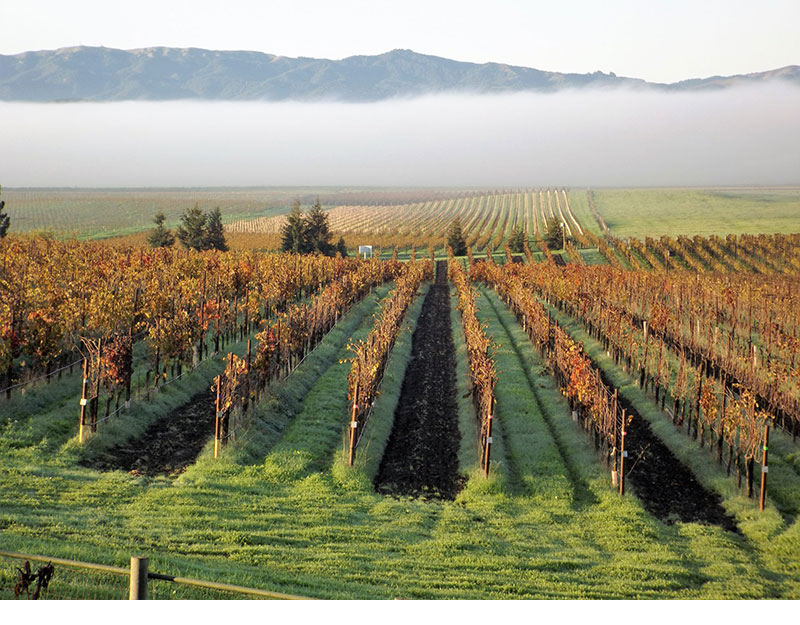 These days, wine drinkers are increasingly seeing the words sustainable, organic, and biodynamic on wine bottles and in wine producers promotional materials. Stewardship of the land and the lack of chemicals sound appealing, and who doesn’t like something that is dynamic? But what, really, do these terms mean? In fact, they are not just amorphous “feel good” terms, but do have specific definitions as well as institutional certifications to go along with them.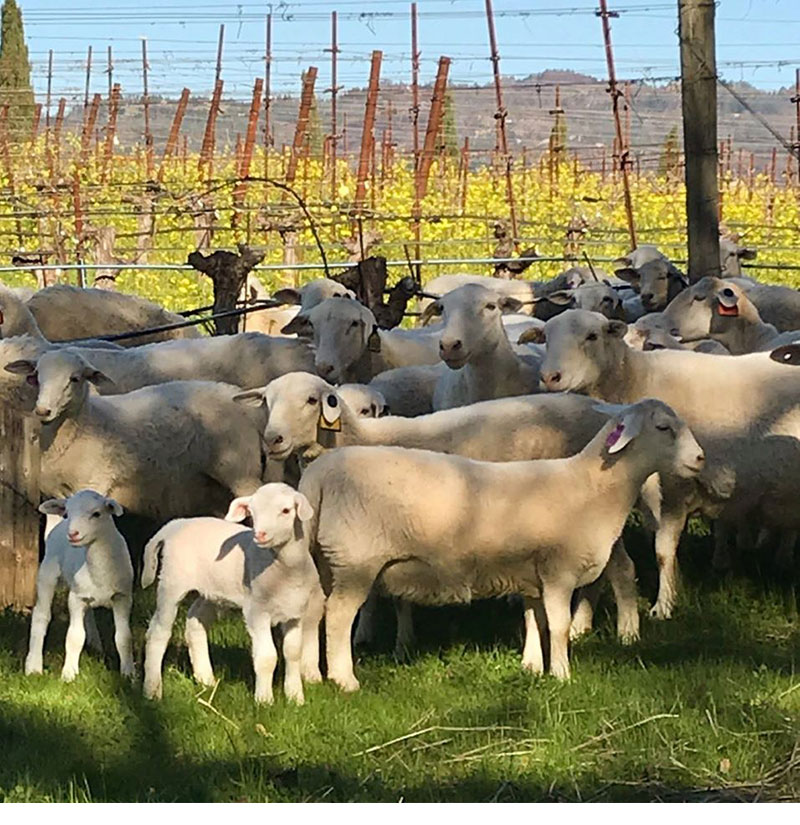
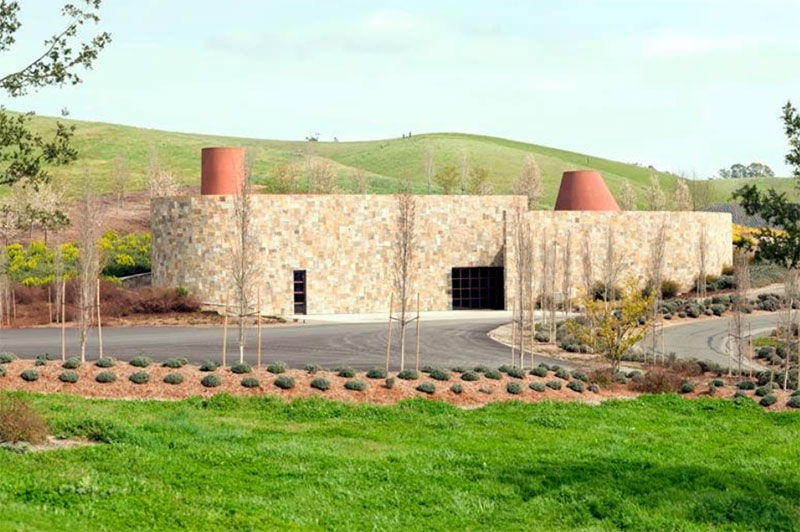
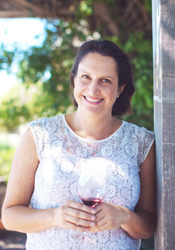 Raised in Mexico, Ana’s first exposure to wine came early in life when she spent her holidays in France’s Loire Valley harvesting grapes. “When my father asked me to join him in establishing Keller Estate, I was overjoyed,” she related. “We have accomplished much of what we initially set out to do, and it’s up to me to continue to make sure our quality never fluctuates.”
 Born in Goettingen, Germany, Julien Teichman joined Keller Estate in 2018. His passion for fermentation began with an internship at a brewery. He next spent some time in Florence, Italy where he had his first contact with winemaking and vineyards. Julien then earned a degree in winemaking from the
  The Keller Estate La Cruz Vineyard features an intricate stone cross sculpture that boldly stands over the vines, and was named to represent the family’s Mexican heritage.
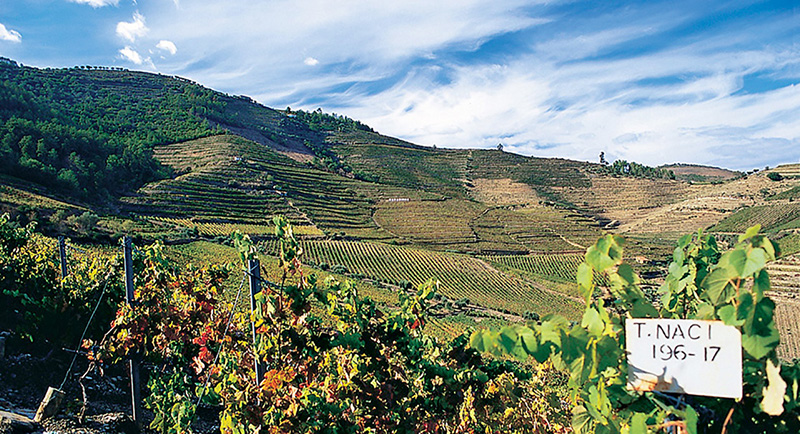
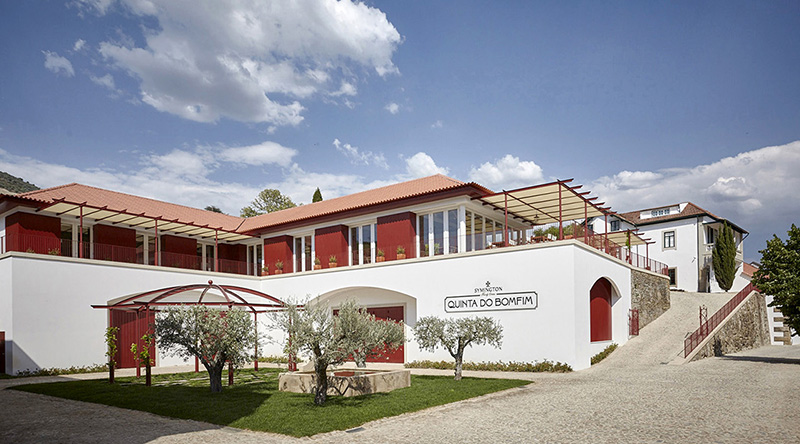
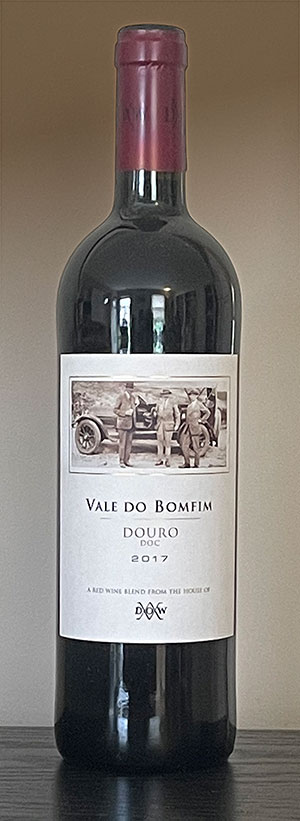 Vale do Bomfim Red Blend 2017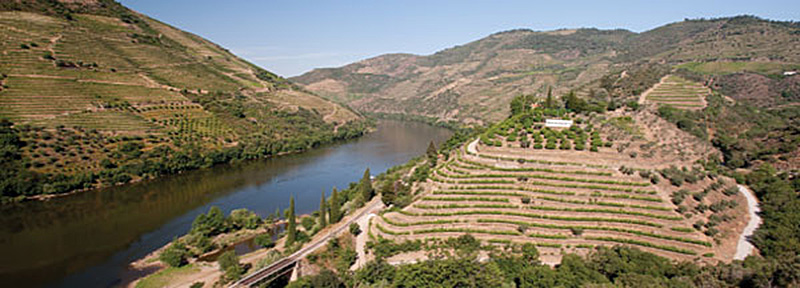
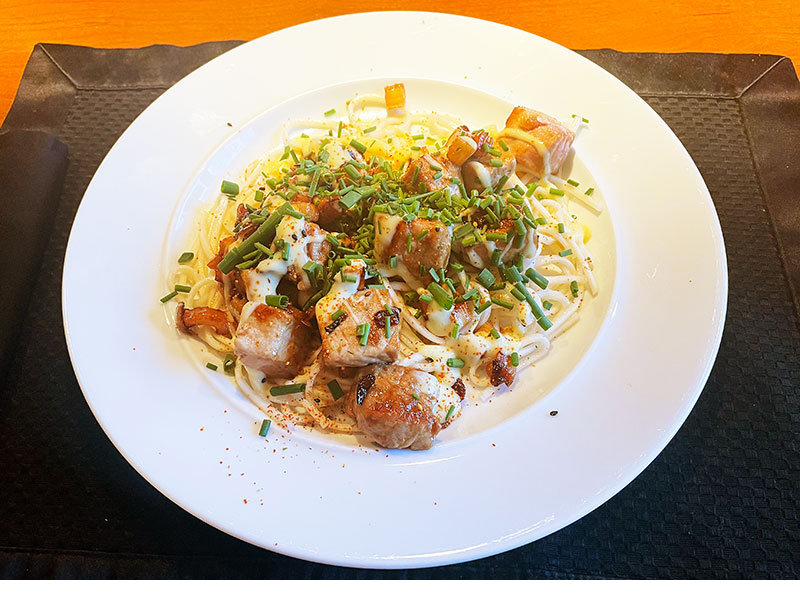
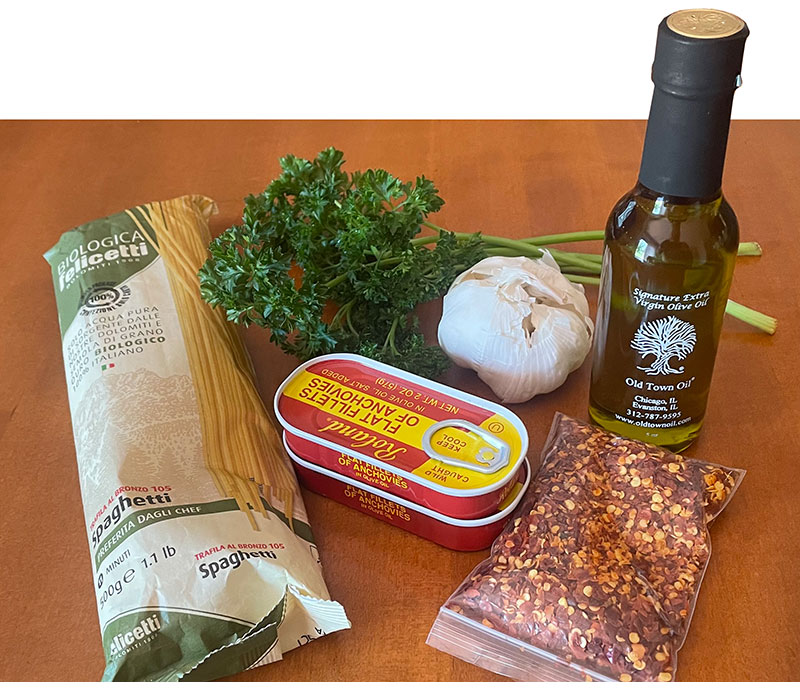 Spaghetti Aglio e Olio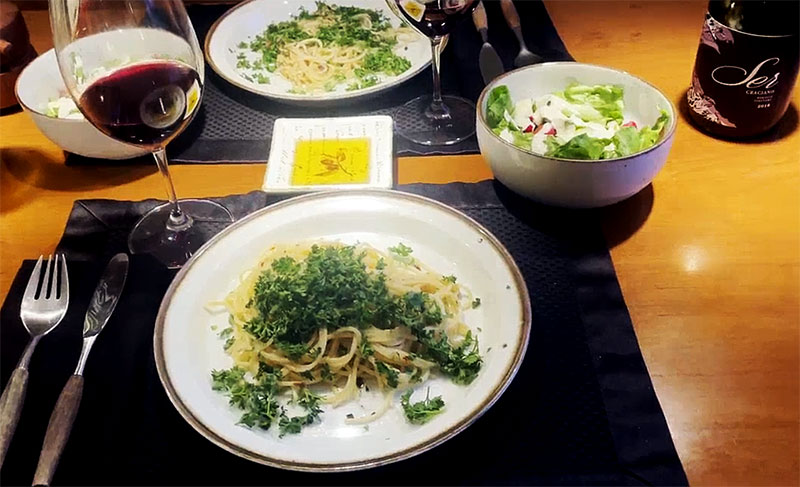
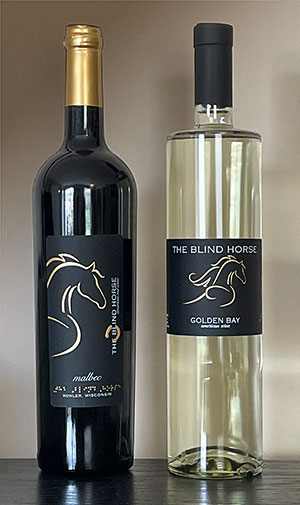

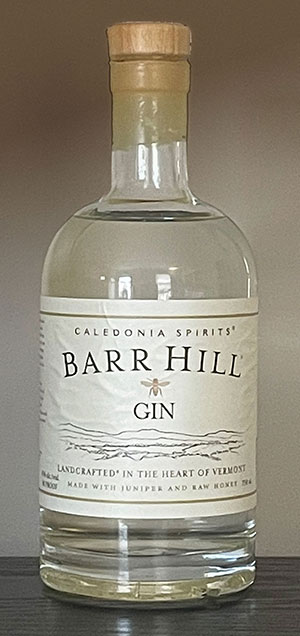 Barr Hill Gin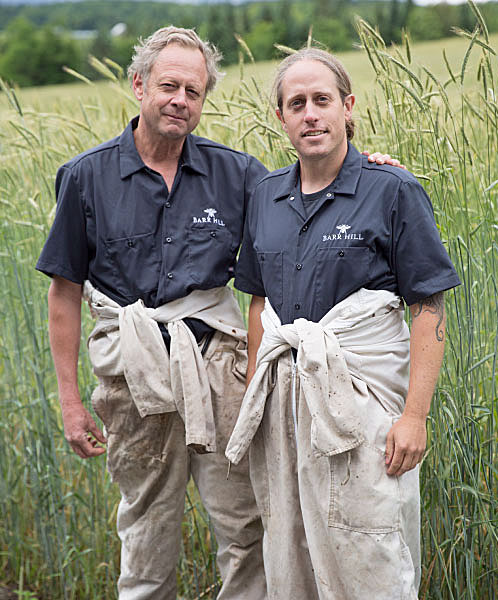
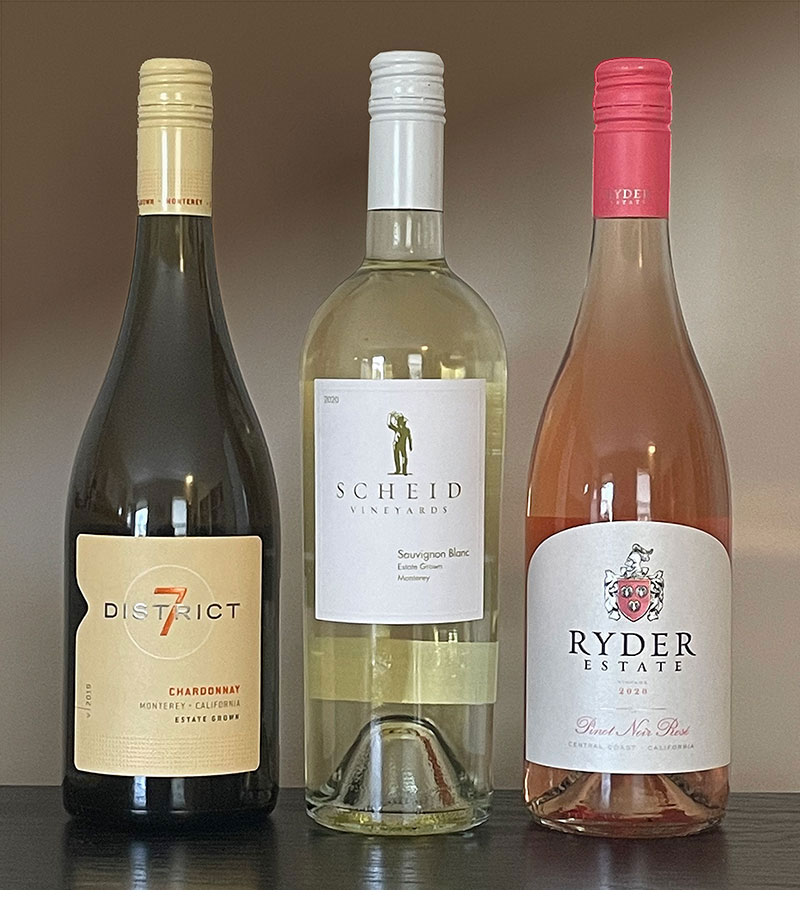
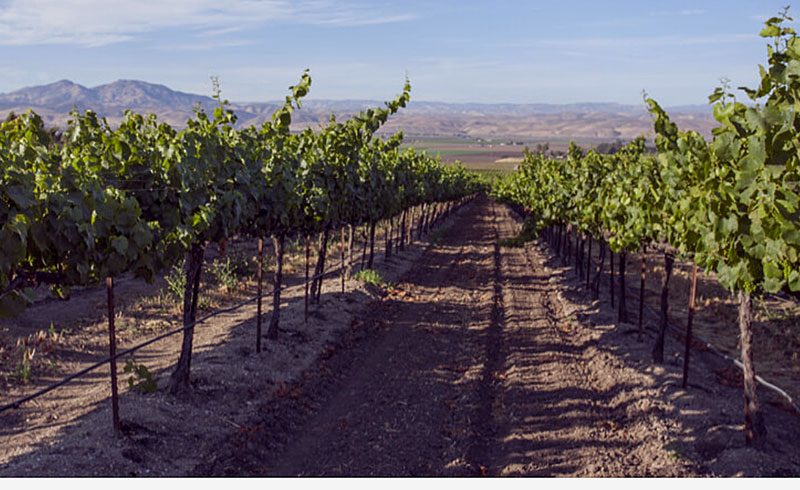
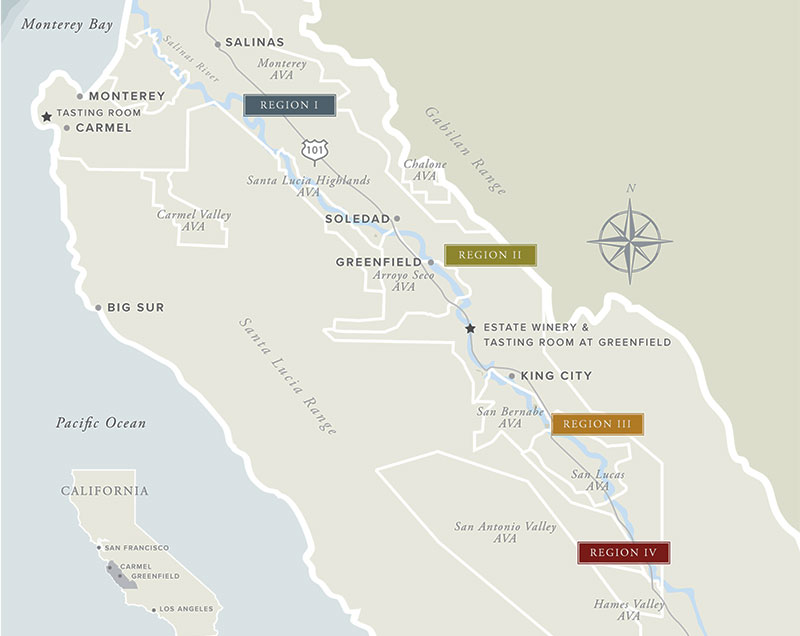 Nestled between the Gabilan mountain range to the east and the Santa Lucia Mountains to the west, the Salinas Valley enjoys a cool coastal climate due to the influence of Monterey Bay. Here, grapes can ripen more slowly and evenly, resulting in a growing season which can be up to two months longer than other wine growing regions in California. Scheid currently farms about 4,000 acres spread over 12 estate vineyards located along a 70-mile stretch of the Salinas Valley.
 Looming over the Scheid estate vineyard is a wind turbine, installed in July 2017. It generates 4.65 million kilowatt-hours of clean energy every year, enough to provide 100% of the power needed to run the winery and bottling operations, plus power for an additional 125 local homes. Just this one turbine offsets over 3,600 metric tons of CO2 emissions annually.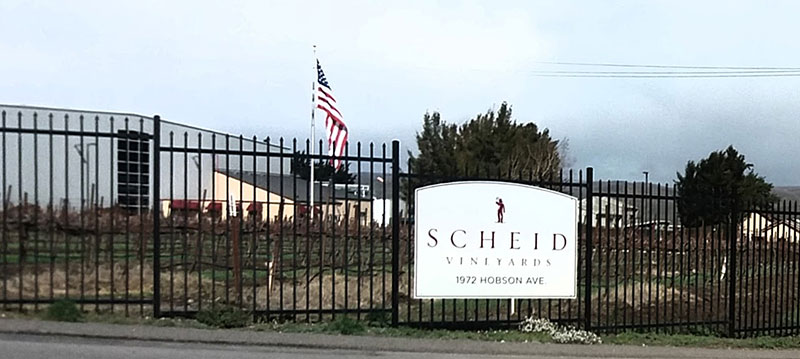
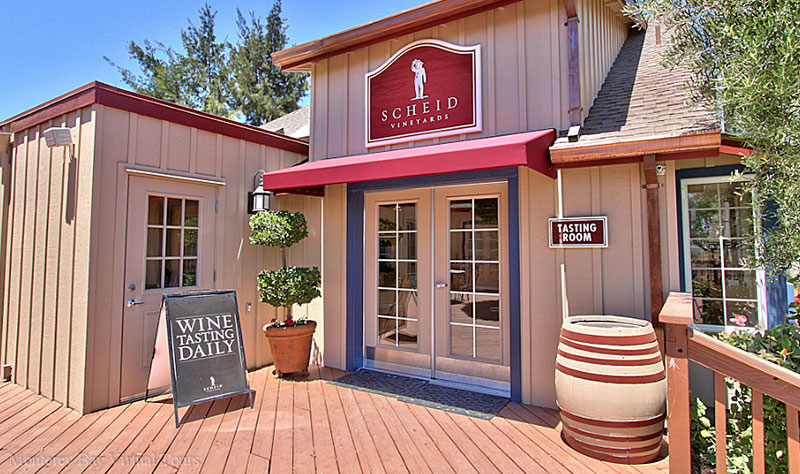
 The name refers to Scheid’s official regional designation within California. The fruit was sourced from their cooler estate vineyards in Monterey. The juice was fermented for 14 months in 75% stainless steel and 25% new French oak.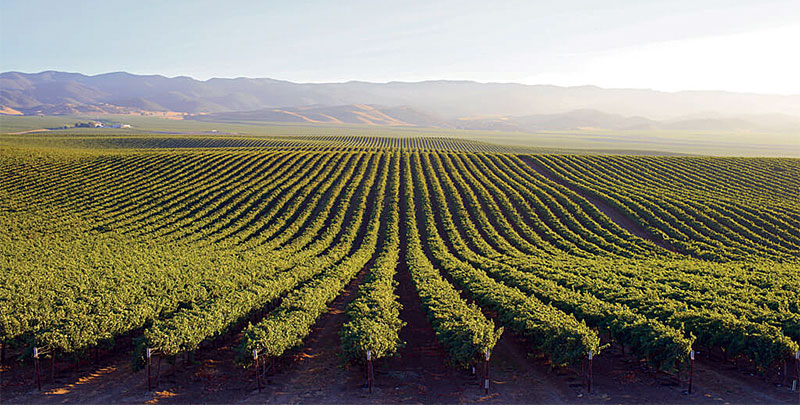
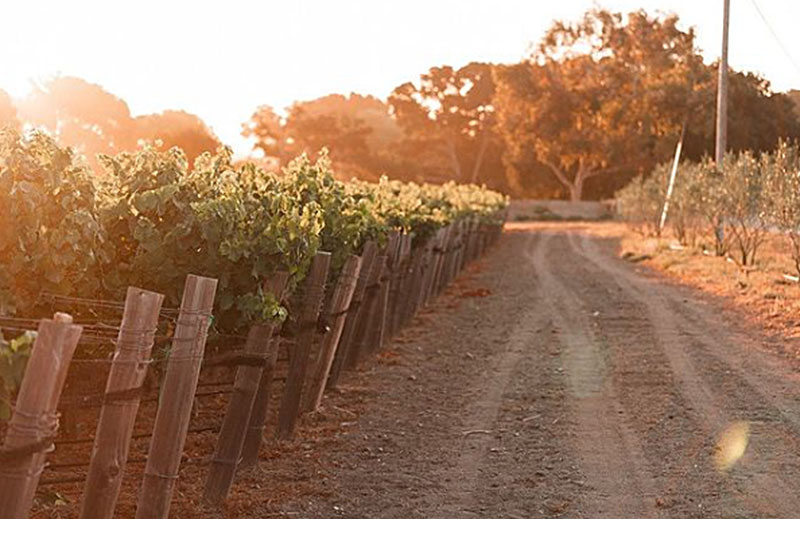
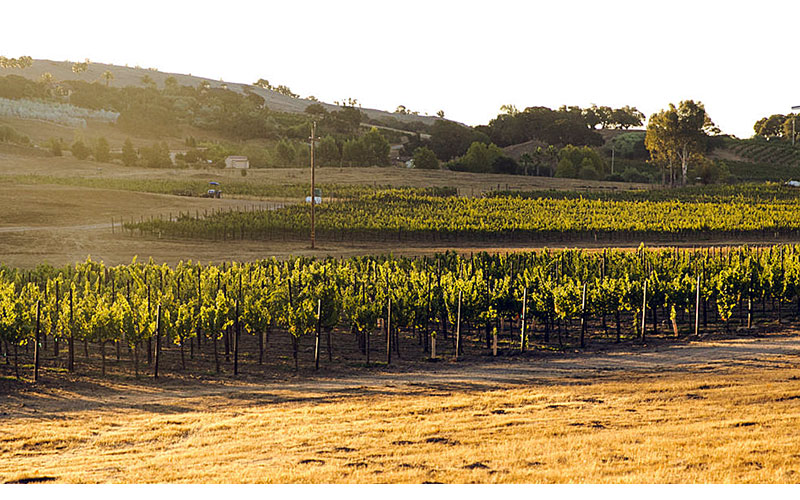
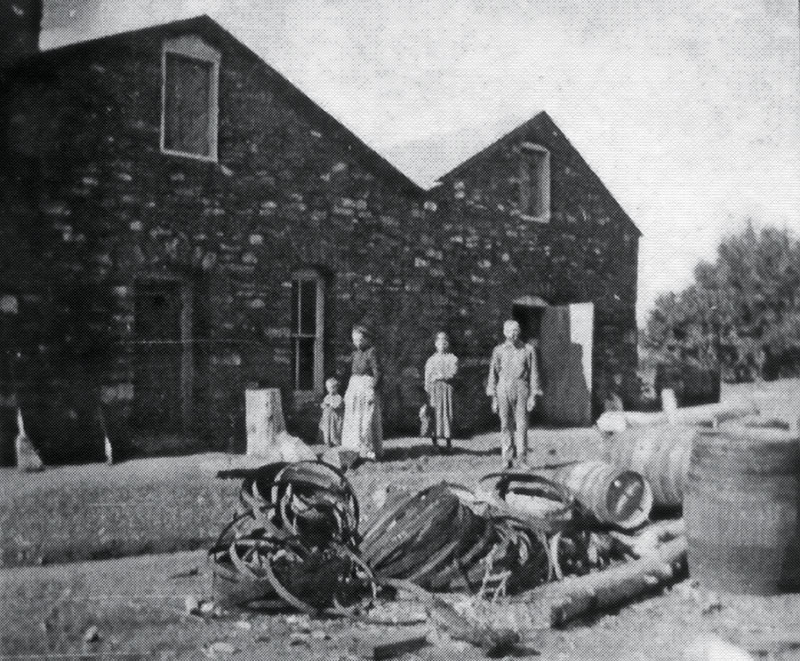
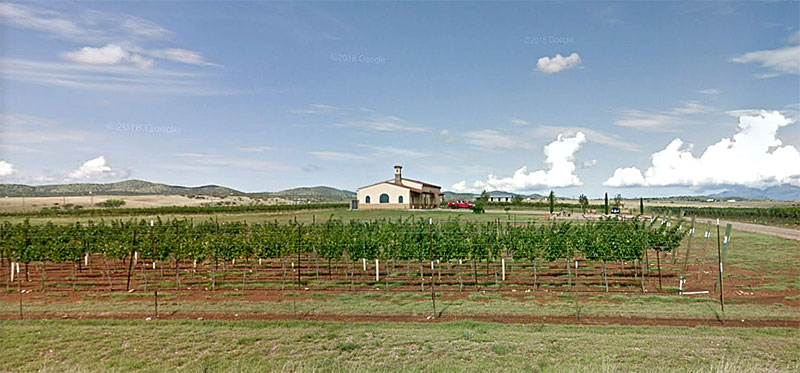
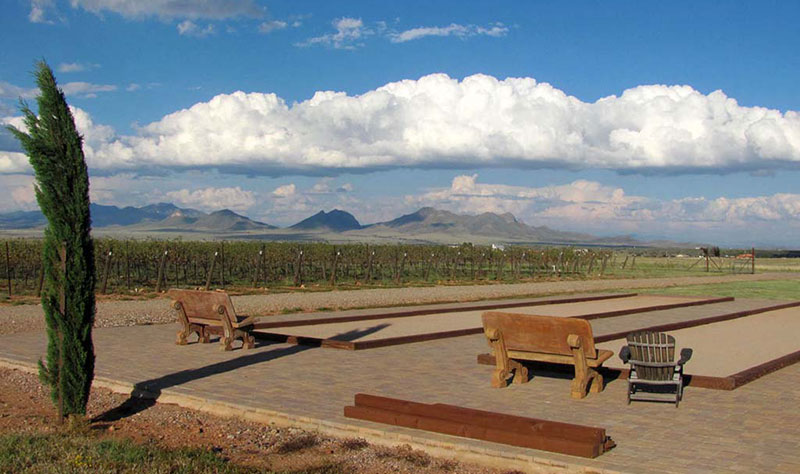
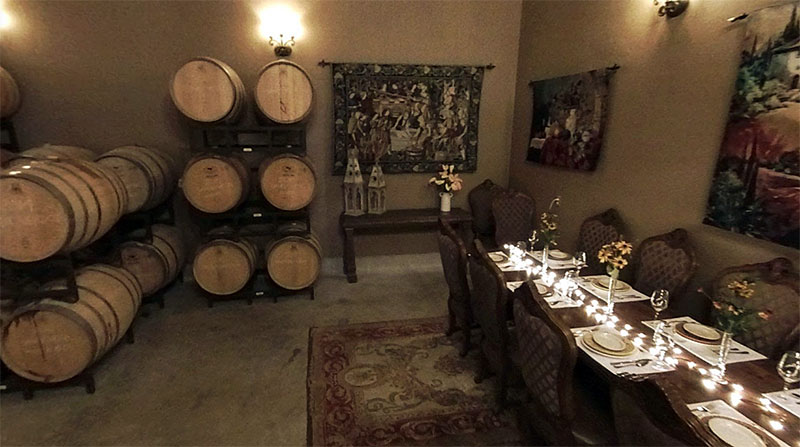

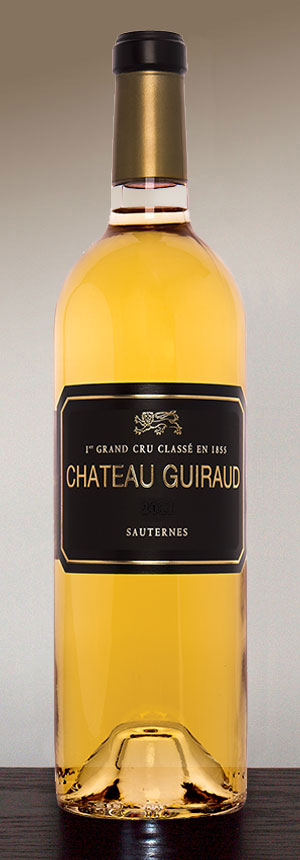

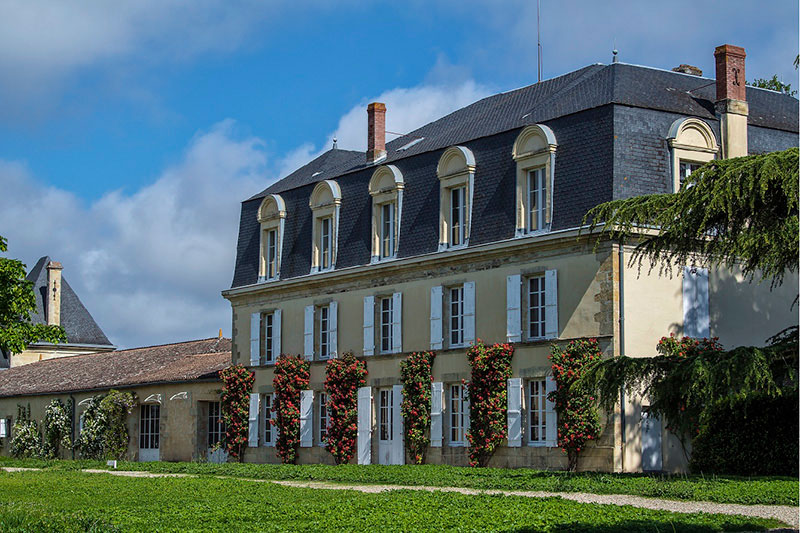
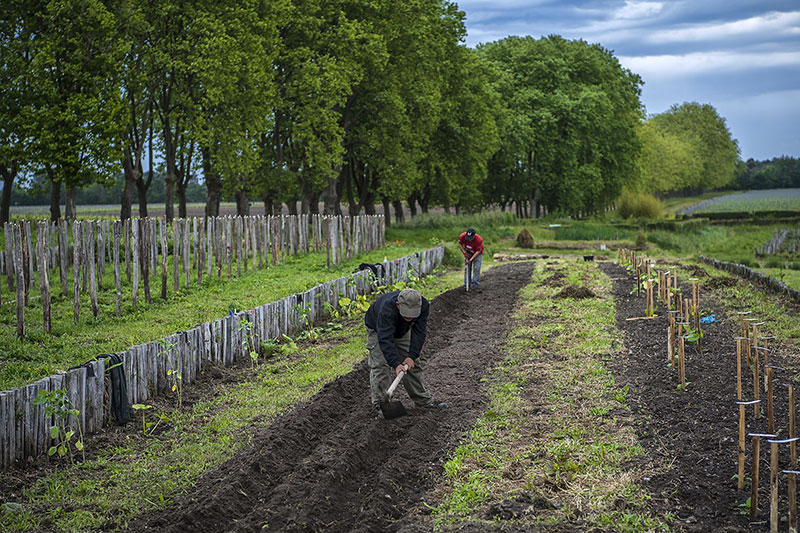 The Château Guiraud estate vineyard is 210 acres [85 hectares] planted to 65% Semillon and 35% Sauvignon Blanc. These two varietals are vinified separately before blending. The soil is a mix of sand, gravel, clay, and limestone on sloping hillsides which rise to 240 feet [73 meters] at their peak. At the bottom of the slopes the presence of natural springs ensures perfect drainage of the vineyard. The vines average age is 25 to 30 years.