
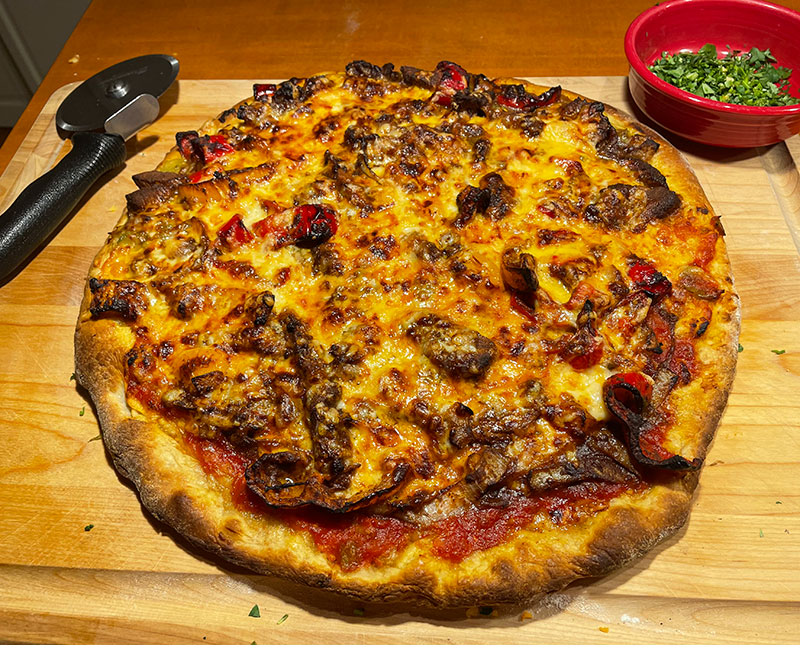
Fajita Pizza
Many people like fajitas. Many people like pizza. So, how about … a Fajita Pizza! Ole! Grazia!
Start marinade (see below) as early in the day as you like.
THE DOUGH
Start dough at 4p for dinner between 8p and 9p
1 cup warm water
2 tsp instant-rise yeast
3-1/4 cup bread flour
1 tsp salt
1/4 cup olive oil (extra virgin not necessary)
Combine ingredients and knead by hand for 10 minutes or machine
for 2 to 5 minutes. Coat dough ball in a thin film of olive oil, cover in plastic wrap and let rise in warm place.
THE PIZZA
About an hour before dinner time, turn the oven up as high as it will go.
Twenty to thirty minutes before dinner, roll dough out to 15” circle. [Or divide dough if you want to make two smaller pizzas.] Place on pizza screen if available, being careful not to press the dough into the mesh. Cover with plastic wrap.
2 Tbs chili powder
2 Tbs ground cumin
1 Tbs ground coriander
1 tsp crumbled dried oregano
Salt to taste
Freshly ground black pepper to taste
Ground cayenne to taste
1 pound beef skirt or flank steak, or chicken (thighs are best), cut into slices about 3 in. long and 1/4 in. thick. (I actually used duck, but My Lovely Wife wasn’t amused by the extravagance. And honestly, the nuance of the duck was lost in this pie.)
2 medium bell peppers. Any color will do, but I like red
1 medium onion, cut into thick slices
1/4 cup olive oil
1/4 cup freshly squeezed lime juice
1/4 cup water
3 cups freshly shredded cheese: cheddar, Monterey Jack, mozzarella, fontina, whatever you like
1/4 cup fresh chopped cilantro
1-1/2 cups chunky salsa, store bought is fine. I like Pace.
In a large zip-lock bag, combine all of the ingredients except the cheese, cilantro and salsa. Marinade for as long as you like.
While the dough is undergoing its final rise, place a large skillet over medium-high heat. Add 2 tablespoons of olive oil. When the oil is shimmering, pour the entire contents of the zip-lock bag into the skillet. Cook until the meat is done, the vegetables have softened, and the liquid has evaporated. Remove plastic wrap from dough and brush liberally with olive oil. Spread salsa evenly over dough. Spread contents of skillet evenly over salsa. Evenly spread the cheese over the pizza.
Bake in rippin’ hot oven until crust nicely browns, about 10
minutes. Remove pizza to a cutting board, sprinkle with cilantro, slice, and serve.
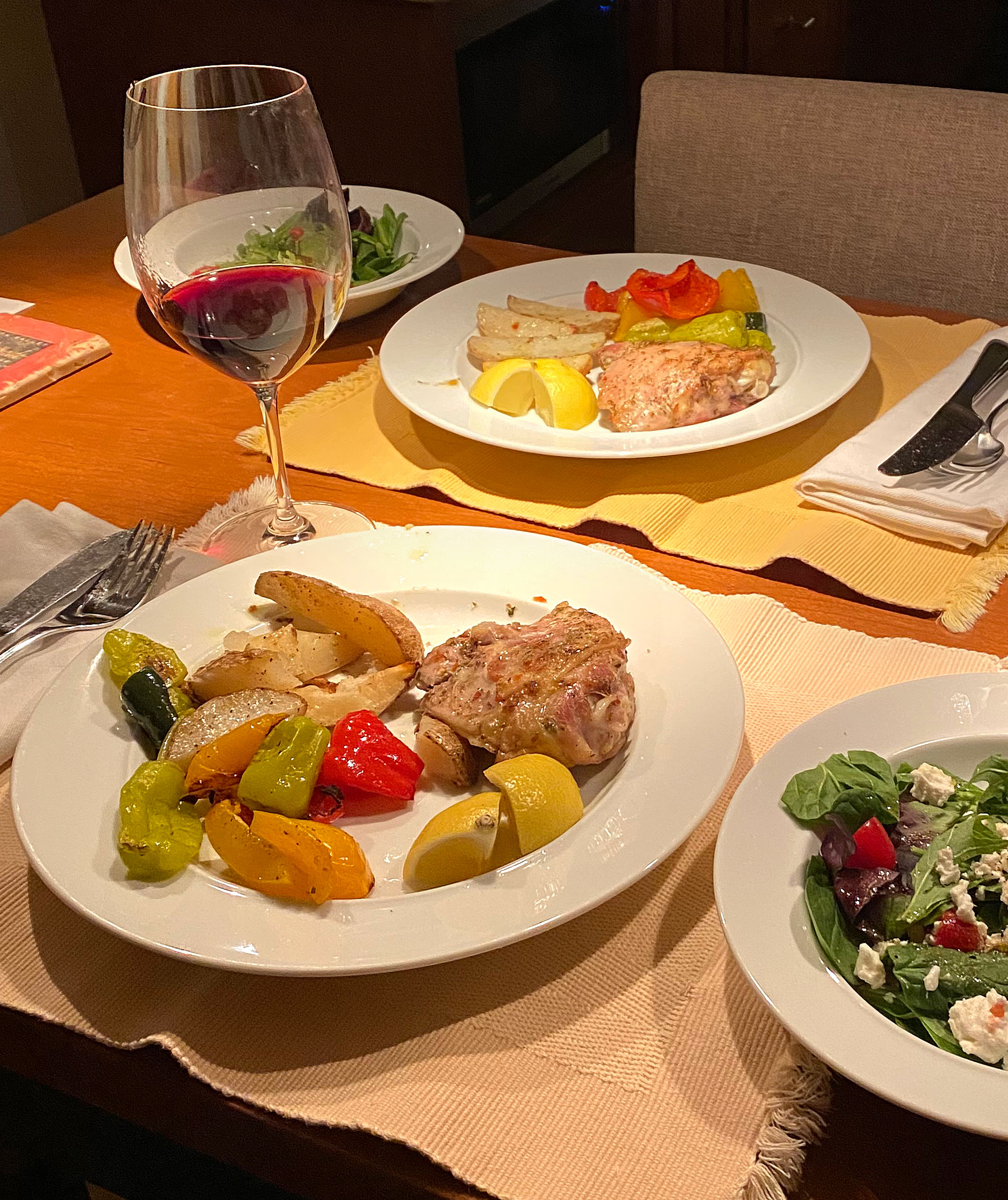
This would go nicely with a robust Italian or Spanish red wine or a good Mexican beer.
Serves 4 to 6.
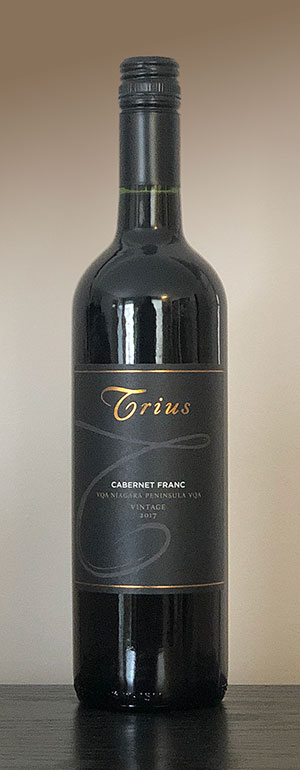
Here are some wines to try with this pizza:
Two Unusual Wines from Italy, and One of My Original Pizza Recipes
 This recipe was derived from James McNair’s excellent New Pizza. Don’t be discouraged by the one-star reviews on Amazon, they are bogus, imho. One dweeb complained that McNair didn’t cover such arcane techniques as cold fermentation. Geez. If you want a cold ferment, use room temperature water and let the dough rise in the refrigerator for 24 hours. But, you’re not going to have pizza tonight, and you won’t taste the subtleties a cold ferment brings to dough under all those toppings
Back to blog posts: winervana.com/blog/
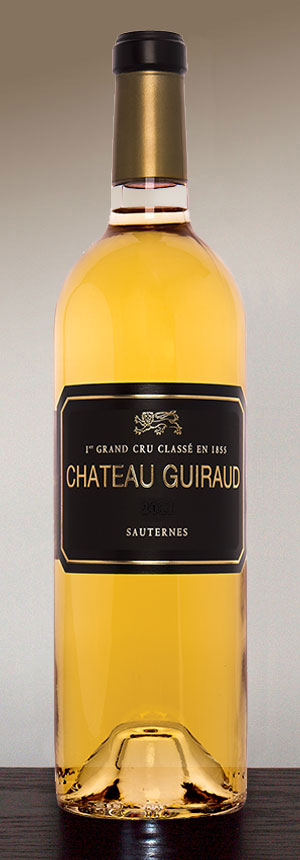

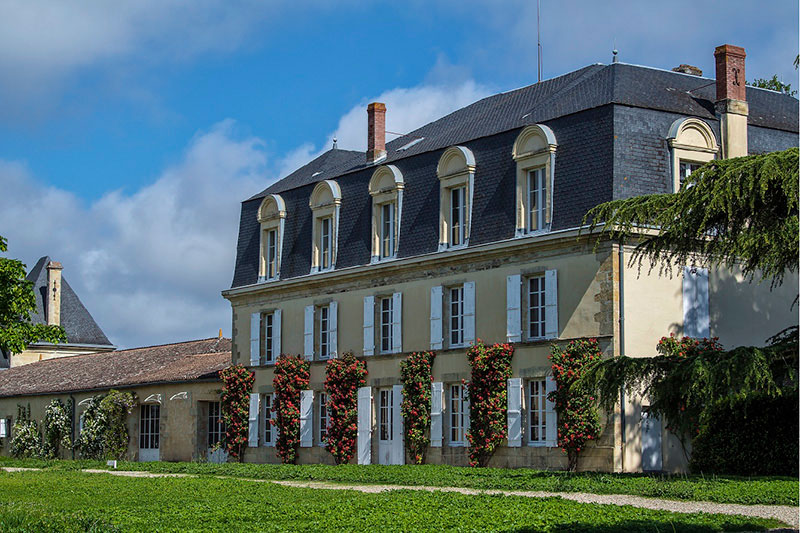
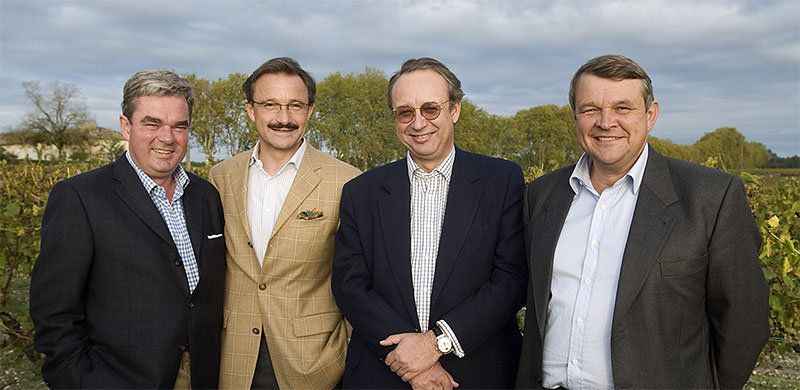
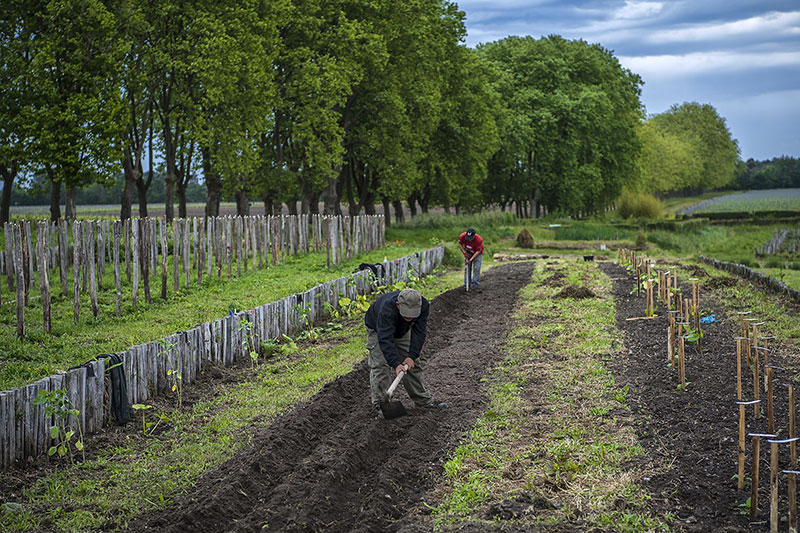 The Château Guiraud estate vineyard is 210 acres [85 hectares] planted to 65% Semillon and 35% Sauvignon Blanc. These two varietals are vinified separately before blending. The soil is a mix of sand, gravel, clay, and limestone on sloping hillsides which rise to 240 feet [73 meters] at their peak. At the bottom of the slopes the presence of natural springs ensures perfect drainage of the vineyard. The vines average age is 25 to 30 years.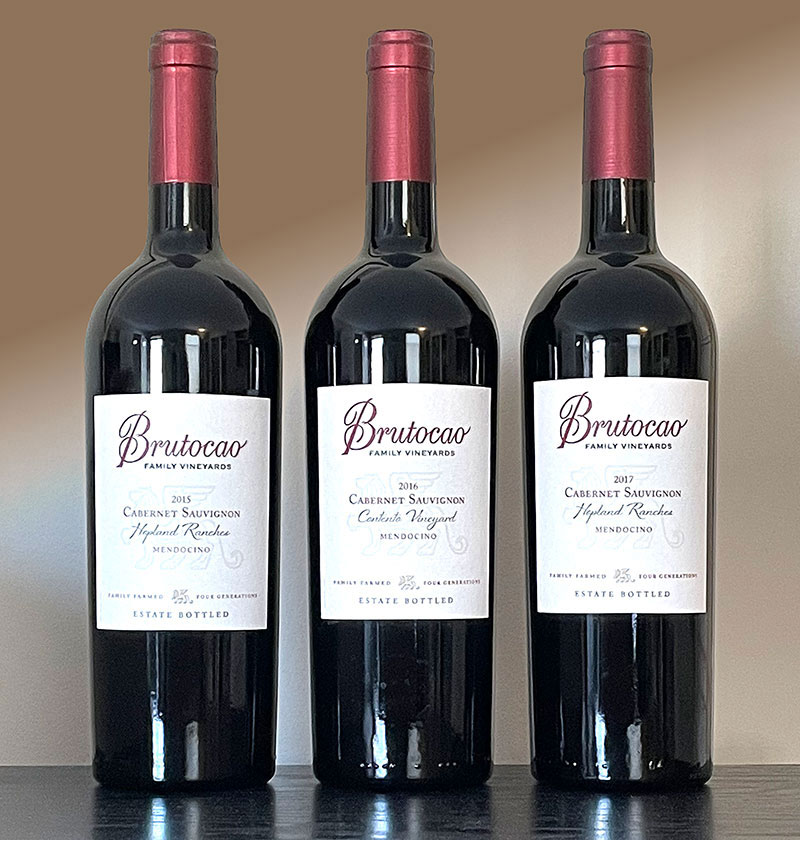
 Back to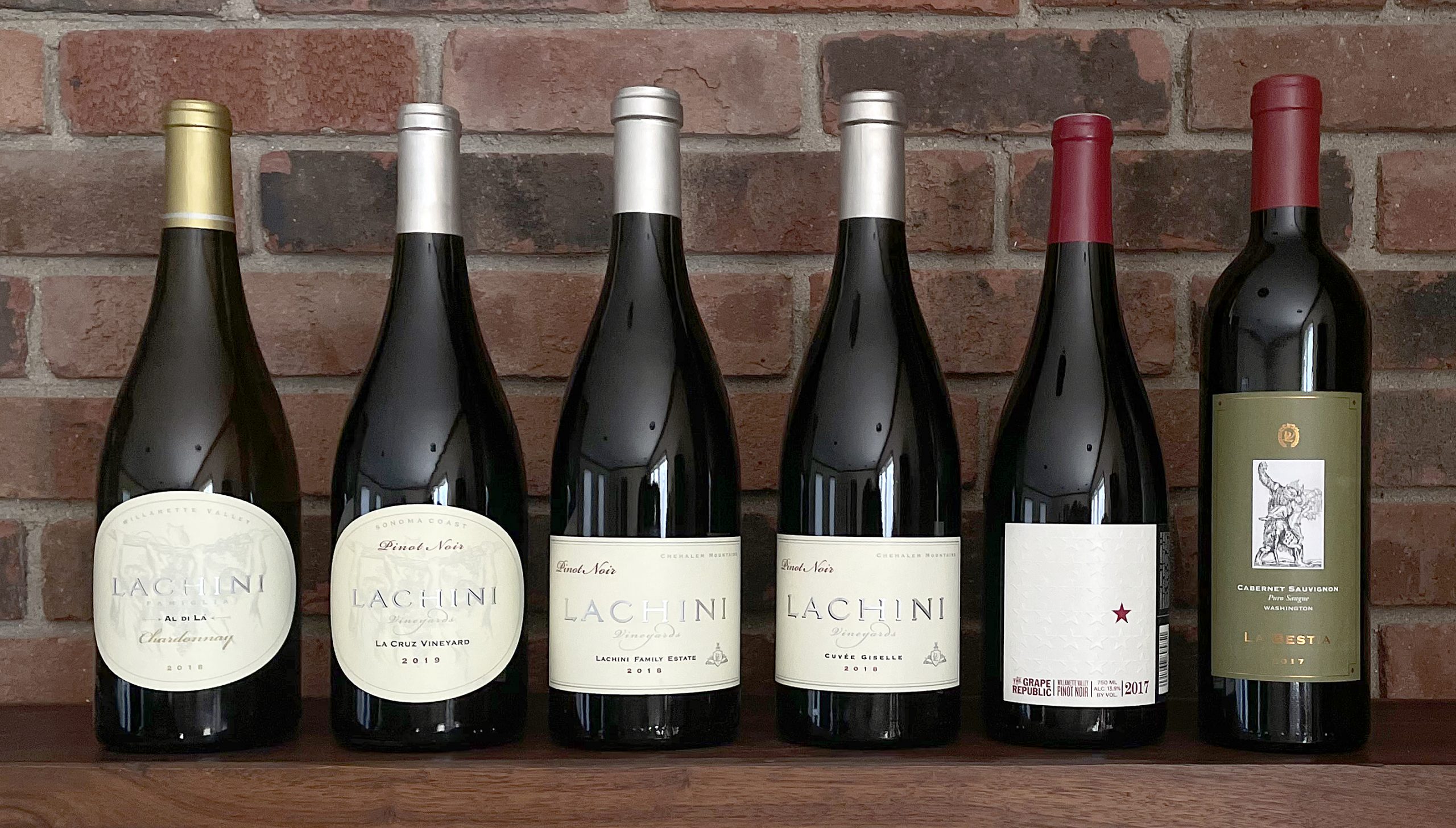
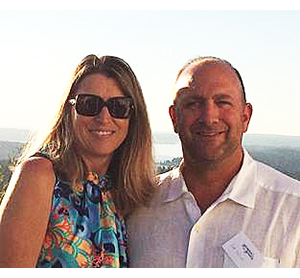 both attended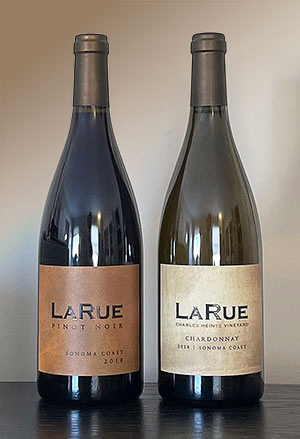
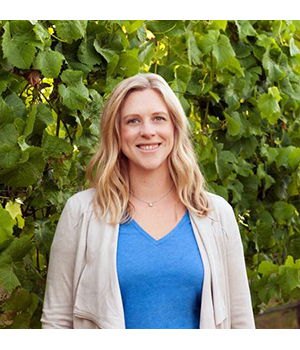 learned to drive a tractor before she could drive a car. Following high school, she pursued her higher education in the Agricultural Business program at
 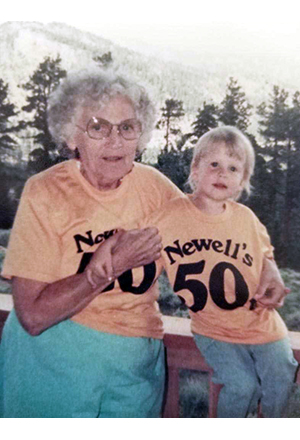 Wilson launched her own winery, LaRue Wines, as well. It is named in honor of her great-grandmother, Veona LaRue Newell, who Wilson has described as inspirational and unique; others have used the adjectives bold, independent, and feisty. Regardless, there was a strong bond between the two. The winery is very much a boutique operation, focusing on small lots of Pinot Noir and Chardonnay, with total production limited to just 500 cases. Drawing on the cool conditions and remote coastal vineyards of the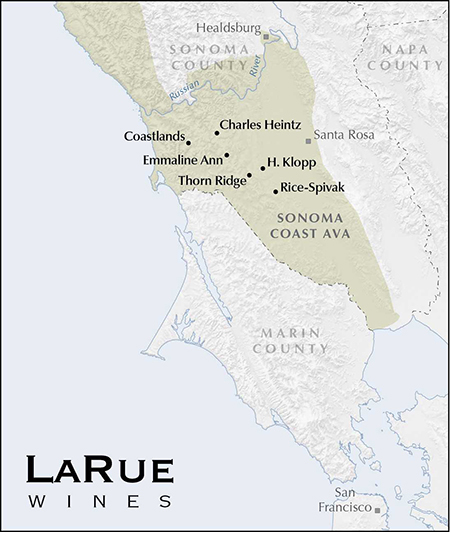
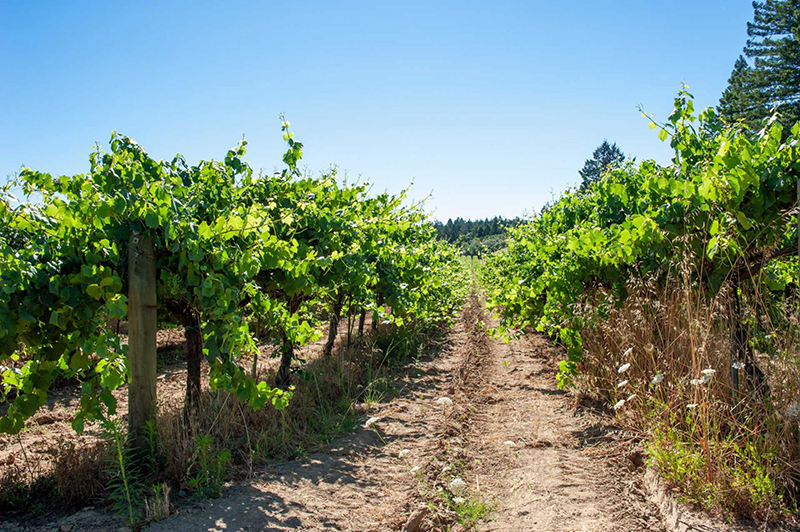
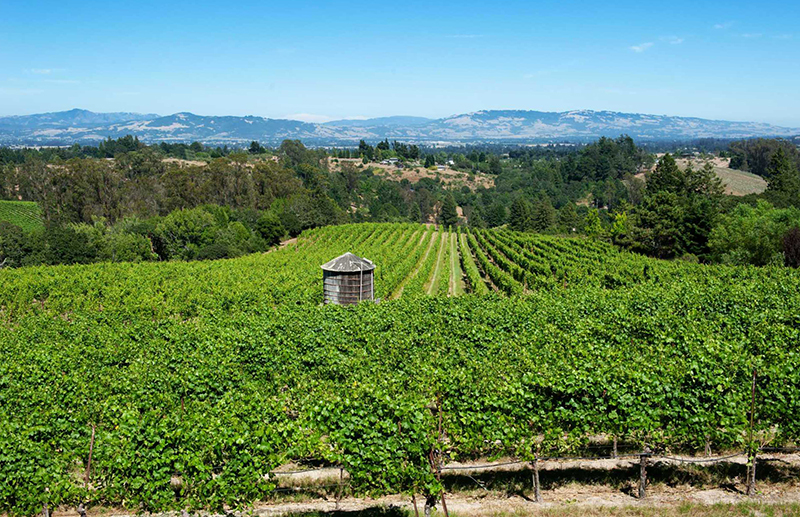
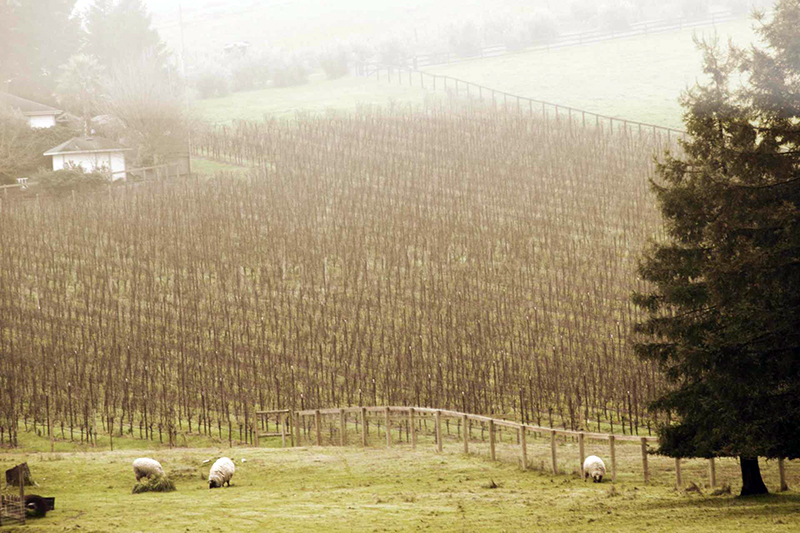
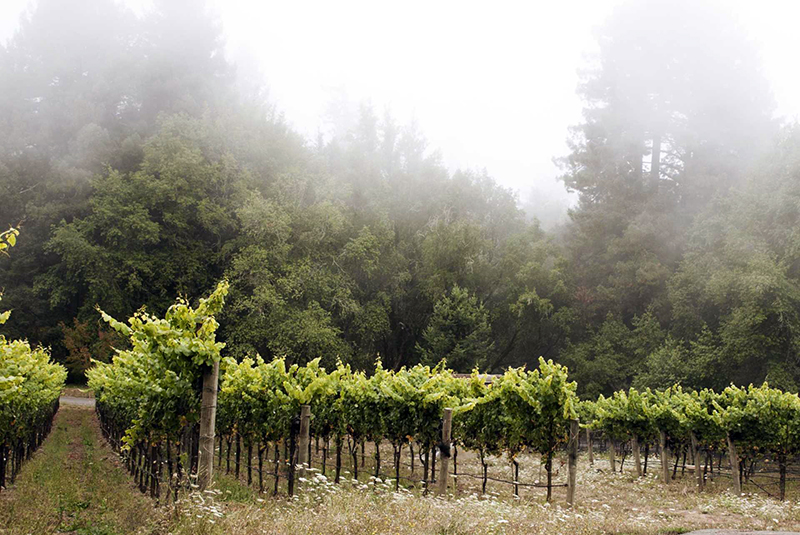 Emmaline Ann is a three-acre vineyard planted in 2001 by owners Wayne and Nancy Hunnicutt, and is named after Nancy’s grandmother. Like the Spivaks, Wilson first met the Hunnicutts in 2007 during her time at Flowers Winery. All of LaRue’s tastings are staged here, as well as the annual LaRue Wines Summer BBQ. This small vineyard faces southwest toward the Pacific Ocean and is frequently enveloped in fog.
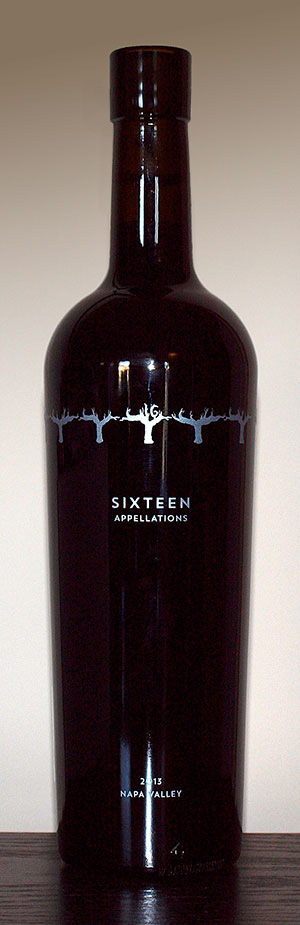
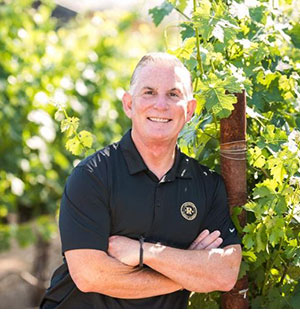 was Steve Reynolds, who Martin met by chance at a wine dinner in McAllen, Texas. Martin was particularly interested in one of Reynold’s many ongoing projects, Thirteen Appellations, which began in 2002 when 100 cases were made. The idea behind the label was to create a wine with fruit from all of Napa’s then extant sub-appellations. The thinking was that, “each wine taken individually has its own unique colors, aromas, and flavors, and blending them results in an arguably richer, perhaps more complex wine.” The wines from each sub-appellation are fermented and aged separately – all coming together when the final blend is made. Ultimately Martin acquired Thirteen Appellations, a brand that evolved into Sixteen Appellations. As additional sub-appellations were approved in Napa, further vintages were called Fourteen and then Fifteen Appellations. With the Coombsville sub-appellation finally being added in 2011, the wine is now Sixteen Appellations
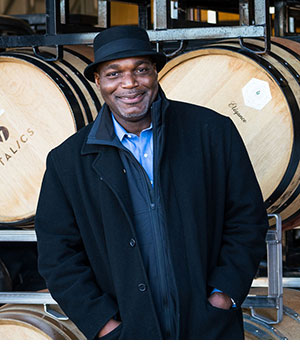 became Italics’ winemaker. He was born in Sierra Leone, West Africa, and originally studied to become a doctor, enrolling in UC Davis’ Pre-Med program at just 15 years old. However, he soon realized that he tended to get woozy at the sight of blood, a definite problem for a doctor. Abandoning that career path, he transferred to the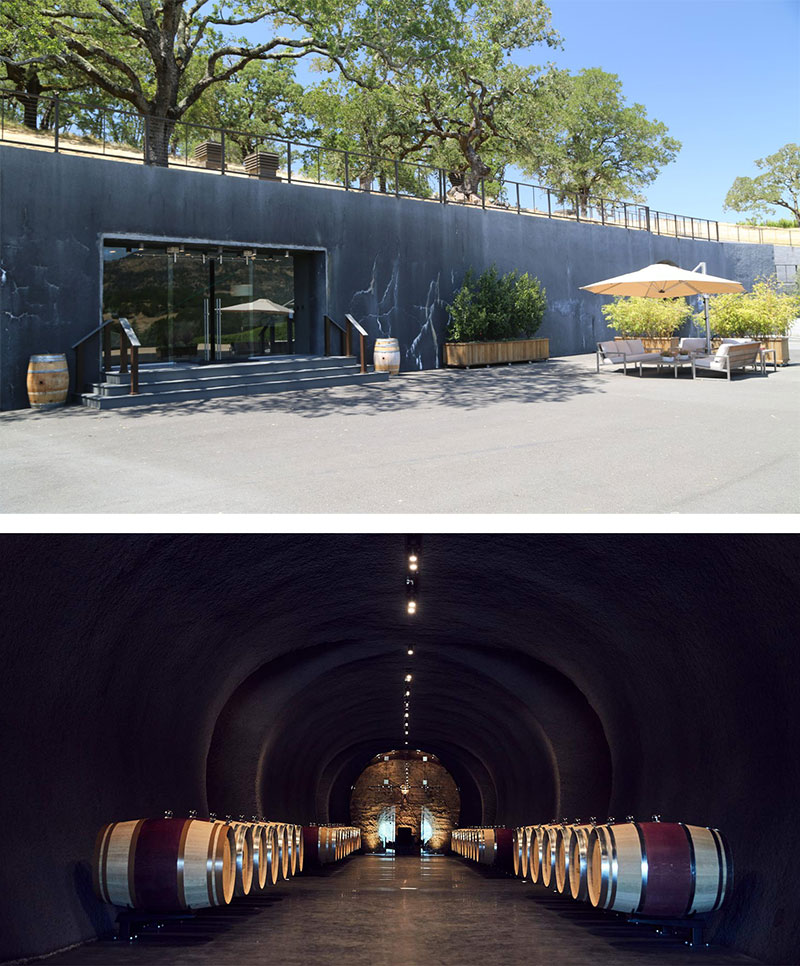
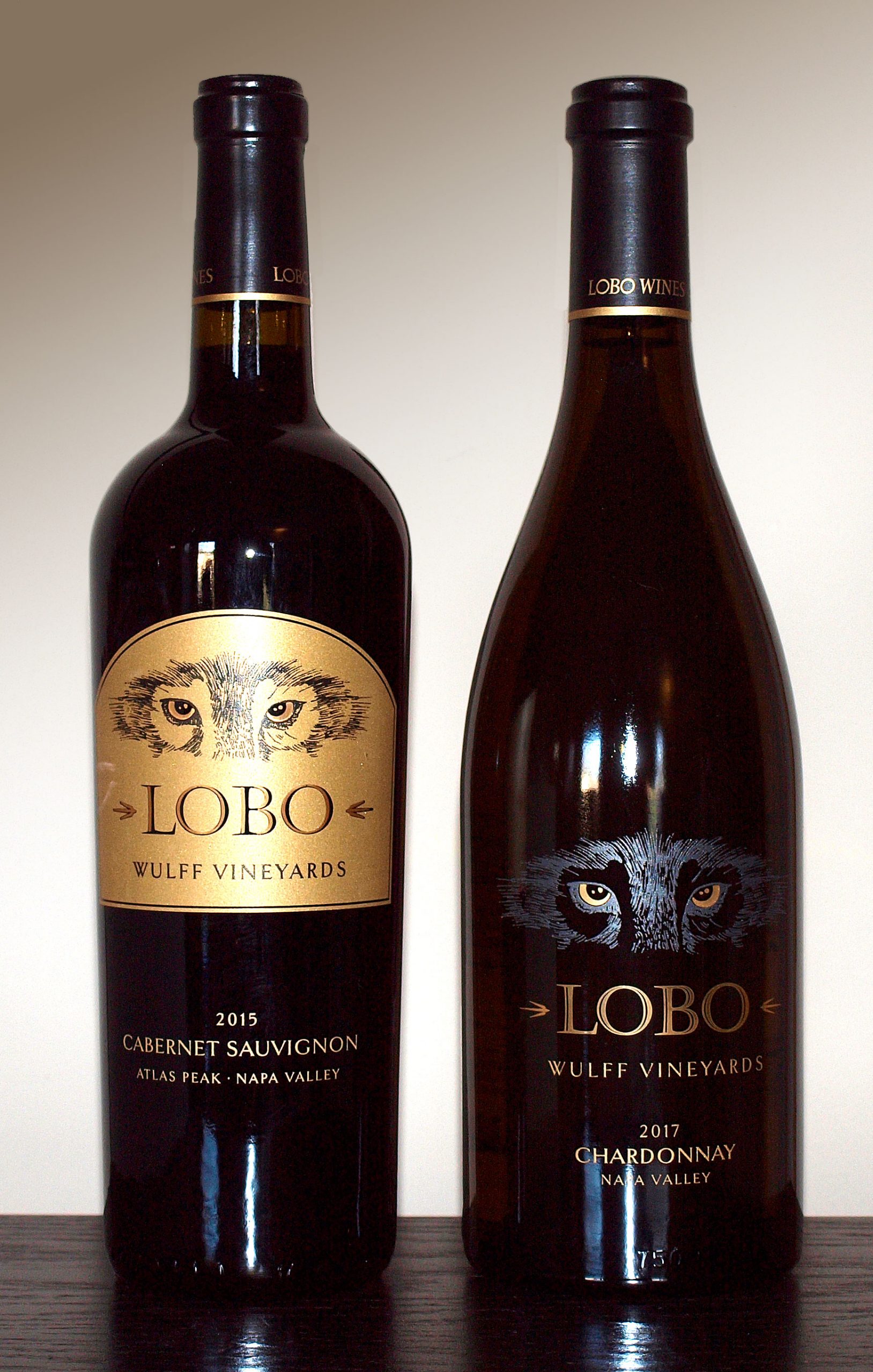
 and I had always dreamed of being in the wine business,” Wulff reminisced.

 There he purchased the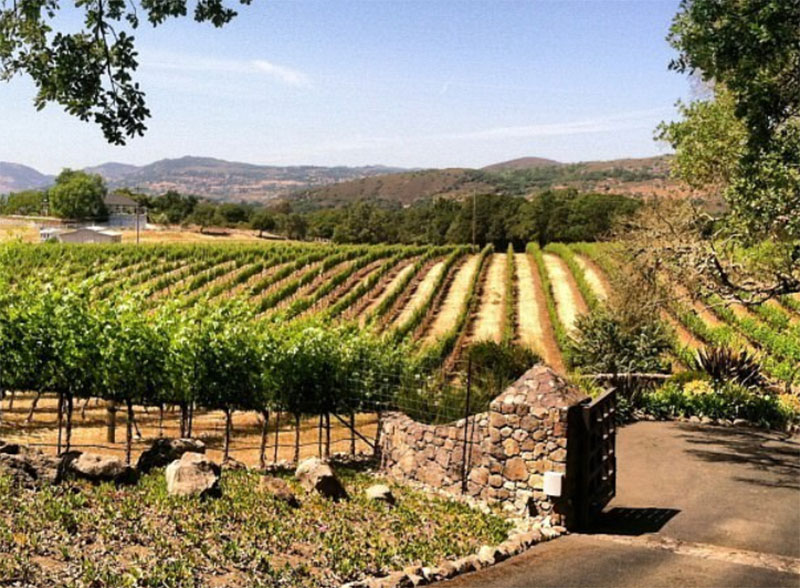

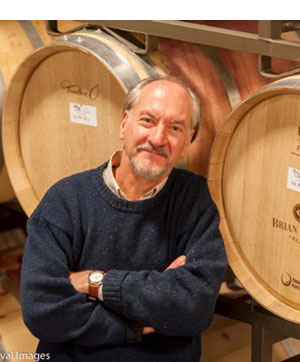 of wine [at a young age], not because my parents were wine drinkers, but because I was given a microscope when I was 12 years old. I heard