Heitz Martha’s Vineyard Cabernet Sauvignon

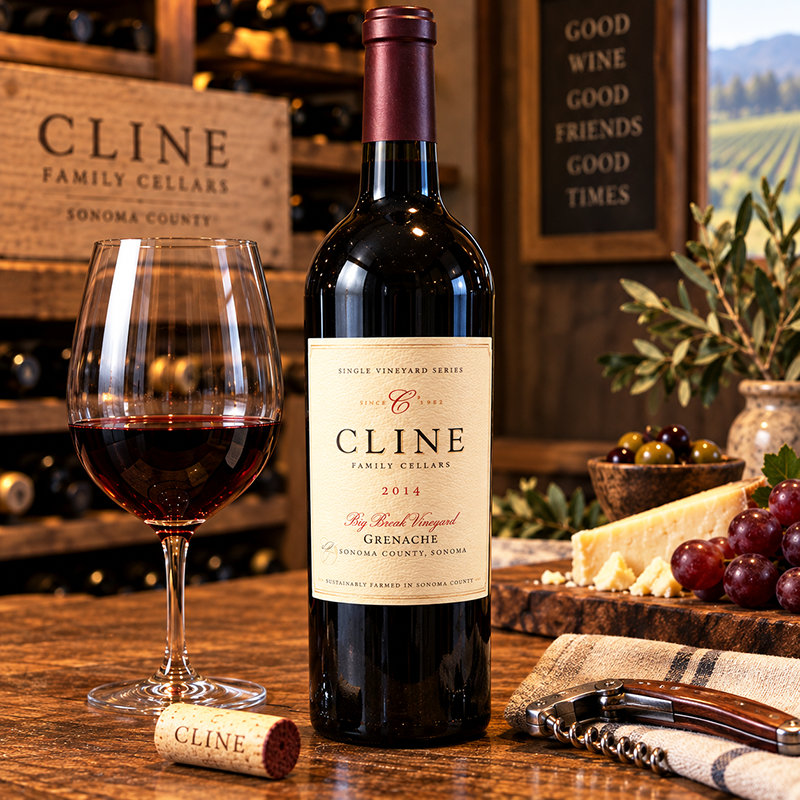
Heitz Cellar Martha's Vineyard Cabernet Sauvignon 2014.
Heitz Cellar Martha’s Vineyard Cabernet Sauvignon 2014. Click here for tasting notes.

Heitz Martha’s Vineyard Cabernet Sauvignon 2014

In my over forty years of drinking wine, I’ve had excellent bottles, bottles I’ve poured down the drain after drinking half a glass, and, mostly, everything in between.  But over all of those years and thousands of wines, two have eluded me, my so-called “unicorn” wines.

I first learned of the Heitz Cellar Martha’s Vineyard Cabernet Sauvignon in the mid-’70s when a normally generous acquaintance was showing off an unopened bottle, with obviously no intention of sharing.  Martha’s Vineyard was selling for about $30 at release then, far more than I could afford, so I wasn’t going to be enjoying it any time soon.  But the desire was established.

On a winery tour through Napa valley in the mid-1990s, I stopped at Heitz’s “tasting room,” on that visit  literally a windowless construction trailer parked by the side of the road.  I was about halfway through the tasting when I heard a car grind to a halt outside on the gravel.  The door burst open, and the driver demanded, “I want to try the Martha’s Vineyard!”  The bartender calmly responded, “We don’t pour the Martha’s Vineyard here.”  (A fact I, sadly, already knew.)  The door slammed shut, and he was off.  Denied.

Martha’s Vineyard is now selling for $250 on release, and, really, I still can’t afford it.  But during these uncertain times, I thought, “What the hell.  I may never get a chance to drink this wine I’ve been lusting after for so long.” So here it is.

Born in Princeton, Illinois, Joe Heitz served in the Army Air Force during World War II, and moonlighted during off hours at a winery near Fresno.  After the war ended, Heitz began taking classes at UC Davis, achieving a bachelor’s and then a master’s degree in viticulture and enology in 1951. in the first graduating class of just seven people.  Heitz found employment at two wine industry extremes, first at Gallo, and then with the famous André Tchelistcheff at Beaulieu Vineyard as an assistant winemaker, where he worked for nearly ten years.

Joe Heitz
Joe Heitz. Photo: St. Helena Historical Society

Heitz Cellar was established in 1961, when, after serving his “apprenticeship,” in 1961 Heitz and his wife Alice bought a small 8.5 acre (3.4 ha) vineyard from Leon Brendel in St. Helena, California, named “The One & Only,” for $5,000, and went into business for himself.  At the time, there were only about two dozen Napa Valley wineries, the lowest number since Prohibition.  (Today there are over 1,700 registered wineries in Napa, but “only” about 500 have tasting rooms.)  This pioneering winery even preceeded Robert Mondavi‘s 1966 start in nearby Oakville.
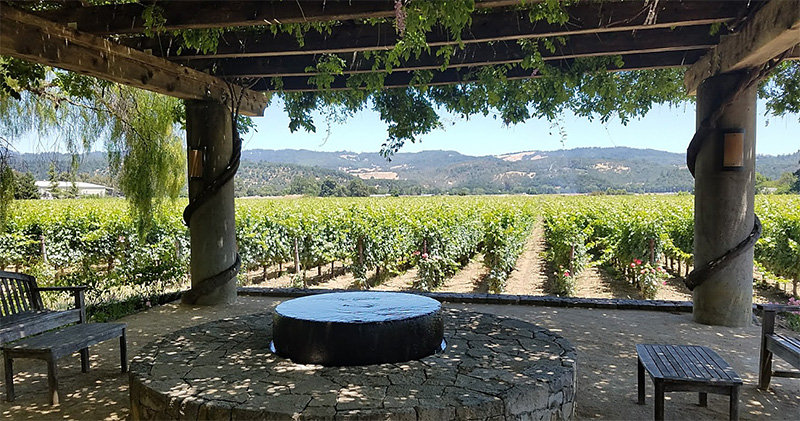
Photo: Jeremy Baines

In 1963, Heitz bought several barrels of Chardonnay and Pinot Noir from Hanzell Vineyards in Sonoma, the last vintages of James D. Zellerbach’s pursuit of Burgundian excellence and auctioned off by his widow. Heitz blended and sold the wines to lucrative acclaim.

One of his stated strategies for ongoing success was to pay growers, “what their grapes were worth,” in turn increasing the standard of the product he was receiving. In 1964, Heitz acquired an 1898 stone winery with its 160 acre (65 ha) ranch property, which became the Heitz winery and home.
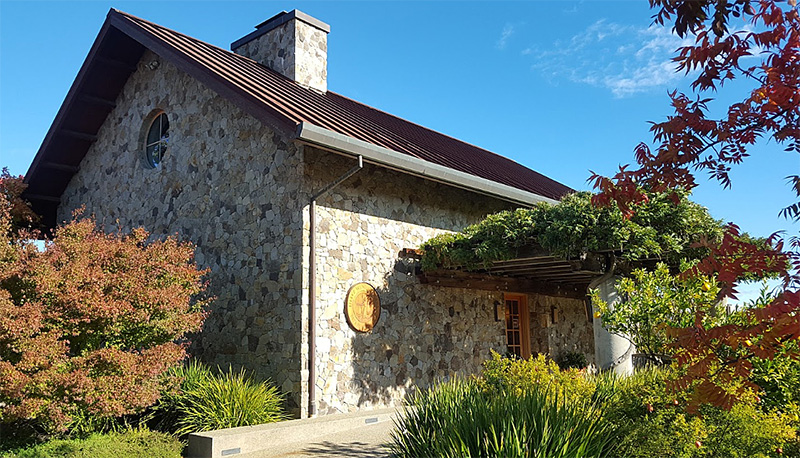
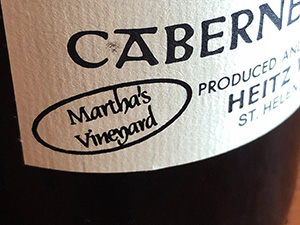
Photo: Darcy K.
Photo: Darcy K.


Since 1965, Heitz has held an exclusive agreement with Tom and Martha May, owners of the 34 acre (14 ha) Martha’s Vineyard in the Oakville AVA.  He immediately recognized the quality of the grapes, and the very next year Heitz vinified the fruit separately from his other production, and designated the vineyard on the label.  (Rather subtly, though.  Many of Heitz’s red-wine labels, unchanged for decades, look almost identical.  “Martha’s Vineyard” only appears in a small oval in the lower left corner.)
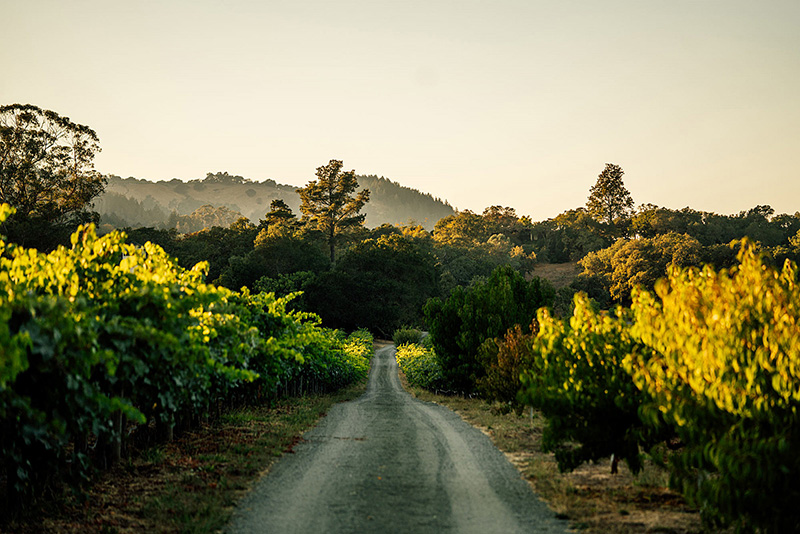
Martha's Vineyard
Martha’s Vineyard

“Standing in Martha’s Vineyard, you quickly realize why this site consistently produces a remarkable Cabernet Sauvignon. The vineyard receives gentle morning and early afternoon sunlight and is sheltered from the heat of the late afternoon sun by the mountains. This allows for longer hang time and Martha’s Vineyard is, historically, one of the last vineyards we pick. This ability to leave the fruit on the vine longer than other sites allows for concentration of flavor and softening of tannin to produce a wine so pure in its expression of place. The consistency in showcasing Martha’s Vineyard’s unique mint, bay leaf, dark berry and chocolate notes year after year is a reminder of why this vineyard has commanded a faithful following since the 1966 vintage.”
–Brittany Sherwood, Winemaker

Heitz is considered the first to champion the single vineyard designation in the U.S.  The 1968 vintage received attention for its quality, widely considered the greatest wine made in America up to that time. It was fermented in 1,000-US-gallon (38 hL) American oak vats, and then transferred to Limousin oak barrels where it aged for an additional two years.  Frank J. Prial, the wine columnist for The New York Times from 1972 until 2004, contended the wine remained “the benchmark by which California Cabernets were judged” for more than two decades.  (The 1970 vintage placed seventh at the Paris Wine Tasting of 1976, also known as the Judgment of Paris.)

Following a review by Robert Parker where he wrote that Martha’s Vineyard Cabernet Sauvignon “lacked aroma,” Heitz sent Parker a box of linen handkerchiefs, insinuating to the critic that he ought to clear his nose.

Joe Heitz suffered a stroke in 1996 which left him frail though lucid.  He died on December 16, 2000, aged 81. He was described by Warren Winiarski, founder and former proprietor of Stag’s Leap Wine Cellars, as the first of the Napa Valley artisans and the first to grasp the single vineyard concept.

David Heitz succeeded his father as winemaker in the late 1970s, having worked at the estate for many years. In 1984, the estate purchased the Trailside Vineyard in Rutherford, having previously purchased fruit from the site, and introduced a single vineyard bottling in 1989.

In the early ’90s, phylloxera afflicted Martha’s Vineyard, and no vintages were made in the mid-1990s.

Heitz Cellar annually produces approximately 40,000 cases (3,600 hL) of wine.  The estate’s vines are grown certified CCOF organic, with a move towards Biodynamic farming planned eventually.  In addition to several vineyard-designated Cabernet Sauvignon bottlings that are often aged in oak for three and half years, Heitz also produces varietal-labeled Chardonnay, Sauvignon Blanc, Zinfandel, and Grignolino.  (This is a rare variety in California, but was  the dominant planting of the original estate vineyard.  Heitz is still considered the premier producer.)

In April, 2018, Heitz Cellar was sold to Gaylon Lawrence Jr., whose Arkansas-based family owns one of the country’s largest agricultural businesses.

Heitz Cellar Martha’s Vineyard Cabernet Sauvignon 2014

This wine spent three years in 100% new French oak, one in neutral oak, and an additional year in bottle.  It is medium ruby to purple in the glass.  While I disagree that it “lacks aroma,” the nose is subtle, and predominantly of cherries.  It is incredibly smooth on the palate, with flavors of classic black currant, cocoa, tart cherry, and a hint of dust.  The tannins and acid are in perfect balance, and it all ends in a medium-long finish.  One thing I didn’t get: Heitz Martha’s Vineyard is famous for a minty overlay, especially when it’s this young.  While I wouldn’t find that a problem, I just wasn’t tasting it.  Regardless, Joe Heitz went to great pains to consistently deny that the minty notes had anything to do with the eucalyptus tress planted on the edge of the vineyard.

So, was the forty-five year wait worth it?  Well … yes … but.  This is an excellent wine, worthy of its iconic status.  But for me, it was simply too elegant, especially for the price.  At this stratosphere, I’m looking for something more boisterous,  like a Louis Martini Monte Rosso, a Palmaz, or a Kathryn Hall.

And the other wine of my fantasy?  That would be Penfold’s Grange, the legendary Australian Shiraz.  That one is selling for about $850 on release these days, so it may elude me forever.

www.heitzcellar.com/#1961

Back to blog posts: winervana.com/blog/

Lustau PX San Emilio Sherry

Lustau Pedro Ximénez San Emilio sherry.
Lustau Pedro Ximénez San Emilio Sherry. Click here for tasting notes.

Lustau Pedro Ximénez San Emilio Sherry

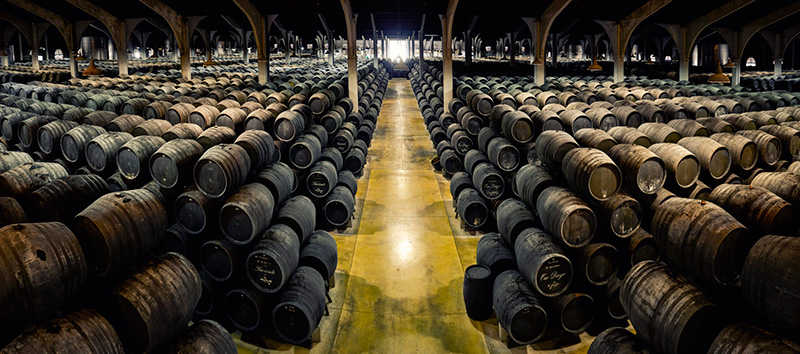
The origins of Emilio Lustau S.A. date back to 1896, when José Ruiz-Berdejo, a secretary to the Court of Justice, started cultivating the vines of the family’s estate,  Nuestra Señora de la Esperanza, in his spare time. In these modest beginnings he made wines which were then sold to larger sherry producers. This activity was known as being an almacenista or stock-keeper.

In 1931, his daughter, María Ruiz-Berdejo Alberti, acquired a small winery closer to the center of Jerez de la Frontera, and moved all the preexisting solera there, gaining notoriety and visibility.

In the early ’40s, Maria’s husband, Emilio Lustau Ortega moved the winery to the old Santiago district, in the historic quarter of Jerez. There, in buildings that were part of the historic Moorish walls of the city, he slowly began to expand the business, still as an almacenista.

In 1945 Lustau began to focus on the  promotion of its own brands: Papirusa, Jarana, Escuadrilla, Emperatriz Eugenia, and Cinta de Oro were some of them. In 1950, the company began exporting its sherries.

Fino Jarana
Fino Jarana

The 1980s were a quite prosperous decade for the Lustau enterprise.  In 1981 Solera Familiar was introduced, as well as the first Almacenista bottlings. In 1988 Lustau adopted a new bottle design for its wines. This dark bottle with sloping shoulders is exclusive to the company, distinguishing Lustau from the other Jerez wineries.  Lustau started to age the Vintage Series  in 1989.

In 1990 Lustau’s destiny changed when it merged with a Spanish family-owned company prominent within the wine and spirits business: Luis Caballero. This milestone in Lustau’s history meant important financial support and the possibility of further expansion and development.

Luis Caballero
Luis Caballero

In 2000, Lustau acquired six 19th century bodega buildings in the center of Jerez. These picturesque buildings were restored to their original glory and today house the principal ageing bodegas of Lustau.

Lustau has two vineyards in the so-called Sherry Triangle, Viña Montegilillo, with white clay soils (albariza) that are very appropriate for the cultivation of Palomino. From this variety they produce manzanilla, fino, amontillado, and oloroso wines. Viña Las Cruces, near the coast, features sandy soils suitable for Muscatel and Pedro Ximénez, which they use for the production of sweet wines.

Lustau’s awards include Best Spanish Winery in 2011, and Best Sherry Producer in 2014 and 2016 awarded by the International Wine & Spirit Competition. Lustau has also been awarded two consecutive times (first winery in history) the Len Evans Trophy to consistency in 2011 and 2016 by the International Wine Challenge.

Lustau Pedro Ximénez San Emilio Sherry

This wine is made from 100% Pedro Ximénez grapes instead of the usual Palomino used for sherry. They are sun-dried until they are practically raisins. After fermentation, the wine is aged for 12 years in American oak in the traditional solera system.

The word “unctious” could have been coined just to describe this sherry, which has an ultra-rich velvety mouthfeel.  This wine is as dark as Kahlua, and with even more viscosity.  Predictably, the taste is dominated by raisins, followed by dates, brown sugar, baking spices, and molasses.   It is extremely sweet, for sure, but very well balanced with just the right amount of acidity, and ends with a very long finish.

Enjoy this luxurious wine on its own, or pair it with blue cheese, nut-based desserts, chocolate, or sweet desserts

Back to blog posts: https://winervana.com/blog/

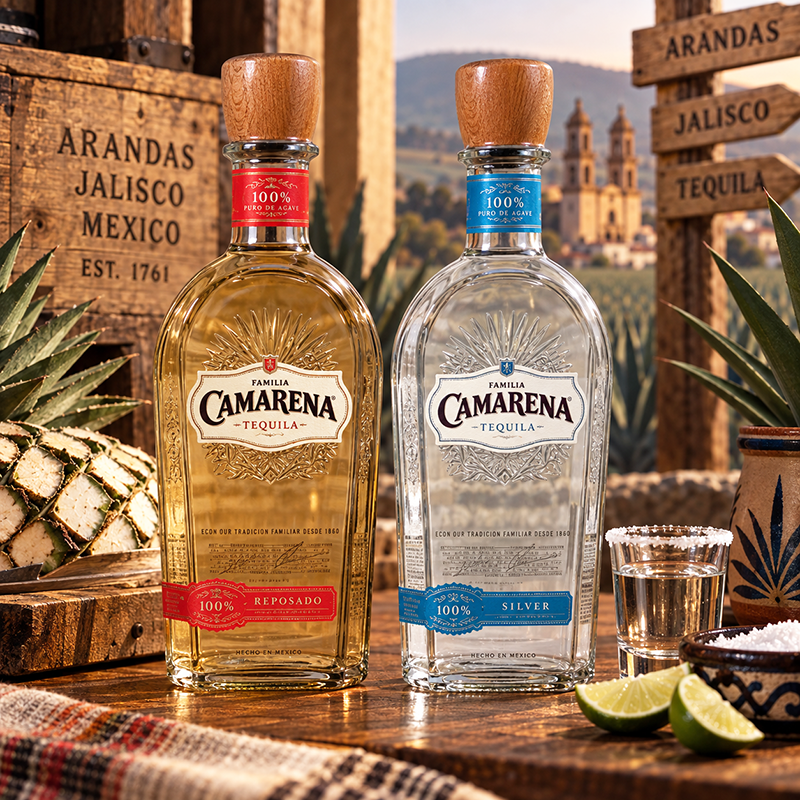
Camarena Tequila

Camarena Tequila
Camarena Tequila. Click here for tasting notes.

Camarena Tequila

Winter is behind us for yet another year, so thoughts turn to relaxed evenings on the deck or patio, steaks or shrimp sizzling on the grill, and something cool and refreshing in the glass. A crisp Chardonnay or ice-cold beer are nice, of course, but it’s hard to beat a well-made Margarita (no sweet-and-sour mix!) when the weather gets pleasant.

Continue reading “Camarena Tequila”

Three Finger Jack Cabernet Sauvignon

Three Finger Jack Cabernet Sauvignon.
Three Finger Jack Cabernet Sauvignon. Click here for tasting notes.

Three Finger Jack Cabernet Sauvignon

In 1894, Gaspare Indelicato was born in the small village of Campobello di Mazara in the province of Trapani, Sicily. In 1911, at the tender age of 16, he emigrated to the United States through Ellis Island, New York.

Eventually, Gaspare and his wife Caterina settled in the agriculturally rich San Joaquin Valley, east of San Francisco.  In 1924, Gaspare and his brother-in-law Sebastiano made a bold decision to purchase an old dairy farm, planted grapes, and shipped them by train to home winemakers in the Chicago area during Prohibittion.

When “The Noble Experiment” was repealed in 1933, selling grapes to home winemakers was no longer profitable.  Sebastiano and Gaspare decided the only way to salvage their grape crop was to make wine.  In May of 1935, they  opened their winery in a converted hay barn and called it Sam-Jasper Winery after the Americanized versions of their first names.  Production began with 3,451 gallons (about 100 cases) of red wine which was sold to local farmers and friends.

As the business grew, Gaspare’s three sons, Frank, Anthony, and Vincent, joined the family winery in the 1950s. At that time, Frank was cellarmaster, Tony was winemaker, and Vince was the entire sales department.

Today, Delicato Family Wines is still family-owned by the heirs of Gaspare and Caterina’s three sons. The third and fourth generations of the Indelicato family are actively involved in the wine business and continue the tradition of producing and importing fine wines.

The Indelicato family is devoted to its California winemaking heritage of family farming, environmentally sensitive winegrowing practices, and economically sustainable principles.

“‘Family farmed’ encompasses the firmly-held belief that we are responsible for tending the earth and protecting its inhabitants,” explains Jay Indelicato. “This responsibility not only includes using environmentally sensitive farming practices, but also maintaining the highest ethical standards in our business dealings. My family has relationships with growers, banks, employees, and consumers that span decades. By thinking of ourselves as a “family farmed” company, it is a reminder that we have a responsibility to preserve and sustain the things that matter most.”

In addition to Three Finger Jack, Delicato Family Vineyards offers wines under such brands as Black Stallion, Bota Box, Gnarly Head, La Merika, and others.

Three Finger Jack Cabernet Sauvignon 2016

Here’s the legend of Three Finger Jack. Make of it what you will: He was a notorious desperado who roamed the Sierras and the land east of Sacramento in the closing days of the Old West. Nobody knows where he came from, how he lost two fingers, or where he died. But his legend still lives on today in Lodi, California.

Lodi sits at the foothills of California Gold Country, 75 miles east of San Francisco. Pioneers knew that Lodi made superb wine country; so they planted vines there more than a century ago.  Its hot days are cooled by breezes from a vast river delta, and it’s home to soils that force vines to dig deep into the ground. Most of the Lodi region has deep, loamy soil. However, up on the east side, the soil is more rocky, with cobblestones and soil low in nutrients.

Three Finger Jack is a blend of 76% Cabernet Sauvignon, 9% Petite Sirah, 8% Malbec, 6% Merlot, and 1% other red varieties.  Part of the wine is aged in American and French oak with the rest in stainless steel.

Pouring from a unique squat bottle, TFJ is a transparent dark red in the glass. It features a robust 15% ABV, with aromas of blackberry, blueberry, cassis, and vanilla..  These and tastes of leather and cocoa follow, supported by good tannins and mild acidity.  It ends in a relatively short finish.

Pair this substantial wine with Lemon-Pepper Barbeque Ribs, Lamb Kabobs with Mustard Marinade, or Double Peanut-Crusted Pork Chops.
Back to blog posts: winervana.com/blog/
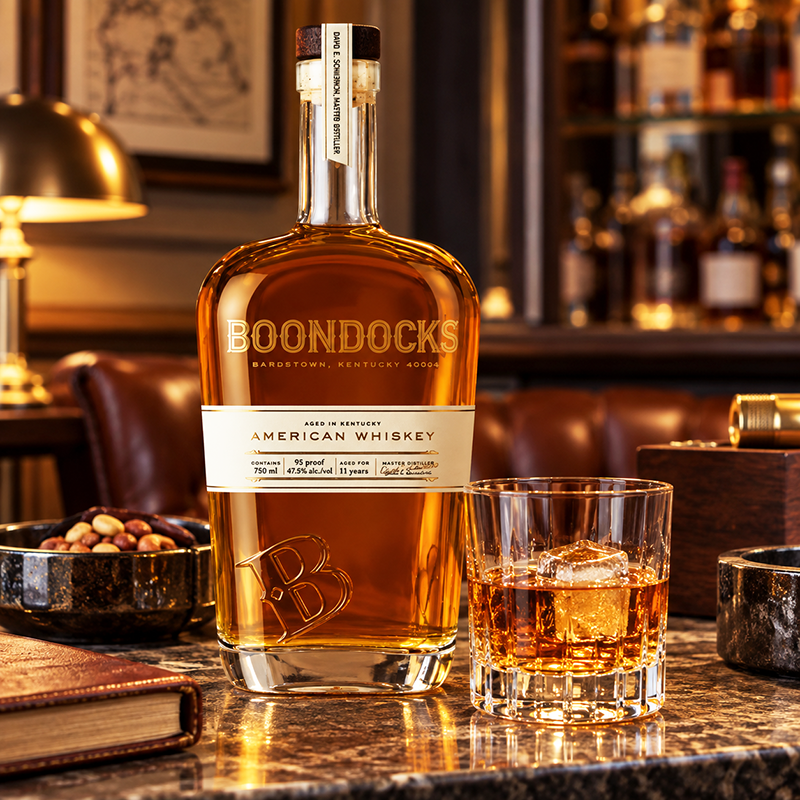
No. 3 London Dry Gin

No. 3 Gin
No. 3 London Dry Gin. Click here for tasting notes.

No. 3 Gin

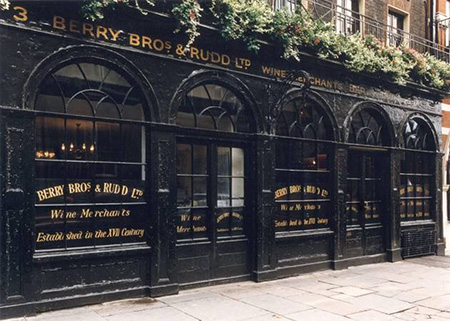
Berry Bros. & Rudd is a family-run British merchant founded in London in 1698. Since then, the company has grown from a small coffee shop into an international business with six offices worldwide.

The company started out selling coffee, and then diversified into cocoa, tea, snuff, spices, and other foreign goods, becoming one of London’s most fashionable grocers. Its West End location and close proximity to St James’s Palace also contributed to its growing popularity.

No.3 St James's Street
No.3 St James’s Street


Today, the company offers an extensive range of wines from Bordeaux, Burgundy, the Rhône and Italy. Berry Bros. & Rudd has been the official wine supplier to the British Royal Family since the reign of King George III. They received their first Royal Warrant of Appointment in 1903 when they formulated a ginger liqueur to revive Edward VII from cold car journeys, still sold as The King’s Ginger. Queen Elizabeth II granted the company her royal warrant in 1995, and Charles, Prince of Wales granted his in 1998.

The company also offers wine investment opportunities, wine storage, wine tastings, events, and educational courses.

From 1923 to 2010 Berry Bros. & Rudd controlled Cutty Sark Scotch whisky, whose yellow label is famous the world over.

Once Berry Bros. & Rudd decided to try their hand at gin, it took a team of spirit specialists 730 days to refine and create No. 3 Gin.

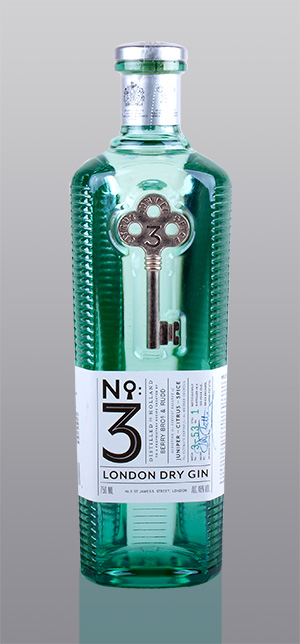
The key prominently displayed on the bottle is a replica of that to The Parlour, one of the oldest rooms in the Berry Bros. shop. Chairman Simon Berry says that the key is a symbol of trust; a promise, as it were, that the gin is what customers would expect from such an establishment. The high-shouldered green bottle is inspired from the open pontil gin bottles that date back to 17th century.

David Clutton
Dr David Clutton – the only person in the world with a PhD in Gin.

Each batch is presided over by distiller Dr. Clutton, who starts by weighing and blending the six botanicals (grapefruit peel, orange peel, coriander, cardamom, juniper berries, and angelica root) in the recipe. They are then added to the still and steeped for over 16 hours in pure grain spirit. The next day, the distillation begins and lasts over seven hours. The ‘heart’ of the distillate is then collected. Finally, No. 3 is diluted to 46% ABV (the producer claims this is “the ideal amount”), and bottled.

No. 3 London Dry Gin

This gin opens with crisp and fresh grapefruit, with forest-like juniper. The piney juniper continues on the palate, correctly, supported by floral notes and hints of spicy cardamom. There’s plenty of citrus ‘zing’ complemented by the gingery spiciness of the coriander. It all ends with the earthy dryness of angelica. The whole package is quite smooth and balanced. But remember that 46% ABV, and drink responsibly. This is high-octane stuff, and that smoothness can fool you if you’re not careful.

www.no3gin.com

Back to blog posts: https://winervana.com/blog/

LEAF Vodka

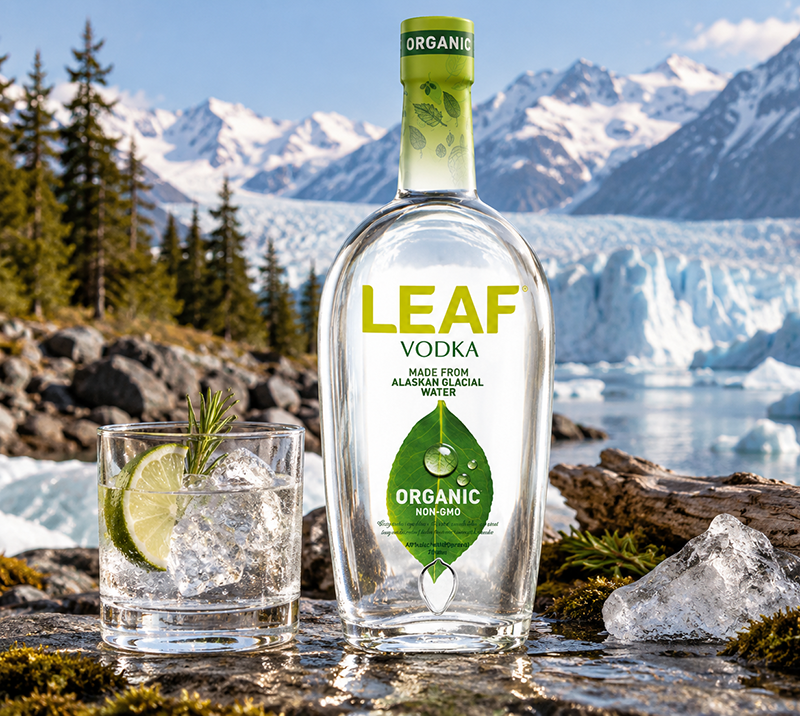
Leaf Vodka

LEAF Vodka

Leaf Vodka is sourced from two unique American waters. These water sources give LEAF vodkas their signature tastes.

LEAF Vodka made from Alaskan glacial water has a pure, smooth taste with a hint of sweetness, while LEAF vodka made from Rocky Mountain mineral water offers richness and complexity, lending a warm and savory impression on the palate. Both expressions are distilled five times, are made with USDA Certified Organic non-GMO wheat, and are unflavored. The difference is in the water, which constructs two distinct tastes for different taste profiles.

To date, LEAF has won over 20 awards since 2014 including multiple Double Gold and Best in Show awards from a variety of organizations, including the San Francisco World Spirits Competition, the San Diego Spirits Festival, TheFiftyBest.com, the SIP International Consumer Tasting Awards, and the Ultimate Spirits Challenge among others.

by Spirits Contributor Neal Kotlarek

leafvodka.com

Back to blog posts: winervana.com/blog/
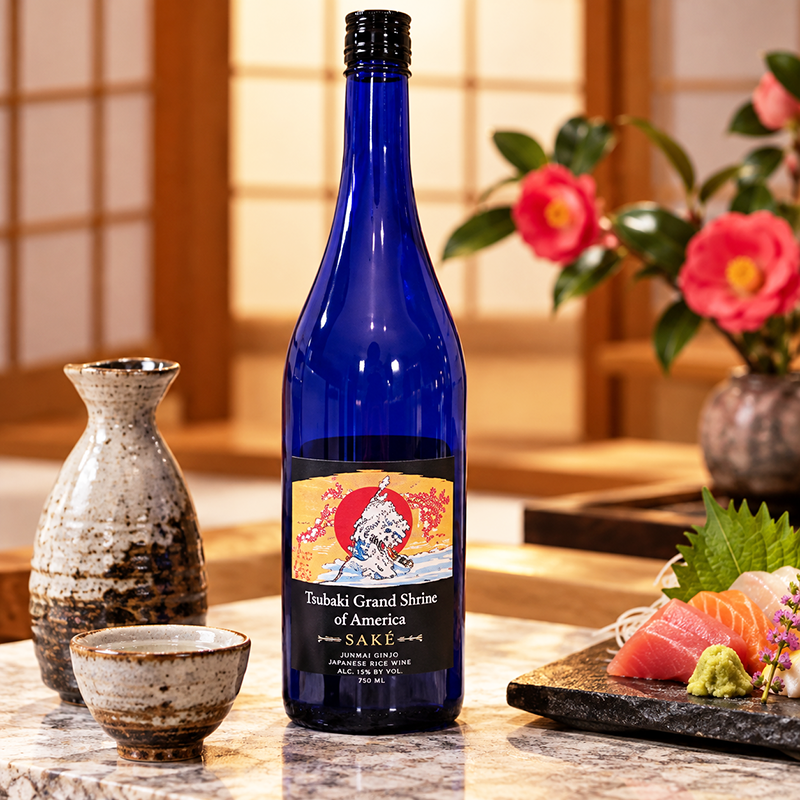
HandCraft Wines

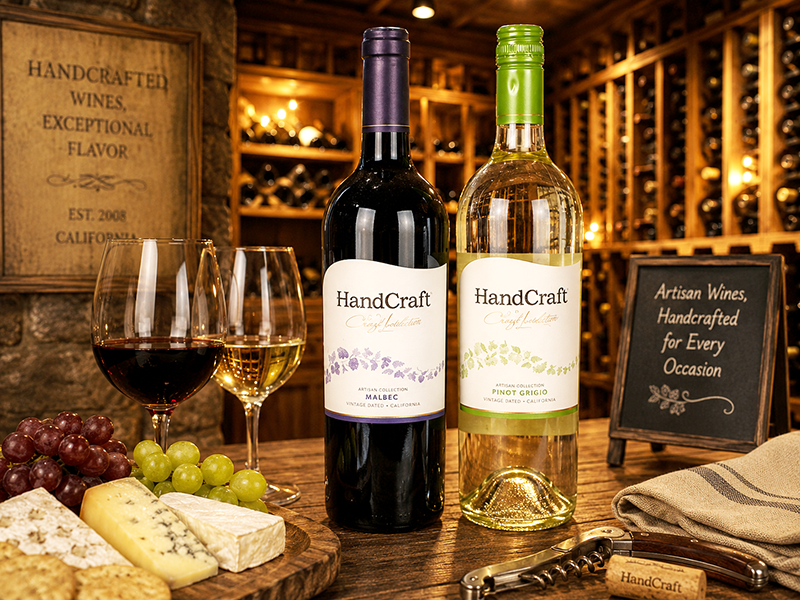
HandCraft Malbec 2013 and HandCraft Pinot Grigio 2014.
HandCraft Malbec 2013 and HandCraft Pinot Grigio 2014. Click here for tasting notes.

HandCraft Wines

Cheryl Indelicato is part of the third generation of the family that owns Delicato Family Vineyards. Delicato offers wines under such brands as Black Stallion, Bota Box, Gnarly Head, La Merika, Massimo, and others.

Although born into the wine business, doing odd jobs at the winery as a little girl, her parents insisted that their children graduate from college and gather outside experience by working elsewhere for at least three years before coming back to the family business, if they wished to do so.

Accordingly, Cheryl earned a Registered Nursing degree in 1985 and a Bachelor of Science Degree in Business in 1989. However, the family wine-making enterprise kept its hold on her, and she returned to the fold in 1990, working in various facets of the business.

All the while, she dreamed of creating her own wine brand. “I have always wanted to create my own wine with a style and flavor profile that appealed directly to women,” says Cheryl.

Cheryl began the project, called HandCraft Artisan Collection, in early 2010 when she teamed up with veteran winemaker Alicia Ysais to develop a wine that would be fruit-forward, distinct, and easy to enjoy—similar to the field-blend wines that Cheryl recalled from her family’s dinner table. The line includes Chardonnay, Pinot Noir, Cabernet Sauvingnon, and Petite Syrah, as well as the more rarely seen (for California, at least) Pinot Grigio and Malbec, featured below.

As part of her passion to make a positive difference in people’s lives, Cheryl created “HandCraft Cares” to support important causes with financial and in-kind donations. She is involved in a number of initiatives at the community level to increase awareness and early detection of breast cancer. Since 2012, HandCraft has contributed $235,000 to support breast cancer research, prevention, and awareness.

HandCraft Pinot Grigio 2014

This Pinot Gigio underwent a cold-temperature fermentation and was aged entirely in stainless steel, for those of you put off by any oak. It is nearly colorless in the glass. But, no worries. The nose offers aromas of peaches and tropical fruit, with a floral background. In the mouth, the wine is medium bodied, with flavors of melon and key lime. It offers a nicely balanced, crisp acidity, and the finish is relatively short.

Enjoy this easy-going wine with Swordfish with Tarraogn Beurre Blanc, Tomatoes, and Black Olives; Chicken Marsala Burgers; or Crab with Bok Choy and Egg Stir Fry.

HandCraft Malbec 2013

Deep purple in the glass, this Malbec delivers aromas of plums and blackberries on the nose. The ripe plum continues as you begin to taste, complemented by a hint of dusty cocoa. The wine has a medium body and a medium finish, accompanied by a fair amount of tannins, but nothing excessive. A good value for the price.

This wine would go nicely with Guiness Pub Burgers, Oaxacan Black Mole with Braised Chicken, or Slathered Mesquite-Smoked Ribs.

www.handcraftwines.com/

Back to blog posts: winervana.com/blog/

Sanford Winery

Sanford Winery.
Sanford Winery. Click here for tasting notes.

Sanford Winery

Sanford, the first winery in Santa Barbara wine country, was established when the Sanford & Benedict vineyard was planted in 1971. Botanist Michael Benedict and his friend Richard Sanford were committed to finding a cool-climate location with just enough heat accumulation to ripen, but not over ripen, wine grapes. A place where they could plant and grow grapes and craft wines, where they hoped the quality might equal the best of Europe.

Continue reading “Sanford Winery”